
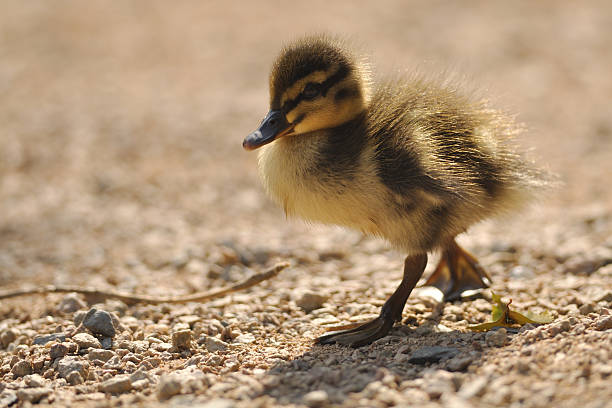
Duck plumage is a remarkable example of genetic inheritance, where coloration and pattern are determined by a complex interplay of genes. Understanding the genetic mechanisms behind these traits is essential not only for ornamental duck fanciers but also for poultry breeders and geneticists. The diversity in duck plumage serves several biological functions, including camouflage, mate attraction, and species identification. By studying the genetic basis of these traits, breeders can make informed decisions to maintain or enhance desirable characteristics within specific duck breeds.
One of the key reasons why duck plumage genetics is a significant topic is the role it plays in selective breeding. Many duck breeds, such as the Pekin, Ancona, and Mallard, have distinct color patterns that are highly valued for both aesthetic and commercial purposes. These patterns are not random but are the result of specific genetic factors that influence pigment production, feather development, and overall plumage structure. By understanding the inheritance of these traits, breeders can predict and manipulate the appearance of future generations more effectively. This is particularly relevant for those involved in poultry shows, conservation efforts, and even in the ornamental bird industry, where specific colorations may be preferred.
Moreover, the study of duck plumage genetics contributes to broader scientific understanding of avian genetics and evolutionary biology. Different duck species exhibit a wide range of plumage variations, some of which are the result of natural selection, while others are products of human intervention through selective breeding. Exploring the genetic basis of these traits not only enhances our knowledge of avian biology but also provides insights into the mechanisms that drive genetic diversity in bird populations. As such, delving into the genetics of duck plumage is crucial for both breeders and researchers interested in the inheritance and manipulation of color and pattern in avian species.
The Basics of Genetics and Inheritance
The study of genetics provides the foundation for understanding how traits are passed from one generation to the next, including the plumage characteristics observed in ducks. At the core of heredity are genes, which are segments of DNA that carry instructions for specific traits such as coloration and pattern. These genes are inherited from an individual’s parents, with each parent contributing one allele—different versions of a gene—for a given trait. The expression of these alleles determines the observable features, or phenotype, of an individual duck. By examining the genetic basis of plumage inheritance, breeders and researchers can predict and manipulate coloration patterns to suit breeding goals.
Genetic inheritance follows specific principles, most notably those described by Gregor Mendel, the father of modern genetics. One of these principles is the law of segregation, which states that each organism carries two alleles for a given gene, and these alleles separate during gamete formation so that each gamete carries only one allele. When gametes combine during fertilization, the resulting individual inherits one allele from each parent. This principle explains why certain plumage traits may appear in offspring even if they are not visible in the parents. Another important principle is the law of independent assortment, which describes how different genes are inherited independently of one another. This means that the inheritance of one plumage trait, such as coloration, does not influence the inheritance of another, such as feather pattern. These fundamental laws govern the patterns of inheritance, ensuring that each duck’s plumage reflects a unique combination of genetic information from its ancestors.
In the context of duck plumage genetics, these principles play a crucial role in determining how coloration and pattern traits manifest in a population. For instance, the presence of a dominant allele for a specific color may override a recessive allele, influencing the visible traits of offspring. Breeding strategies often rely on understanding these genetic patterns to ensure predictable outcomes in plumage characteristics. By applying Mendelian genetics, duck breeders can selectively pair individuals with specific alleles to produce desired color and pattern combinations in the next generation. A solid understanding of genetic inheritance is therefore essential for anyone seeking to study or manipulate duck plumage traits through breeding programs.
The Role of Genes in Duck Plumage Color and Pattern
Duck plumage is primarily determined by the interaction of multiple genes that regulate pigment production, feather structure, and pattern distribution. These genes fall into broad categories: those responsible for pigmentation, those influencing feather development, and those affecting the overall distribution of color and pattern. The primary pigments involved in duck plumage are melanins, which produce black, brown, and gray hues, and carotenoids, which contribute to red, yellow, and orange coloration. The presence and concentration of these pigments depend on the specific genes that control their synthesis, transport, and deposition in the feathers. Additionally, structural coloration—caused by microscopic feather structures that scatter light—can create iridescent or metallic effects in certain duck species.
Coloration in ducks is often governed by dominant and recessive alleles, which determine whether a particular trait is expressed in the phenotype. For example, the extension locus is a key genetic factor in determining the base plumage color of many duck breeds. The dominant allele at this locus, known as the E allele, promotes the production of eumelanin, leading to black-based plumage, while the recessive allele, e, results in a lighter, yellow or white base. Similarly, the agouti gene influences the distribution of black and white markings in the feathers, contributing to streaking and banding patterns. The interaction between these genes can produce a wide variety of color combinations, from solid black to highly patterned plumage with contrasting bands and spots.
Beyond direct pigmentation, other genetic factors influence the intricate patterns displayed in duck plumage. The so-called “modifier genes” fine-tune how pigments are distributed across the body, affecting traits such as barring, spotting, and the overall contrast between light and dark areas. For instance, the black gene (BL) is responsible for the uniform black plumage seen in certain duck breeds, while the sex-linked barring gene (Bo) introduces alternating black and white bands on the feathers, a trait commonly observed in Anconas. The combination of these genes with other pigmentation modifiers can produce a wide range of color expressions, including mottled, checkered, and piebald patterns.
Furthermore, sex-linked genes play a crucial role in plumage inheritance, as certain traits are carried on the sex chromosomes. Males, being the heterogametic sex in birds, possess one Z and one W chromosome, while females have two Z chromosomes. This genetic distinction means that sex-linked plumage traits may exhibit different inheritance patterns and expression levels between males and females. For example, the barring pattern found in Anconas is inherited as a sex-linked trait, leading to males displaying more pronounced barring than females. By understanding these genetic mechanisms, duck breeders can make informed decisions when selecting breeding pairs to produce offspring with desired plumage characteristics.
Genetic Inheritance of Coloration and Pattern in Duck Breeds
The inheritance of coloration and pattern in duck breeds follows specific genetic principles, with different alleles and gene combinations producing a wide array of plumage traits. One of the most well-known examples is the Ancona duck, which exhibits a distinct barring pattern characterized by alternating black and white feather bands. This pattern is governed by the sex-linked barring gene (Bo), which is responsible for the dark and light feather stripes. Because this gene is sex-linked, male Anconas typically display a more pronounced barring pattern than females, as the gene is carried on the Z chromosome. The presence of the barring factor leads to the formation of black and white bands along each feather barbule, creating a checkerboard-like effect. In contrast, ducks lacking the barring factor will have a solid coloration, with the specific shade determined by other pigmentation genes.
Another significant example is the Pekin duck, a white-feathered breed that is the result of a recessive allele at the extension locus (e). Unlike the dominant E allele, which promotes melanin production and results in black-based plumage, the e allele suppresses melanin synthesis, leading to the white plumage characteristic of Pekins. This recessive trait means that both parents must carry the e allele for their offspring to inherit the white plumage. However, some variations occur within the Pekin breed, with certain bloodlines exhibiting a blue or silver variant due to genetic modifiers that affect melanin distribution. The blue Pekin, for instance, results from the presence of the dilution gene (D/d), which softens the pigment coloration. Unlike the standard white Pekin, the blue variant retains some melanin expression, leading to a bluish or silvery tint rather than a solid white.
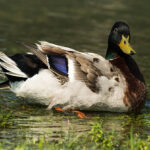
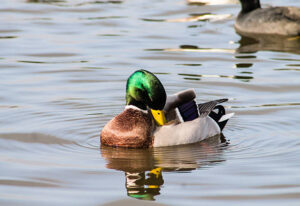
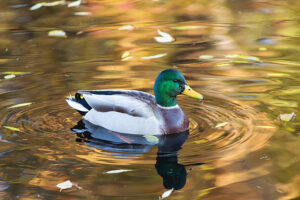
The mallard is a classic example of a wild duck with a highly recognizable plumage pattern, characterized by a green head, chestnut breast, and a distinctive black and white tail in males. The inheritance of these color patterns is influenced by multiple genes, including the extension, sex-linked barring, and color modifier genes. In male mallards, the green head color is the result of structural coloration rather than pigment, caused by microscopic feather structures that scatter light. The chestnut breast and the black-and-white tail bar are determined by the distribution of melanin, with the extension locus playing a key role in regulating melanin synthesis. The female mallard, on the other hand, lacks the strong sexual dimorphism of the male, displaying a more subdued mottled brown plumage due to the absence of the dominant E allele. This dimorphism is further influenced by the barring gene, which contributes to the alternating light and dark feather patterns seen in female mallards.
The Khaki Campbell duck is another notable example, known for its buff or khaki-colored plumage. This coloration is primarily determined by the recessive sex-linked allele at the extension locus, which results in a warm, golden-brown color rather than the black or white seen in other breeds. The khaki coloration is a result of reduced melanin expression at specific areas of the feather, while the white wing bars and black tail feathers are influenced by other pigmentation genes. The presence of the barring gene can also affect the visibility of these patterns, with some Khaki Campbells displaying faint barring or a more uniform coloration, depending on the genetic combination inherited from their parents.
These examples illustrate the complex genetic interactions that contribute to the diverse plumage patterns observed in different duck breeds. By understanding the inheritance of these traits, breeders can selectively pair ducks with specific genetic backgrounds to produce offspring with desired coloration and patterning. This knowledge is essential for both ornamental duck enthusiasts and commercial poultry breeders who seek to maintain or enhance specific plumage characteristics in their flocks.
Genetic Inheritance of Coloration and Pattern in Specific Duck Breeds
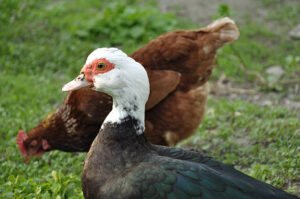
Among the most distinctive duck breeds is the Muscovy, which exhibits a wide range of color variations, including black, white, and mottled patterns. The black Muscovy is a prime example of the extension gene (E) in action, as the dominant E allele is responsible for the rich, black plumage. This breed also carries the epistatic gene (Ep), which influences melanin distribution and contributes to the contrast between the head, body, and tail. In contrast, the white Muscovy results from the recessive e allele at the extension locus, which suppresses melanin production. Interestingly, the white variant of the Muscovy is not albinistic but rather lacks the pigment entirely, leading to a pale, creamy-white appearance. This difference is crucial in distinguishing true albinism, which is caused by a separate mutation, from the regular white coloration observed in these ducks. The mottled Muscovy, on the other hand, exhibits a checkered pattern of black and white feathers, a result of the interaction between the black gene and the sex-linked barring gene (Bo), which leads to the distribution of alternating color bands on individual feathers.
The Cayuga duck is another breed with a striking plumage pattern, characterized by a black body and a distinct white band on the tail known as the “saddle.” The black coloration in Cayugas is determined by the dominant extension gene (E), which promotes the production and deposition of eumelanin in the feathers. The saddle effect is a result of the interaction between the extension gene and a modifier gene that affects the distribution of melanin along the tail. This genetic mechanism ensures that the white saddle band is a consistent feature in Cayuga ducks, distinguishing them from other black-feathered breeds. Additionally, young Cayugas are initially brown and develop their black plumage as they mature, a phenomenon related to the delayed onset of melanin synthesis. This delayed development is due to a combination of the E gene and a regulatory gene that controls the timing of pigment expression, making the Cayuga a fascinating example of how genetic variation influences plumage development over time.
The Appleyard duck is another noteworthy breed with a tri-color plumage pattern, featuring a combination of black, white, and a buff or silver base color. This pattern is the result of a complex interaction between several pigmentation genes. The buff base is primarily controlled by the recessive e allele at the extension locus, which restricts melanin production. However, the presence of the black factor modifies this base color, introducing black markings on the head, neck, and tail. The white areas, such as the breast and belly, are governed by the white gene (W), which suppresses melanin in specific regions of the feather. The combination of these genes results in the distinctive checkered pattern observed in Appleyards, with a black wing band and a white breast making them highly recognizable. The sex-linked barring gene also plays a role in the expression of these patterns, contributing to the alternating black and white feather bars seen in the plumage.
The Silver Appleyard is a variation of the Appleyard breed, characterized by a more uniform silver or pearl-like plumage. Unlike the tri-color Appleyard, the Silver Appleyard lacks the black factor, resulting in a more neutral, silvery appearance. This coloration is the product of a mutation in the extension locus, where a specific gene variant reduces the intensity of melanin production. The combination of the e allele and the modifier gene responsible for dilution leads to the soft, lustrous plumage that defines the Silver Appleyard. This breed’s coloration is a prime example of how minor genetic variations can lead to significant differences in plumage expression, even within the same breed family.
These examples highlight the intricate genetic mechanisms that govern duck plumage inheritance, demonstrating how specific genes and gene interactions shape the diverse color patterns seen in different duck breeds. By understanding these genetic principles, breeders can selectively pair individuals with favorable traits to maintain or enhance specific plumage characteristics in their flocks. This knowledge is particularly valuable for those interested in ornamental duck breeding, where distinct coloration and patterning are often highly desired traits.
Hybrid Vigor and Plumage Variation in Crossbred Ducks
Hybrid vigor, or heterosis, refers to the increased fitness and vitality observed in crossbred offspring compared to their purebred parents. This phenomenon is particularly relevant in the context of duck plumage, as crossbreeding between different breeds can lead to enhanced coloration, pattern diversity, and overall plumage quality. The genetic principles underlying hybrid vigor suggest that the combination of genes from two distinct purebred lines can result in offspring with improved traits, such as more vivid coloration, better feather development, or more intricate patterning. This effect is particularly evident when breeding ducks with complementary pigmentation genes, as the interaction between different alleles can produce visually striking plumage characteristics that may not be present in either parent.
One of the most well-known examples of hybrid vigor in duck plumage can be observed in crossbreeding between the Khaki Campbell and the Pekin duck. The Khaki Campbell is a light-brown, khaki-colored breed known for its high egg production, while the Pekin is a white-feathered duck with a relatively uniform coloration. When these two breeds are crossed, the resulting offspring may display a range of intermediate plumage colors, including soft golden or cream variations that combine the warmth of the Khaki Campbell with the brightness of the Pekin. This hybridization can also introduce more complex feather patterns, particularly when certain color modifiers are present in the genetic background. Such variations can create unique color blends that are not commonly observed in purebred individuals, offering breeders the opportunity to develop new, visually appealing duck breeds.
Another notable crossbreeding combination is the pairing of Ancona and Appleyard ducks. The Ancona is a barred plumage breed with alternating black and white feather bands, while the Appleyard displays a tri-color plumage of black, white, and a buff base color. When these two breeds are crossed, the offspring often inherit a combination of both barring and tri-color patterning, leading to a highly distinctive and decorative plumage. The barring factor from the Ancona can create dark and light feather bands, while the tri-color genes from the Appleyard contribute to the variation in base color and additional markings. This hybridization can result in ducks with a range of color combinations, including a mottled or checkered pattern that is not typically seen in either parent breed. Such combinations are particularly desirable in ornamental duck breeding, where unique and intricate plumage patterns are highly valued.
Crossbreeding also plays a significant role in the development of specialized duck breeds that exhibit enhanced plumage traits beyond what is observed in their purebred ancestors. For example, the Blue Swedish duck is a selectively bred variant that results from controlled crossbreeding between different duck lines. The blue coloration in this breed is due to the presence of a specific dilution gene that softens the black pigmentation, producing a silvery-blue plumage. This trait is not naturally occurring in wild ducks but is the result of careful breeding programs that combine genes from various breeds with similar pigmentation characteristics. The success of such crossbreeding programs highlights the potential for genetic manipulation to create novel plumage variations that cater to both aesthetic and functional breeding goals.
Beyond ornamentation, hybrid vigor in plumage can also have practical implications for commercial duck farming. Ducks with more vibrant and uniform coloring may command higher prices in the market, particularly in the case of specialty breeds used in exhibitions or as ornamental ducks. Additionally, certain plumage traits may be associated with improved feather quality, which can influence the overall health and thermoregulation of the birds. By harnessing the principles of hybrid vigor, breeders can develop duck lines that not only exhibit desirable plumage characteristics but also possess enhanced vitality and productivity. The careful selection of crossbreeding pairs based on genetic compatibility ensures that the desired plumage traits are stably inherited in future generations, making hybrid vigor a valuable tool in the breeding of ducks with superior plumage traits.
Genetic Mutations and Their Impact on Duck Plumage
Genetic mutations play a crucial role in the diverse plumage variations observed in ducks, as alterations in key genes can significantly influence coloration and pattern expression. One of the most well-known examples is albinism, a condition caused by a mutation in the gene responsible for tyrosinase, an enzyme essential for melanin production. Melanin is the primary pigment responsible for black and brown coloration in birds, so when the tyrosinase gene is mutated, ducks are unable to produce melanin. As a result, albinistic ducks exhibit a snow-white plumage with pink or red eyes, as the lack of melanin also affects ocular pigmentation. Unlike typical white-feathered duck breeds, which may retain some melanin in their feathers, albinism is a complete absence of pigmentation, making it a distinct genetic disorder rather than a naturally occurring color variation. This mutation is recessive, meaning that a duck must inherit two copies of the mutated gene—one from each parent—to display the full albino phenotype. Breeding albinistic ducks requires careful selection to ensure that the condition is not unintentionally spread through a population, as it can lead to health complications such as increased sensitivity to sun exposure.
Another form of pigment-related mutation is the piebald trait, which results in irregular patches of black and white feathers. This condition is not caused by a single mutation but is instead influenced by a combination of genetic factors, making it more complex than albinism. Piebald coloration is associated with disruptions in the migration of pigment-producing cells, or melanocytes, during feather development. When these cells do not spread evenly across the body, it leads to the formation of distinct color patches rather than a uniform pattern. Some duck breeds naturally exhibit a degree of piebald plumage, particularly those with a high degree of feather pattern variation, such as the Appleyard or the Cayuga. However, the extreme form of piebaldism seen in certain ducks—where color patches are highly irregular and cover only portions of the body—can be a result of specific mutations that affect feather pigmentation during embryonic development. These mutations can be either recessive or sex-linked, depending on the underlying genetic mechanism. Some piebald mutations may also interact with other plumage modifier genes, leading to more extreme or unique color patterns that can be selectively bred for in ornamental duck lines.
In addition to albinism and piebaldism, other mutations can lead to unusual coloration in ducks. One such example is the lutino mutation, which is responsible for the yellow or golden feather coloration observed in some duck breeds. This mutation is related to the reduced activity of the extension gene, which normally controls the distribution of melanin in the feathers. In lutino ducks, the extension gene is altered in such a way that it suppresses black and brown pigmentation but allows for the deposition of carotenoid-based pigments, resulting in a bright yellow or orange hue. This coloration is commonly seen in certain Ancona or Cayuga crosses where the combination of genetic factors leads to the expression of this unique trait. Unlike true albinos, lutino ducks still retain some pigmentation in their eyes and skin, a key distinction that helps differentiate the two conditions.
These genetic mutations highlight the role of spontaneous genetic changes in shaping duck plumage diversity. While some mutations are naturally occurring and can lead to aesthetically pleasing color variations, others may be unintended side effects of selective breeding. Understanding the genetic basis of these mutations allows breeders to make informed decisions when developing new duck lines, ensuring the preservation of desired traits while avoiding the propagation of harmful genetic conditions.
Effective Breeding Strategies for Ducks with Desired Plumage Traits
To successfully breed ducks with specific plumage characteristics, it is essential to develop a well-planned breeding strategy that incorporates principles of genetics, careful selection, and record-keeping. Whether the goal is to produce ornamental birds with unique color patterns, maintain the consistency of a particular breed, or enhance productivity in commercial duck farming, a structured approach will increase the likelihood of achieving the desired outcomes. Several key strategies can be employed to maximize the inheritance of preferred plumage traits while minimizing the risk of unwanted color variations.
One of the most important aspects of successful duck breeding is the selection of healthy and genetically diverse parent birds. Before initiating a breeding program, it is crucial to evaluate the plumage characteristics of potential breeding pairs to ensure they align with the intended traits. For example, if the goal is to produce solid black ducks, it is necessary to pair individuals that carry the dominant extension allele (E), as this gene promotes the expression of black pigmentation. Conversely, if the aim is to maintain a white-feathered population, both parents should carry the recessive e allele at the extension locus. In cases where specific patterns such as barring or mottling are desired, breeders should choose individuals that exhibit these traits most strongly and have a documented genetic history of passing them down to their offspring.
Genetic diversity is another crucial consideration in breeding for plumage traits. Inbreeding—where closely related ducks are mated—can lead to a reduction in genetic variability, increasing the likelihood of undesirable traits being expressed. To avoid this, breeders should maintain a sufficiently large population of ducks and rotate breeding pairs to ensure a broad genetic foundation. By introducing new bloodlines that carry complementary genes, it is possible to enhance plumage variation while reducing the risk of inherited health issues that can arise from limited gene pools. This is particularly important when maintaining highly specialized color patterns, as inbreeding can lead to weakened vitality and increased susceptibility to disease.
In addition to selection and diversity, careful record-keeping plays a vital role in successful duck breeding. Maintaining detailed records of each bird’s lineage, plumage characteristics, and offspring outcomes provides valuable insights into the inheritance patterns of specific traits. By tracking the results of different matings, breeders can identify which pairings consistently produce the desired plumage characteristics and which combinations may lead to undesired patterns. This information is especially useful when working with complex traits such as sex-linked barring or tri-color plumage, where the inheritance patterns are not always predictable in the first generation. Over time, a well-organized breeding program can refine the selection process, leading to more consistent and desirable outcomes in offspring.
Another effective strategy involves using test matings to evaluate the genetic potential of individual ducks before committing to full-scale breeding programs. Small-scale test crosses can help determine which birds are the most effective at passing on preferred plumage traits and whether certain combinations produce the most desirable results. This approach allows breeders to make data-driven decisions based on observed outcomes rather than relying solely on theoretical genetic models. Additionally, test matings can help identify unexpected color variations or recessive traits that may emerge in the offspring, preventing the unintentional spread of unwanted characteristics. Once successful pairings are identified, they can be used as the foundation for future breeding efforts, ensuring the continued production of desired plumage traits.
Beyond selection and breeding techniques, external factors such as nutrition, environmental conditions, and the health of the parent ducks also play a role in the expression of plumage traits. A well-balanced diet rich in essential nutrients, particularly those that support feather development and pigmentation, can contribute to the overall quality of the plumage in offspring. Stress, illness, or poor husbandry can negatively affect feather growth and pigmentation, making it essential to maintain optimal living conditions for breeding ducks. By ensuring that parent birds are in good health and receive proper care, breeders can maximize the likelihood of producing offspring with vibrant and well-developed plumage.
By implementing these strategies—as well as maintaining a thorough understanding of the genetic principles that influence duck plumage—breeders can successfully develop ducks with desired color and pattern characteristics. Whether the goal is to showcase ornamental birds with striking plumage or to produce a stable commercial duck line with consistent feather traits, a well-executed breeding program can yield successful and long-lasting results.
Genetic Considerations for Ethical Duck Breeding Practices
When breeding ducks for specific plumage traits, it is essential to approach the practice with an ethical mindset that prioritizes the health and well-being of the animals. While selective breeding can enhance desirable features, it also carries the risk of unintentionally exaggerating or spreading genetic abnormalities that may negatively impact the ducks’ quality of life. Ethical duck breeding involves a responsible approach that balances aesthetic preferences with the long-term stability and health of the population. By carefully managing genetic diversity and minimizing the risks associated with inbreeding, breeders can ensure that their flocks thrive both visually and physiologically.
One of the primary ethical concerns in selective breeding is the potential for inbreeding, which can lead to reduced genetic diversity and the accumulation of harmful recessive traits. When breeders focus too heavily on specific plumage characteristics—such as solid black coloration or highly ornate feather patterns—they may inadvertently narrow the genetic pool by selectively mating only those individuals that display the desired traits. This practice increases the likelihood of offspring inheriting detrimental mutations, which can manifest in health issues such as weakened immune systems, poor fertility, or developmental abnormalities. To prevent this, it is crucial to implement breeding strategies that emphasize maintaining genetic diversity. This can be achieved by rotating breeding stock, introducing new bloodlines, and carefully monitoring genetic relationships to avoid excessive inbreeding coefficients. By doing so, breeders can preserve the vigor of their flock while still achieving their desired aesthetic goals.
In addition to managing inbreeding, ethical breeding also requires a thorough understanding of the genetic implications of specific traits. Some color and pattern variations may carry unintended complications, such as mutations that affect pigmentation beyond the feathers. For instance, while certain recessive genes may produce the desired white plumage, they may also be linked to vision or immune system issues. A prime example is albinism, which can lead to increased sensitivity to sunlight and compromised eye health due to the complete absence of protective pigmentation. When developing breeding programs, it is important to research the genetic background of each trait and consider potential associated risks. By avoiding the promotion of harmful mutations and ensuring that desirable traits do not come at the expense of the duck’s well-being, breeders can uphold high ethical standards in their practice.
Another key ethical consideration in duck breeding is the responsible use of hybrid vigor. While crossbreeding can enhance plumage characteristics and increase overall population vitality, it must be done with care to prevent the spread of unstable or poorly understood genetic combinations. Introducing wild genes into domesticated flocks may result in unpredictable plumage variations, some of which may not be desirable or may affect the bird’s adaptability to domestic conditions. To mitigate these risks, breeders should conduct controlled crossbreeding experiments and carefully assess the outcomes before incorporating new genetic lines into their breeding programs. This approach ensures that modifications to plumage characteristics are made with an informed and measured strategy, rather than through random or excessive hybridization attempts.
Furthermore, ethical duck breeding emphasizes the importance of maintaining proper record-keeping and open communication within the breeding community. By documenting the lineage of each bird and sharing insights with other breeders, it is possible to track the genetic health of the population and identify potential issues early on. This practice also fosters a collaborative approach to genetic management, allowing for the responsible exchange of breeding stock while preventing the unintentional spread of problematic traits. Transparency in breeding practices ensures that ethical concerns are addressed proactively, rather than reacting to health or genetic issues after they have already become widespread.
Ultimately, ethical duck breeding is a balanced and thoughtful process that requires breeders to prioritize the health, stability, and welfare of their flocks. By avoiding inbreeding, managing genetic diversity, and considering the long-term consequences of selective breeding, breeders can achieve their aesthetic goals while ensuring the well-being of the ducks. Responsible genetic management not only leads to healthier and more resilient birds but also contributes to the broader sustainability of duck populations in both ornamental and commercial contexts.
Applications of Duck Plumage Genetics in Poultry Farming and Conservation
Understanding the genetic basis of duck plumage is not only essential for ornamental breeding but also plays a crucial role in commercial poultry farming and conservation efforts. In the poultry industry, specific plumage traits can influence the market value of ducks, particularly in regions where certain color variations are preferred for culinary or aesthetic reasons. For instance, the Pekin duck is a widely farmed breed due in part to its white plumage, which is associated with high meat quality and is favored in certain markets. Similarly, the Mallard and its variants are sometimes raised for their distinctive green head plumage, which is appreciated in niche markets or specialty meat production. By selectively breeding ducks with desirable plumage characteristics, farmers can cater to consumer preferences and improve the commercial viability of their flocks.
Beyond aesthetics, plumage genetics also impact the practical aspects of poultry farming, such as feather quality and disease resistance. In commercial duck farming, healthy and well-developed plumage is essential for thermoregulation and protection against environmental stressors. Breeding ducks with optimal feather structures can enhance their ability to withstand temperature fluctuations and reduce the risk of exposure-related health issues. Additionally, certain genetic traits that influence plumage pigmentation may also be linked to overall vitality and longevity, which can directly affect production efficiency and farm profitability. By understanding the genetic factors that contribute to plumage development, breeders can optimize breeding programs to produce ducks that are not only visually appealing but also robust and productive.
In conservation biology, the study of duck plumage genetics is vital for preserving the genetic diversity of wild and rare duck species. Many duck species exhibit distinct plumage patterns that are crucial for species identification, mate selection, and survival in their natural habitats. Conservation efforts often involve genetic monitoring and selective breeding within captive populations to maintain the integrity of native coloration and pattern traits. For example, endangered or rare duck breeds, such as the endangered Blue Duck or certain wild Mallard subspecies, require careful genetic management to prevent the loss of native plumage characteristics due to inbreeding or hybridization with domesticated varieties. Genetic studies help conservationists identify key traits that should be preserved and guide breeding programs to maintain the genetic health of wild populations.
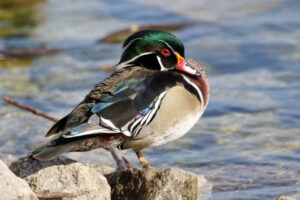
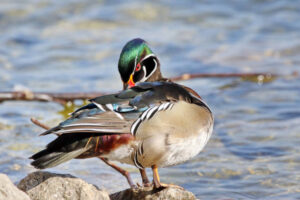
Furthermore, plumage genetics can be used in conservation programs to distinguish between purebred and hybrid individuals, particularly in habitats where interbreeding between wild and domestic ducks is a concern. Hybridization can lead to the dilution of native genetic traits, potentially compromising the long-term survival of wild populations. By analyzing plumage-related genetic markers, researchers can assess the extent of hybridization and implement strategies to prevent further genetic erosion. This is especially important for species with unique plumage patterns, such as the Wood Duck or Mandarin Duck, where specific color variations are not only visually distinctive but also play a role in species recognition and mating behaviors.
In both commercial and conservation contexts, the application of plumage genetics allows for informed breeding decisions that enhance productivity while preserving the genetic integrity of duck populations. By leveraging the principles of inheritance and selective breeding, poultry farmers and conservationists can work together to ensure the sustainable development of duck breeds, balancing economic considerations with the ethical responsibility of protecting genetic diversity in avian species.
Comparing the Genetic Basis of Plumage in Ducks and Chickens
While the principles of plumage genetics are similar between ducks and chickens, there are notable differences in the mechanisms that govern coloration and pattern expression in the two species. Both birds inherit their plumage traits through Mendelian inheritance, where dominant and recessive alleles determine the expression of specific colors and patterns. However, the genetic foundation for these traits can vary significantly, particularly in the number and influence of genes affecting pigmentation. One of the most prominent distinctions is the presence of sex-linked plumage traits, which are particularly well-documented in chickens but show different patterns in ducks.
In chickens, sex-linked inheritance plays a major role in plumage coloration, with certain traits such as barring and silvering being regulated by genes on the sex chromosomes. For example, the barring pattern found in breeds like the Plymouth Rock is controlled by a sex-linked recessive gene (Bo), which creates alternating black and white feather bands. Because this gene is located on the Z chromosome, the barring pattern is more commonly and prominently expressed in male chickens, as they have one Z and one W chromosome, while females, being homogametic, have two Z chromosomes. This genetic mechanism is not as extensively observed in ducks, where sex-linked plumage traits appear to be relatively rare, and barring or checkered patterns are often influenced by a combination of autosomal and sex-linked factors. In some duck breeds, such as the Ancona, the barring pattern is indeed sex-linked, but the inheritance and expression patterns do not follow the same rules as in chickens, largely due to differences in the genetic architecture of plumage development.
Another distinction between ducks and chickens lies in the distribution and genetic control of melanin, which is responsible for black and brown coloration. In chickens, the extension locus (E/e) is a critical genetic factor that determines whether the bird will exhibit a wide range of black-based plumage colors or a lighter, recessive white trait. The interaction of the extension gene with other modifiers, such as the recessive red gene and the silver gene, leads to a vast array of color variations. Ducks, on the other hand, have a more complex system in which multiple extension alleles interact differently. The E locus in ducks is influenced by a broader range of modifier genes, leading to a greater diversity of color expressions within the same genetic framework. Moreover, structural coloration—rather than pigment-based coloration—plays a more significant role in certain duck species, such as the Mallard, where the green head color is the result of microscopic feather structures rather than melanin distribution. This structural coloration is less prevalent in chickens, where most color variations are primarily driven by pigment-based genetics.
The genetic control of white plumage also differs between the two species. In chickens, the recessive white gene (I) is a well-defined and relatively straightforward mechanism that suppresses melanin production
Add comment