
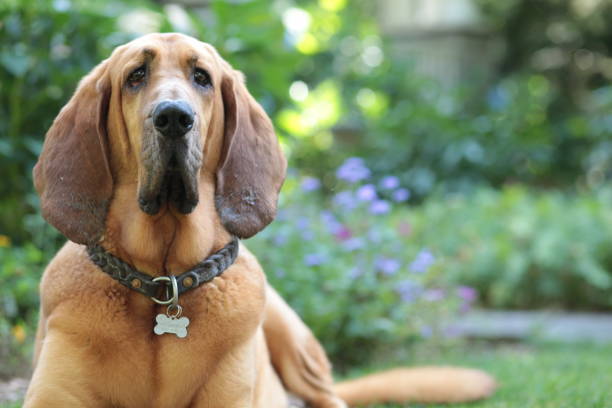
It’s wonderful that you’re focusing on gentle exercise for your aging canine companion! As our dogs get older, their bodies change, and their exercise needs shift. Providing the right kind of physical activity can significantly improve their quality of life, manage pain, maintain mobility, and keep their minds sharp.
This guide will delve into what constitutes gentle exercise for senior dogs, why it’s so important, and what specific activities are best suited for them.
Why Gentle Exercise is Crucial for Aging Canines
As dogs age, they often experience conditions that affect their comfort and mobility, such as:
- Arthritis and Joint Pain: This is perhaps the most common concern. Stiff, painful joints make it difficult for dogs to move, leading to reduced exercise and a vicious cycle of further decline.
- Decreased Muscle Mass (Sarcopenia): Like humans, dogs lose muscle tone as they age. This can impact their strength, balance, and overall ability to move.
- Cardiovascular and Respiratory Changes: Older dogs may have less stamina and be more prone to fatigue. Their hearts and lungs might not be as efficient.
- Cognitive Dysfunction (Canine Alzheimer’s): Mental stimulation is as important as physical activity for cognitive health.
- Weight Management Issues: A decrease in activity coupled with a slower metabolism can lead to weight gain, which further exacerbates joint pain and other health problems.
- Reduced Vision or Hearing: These sensory impairments can affect their confidence and ability to navigate safely during exercise.
Gentle exercise addresses these issues by:
- Maintaining Joint Health: Low-impact movements help lubricate joints, strengthen supporting muscles, and reduce stiffness.
- Preserving Muscle Mass: Regular, appropriate exercise helps slow down the loss of muscle.
- Improving Cardiovascular Health: Even moderate activity can benefit a senior dog’s heart and lungs.
- Boosting Mood and Mental Well-being: Exercise releases endorphins, which can help alleviate anxiety and depression, common in older dogs.
- Providing Mental Stimulation: New environments, smells, and interactions during exercise keep their minds engaged.
- Aiding in Weight Management: Burning calories helps prevent or manage obesity.
- Enhancing Balance and Coordination: Exercises that challenge their balance can prevent falls and injuries.
Key Principles of Gentle Exercise for Senior Dogs
Before diving into specific activities, it’s vital to understand the underlying principles:
- Consult Your Veterinarian FIRST: This is non-negotiable. Your vet knows your dog’s specific health history, any underlying conditions (like heart disease, kidney issues, or specific orthopedic problems), and can recommend exercises that are safe and beneficial. They can also advise on pain management, which is crucial for making exercise comfortable.
- Listen to Your Dog: Their body language is your guide. Signs of fatigue, pain, or discomfort (limping, lagging behind, panting excessively, reluctance to move, whining) mean it’s time to stop or modify the activity.
- Start Slow and Gradually Increase: Begin with short durations and low intensity. Slowly increase the time or intensity as your dog builds stamina and comfort.
- Consistency Over Intensity: Shorter, more frequent sessions are generally better than one long, strenuous outing. Aim for daily or near-daily activity.
- Warm-up and Cool-down: Just like human athletes, seniors benefit from a gentle warm-up (a few minutes of slow walking) before more active periods and a cool-down (another few minutes of slow walking) afterward.
- Avoid High-Impact Activities: No jumping, sudden sprints, or jarring movements.
- Be Mindful of the Environment:
- Temperature: Avoid extremes of heat or cold, which can be harder on older dogs.
- Terrain: Opt for softer surfaces like grass or sand over hard pavement, which is less jarring on joints. Be cautious of slippery floors indoors.
- Pace: Match your pace to your dog’s, not the other way around.
- Consider Their Physical Limitations: If a dog has vision loss, keep them on-leash in safe areas. If they have hearing loss, use visual cues. If they have orthopedic issues, be extra cautious.
Recommended Gentle Exercises for Aging Canines
Here are some excellent options for gentle exercise for your senior dog:
1. Leash Walking
This is the cornerstone of senior dog exercise. It’s adaptable, controllable, and provides mental stimulation.
- Frequency & Duration: Aim for 1-3 shorter walks per day (10-20 minutes each), depending on your dog’s stamina.
- Pace: Keep it at a comfortable, leisurely pace. Let your dog sniff and explore – this is mental enrichment!
- Terrain: Prioritize grassy parks, trails, or quiet neighborhood streets. Avoid steep hills or rough terrain if your dog has mobility issues.
- Observation: Watch for signs of fatigue. If they start to lag, have a shorter walk next time.
- Hydration: Always carry water for your dog, especially on warmer days.
- Harness vs. Collar: A well-fitting harness can be more comfortable and provide better control for dogs with neck or back issues.
2. Swimming and Hydrotherapy
Water is a miracle medium for senior dogs, offering buoyancy and resistance without impact.
- Benefits: Excellent for building muscle, improving cardiovascular health, and reducing joint pain. It’s also very effective for rehabilitation.
- Options:
- Natural Bodies of Water: Lakes, calm rivers, or dog-friendly beaches (ensure safe entry/exit and no strong currents).
- Swimming Pools: Some dog-friendly pools or dedicated hydrotherapy centers are available.
- Tubs/Kiddie Pools: For very frail dogs, a shallow pool with a ramp can allow gentle movement.
- Safety: Always supervise your dog closely. Use a life vest if they are not a strong swimmer or if you’re in open water. Ensure they can easily get in and out. Start with short sessions.
- Professional Hydrotherapy: For dogs with significant mobility issues or in rehabilitation, a certified canine hydrotherapist can guide them through controlled exercises in a pool with underwater treadmills.
3. Gentle “Fetch” or Ball Retrieval (Modified)
Forget long-distance sprints! This can be adapted for seniors.
- How to Adapt:
- Short Distances: Roll the ball or toss it just a few feet away.
- Soft Surfaces: Use grass to cushion landings.
- Low-Impact: Encourage a gentle trot or walk back.
- No Jumping: Discourage any leaping for the ball.
- Focus on Engagement: It’s more about the interaction and gentle movement than speed.
- Alternatives: Instead of a ball, try a soft toy they can easily pick up.
4. Slow-Paced “Tug-of-War”
This can be a fun, low-impact way to engage muscles and provide interaction.
- How to Play: Use a soft rope toy. Let your dog gently tug and pull. Keep the tension light and avoid jerky movements. Crucially, always let your dog “win” at times to keep it fun and positive.
- Caution: If your dog has neck or back issues, or is prone to dental problems, this might not be suitable.
5. Canine Massage and Gentle Stretching
While not strictly “exercise,” these are vital for maintaining suppleness and relieving discomfort.
- Benefits: Improves circulation, reduces muscle tension, increases flexibility, and strengthens the bond between you.
- Technique: Learn basic canine massage strokes from a certified professional or reputable online resources. Focus on gentle kneading and stroking.
- Stretching: Gently extend limbs in a natural range of motion. Never force a stretch. If your dog resists, stop.
- Professional Help: Consider a certified canine massage therapist or a veterinary physical therapist for guidance.
6. Indoor Exercises and Games
For days when outdoor excursions are limited or not feasible:
- Puzzle Toys: These engage their minds and can involve gentle physical movement to retrieve treats.
- Simple Obstacle Courses: Using cushions or low thresholds to step over (very low!) can help with balance and coordination.
- “Find It” Games: Hide a treat or favorite toy in a room and encourage them to sniff it out.
- Slow Dancing/Gentle Promenade: With your dog standing, gently sway side-to-side or take slow, deliberate steps together.
7. Agility (Modified & Extremely Gentle)
While traditional agility is too strenuous, a “senior-friendly” version is possible.
- Low Jumps: Use very low jumps (just inches off the ground) or have them walk over them.
- Tunnels: Crawling through a low, wide tunnel can be fun and engaging, especially for dogs who enjoy it.
- Weave Poles (Wide Spacing): If your dog has good hind-end strength and balance, wide-spaced weave poles can encourage controlled movement.
- Focus on Fun: This is about keeping them engaged and moving in a controlled way, not about speed or competition. Consult your vet and a professional trainer experienced with senior dogs if considering this.
What to Avoid
- High-Impact Activities: Jumping over obstacles, long-distance running, playing roughhousing with younger, energetic dogs.
- Sudden Stops and Starts: These can strain joints.
- Exercising on Slippery Surfaces: This increases the risk of falls and injuries.
- Overexertion: Pushing your dog beyond their capabilities can cause pain and health problems.
- Exercising in Extreme Weather: Heatstroke or hypothermia are serious risks for seniors.
- Ignoring Pain: If your dog shows signs of pain, stop the activity and consult your veterinarian.
Creating a Personalized Exercise Plan
- Vet Consultation: Discuss your dog’s health, any concerns, and get recommendations for exercise types and frequency.
- Assess Current Fitness: Start with what they can comfortably do now.
- Choose Activities: Select a few of the recommended gentle exercises that best suit your dog’s personality and physical condition.
- Create a Schedule: Plan for short, frequent sessions.
- Monitor and Adjust: Pay close attention to your dog’s response. If they seem to enjoy an activity and it doesn’t cause them pain, gradually increase the duration or frequency. If they show signs of discomfort, reduce or stop that activity and consult your vet.
- Be Patient and Positive: It’s about maintaining their well-being and quality of life. Celebrate small improvements!
Gentle exercise is a cornerstone of geriatric veterinary care. By providing your aging dog with appropriate, consistent, and enjoyable physical activity, you are significantly contributing to their comfort, health, and happiness in their golden years.







Add comment