
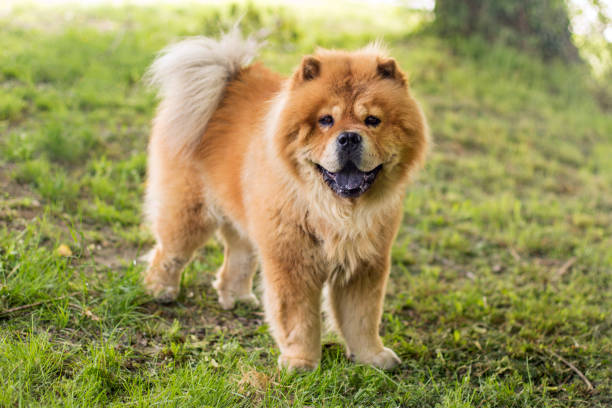
It’s wonderful that you’re looking for ways to keep your dog active and engaged while being mindful of their health concerns. Gentle hiking alternatives can offer significant physical and mental benefits without exacerbating existing conditions.
This comprehensive guide will explore a range of activities, considerations, and strategies to help you find the perfect fit for your canine companion.
Understanding Your Dog’s Health Concerns: The Foundation
Before embarking on any new activity, the absolute first step is to have a thorough conversation with your veterinarian. They are your best resource for understanding:
- The specific health condition(s): What are the underlying issues? (e.g., arthritis, hip dysplasia, heart conditions, respiratory problems, vision impairment, age-related degeneration, neurological disorders).
- Severity and progression: How advanced is the condition? Is it stable or worsening?
- Recommended activity levels: What are the veterinarian’s guidelines on duration, intensity, and frequency of exercise?
- Contraindications: Are there any movements, terrains, or environmental factors to strictly avoid?
- Pain management: How is your dog’s pain being managed, and how might activity impact it? Are there any pre-activity or post-activity recommendations for pain relief?
- Prognosis and long-term care: How might exercise fit into their overall long-term health plan?
Be prepared to describe your dog’s typical behavior, energy levels, and any specific limitations you’ve observed. Taking notes during your vet appointment can be very helpful.
Key Principles for Gentle Exercise with Health Concerns
Regardless of the specific activity you choose, keep these principles in mind:
- Slow and Steady Wins the Race: Gradually increase duration and intensity. Don’t push your dog to their limit.
- Listen to Your Dog: Pay close attention to their body language. Panting heavily, lagging behind, limping, reluctance to move, or seeking rest are all signs they’ve had enough.
- Warm-up and Cool-down: Just like humans, dogs benefit from gentle movement before and after exercise to prepare their muscles and aid recovery.
- Environmental Awareness: Consider the weather (heat, cold, humidity), the terrain (slippery, uneven, rocky), and the presence of other animals or distractions.
- Hydration is Crucial: Always have fresh water available, especially during and after activity.
- Comfort is King: Ensure your dog has appropriate gear if needed (e.g., supportive harness, booties for sensitive paws).
- Mental Stimulation is as Important: Don’t underestimate the power of engaging their mind. Many gentle activities also provide this.
- Consistency over Intensity: Regular, short periods of appropriate exercise are more beneficial than infrequent, strenuous ones.
Gentle Hiking Alternatives: A Spectrum of Options
Here’s a breakdown of gentle hiking alternatives, categorized for clarity. Remember to adapt these to your dog’s specific needs and your veterinarian’s recommendations.
1. Modified Walks & “Sniff Safaris”
These are the most accessible and adaptable options, focusing on shorter durations, flatter terrain, and prioritizing mental engagement.
- Shorter, More Frequent Walks: Break up longer walks into multiple shorter outings throughout the day. This is particularly helpful for dogs with joint pain or energy limitations.
- Flat, Paved Paths: Choose parks, quiet residential streets, or well-maintained walking trails with minimal inclines and smooth surfaces.
- “Sniff Safaris”: Allow your dog ample time to explore scents. This engages their natural instincts and provides mental enrichment. Let them linger, sniff, and investigate. Don’t rush them from one spot to the next.
- Slow-Paced Wandering: Focus on a relaxed pace where your dog can comfortably walk without feeling pressured to keep up.
- Indoor Walks (Weather Permitting): Large, pet-friendly indoor shopping malls (check policies first!) or even long hallways in a safe building can provide a change of scenery and gentle movement.
2. Water-Based Activities
Water can be incredibly therapeutic for dogs, especially those with joint issues, as it reduces stress on their bodies.
- Swimming (Supervised): If your dog enjoys water and you have access to a safe, clean body of water (lake, calm river, pet-friendly pool), supervised swimming is excellent low-impact exercise.
- Safety First: Always supervise closely. Use a dog life vest for added safety, especially if your dog is not a strong swimmer or has health concerns.
- Gradual Introduction: Start in shallow water and gradually increase depth and duration.
- Avoid Cold Water: Be mindful of water temperature, as it can exacerbate certain conditions.
- Rinse Off: Thoroughly rinse your dog with fresh water after swimming to remove chlorine or salt.
- “Paddling” in Shallow Water: Even wading in shallow streams or the edge of a lake can be beneficial and enjoyable.
- Water Aerobics (with professional guidance): Some canine rehabilitation facilities offer supervised water aerobics classes, which can be highly beneficial for specific conditions.
3. Scent Work & Nose Games (Low Impact)
These activities provide immense mental stimulation and can tire a dog out as effectively as physical exercise, with minimal physical exertion.
- Indoor Scent Games: Hide treats or their favorite toy around the house and encourage your dog to find them. Start with easy hiding spots and gradually make them more challenging.
- “Find It” with a Leash: In a safe, enclosed outdoor area, have your dog stay while you hide a treat a short distance away. Then release them with a “Find it!” command.
- Scent Trails: Create a simple scent trail in your yard or a safe, familiar area using their favorite treats or toys.
- Puzzle Toys: Interactive puzzle feeders and treat-dispensing toys provide mental challenges and can be done at their own pace.
4. Gentle Agility & Movement Exercises (Controlled)
These are more structured activities that require careful consideration and often professional guidance.
- Low-Level Cavaletti (with professional guidance): This involves walking over small, low obstacles (like pool noodles or very low bars) to encourage controlled limb movement and proprioception. This should absolutely be introduced and supervised by a canine physical therapist.
- Balance Exercises (with professional guidance): Using wobble boards or other balance equipment can improve core strength and stability. Again, professional guidance is essential to ensure safety and proper execution.
- Controlled “Weaving” (Low Level): Gently weaving through a few widely spaced cones or poles can encourage controlled body movement.
- Gentle Strength Building: Involves controlled movements that build specific muscle groups. This is best prescribed by a canine rehabilitation therapist. Examples might include encouraging controlled turns or standing for short periods on a slightly unstable surface (under supervision).
5. Socialization in Controlled Environments
While not strictly “hiking,” controlled social interactions can provide mental enrichment and a change of pace.
- One-on-One Playdates: Arrange for your dog to play with a known, calm, and gentle canine friend in a familiar, safe space.
- Quiet Dog Parks (during off-peak hours): If your dog enjoys other dogs and their health allows for short bursts of interaction, visit a dog park during very quiet times. Observe keenly for any signs of overexertion or stress.
- Doggy Daycare (with careful selection): If you choose a daycare, ensure they have separate playgroups based on size and temperament, and that they are vigilant about monitoring the health and energy levels of their clients. Discuss your dog’s specific needs with the staff.
Important Considerations for Specific Health Concerns:
- Arthritis/Joint Pain (Hip Dysplasia, Degenerative Joint Disease):
- Focus: Low-impact, smooth surfaces, short durations, regular short walks, swimming.
- Avoid: Jumping, running, steep inclines/declines, slippery surfaces, prolonged standing.
- Support: Consider a supportive harness for walks.
- Cardiovascular Issues:
- Focus: Gradual increase in activity, monitoring breathing and stamina, short, consistent walks.
- Avoid: Strenuous activity, hot weather, overexertion.
- Consult: Strict adherence to veterinary recommendations is paramount.
- Respiratory Conditions (e.g., Brachycephalic breeds):
- Focus: Cool temperatures, short walks, plenty of rest breaks, shallow water activities.
- Avoid: Strenuous activity, hot and humid weather, tight collars.
- Support: A well-fitting harness is crucial.
- Vision Impairment:
- Focus: Familiar environments, clear paths, verbal cues, scent enrichment.
- Avoid: Unfamiliar or cluttered terrain, busy areas with lots of stimuli.
- Support: Leash guidance is essential.
- Age-Related Degeneration/Weakness:
- Focus: Shorter, more frequent walks, comfortable surfaces, mental stimulation.
- Avoid: Anything that causes fatigue or pain. Slow and steady is key.
- Support: Consider supportive harnesses or slings if needed.
- Neurological Conditions:
- Focus: Tailored exercises as prescribed by your vet or a canine rehabilitation therapist. Consistency and stability are often key.
- Avoid: Anything that could lead to falls or injury.
- Support: Professional guidance is crucial.
Tools and Aids to Enhance Gentle Hiking Alternatives:
- Supportive Harnesses: A good harness can distribute pressure evenly, provide better control, and assist with lifting if needed.
- Booties: Protect sensitive paws from rough terrain, hot pavement, or cold surfaces.
- Life Vests: Essential for swimming safety.
- Slings/Assist Devices: For dogs with significant mobility issues, a sling can help support their hindquarters during walks.
- Long Leash: Allows for more freedom to explore within safe parameters.
- High-Value Treats: For encouragement and reward during scent games.
- Favorite Toys: For motivation and enrichment.
Creating a “Gentle Hiking” Plan:
- Consult Your Veterinarian: This is your non-negotiable first step.
- Assess Your Dog’s Current Abilities: Be realistic about their limitations.
- Choose Suitable Activities: Select from the alternatives that best match your dog’s condition and preferences.
- Start Slow and Short: Begin with very brief sessions.
- Gradually Increase Duration/Intensity: If your dog tolerates an activity well, slowly build up over days or weeks.
- Monitor Closely: Observe for any signs of discomfort, fatigue, or injury.
- Be Flexible: Some days your dog will have more energy than others. Adjust accordingly.
- Focus on Enjoyment: The goal is to enrich your dog’s life and maintain their well-being.
By understanding your dog’s unique needs and exploring these gentle alternatives, you can continue to provide them with fulfilling experiences, strengthen your bond, and support their health and happiness for years to come.






Add comment