
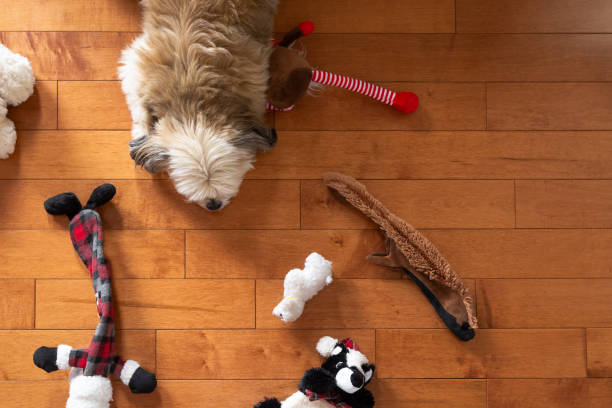
In today’s fast‑paced world many dog owners live in apartments, condos, or homes without a safe, fenced yard. Yet the canine instinct to chase, jump, weave, and solve problems never fades. Indoor agility offers a low‑impact, mentally stimulating, and bond‑strengthening outlet that can be set up in any living‑room, hallway, or basement.
Unlike high‑intensity outdoor competitions, a “gentle” indoor course focuses on controlled movements, safety, and enjoyment, making it perfect for puppies, senior dogs, or dogs recovering from injury. This guide walks you through every step—from choosing the right equipment to designing a custom course, teaching cues, troubleshooting common issues, and keeping the fun fresh for years to come.
2. Core Benefits of Gentle Indoor Agility
| Benefit | How It Helps Your Dog | How It Helps You |
|---|---|---|
| Physical Exercise | Improves muscle tone, coordination, and cardiovascular health without the hard impact of outdoor jumps. | Reduces excess energy, helping calm a hyperactive dog. |
| Mental Stimulation | Problem‑solving to navigate tunnels, weave poles, and balance beams. | Boosts your dog’s confidence and reduces boredom‑related behaviors. |
| Bonding & Trust | Shared challenges deepen the human‑dog partnership. | Gives you structured quality time, reinforcing obedience cues. |
| Weight Management | Burns calories, aids in maintaining a healthy body condition score. | Prevents obesity‑related vet visits and expenses. |
| Rehabilitation & Mobility | Low‑impact movements can aid in post‑surgery recovery or arthritis management when supervised. | Provides a safe, measured way to keep a recovering pet active. |
3. Safety First – The Golden Rules
- Assess the Space
- Minimum clearance: 6‑ft wide, 8‑ft long, and 7‑ft high for most obstacles.
- Remove breakable items, secure loose cords, and use non‑slip mats on polished floors.
- Choose Dog‑Friendly Materials
- Soft‑foam or rubber bases, PVC or lightweight wood for frames, and fabric tunnels.
- Avoid sharp edges, splintery wood, or metal that can dent paws.
- Inspect Regularly
- Check bolts, Velcro, and stitching before each session. Replace any worn parts immediately.
- Know Your Dog’s Limits
- Start with short, low‑intensity bouts (5‑10 minutes) and watch for signs of fatigue, stress, or pain.
- Keep a first‑aid kit, water bowl, and a calm “off‑ramp” (quiet area) nearby.
- Supervise At All Times
- Even the calmest dog can misjudge a jump or become over‑excited. Stay within arm’s reach during the first weeks.
4. Essential Equipment – What to Buy, What to DIY
| Equipment | Recommended Specs | DIY Alternatives |
|---|---|---|
| Tunnels | Collapsible, 24‑in diameter, 6‑ft long, lightweight fabric with a rubberized base. | Use a large cardboard box, cut both ends open, and line with a yoga mat. |
| Weave Poles | Set of 6–8 PVC poles, 1‑ft apart, 24‑in high, with weighted bases. | Insert broomsticks into sand‑filled buckets; space them with painter’s tape. |
| Low Jump/Step | Adjustable height (2‑in to 6‑in), rubber pads for paws. | Stack sturdy acrylic or wooden boards; secure with non‑slip mat. |
| Balance Beam | 2‑ft long, 4‑in wide, foam‑covered edges, height ≤ 4‑in. | Use a 2‑ft piece of plywood sandwiched between foam mats. |
| Target Platforms | Small raised circles (12‑in diameter) with non‑slip surface. | Place a yoga block topped with a rubber mat. |
| Treat Dispenser/Clicker | Clicker for marking behavior; treat pouch for quick rewards. | Use a small plastic bottle cap as a clicker; keep treats in a palm‑sized bag. |
| Safety Mats | Interlocking foam tiles (½‑in thick) covering the entire course area. | Lay down yoga or exercise mats, overlapping edges. |
Budget Tip: Many agility obstacles can be repurposed from children’s play equipment (e.g., low plastic tunnels, foam blocks). Look in thrift stores or online marketplaces for “up‑cycle” deals.
5. Designing Your First Gentle Indoor Course
5.1. Layout Planning
- Sketch a Rough Map – Use graph paper or a free floor‑plan app (RoomSketcher, Planner 5D).
- Create Flow – Dogs should move smoothly from one obstacle to the next without needing to backtrack. A simple “U‑shape” or “figure‑8” works well.
- Spacing – Leave at least 2‑ft clearance between obstacles to prevent accidental collisions.
5.2. Example Beginner Course (≈ 30‑sq‑ft)
| Order | Obstacle | Length/Height | Purpose |
|---|---|---|---|
| 1 | Start Line (tape or mat) | – | Cue for “Begin”. |
| 2 | Tunnel (6 ft) | Low‑profile | Encourages confidence in enclosed spaces. |
| 3 | Weave Poles (6) | 24‑in high | Improves coordination. |
| 4 | Low Jump (4‑in) | Adjustable | Gentle proprioception training. |
| 5 | Balance Beam (2 ft) | 2‑in high | Core stability. |
| 6 | Target Platform (12‑in) | 2‑in high | “Sit/Stay” finish cue. |
| 7 | Exit Line | – | Cue for “Finish”. |
5.3. Scaling Up
- Intermediate: Add a second tunnel, higher jumps (up to 8‑in), or a small “see‑saw” (pivot board).
- Advanced (but still gentle): Include a “pause table” (slight elevation for a 5‑second hold) and a “turn‑around” cone series.
Remember: The goal is progressive challenge, not overwhelming difficulty.
6. Foundations of Training – The “Gentle” Approach
6.1. Choose a Positive Reinforcement System
- Click‑Mark‑Treat: Click the moment the desired behavior occurs, then give a high‑value treat (e.g., freeze‑dried liver).
- Variable‑Ratio Rewards: After the dog learns the pattern, shift to intermittent treats, using praise and petting as primary rewards.
6.2. Break Down Each Obstacle
| Obstacle | Step‑by‑Step Cue | Teaching Method |
|---|---|---|
| Tunnel | “Go in” → “Come out” | Use a treat lure inside, gradually fade the lure. |
| Weave Poles | “Weave left/right” | Start with a “guide pole” and lure the dog through one gap, then add more. |
| Low Jump | “Jump” | Place a treat on the other side, gradually raise the bar a few inches each session. |
| Balance Beam | “Walk” | Start with the beam on the floor, then raise a few inches once confidence builds. |
| Target Platform | “Sit” or “Place” | Teach “place” on a mat, then transition to the platform. |
6.3. Session Structure
| Phase | Duration | Focus |
|---|---|---|
| Warm‑up | 3‑5 min | Light leash walk, basic sit/stay, stretch. |
| Skill Introduction | 5‑10 min | One new obstacle or a new cue. |
| Circuit Practice | 10‑15 min | Run through the entire (or partial) course. |
| Cool‑down | 3‑5 min | Slow walking, gentle petting, hydration. |
Tip: Keep total session time under 20 minutes for most dogs, especially puppies or seniors.
7. Teaching Each Obstacle in Detail
7.1. The Tunnel – From Fear to Fun
- Explore the Entrance – Let the dog sniff the tunnel mouth without pressure. Reward curiosity.
- Partial Entry – Prop the tunnel open at a 45° angle; lure the nose inside with a treat. Click and reward once any part of the body is inside.
- Full Passage – Gradually straighten the tunnel, keep treats at the far exit, and encourage a “run through.”
- Add a Cue – Once the dog reliably runs through, pair a verbal cue (“Tunnel!”) or hand signal (point forward).
Common Issue: Some dogs become startled if the tunnel is too dark. Use a soft LED strip or a dim lamp inside to provide gentle illumination.
7.2. Weave Poles – Building Rhythm
- Mark a Start Position – Use a small rug or mat.
- Guide the First Gap – Place a treat on the opposite side of the first pole. As the dog reaches the treat, gently guide them around the pole with a hand‑over‑shoulder cue. Click and reward.
- Chain Gaps – Add a second pole, rewarding the dog for completing the first, then the second.
- Fade the Treats – Shift from treat‑lured weaves to a “follow‑me” cue, where you walk the line and the dog copies your movement.
Tip: Keep the poles no higher than the dog’s shoulder for a gentle course; this reduces risk of joint strain.
7.3. Low Jump – Confidence Building
- Set the Bar Low (2‑in) – Place a treat on the other side; encourage the dog to step over.
- Introduce a Verbal Cue (“Jump”) – Use the same cue each time and click as the front paws clear the bar.
- Gradually Raise – Increase height by 1‑in increments only after the dog clears the current height confidently.
- Add a “Landing” Cue – Teach “down” or “stay” after landing to reinforce a controlled finish.
Safety Note: Ensure the landing surface is soft (foam mat or rug). For dogs with arthritis, keep the height ≤ 4‑in and limit jumps to 2‑3 per session.
7.4. Balance Beam – Core Stability
- Floor‑Level Practice – Place the beam on the floor, walk alongside, and lure the dog across with a treat line.
- Low Elevation (1‑2 in) – Raise the beam slightly using folded towels or a low riser.
- Cue Introduction (“Walk”) – Use a consistent hand signal (open palm forward).
- Add Distractions – Light background music or a toy at the far end to encourage focus.
Troubleshooting: If the dog hesitates, widen the beam temporarily (use two narrower beams spaced 4‑in apart) and gradually narrow as confidence grows.
7.5. Target Platform – The “Finish Line”
- Teach “Place” on a Mat – Encourage the dog to sit or lie on a small rug, click, reward.
- Transfer to Platform – Move the mat onto the raised platform; keep the cue consistent.
- Add Duration – Gradually increase the “stay” time before clicking.
- Combine with “Exit” Cue – Once the dog holds the platform, cue “out” to release and reward again at the exit line.
Pro Tip: Use a different treat flavor for the final platform to make the finish extra rewarding.
8. Progression Strategies – Keeping the Course Fresh
| Stage | New Element | How to Introduce |
|---|---|---|
| Beginner | Simple linear course (5 obstacles) | Master each obstacle with high‑value treats. |
| Intermediate | Add a “pause table” (3‑sec hold) and a second tunnel | Combine two‑step cues (“Tunnel → Pause”). |
| Advanced Gentle | Introduce directional changes (right‑hand weave, left‑hand weave) and a light “see‑saw” pivot board | Practice each direction separately before linking. |
| Seasonal Fun | Holiday‑themed obstacles (e.g., “pumpkin tunnel”, “snowflake weave”) | Use themed fabric or safe décor; keep core mechanics unchanged. |
Periodization: Rotate the order of obstacles every 2‑3 weeks. Changing the sequence prevents the dog from memorizing a fixed pattern and forces them to stay mentally engaged.
9. Mental Enrichment – Beyond the Physical
- Scent Trails: Run a treat or a dab of essential‑oil‑free perfume through the course before the dog starts. The scent trail adds a sniffing component.
- Puzzle Integration: Place a simple puzzle feeder at the end of the tunnel; the dog must solve it to earn the final treat.
- Interactive Commands: Incorporate “watch me,” “leave it,” and “go to mat” throughout the run, turning the course into a full‑body obedience session.
10. Health Considerations & Special Populations
| Dog Type | Adjustments | Precautions |
|---|---|---|
| Puppies (≤ 6 mo) | Keep jumps ≤ 2‑in, short sessions, soft foam surfaces. | Avoid repetitive high‑impact moves; monitor growth plates. |
| Senior Dogs (≥ 8 yr) | Use low‑height jumps, no more than 3 obstacles per session, generous rest intervals. | Watch for arthritis flare‑ups; consult vet before starting. |
| Dogs with Orthopedic Issues | Focus on balance beams, weave poles (ground‑level), and low tunnels. | Use orthopedic dog beds for recovery; limit to 2‑3 sessions/week. |
| Overweight Dogs | Emphasize low‑impact walking obstacles (e.g., “step‑over” low hurdles). | Pair with an appropriate diet plan; increase session length gradually. |
| Dogs with Anxiety | Use calm voice, slow pacing, and a “safe zone” (a mat) for breaks. | Avoid loud noises or abrupt direction changes; reward calm behavior. |
Veterinary Clearance: Always obtain a vet’s go‑ahead if your dog has a known medical condition, especially before introducing jumps or balance work.
11. Common Challenges & How to Solve Them
| Problem | Likely Cause | Solution |
|---|---|---|
| Dog refuses to enter tunnel | Fear of confinement | Place a favorite toy inside, use a flashlight for gentle illumination, and keep the tunnel wide open initially. |
| Weave poles cause hesitation | Unclear cue or too tight spacing | Increase spacing to 18‑in, use a “guide pole” with a treat, and practice one pole at a time. |
| Dog slides off beam | Surface too slick | Cover beam with a rubberized mat or non‑slip shelf liner. |
| Jump bar knocks over | Bar not securely anchored | Use weighted bases or sandbags; double‑tape the bar to the base. |
| Dog loses focus after several obstacles | Fatigue or overstimulation | Insert a 30‑second “pause” on a soft mat, give water, and use calm praise before proceeding. |
| Over‑reliance on treats | Lack of intrinsic motivation | Gradually shift to intermittent food rewards; increase verbal praise and petting. |
12. Recording & Tracking Progress
- Training Journal – Note date, obstacles practiced, cues used, number of successful runs, and any signs of fatigue or discomfort.
- Video Feedback – Record a short 1‑minute clip of the dog navigating the course; review frame‑by‑frame to spot subtle posture issues.
- Goal Cards – Create laminated cards with specific objectives (“Weave 6 poles without hesitation”). Move the card to a “Completed” pile when achieved.
Tracking not only motivates you but also provides valuable data if you need to discuss a concern with a vet or professional trainer.
13. DIY Project Spotlight – Build Your Own “Fold‑Down” Agility Wall
Materials
- 4 × 2‑ft PVC pipes (for vertical supports)
- 2 × 4‑ft plywood board (for the base)
- Hinges (2 heavy‑duty)
- Velcro strips (for securing the board when folded)
- Foam padding (cut to board size)
Steps
- Attach hinges to one long edge of the plywood.
- Secure the opposite edge to two PVC supports standing upright on the floor.
- When folded up, the board creates a low wall (4‑in high) that the dog can jump over or climb onto.
- Add foam padding on top for comfort.
Why It’s Great: It provides a versatile obstacle that can be raised for a gentle jump or folded down for a “step‑up” exercise, all while using minimal space.
14. Frequently Asked Questions (FAQ)
Q1: How often should I run indoor agility sessions?
A: 3–4 times per week for 10–20 minutes each is ideal for most healthy adult dogs. Adjust frequency based on age, fitness, and enthusiasm.
Q2: Can I use a clicker if my dog isn’t clicker‑trained?
A: Yes! The clicker is simply a marker. Pair it with a treat the first few times you use it, and the dog will quickly learn its meaning.
Q3: What if my dog is shy or fearful of new equipment?
A: Introduce each obstacle gradually, allowing sniffing and exploration before any cues. Use high‑value treats and keep sessions short.
Q4: Is it okay to let my dog “play” on the course without structured training?
A: Absolutely. Free play can reinforce confidence. Just monitor for unsafe behavior (e.g., running out of the designated area).
Q5: How can I make the course safe for a multi‑dog household?
A: Run the course with one dog at a time, or use separate lanes if space permits. Ensure each dog’s equipment size matches its body weight and height.
Q6: My apartment has hardwood floors—will the mats protect them?
A: Interlocking foam tiles are perfect for hardwood; they prevent scratches and provide a cushioned surface for paws.
Q7: Can indoor agility replace outdoor exercise?
A: It can supplement but not fully replace. Outdoor walks provide fresh air, varied terrain, and socialization—essential for a well‑rounded canine lifestyle.
15. Resources & Further Reading
- Books:
- “Agility Training for Beginners” – Karen Pryor
- “The Canine Athlete” – Dr. Suzanne Johnson
- Online Courses:
- Karen Pryor Academy – Canine Sports Fundamentals (video modules on gentle agility).
- Udemy – Indoor Dog Agility for Small Spaces (step‑by‑step guides). - Community Groups:
- Facebook: “Indoor Agility Lovers” (global members sharing DIY ideas).
- Reddit: r/dogtraining (weekly “Agility Thread”). - Professional Help:
- Certified Professional Dog Trainers (CPDT‑K) in your area can provide a personalized assessment of your home setup.
16. Final Thoughts – Making Gentle Indoor Agility a Lifelong Adventure
Gentle indoor agility is more than a series of jumps and tunnels; it’s a holistic enrichment system that nurtures body, mind, and the deep bond you share with your canine companion. By starting with safe, low‑impact obstacles, using positive reinforcement, and gradually layering complexity, you create a dynamic playground that adapts as your dog ages, recovers, or simply seeks new challenges.
Remember: Patience, consistency, and joy are the three pillars of success. Celebrate each tiny “yes” and every wobble that turns into a confident stride. With the tools, designs, and training strategies outlined in this guide, you’re equipped to transform any modest living space into a thriving agility arena—one gentle step at a time.
Happy weaving, jumping, and bonding!
#IndoorDogAgility, #GentleAgility, #DIYDogCourse, #CanineFitness, #DogExerciseAtHome, #PositiveDogTraining, #ClickerTraining, #DogWeavePoles, #DogTunnelFun, #LowImpactAgility, #SeniorDogFitness, #PuppyAgility, #DogRehab, #DogMentalStimulation, #DogBonding, #HealthyPups, #DogTrainingTips, #DogAgilityDIY, #HomeDogGym, #AgilityForAll, #DogObedience, #DogHealth, #CanineWellness, #DogPlaytime, #PetFitness, #DogLife, #DogLovers, #FitDog, #DogTrainingCommunity, #DogAgilityCourse





Add comment