
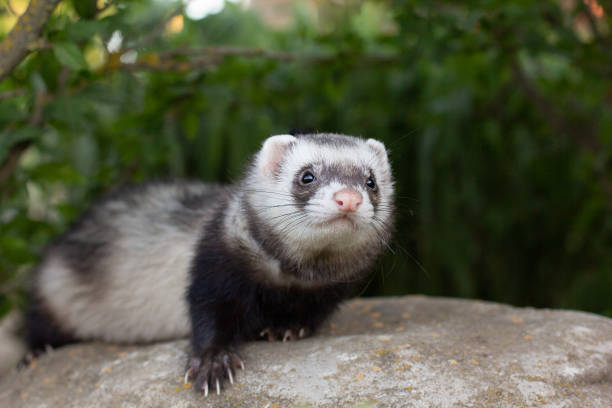
Ferrets, with their playful antics, curious natures, and boundless energy, capture the hearts of their owners from the moment they enter their lives. As these delightful mustelids age, typically entering their senior years around 3-4 years old and living an average of 5-8 years (though some can live into their double digits), their needs evolve. Just like humans and other pets, senior ferrets require a specialized approach to care that prioritizes their comfort, well-being, and continued engagement with the world around them. This comprehensive guide will delve deep into every aspect of geriatric ferret care, ensuring that their golden years are as comfortable, active, and joyful as possible.
I. Introduction: Embracing the Golden Years
The journey of caring for a ferret is filled with unique joys and challenges. As your beloved companion transitions into their senior years, you embark on a new, equally rewarding phase of pet ownership. This period demands increased vigilance, patience, and a proactive approach to their health and environment. While the boundless energy of their youth may wane, the bond you share with a senior ferret deepens, enriched by years of shared experiences.
The goal of geriatric ferret care is not merely to prolong life, but to enhance its quality. This means anticipating their changing needs, recognizing the subtle signs of aging, and adapting their care routine to support their physical and mental health. By providing appropriate veterinary attention, tailored nutrition, environmental modifications, and continued opportunities for gentle activity, we can help our senior ferrets thrive, maintaining their dignity and zest for life even as their bodies slow down. Understanding what constitutes “senior” for a ferret is crucial; generally, a ferret is considered senior from around 3-4 years of age, and geriatric from 5-6 years onwards. This distinction helps in understanding the progression of age-related changes and when to intensify preventative measures.
II. Recognizing the Signs of Aging: Early Detection is Key
The first step in effective geriatric care is recognizing when your ferret is aging. While some signs are obvious, others can be subtle and easily overlooked. Early detection of age-related changes or the onset of common senior ailments can significantly impact the effectiveness of interventions and improve your ferret’s quality of life. Regularly observing your ferret and being attuned to their baseline behavior is paramount.
A. Physical Changes:
- Coat and Skin: The once sleek, vibrant coat may become duller, thinner, or coarser. White hairs might appear, particularly around the muzzle and eyes. The skin can become drier, less elastic, and more prone to flaking or developing tumors. Lumps and bumps, both benign and malignant, become more common.
- Muscle Mass and Body Condition: Senior ferrets often lose muscle mass, especially along the spine and hindquarters, leading to a thinner, more angular appearance even if their weight stays stable or increases due to fat deposition. This can make them weaker and less agile. Conversely, some ferrets might gain weight due to decreased activity.
- Teeth: Dental wear and tear accumulate over years. You might notice yellowing, tartar buildup, broken teeth, or gum recession. Dental issues can lead to pain, difficulty eating, and systemic infections.
- Eyes: Cloudiness or a bluish haze (lenticular sclerosis) is common and usually doesn’t significantly impair vision. However, cataracts, which result in a denser, white opacity, can severely limit sight. Other signs might include discharge or redness.
- Ears: Hearing loss can occur, making them less responsive to sounds. Watch for excessive wax buildup or signs of discomfort which could indicate infection.
- Joints and Mobility: Stiffness, lameness, difficulty jumping, climbing, or even standing after rest are common indicators of arthritis or other joint pain. They may move more slowly, hesitate before navigating obstacles, or seem reluctant to play as vigorously.
- Digestive System: Changes in metabolism can affect digestion. They might experience more frequent episodes of vomiting, diarrhea, or constipation, indicating a need for dietary adjustments or investigation into underlying health issues.
B. Behavioral Changes:
- Activity Levels: A noticeable decrease in overall activity, longer and deeper sleep cycles, and less enthusiastic play are common. They may still have bursts of activity but recover more slowly.
- Sleep Patterns: Senior ferrets typically sleep more, and their sleep can be much deeper, sometimes making them difficult to rouse quickly. They might also sleep in different, more sheltered places.
- Appetite and Thirst: Fluctuations in appetite (either decreased or increased) or changes in thirst can signal underlying health problems like dental pain, kidney disease, or insulinoma.
- Litter Box Habits: Incontinence due to weakening muscles, arthritis making it difficult to enter a litter box, or cognitive decline can lead to accidents outside the designated area.
- Social Interaction: Some senior ferrets may become more withdrawn, less tolerant of other ferrets or human interaction, preferring quiet solitude. Others may become clingier, seeking more comfort.
- Vocalizations: Increased grumbling, chattering, or even crying might indicate pain, disorientation, or discomfort.
Understanding these changes is the first step. Documenting them can be helpful for your veterinarian, aiding in diagnosis and management.
III. Veterinary Care for the Senior Ferret: A Proactive Approach
Regular and proactive veterinary care is the cornerstone of managing a senior ferret’s health. While younger ferrets may visit the vet annually, senior ferrets often benefit from semi-annual (every 6 months) check-ups, even if they appear healthy.
A. Regular Geriatric Check-ups: These appointments are more thorough than routine vaccinations. Your ferret-savvy veterinarian will conduct a comprehensive physical examination, paying close attention to weight, body condition, dental health, joint mobility, heart and lung sounds, and the presence of any new lumps or bumps. They will discuss your ferret’s behavior at home, any changes you’ve observed, and their appetite and hydration.
B. Diagnostic Tools:
- Blood Work: Critical for senior ferrets. A Complete Blood Count (CBC) can detect anemia, infection, or inflammation. A chemistry panel assesses organ function (kidney, liver), blood sugar levels (crucial for insulinoma), and electrolytes. Regular blood work allows for baseline comparisons and early detection of subtle changes.
- Urinalysis: Helps detect kidney disease, urinary tract infections, and diabetes.
- Imaging: X-rays can identify arthritis, heart enlargement, or masses in the chest or abdomen. Ultrasound can provide detailed images of internal organs, crucial for diagnosing conditions like adrenal disease, pancreatic tumors (insulinoma), or other abdominal masses.
- Biopsies/Aspirates: If lumps or abnormal growths are found, your vet may recommend fine needle aspirates or biopsies to determine their nature (benign vs. malignant).
C. Common Geriatric Conditions and Their Management: Senior ferrets are prone to several specific health issues, many of which can be managed effectively with early diagnosis and ongoing treatment.
- Adrenal Disease: This is perhaps the most common ferret disease, often recurring or worsening with age. Symptoms include hair loss (starting at the tail, progressing upwards), thin skin, itchy skin, swollen vulva in females, prostate enlargement in males (causing urination difficulties), and muscle wasting. Treatment involves hormone therapy (Lupron injections, deslorelin implants) to manage symptoms and slow progression. Surgery to remove affected adrenal glands can be curative but is an option for certain cases.
- Insulinoma: A tumor of the pancreas that causes excessive insulin production, leading to dangerously low blood sugar (hypoglycemia). Symptoms include lethargy, weakness, drooling, pawing at the mouth, staring into space, muscle tremors, and seizures. Diagnosis is via blood glucose testing. Management includes dietary changes (frequent small meals, high protein/fat, low simple carbohydrates), medications (prednisone, diazoxide) to raise blood sugar, and sometimes surgery to remove the tumor (though recurrence is common).
- Lymphoma/Cancer: Lymphoma (cancer of the lymphatic system) is another prevalent cancer in ferrets, affecting various organs. Other cancers, such as mast cell tumors, fibrosarcomas, and squamous cell carcinomas, can also occur. Symptoms vary widely depending on the location of the tumor but can include lethargy, weight loss, vomiting, diarrhea, difficulty breathing, or visible lumps. Treatment options may include chemotherapy, radiation, surgery, or palliative care.
- Cardiomyopathy (Heart Disease): The heart muscle thickens (hypertrophic) or dilates (dilated), impairing its function. Signs include exercise intolerance, lethargy, coughing, difficulty breathing, and sometimes a distended abdomen (due to fluid retention). Diagnosis involves X-rays, ultrasound (echocardiogram), and sometimes an ECG. Treatment focuses on medications (diuretics, ACE inhibitors, pimobendan) to improve heart function and manage symptoms.
- Kidney Disease: The kidneys gradually lose their ability to filter waste. Symptoms are often subtle initially, including increased thirst and urination, weight loss, poor coat quality, and lethargy. Diagnosis through blood work (elevated BUN, creatinine) and urinalysis. Management involves diet modification (low protein, easily digestible), increased hydration, and medications to support kidney function.
- Dental Disease: Accumulation of plaque and tartar leads to gingivitis, periodontitis, and potentially tooth loss. Pain can prevent eating. Regular dental checks are vital. Professional dental cleanings under anesthesia, and extractions if necessary, can relieve pain and prevent further complications.
- Arthritis/Joint Pain: As ferrets age, their joints can degenerate, leading to pain and stiffness, most commonly in the spine and hips. Symptoms include reluctance to move, limping, difficulty jumping, and overall reduced activity. Pain management is crucial and may involve NSAIDs (non-steroidal anti-inflammatory drugs), gabapentin, tramadol, and joint supplements (glucosamine/chondroitin). Environmental modifications also play a significant role.
- Cataracts/Vision Impairment: While not painful, significant vision loss can impact a ferret’s navigation and confidence. Though surgery is rarely performed, environmental adaptations are necessary.
- Hearing Loss: Ferrets can experience age-related hearing loss. This usually doesn’t impact their quality of life significantly but requires owners to adapt how they communicate (e.g., using visual cues).
D. Importance of a Ferret-Savvy Vet: It cannot be overstated how critical it is to have a veterinarian experienced with ferrets. Their unique physiology and common diseases differ significantly from cats and dogs. A vet knowledgeable about ferrets will be able to diagnose conditions earlier, recommend appropriate treatments, and provide specialized advice for geriatric care.
E. Palliative Care Considerations: When curative treatments are no longer viable or desired, palliative care focuses on providing comfort and managing symptoms. This includes pain management, nutritional support, and maintaining hygiene, all aimed at ensuring the best possible quality of life for the ferret until their final moments.
IV. Nutritional Management for Senior Ferrets: Fueling Their Golden Years
Nutrition plays a vital role in maintaining the health and vitality of senior ferrets. Their metabolic needs change, and specific dietary adjustments can help manage weight, support organ function, and provide energy.
A. Dietary Needs: Senior ferrets often have reduced digestive efficiency and can lose muscle mass. Their diet should be rich in high-quality animal protein and fat, which are easily digestible. Many commercial ferret foods are formulated for all life stages, but some brands offer senior-specific formulas which can be beneficial. Look for kibble with at least 32-38% animal protein and 18-30% fat. Avoid foods with high levels of plant-based proteins, carbohydrates, or sugary treats, as these are difficult for a ferret’s short digestive tract to process and can exacerbate conditions like insulinoma.
B. Addressing Appetite Loss: Appetite can decrease due to dental pain, illness, or simply a slower metabolism.
- Palatable Foods: Offer “duck soup” (a blend of high-quality ferret kibble, a little water, and sometimes a small amount of meat baby food or a highly palatable ferret supplement like Carnivore Care) warmed slightly. Many ferrets find this irresistible.
- Critical Care Formulas: Products like Oxbow’s Carnivore Care are excellent for providing concentrated nutrition to sick or anorexic ferrets.
- Appetite Stimulants: Your vet may prescribe medications to stimulate appetite if underlying causes have been ruled out.
- Force-Feeding: In cases of severe anorexia, force-feeding small amounts of duck soup or critical care formula via a syringe may be necessary to prevent rapid deterioration. Teach your ferret to lick from the syringe to make this less stressful.
C. Hydration: Adequate hydration is critical for all ferrets, especially seniors, to support kidney function and overall health.
- Water Availability: Provide multiple sources of fresh, clean water (both heavy ceramic bowls and sipper bottles).
- Adding Water to Food: Mixing water with kibble or offering duck soup can increase fluid intake.
- Subcutaneous Fluids: For ferrets with kidney disease or chronic dehydration, your vet might teach you how to administer subcutaneous fluids at home.
D. Supplements:
- Glucosamine and Chondroitin: These joint supplements can help support cartilage health and reduce inflammation, beneficial for ferrets with arthritis. They are available in liquid or chewable forms.
- Omega Fatty Acids: Fish oil (omega-3s) can help reduce inflammation, support skin and coat health, and may have cognitive benefits. Ensure it’s a high-quality product formulated for pets.
- Probiotics: If digestive issues are present, a ferret-specific probiotic can help maintain gut flora balance.
- Multivitamins: While a balanced diet should provide most nutrients, a vet-approved multivitamin can be considered, especially for ferrets with poor appetites.
E. Managing Specific Conditions through Diet:
- Insulinoma: Ferrets with insulinoma require a diet high in protein and fat, with very low simple carbohydrates. Frequent small meals (4-6 times a day) help stabilize blood sugar.
- Kidney Disease: A veterinary-prescribed renal diet, lower in protein and phosphorus, might be recommended to reduce the workload on the kidneys.
- Dental Considerations: If your ferret has painful teeth, soften their kibble with water or switch to moist, ground foods like duck soup to make eating easier.
V. Environmental Modifications for Comfort and Safety: A Senior-Friendly Home
Creating a comfortable, safe, and easily navigable environment is crucial for senior ferrets. Their reduced mobility, strength, and sensory perception mean their living space needs to be adapted to their changing abilities.
A. Cage Setup:
- Single-Level or Ramped Access: Multi-level cages become challenging. Opt for a single-level cage or ensure all levels are easily accessible via ramps with good traction. If ramps are too steep, consider adding platforms or modifying them.
- Soft Bedding: Provide ample soft, warm bedding (old t-shirts, towels, soft blankets) for nesting and comfortable resting. Orthopedic pet beds can offer extra support for aching joints. Avoid loose bedding like cedar or pine shavings which can irritate respiratory systems.
- Easy-Access Food and Water: Place food and water bowls or bottles on the cage floor or lowest accessible level, where they are easy to reach without stretching or climbing.
- Temperature Control: Senior ferrets are more susceptible to temperature extremes. Ensure their cage is in a moderate temperature zone, away from direct sunlight, drafts, or extreme heat/cold. Provide extra blankets or a heated bed (designed for pets) during colder months.
B. Litter Box Accessibility:
- Low-Sided Boxes: Arthritis can make climbing into high-sided litter boxes difficult. Switch to low-sided litter pans or even flat sheets of newspaper in corners.
- Multiple Locations: Place several litter boxes around their play areas and in the cage to minimize the distance they need to travel, reducing the chance of accidents.
C. Floor Surfaces:
- Non-Slip Surfaces: Hardwood, tile, or laminate floors can be slippery and difficult for ferrets with weak legs or arthritis to navigate. Lay down rugs, carpet runners, or bath mats in their play areas to provide traction.
- Carpeted Areas: Provide soft, carpeted areas where they can explore and rest comfortably without fear of slipping.
D. Lighting:
- Accommodating Vision Changes: If your ferret has reduced vision, maintain consistent lighting. Avoid sudden bright lights or complete darkness. Keeping a night light on can help them navigate after dark.
- Clear Pathways: Remove clutter and obstacles from their regular pathways to prevent bumps and falls.
E. Enrichment and Safety:
- Safe Exploration: Continue to allow supervised free-roaming time, but ensure the area is completely “ferret-proofed” for a senior ferret. Block off stairs, dangerous furniture gaps, and areas where they could get stuck or fall.
- Removing Hazards: Small toys or objects that could be ingested become more dangerous if gut motility is compromised. Sharp edges should be cushioned.
- Accessibility to Favorite Spots: If your ferret enjoyed sleeping in a particular hammock or high perch, ensure there’s an easy, ramped way for them to access it. If they can no longer reach it, replace it with a comfortable, accessible alternative.
VI. Promoting Activity and Mental Stimulation: Keeping Their Minds and Bodies Engaged
While senior ferrets won’t have the boundless energy of their youth, maintaining appropriate activity and mental stimulation is vital for their physical health, muscle tone, and cognitive well-being. The key is adaptation and moderation.
A. Gentle Exercise:
- Short Play Sessions: Instead of long, vigorous play, opt for several shorter, gentler play sessions throughout the day. Follow your ferret’s lead – if they show signs of fatigue, let them rest.
- Supervised Roaming: Allow them supervised time to explore a familiar, senior-proofed area. This allows them to move at their own pace and sniff around, which is a natural ferret behavior.
- Ramps and Tunnels: Provide low, wide ramps and tunnels that are easy to navigate. Tunnels are a great way to encourage movement in a safe, enclosed space.
B. Types of Toys:
- Soft and Easy to Grasp: Choose soft fabric toys, crinkle balls, or lightweight plastic balls that are easy for them to pick up and carry.
- Quiet Toys: As hearing may decline, toys that make gentle rustling or crinkling sounds can still be engaging. Avoid overly loud toys that might startle them.
- Puzzle Toys: Simple puzzle toys where treats can be hidden can provide mental stimulation without requiring much physical exertion.
C. Scent Enrichment:
- Hiding Treats: Hide small, favorite treats around their play area or in simple puzzle toys. This encourages sniffing and gentle exploration.
- Safe Smells: Introduce new, safe scents (e.g., a clean, scented blanket, a natural herb sachet outside their cage) to stimulate their sense of smell.
D. Human Interaction:
- Cuddling and Gentle Petting: Senior ferrets often appreciate quiet, gentle interaction. Cuddling, lap time, and soft petting can provide comfort and reinforce your bond.
- Talking: Softly talking to your ferret, even if their hearing is diminished, can be soothing and reassuring.
- Brushing: Gentle brushing not only helps with grooming but can also be a bonding experience and stimulate circulation.
E. Avoiding Over-Exertion: It’s crucial to be mindful of your ferret’s energy levels. Push them too hard, and you risk injury or exacerbating existing conditions. Always allow them to rest when they choose. Signs of over-exertion include heavy panting, extreme lethargy, or reluctance to move.
F. Adapting Play to Physical Limitations: If your ferret has limited vision, rely more on sound and smell for engagement. If they have severe arthritis, focus on stationary toys or gentle massage during play. The goal is to keep them engaged, not to make them perform like a young ferret.
G. “Sniffari” Walks: If your ferret is accustomed to wearing a harness and leash, and weather conditions are mild, short “sniffari” walks in a safe, quiet outdoor area can be wonderfully enriching. Allow them to explore at their own pace, focusing on their sense of smell. Always be vigilant for predators and diseases from other animals.
VII. Daily Care and Hygiene: Maintaining Comfort and Cleanliness
Regular daily care contributes significantly to a senior ferret’s comfort and prevents secondary issues often seen in less mobile animals.
A. Grooming:
- Gentle Brushing: Daily or every other day brushing with a soft brush helps remove loose fur, prevents matting (especially in longer-haired ferrets), stimulates circulation, and allows you to check for skin issues, lumps, or parasites. Be extra gentle around painful joints.
- Nail Trims: Senior ferrets often have less active wear-and-tear on their nails, so they may need more frequent trimming to prevent overgrowth, which can cause discomfort and make walking difficult. Use appropriate ferret nail clippers and trim only the tip, avoiding the quick.
- Baths (if necessary): Ferrets usually don’t need frequent bathing. If they become soiled or cannot groom themselves, a gentle bath with ferret-safe shampoo (e.g., oatmeal-based) can be given, ensuring the water is warm and they are thoroughly dried afterward to prevent chilling.
B. Dental Hygiene: If your ferret tolerates it, gentle brushing of their teeth with a ferret-safe enzymatic toothpaste can help slow the progression of dental disease. However, for many senior ferrets with existing dental issues, professional veterinary dental cleaning under anesthesia is often the most effective solution.
C. Ear Cleaning: Regularly check their ears for excessive wax buildup, redness, or discharge. Gently clean them with a vet-approved ear cleaner and cotton balls/swabs (only cleaning visible parts, never insert anything into the ear canal). Ear mites are less common in seniors but still possible.
D. Skin Care: Monitor your ferret’s skin for dryness, flaking, sores, pressure points, or any new lumps. Dry skin can be managed with omega fatty acid supplements. Keep bedding clean to prevent bedsores in less mobile ferrets. Report any suspicious lumps or sores to your vet immediately.
E. Litter Box Maintenance: Increased litter box cleaning is essential, especially if your senior ferret has occasional accidents or incontinence. A clean environment prevents skin irritation and unpleasant odors.
F. Monitoring Weight and Body Condition: Weekly or bi-weekly weighing can help track subtle changes in health. Significant weight loss or gain should be reported to your vet. Regularly assess their body condition score (palpate their ribs, spine, and hips) to ensure they are adequately nourished.
VIII. Coping with Cognitive Decline and Behavioral Changes: Supporting Their Minds
Just like humans, some ferrets can experience cognitive decline (dementia-like symptoms) as they age. This can be distressing for owners but can be managed with patience and understanding.
A. Symptoms:
- Disorientation: Getting lost in familiar environments, staring blankly, pacing aimlessly.
- Increased Vocalization: Unexplained chattering, grumbling, or crying, especially at night.
- Altered Sleep-Wake Cycles: Sleeping more during the day and being restless or confused at night.
- Changes in Interaction: Increased anxiety, irritability, or decreased interaction with owners or other ferrets.
- Altered Litter Box Habits: Forgetting where the litter box is, having accidents even if physically capable.
B. Management Strategies:
- Routine: Maintain a consistent daily routine for feeding, play, and bedtime. Predictability can reduce anxiety.
- Calming Environment: Ensure their living space is quiet, safe, and free from sudden loud noises or stressors.
- Gentle Reassurance: Offer soft words, gentle petting, and reassurance when they seem disoriented or anxious.
- Environmental Cues: Keep furniture and cage layouts consistent. If vision is impaired, use scent markers or textured mats to guide them.
- Medication: In some cases, your vet may prescribe medications to help manage severe anxiety or sleep disturbances.
C. Impact on Multi-Ferret Households: If you have multiple ferrets, pay attention to how they interact with the senior. Younger ferrets may try to play too roughly, or the senior may become intolerant. Ensure the senior has their own quiet space and opportunities for solitary rest. Sometimes, separation during play or sleeping can reduce stress for all ferrets.
IX. End-of-Life Care and Quality of Life: A Difficult But Loving Decision
One of the hardest aspects of pet ownership is recognizing when it’s time to say goodbye. For senior ferrets, this decision often comes when their quality of life significantly diminishes despite all efforts.
A. Recognizing Declining Quality of Life: This is a very personal assessment, but some indicators include:
- Chronic Pain: Unmanageable pain that profoundly impacts their daily life.
- Inability to Engage: No longer interested in favorite activities, interacting with family, or even moving around.
- Persistent Illness: Untreatable conditions causing discomfort, vomiting, severe weight loss, or difficulty breathing.
- Lack of Appetite/Hydration: Refusal to eat or drink for extended periods, leading to weakness and suffering.
- Incontinence/Lack of Dignity: While manageable to a degree, some ferrets may become completely incontinent and distressed by their inability to control bodily functions.
B. Pain Management: Ensuring your ferret is not in pain is paramount. Work closely with your vet to explore all pain management options, including oral medications (NSAIDs, gabapentin, tramadol), injectables, and even alternative therapies if appropriate.
C. Vet Discussions: Palliative Care and Euthanasia Decisions: Have open and honest conversations with your ferret-savvy vet about quality of life. They can offer an objective perspective and guide you through the difficult decision-making process. They can assess if palliative care is still providing sufficient comfort or if euthanasia is the kindest option to prevent further suffering. It’s a decision made out of love and compassion.
D. Emotional Support for Owners: The grief associated with losing a pet is profound. Seek support from friends, family, pet loss support groups, or online communities. Allow yourself to mourn and remember the joy your ferret brought into your life.
E. Honoring Their Memory: Many owners find comfort in memorializing their beloved ferrets through remembrance gardens, framed photos, paw prints, or donations to ferret rescue organizations.
X. Conclusion: A Legacy of Love and Dedication
Caring for a senior ferret is a testament to the deep bond shared between humans and their animal companions. It requires unwavering dedication, patience, and a willingness to adapt. While the challenges may seem daunting at times, the rewards of providing a comfortable, active, and loving environment for your ferret’s golden years are immeasurable.
By understanding the unique needs of aging ferrets, implementing proactive veterinary care, tailoring their nutrition, modifying their environment, and providing continued mental and physical stimulation, you can ensure that your senior ferret remains comfortable, retains their dignity, and continues to be an integral, cherished part of your family. The love and companionship they offer in return are a priceless gift, making every effort in their senior care worthwhile. Cherish these precious years, for they are a continuation of a beautiful journey together.
#GeriatricFerretCare #SeniorFerret #AgingFerret #FerretHealth #FerretCare #PetCare #FerretsOfInstagram #FerretLove #Ferrets #MustelidLove #SeniorPet #HappyFerret #FerretTips #VeterinaryCare #PetWellness #FerretLife #ComfortForFerrets #ActiveSeniors #FerretCommunity #ExoticPetCare #FerretsRule #BestFerretLife #FerretDiet #PainManagementForFerrets #FerretAwareness #OldManFerret #GoldenYears #FerretOwner #PetHealth




Add comment