
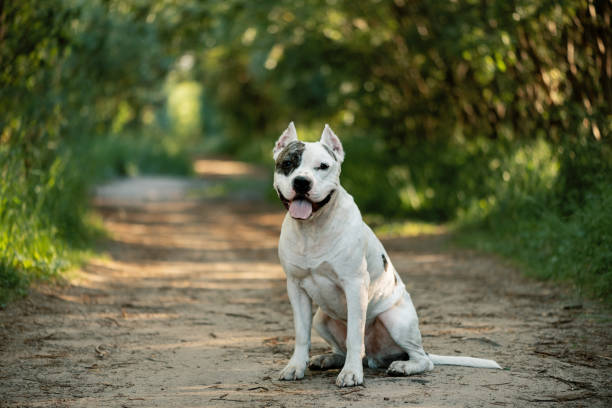
Bringing a new dog or puppy into your home is an exciting time, but it also comes with responsibilities, one of the most crucial being potty training. A well-potty-trained dog is a joy to live with, integrating seamlessly into your household without the stress of unexpected messes. Conversely, a dog struggling with house-training can lead to frustration, damaged furniture, and a strained relationship between pet and owner.
Potty training, while sometimes challenging, is a fundamental step in building a strong, respectful bond with your canine companion. It requires patience, consistency, and a deep understanding of canine behavior. This comprehensive guide will walk you through every aspect of potty training, from foundational principles to troubleshooting common issues, ensuring you have all the tools and knowledge to achieve success.
The Foundation: Understanding Canine Elimination Behavior
Before we dive into the “how-to,” it’s essential to grasp the why. Dogs are naturally clean animals. In the wild, they instinctively try to keep their den (their sleeping area) clean by eliminating away from it. This innate desire is the cornerstone upon which all successful potty training is built. Your goal is to extend this “den” concept to your entire home, teaching your dog that the house is their extended den and the designated outdoor potty spot is where they eliminate.
Puppies, especially young ones, have very little bladder and bowel control. Their bodies are developing, and they simply cannot “hold it” for long periods. Adult dogs, particularly those previously accustomed to eliminating indoors or those from shelters with unknown histories, might need to unlearn old habits and form new, appropriate ones.
Understanding these natural instincts and physical limitations is key to setting realistic expectations and approaching training with empathy and patience. Punishment is counterproductive; it teaches fear, not proper elimination. Positive reinforcement, coupled with a consistent routine, is the most effective path to success.
Preparing for Potty Training Success: Your Checklist
Before your dog even sets a paw inside for the first time, or if you’re starting with an existing pet, gather these essentials and prepare your environment:
- Crate (if using crate training): This is one of the most powerful tools for potty training. The crate should be just large enough for your dog to stand up, turn around, and lie down comfortably. If you get a crate for a puppy that will grow, ensure it comes with a divider so you can adjust the size. The crate leverages your dog’s natural instinct to keep their den clean.
- Appropriate Leash and Collar/Harness: For controlled trips outside.
- High-Value Treats: Small, soft, extremely palatable treats are crucial for positive reinforcement. Think cooked chicken bits, cheese, or specialized training treats.
- Enzyme Cleaner: Accidents will happen. A good enzymatic cleaner is vital to neutralize odors completely, preventing your dog from being attracted back to the same spot by residual scent. Standard cleaners often don’t eliminate the deep-seated odor that only a dog can detect.
- Designated Potty Spot: Choose an outdoor area that will consistently be your dog’s bathroom. Keep it free of distractions initially.
- Waterproof Pet Bed/Blankets: For the crate, especially for young puppies. Accidents in the crate should be avoided, but if they happen, easy-to-clean bedding is a lifesaver.
- Playpen/Baby Gates: To confine your dog to a safe, easily supervised area when not in their crate or directly with you. This limits their freedom to roam and find hidden corners for accidents.
- Veterinary Check-up: Especially for puppies or newly adopted adult dogs. Rule out any underlying medical conditions (e.g., UTIs, parasites, kidney issues) that could cause frequent or uncontrollable urination/defecation.
Fundamental Principles of Potty Training
Regardless of your dog’s age or background, these core principles will guide your training journey:
1. Consistency is King (or Queen)
This cannot be overstated. Every member of the household must be on the same page regarding the potty schedule, rewards, and how to handle accidents. Inconsistency confuses your dog and slows down progress significantly. Stick to the same routine, use the same commands, and offer the same rewards every single time.
2. Establish a Predictable Routine
Dogs thrive on routine. A predictable schedule helps them learn when and where they are expected to eliminate. This includes:
- Feeding Times: Feed your dog at specific times each day. This makes their bowel movements more predictable. Most dogs need to relieve themselves 15-30 minutes after eating.
- Potty Breaks: Take your dog out at regular intervals throughout the day.
- Bedtime/Wake-up: A consistent sleep schedule helps regulate their system.
3. Constant Supervision or Confinement
When your dog is learning, they should either be:
- Under your direct supervision: Leashed to you, in the same room, or visually monitored.
- Confined to a safe, appropriate space: Their crate or a small, puppy-proofed area (e.g., using a playpen or baby gate). This prevents accidents from happening unnoticed, which undermines training.
4. Positive Reinforcement is Non-Negotiable
Reward your dog immediately after they eliminate in the correct spot. The timing of the reward is crucial; it must happen within 2-3 seconds of them finishing their business. If you wait until you’re back inside, they won’t associate the treat with the act of pottying outside.
- Rewards: Use enthusiastic praise (“Good potty!”), a high-value treat, and perhaps a quick play session.
- Avoid Punishment: Never scold, yell at, or physically punish your dog for accidents. This only teaches them to fear you and to hide their elimination, making training harder.
5. Patience, Patience, Patience
Potty training is not linear. There will be good days and bad days. Some dogs learn in a few weeks, others take several months. Stay calm, persistent, and positive. Frustration on your part will only stress your dog and impede their learning.
Step-by-Step Potty Training Methods
Now, let’s put these principles into action.
The Crate Training Method (Highly Recommended)
Crate training is often the fastest and most effective method for house-training. It taps into the dog’s natural instinct not to soil their sleeping area.
How it Works:
- Introduce the Crate Positively: Make the crate a comfortable, positive place. Never use it for punishment. Feed meals in it, toss treats inside, and cover it with a blanket to create a den-like atmosphere.
- Appropriate Sizing: The crate must be just large enough for your dog to stand up, turn around, and lie down comfortably. If it’s too large, they might use one end as a bed and the other as a bathroom. Use a divider for puppies.
- Scheduled Crate Time: When you cannot actively supervise your dog, they go into the crate. This includes when you’re busy, leaving the house for short periods, and overnight.
- Immediate Potty Break Upon Release: The moment your dog comes out of the crate, take them directly outside to their designated potty spot. Don’t let them wander around the house first. Crate equals potty time.
- Gradual Increase in Crate Time: Start with short periods and gradually increase as your dog’s bladder control improves.
- Limit Time in Crate: A crate is not a place to keep a dog for excessively long periods. Puppies can only hold their bladder for about one hour per month of age (e.g., a 3-month-old puppy for 3-4 hours maximum). Adult dogs can typically hold it longer but still need regular breaks.
Scheduled Potty Breaks and Designated Spot
This method is crucial whether you use a crate or not.
Establishing the Schedule: Puppies need to go out very frequently. A good rule of thumb for puppies is:
- First thing in the morning.
- Last thing before bed.
- After waking from a nap.
- After playing.
- After eating and drinking (within 5-30 minutes).
- Every 1-3 hours in between, depending on age and bladder control.
For adult dogs, the frequency can be less, typically every 4-6 hours, but still prioritize after waking, eating, and before bed. Adopted adult dogs might need more frequent breaks initially as they adjust.
The Potty Routine:
- Go Directly to the Spot: Take your dog on a leash directly to their designated outdoor potty spot.
- Use a Potty Command: As they sniff and prepare to eliminate, use a consistent, encouraging command like “Go Potty,” “Hurry Up,” or “Do Your Business.” This helps them associate the command with the action, eventually encouraging them to go on cue.
- Wait Patiently: Stand still and be boring. Don’t play, talk on the phone, or distract them. Give them 5-10 minutes to do their business.
- Immediate Reward: The second they finish eliminating (urine or feces), enthusiastically praise them (“Good Potty!”), give a high-value treat, and then you can engage in play or go for a walk as a further reward. This makes going outside for potty a highly positive experience.
- If No Potty: If they don’t go within a reasonable time, take them back inside and immediately put them in their crate or supervise them closely for 10-15 minutes, then try again. Do not let them wander freely in the house if they haven’t pottied.
Puppy Pad (or Pee Pad) Training
Puppy pads can be useful for specific situations (e.g., small breeds, apartment living, severe weather, very young puppies before vaccinations). However, they can also prolong the training process by teaching the dog that it’s okay to eliminate inside the house.
How to Use Pads (and transition off them):
- Placement: Place pads in a designated, easily accessible area away from their food/water and sleeping area.
- Supervision: When you see your dog start to squat indoors, quickly pick them up and place them on the pad.
- Reward: When they use the pad, praise and treat immediately.
- Gradual Movement: Once your dog reliably uses the pad, slowly move the pad closer to the door, a few inches each day.
- Transition Outside: Once the pad is right by the door, start moving it outside, eventually eliminating it. This transition can be challenging, as the dog has learned “inside is okay.”
- Outdoor Priority: Even if using pads, still take your dog outside regularly and reward them heavily for outdoor elimination. This reinforces that outdoor is the preferred method.
Important Note: If you start with puppy pads, be prepared for the extra step of convincing your dog that all indoor elimination is eventually off-limits. Many trainers recommend skipping pads entirely if possible, especially for larger breeds or if you have a yard.
Recognizing Potty Cues
Learning your dog’s pre-potty signals is crucial for preventing accidents. Common cues include:
- Sniffing around intently
- Circling
- Whining or barking
- Restlessness
- Head dipping or staring at you
- Suddenly leaving the room
- Going to the door
The moment you see these signs, calmly and quickly usher your dog outside.
Handling Accidents Indoors
Accidents will happen. It’s an inevitable part of the learning process. Your reaction is paramount:
- Do NOT Punish: Never scold, yell, or rub your dog’s nose in the mess. This is ineffective, damaging to your bond, and teaches your dog to hide their accidents from you or to eliminate out of your sight.
- Interrupt, Don’t React: If you catch your dog in the act, make a sudden noise (clap, “Ah-ah!”) to interrupt them. Immediately pick them up (if small enough) or leash them and rush them outside to their designated spot.
- Reward Outdoor Completion: If they finish outside, praise and treat enthusiastically.
- Clean Thoroughly: Use an enzymatic cleaner specifically designed for pet odors. These cleaners break down the uric acid crystals that cause the odor. If the scent remains, your dog will be drawn back to the same spot. Blot the area first, then apply the cleaner generously, letting it sit according to product instructions before wiping.
- Review Your Routine: An accident is often a sign that you missed a cue, waited too long, or the routine needs adjustment. Was your dog crated too long? Did you miss their signal?
Troubleshooting Common Potty Training Problems
Even with the best intentions, you might encounter bumps in the road. Here’s how to address common issues:
1. Regression
Your dog was doing great, and now suddenly they’re having accidents again.
- Possible Causes:
- Medical Issue: First, rule out a UTI, parasites, or other health problems with a vet visit.
- Stress/Anxiety: New environment, new people, changes in routine, separation anxiety.
- Lack of Consistency: Has anyone in the household slacked on the routine?
- Insufficient Supervision: Have you given too much freedom too soon?
- Submissive Urination: Urinating when greeting people or being reprimanded.
- Excitement Urination: Urinating when overly excited (e.g., when you come home).
- Solutions:
- If medical, follow vet’s advice.
- Go back to basics: strict schedule, increased supervision, more frequent potty breaks, and crate use.
- Identify and address stress triggers.
- For submissive/excitement urination, ignore greetings until calm, avoid direct eye contact, lower your body, avoid punishment, and take them out before guests arrive.
2. Resistance to Going Outside
Your dog might pull back or refuse to go out.
- Possible Causes:
- Fear: Bad weather, scary sounds, unfamiliar objects outside, past negative experiences.
- Discomfort: Cold paws, rain, snow, rough surfaces.
- Lack of Motivation: No exciting reward for going outside.
- Solutions:
- Positive Association: Make outside highly rewarding. Bring the best treats.
- Gear: Use booties for cold/hot pavement. Get a doggy raincoat.
- Desensitization: If fearful, gradually expose them to the scary stimulus from a distance, pairing with treats.
- Carry Them: For puppies or small dogs, carry them to the spot if very scared.
- Try Different Spots: Perhaps they prefer a quieter or more private area.
3. Pottying Immediately After Coming Inside
This is a common and frustrating problem.
- Possible Causes:
- Distraction Outside: The dog was too busy playing, sniffing, or being social to focus on eliminating.
- Fear of Outside: They hold it in until they feel safe indoors.
- Not Fully Emptying Bladder/Bowel: They did a little bit outside, but not enough.
- Solutions:
- “No Free Lunch” Rule: No play or walks until they potty. Take them out on a leash directly to the spot. Stand still and be boring.
- Extend Potty Time: Give them more time outside, even if they have already peed once. Wait for both pee and poop.
- Reinforce Heavily: Make the outdoor potty experience extremely rewarding.
- Supervise Inside: If they come in without fully eliminating, put them in their crate or on a leash with you for 10-15 minutes, then try again outside.
4. Marking
Often seen in intact males, but females and neutered males can also mark.
- Possible Causes:
- Territorial Instinct: Urinating small amounts to claim territory.
- Anxiety/Stress: Marking as a coping mechanism.
- Attention Seeking.
- Incomplete Potty Training: Not fully understanding where not to go.
- Solutions:
- Neuter/Spay: This often reduces marking behavior significantly.
- Thorough Cleaning: Eliminate all scent with enzymatic cleaners.
- Supervision & Confinement: Prevent access to areas where marking occurs.
- Training Pads (Temporary): Some owners use belly bands for males or dog diapers for females temporarily to prevent marking, but these aren’t solutions, only management tools. You still need to address the root cause and continue training.
- Address Anxiety: If stress is the cause, work with a professional behaviorist.
5. Submissive or Excitement Urination
As mentioned under regression, these are specific types of urination.
- Submissive: Often seen when a dog feels threatened or is trying to show deference (e.g., during greetings, loud noises, or perceived scolding).
- Excitement: Happens when a dog is overly stimulated (e.g., owner returns home, new visitors, intense play).
- Solutions for Both:
- Ignore Greetings: Upon arrival, ignore your dog for a few minutes until they calm down. Then, greet them calmly, perhaps bending down to their level rather than towering over them.
- Take Out Before Guests: Potty your dog immediately before guests arrive.
- Avoid Punishment: Never punish your dog for this; it will worsen submissive urination.
- Build Confidence: For submissive dogs, gentle handling and positive experiences can help build confidence.
Potty Training Specific Scenarios
Puppies vs. Adult Dogs (and Rescued Dogs)
- Puppies: Require very frequent breaks, have less bladder control, and are learning everything from scratch. They are often blank slates, making consistency key.
- Adult Dogs: May have better bladder control but might come with established (and sometimes undesirable) habits. They may need to unlearn old behaviors and relearn new ones. Patience is crucial as they adjust to a new environment and routine. Rescued dogs, especially those from puppy mills or who lived outdoors, may have no concept of “inside vs. outside” and require the same intensity of training as a young puppy.
Small Breeds vs. Large Breeds
- Small Breeds: Have smaller bladders, meaning more frequent potty breaks. They can also be harder to “catch in the act” of squatting. Owners may be more inclined to use pee pads, which can prolong outdoor training.
- Large Breeds: Generally have better bladder control. The challenge is often managing their size and strength, especially during puppyhood. Crate training is equally effective.
Apartment Living
- No Yard Access: This means more leash walks, regardless of weather.
- Timing is Critical: Don’t delay taking your dog out the moment they show signs. Elevator rides or multiple flights of stairs mean you have less time.
- Potty Pads/Patio Potty: Some apartment dwellers use these as a last resort, but always prioritize outdoor elimination if possible.
- Schedule: A strict schedule is paramount to avoid accidents between trips.
Bad Weather
Rain, snow, extreme cold, or heat can make dogs (and owners!) reluctant to go outside.
- Gear Up: Invest in doggy raincoats, boots, or even a pathway cleared in the snow.
- Persistence: Don’t skip potty breaks. It’s vital to maintain the routine.
- Short & Sweet: On bad weather days, make the potty trip quick and rewarding. Get in, do business, get out, get treats.
- Designated Covered Area: If possible, create a small, covered outdoor area where your dog can go in inclement weather.
Advanced Tips & Tools
Bell Training
This teaches your dog to communicate their need to go out.
- Hang Bells: Hang a string of bells on the doorknob of the door you use to go outside.
- Associate with Going Out: Every time you take your dog out, gently tap their paw or nose on the bells and say “Outside” or “Potty.”
- Reward: When they go outside and eliminate, praise and treat.
- Wait for Initiative: Eventually, your dog will learn that ringing the bells gets them outside. When they ring them on their own, immediately take them out and reward if they potty.
- Ignore False Alarms: If they ring the bells but don’t potty outside, bring them back in without much fuss and try again in 10-15 minutes. They might be trying to get your attention or want to play.
Maintaining Potty Training Long-Term
Potty training isn’t just about the initial weeks or months; it’s a lifelong habit.
- Consistent Routine: Continue to adhere to a regular feeding and potty schedule, even after your dog is perfectly house-trained.
- Regular Breaks: Don’t push your dog’s bladder capacity unnecessarily. Provide ample opportunities for them to relieve themselves.
- Supervision in New Environments: When visiting new places, treat your dog as if they’re still learning. Supervise them closely, and take them out frequently.
- Address Changes: Any significant life changes (new baby, move, new pet, illness) can temporarily disrupt a dog’s routine and potentially cause accidents. Be understanding and reinforce the basics.
- Continue Positive Reinforcement: Occasionally reward your dog for great potty behavior, even if they’re fully trained.
When to Seek Professional Help
If you’ve diligently followed all the steps, ruled out medical issues, and are still struggling, don’t hesitate to seek professional help from:
- Veterinarian: To re-evaluate for underlying medical conditions.
- Certified Professional Dog Trainer (CPDT-KA): For general house-training issues, especially with puppies or adult dogs needing basic behavior modification.
- Certified Applied Animal Behaviorist (CAAB) or Veterinary Behaviorist (DACVB): For more complex cases involving anxiety, severe marking, or other behavioral components that may be contributing to house-soiling.
These professionals can offer personalized advice, identify subtle triggers you might be missing, and help implement a tailored plan.
Conclusion: The Path to a Happy, House-Trained Dog
Potty training your dog is a journey that demands dedication, patience, and a positive approach. It’s a foundational aspect of responsible dog ownership and a critical step in forging a strong, harmonious relationship with your canine companion. By understanding your dog’s natural instincts, establishing a consistent routine, utilizing positive reinforcement, and addressing challenges with empathy rather than frustration, you can successfully navigate this process.
Remember, every dog is an individual. What works quickly for one might take longer for another. Celebrate every success, learn from every accident, and never give up. The rewards of a well-potty-trained dog – a cleaner home, a stronger bond, and a happier dog – are immeasurable. With this comprehensive guide in hand, you are well-equipped to embark on this important training endeavor with confidence and a clear path to success. Good luck, and enjoy the clean floors!
#DogPottyTraining, #PuppyTraining, #HouseTraining, #PottyTrainingTips, #CrateTraining, #PuppyLife, #DogTraining, #PositiveReinforcement, #DogMom, #DogDad, #NewPuppy, #RescueDog, #DogHacks, #PetCare, #DogBehavior, #CleanHomeWithDogs, #DogLover, #PetTraining, #DogTips, #PuppyLove, #HappyDog, #DogCommunity, #PetParent, #PottyTrainingStruggles, #AskADogTrainer






Add comment