
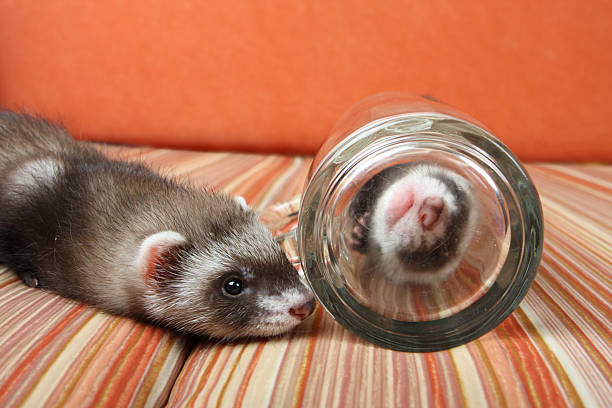
Giardia duodenalis (also known as G. intestinalis or G. lamblia) is a flagellated protozoan that colonizes the small intestine of a broad range of mammals, birds, and occasionally humans. While most veterinary textbooks focus on dogs, cats, and livestock, ferrets (Mustela putorius furo) are increasingly recognized as susceptible hosts.
- Prevalence: Survey data from exotic animal clinics report Giardia detection rates ranging from 5 % to 15 % in ferrets presented with diarrhoea, and up to 30 % in ferrets housed in communal breeding facilities.
- Clinical relevance: In healthy adult ferrets, infection may be subclinical, but in neonates, geriatric individuals, or immunocompromised animals, Giardia can cause persistent watery diarrhoea, weight loss, and secondary bacterial overgrowth.
- Public‑health angle: Ferrets live in close contact with owners; their Giardia isolates often belong to zoonotic assemblages (A & B), making them a potential source of human infection.
Understanding the parasite’s biology, recognizing the spectrum of disease, and applying evidence‑based diagnostics and therapeutics are essential for optimal ferret health and for protecting household members.
2. The Parasite – Biology, Life Cycle, and Strains
| Feature | Description |
|---|---|
| Taxonomy | Giardia duodenalis (syn. G. lamblia, G. intestinalis) |
| Morphology | Pear‑shaped trophozoite (≈12 µm × 5 µm) with 8 flagella, ventral adhesive disc; cysts (≈8–12 µm) with 4 nuclei. |
| Life cycle | 1. Ingestion of cysts → excystation in duodenum → trophozoites attach to mucosa and multiply. 2. Encystation occurs in the distal small intestine; cysts are shed in feces. 3. Cysts survive in the environment for weeks to months, depending on temperature, humidity, and UV exposure. |
| Genetic assemblages | • Assemblage A – zoonotic, common in humans, dogs, cats. • Assemblage B – zoonotic, prevalent in wildlife and humans. • Assemblage C/D – predominantly canine. Ferrets most frequently harbour A and B, underscoring zoonotic relevance. |
| Transmission routes | • Fecal‑oral (contaminated water, food, bedding). • Direct contact with infected animals or contaminated surfaces. • Mechanical vectors (flies, cockroaches). |
Key point: The cyst form is the infectious stage; its resilience in the environment makes control challenging, especially in multi‑ferret houses or breeding colonies.
3. Epidemiology & Risk Factors
| Factor | How it Increases Risk |
|---|---|
| Age | Neonates and juveniles (< 12 weeks) have immature gut immunity and higher exposure when litters share bedding. |
| Housing density | Group housing, breeding colonies, and shelters facilitate rapid cyst dissemination. |
| Water source | Untreated tap water, pond water, or shared water bottles can be contaminated. |
| Dietary changes | Raw diets or frozen‑thawed prey may carry cysts on the surface; inadequate cleaning of feeding dishes promotes spread. |
| Co‑housing with other species | Dogs, cats, rodents, or wild birds in the same environment may be reservoirs. |
| Immunosuppression | Chronic stress, glucocorticoid therapy, or concurrent viral infections (e.g., ferret coronavirus) predispose to clinical disease. |
| Travel and import | Ferrets imported from regions with high Giardia prevalence may arrive already infected. |
Epidemiologic data indicate that outbreaks often follow a “point source” – a contaminated water bowl – with subsequent secondary spread via fecal contamination of the enclosure.
4. Clinical Signs & Symptoms
| System | Typical Manifestations |
|---|---|
| Gastrointestinal | • Watery, mucoid, or foul‑smelling diarrhoea (often intermittent). • Steatorrhea (fatty stools) in severe malabsorption. • Vomiting – less common but reported in acute cases. |
| Nutrition | • Weight loss despite normal appetite (malabsorption). • Decreased body condition score (BCS). |
| General | • Lethargy and reduced activity. • Dehydration – especially in young kits. |
| Physical exam | • Mucosal pallor if anemia develops secondary to chronic diarrhoea. • Abdominal discomfort on palpation. |
| Laboratory abnormalities | • Hypoproteinemia (low albumin) from protein‑losing diarrhoea. • Electrolyte disturbances – hyponatremia, hypokalemia. • Mild anemia (normocytic, normochromic) in chronic cases. |
Note: Not all infected ferrets display overt disease; subclinical carriers may shed cysts for weeks to months.
5. Differential Diagnosis
When faced with a ferret presenting with diarrhoea, clinicians must consider:
| Differential | Key distinguishing features |
|---|---|
| Salmonellosis | Fever, septicemia, rapid onset of haemorrhagic diarrhoea; culture positive for Salmonella. |
| Clostridial enteritis (e.g., Clostridium perfringens) | Toxigenic strains; often associated with diet change; can be confirmed by toxin assays. |
| Viral enteritis (Ferret coronavirus, rotavirus) | Fever, systemic signs; PCR or ELISA for viral antigens. |
| Helminths (e.g., Cystoisospora, Capillaria) | Ova seen on fecal flotation; may cause diarrhoea but often with blood. |
| Inflammatory bowel disease (IBD) | Chronic granulomatous inflammation on histopathology; non‑infectious. |
| Food intolerance/allergy | History of recent diet change; resolves with elimination diet. |
| Stress‑induced diarrhoea | Transient; resolves with environmental enrichment. |
A systematic approach—starting with a thorough history, physical exam, and targeted diagnostics—helps narrow the list to Giardia when other causes are excluded or ruled out.
6. Diagnostic Approach
a. Fecal Examination
- Direct Wet Mount (fresh stool)
- Pros: Immediate detection of motile trophozoites.
- Cons: Low sensitivity; trophozoites degrade quickly after defecation.
- Fecal Flotation (zinc sulfate, specific gravity 1.18–1.20)
- Detects cysts; simple, inexpensive.
- Sensitivity ≈ 60–70 % per single sample; increases with multiple samples.
- Immuno‑assays (ELISA, immunochromatographic rapid tests)
- Detect Giardia antigen (GSA65).
- Sensitivity 85–95 %; specificity ≈ 90 %.
- Widely available for small animal practice; can be performed on frozen samples.
- Fecal PCR
- Detects Giardia DNA; allows assemblage typing.
- Highest sensitivity (≥ 95 %) and specificity; useful for epidemiologic studies and identifying zoonotic strains.
Sampling recommendations:
- Collect three separate fecal samples over 48‑72 h to overcome intermittent shedding.
- Use a sterile container, keep samples refrigerated (≤ 4 °C) if processed within 24 h; otherwise freeze at –20 °C for PCR/ELISA.
b. Ancillary Diagnostics
| Test | Reason for use in Giardia cases |
|---|---|
| CBC | Detect anemia, leukocytosis, or eosinophilia (rare). |
| Serum Chemistry | Evaluate protein, albumin, electrolytes, and renal function (important before metronidazole). |
| Abdominal Ultrasound | Rule out other intra‑abdominal pathology; may show thickened intestinal wall in severe cases. |
| Endoscopy + Biopsy | Reserved for refractory cases where IBD is a concern; histopathology may reveal trophozoite attachment. |
c. Interpretation of Results
- Positive antigen test or PCR = definitive infection (even if clinical signs are mild).
- Negative tests with high suspicion → repeat sampling (3–5 days later) or use a combination (e.g., flotation + PCR).
7. Treatment Protocols
a. First‑Line Antiprotozoal Drugs
| Drug | Mechanism | Typical Ferret Dose** | Duration | Comments |
|---|---|---|---|---|
| Metronidazole | DNA damage in anaerobic organisms | 20–25 mg/kg PO q12h | 5–7 days | Most widely used; monitor for neurotoxicity & GI upset. |
| Fenbendazole | Binds β‑tubulin, inhibiting microtubule formation | 50 mg/kg PO q24h | 5 days (single dose) or 50 mg/kg PO q12h for 3 days | Broad‑spectrum; safe in pregnant ferrets; may cause mild GI irritation. |
| Nitazoxanide | Disrupts pyruvate‑ferredoxin oxidoreductase | 10 mg/kg PO q12h | 5 days | Off‑label; limited data in ferrets but effective in dogs & cats. |
| Albendazole (alternative) | Microtubule inhibition | 25 mg/kg PO q24h | 3 days | Use cautiously; potential bone‑marrow suppression. |
**Doses are extrapolated from canine/ferret literature; weight‑based adjustments are essential. Always verify with the most recent pharmacokinetic data.
b. Supportive Care
- Fluid therapy: Subcutaneous (SQ) lactated Ringer’s or balanced electrolyte solution (10 ml/kg q8–12 h) for mild dehydration; intravenous (IV) crystalloids for severe cases.
- Anti‑emetics: Maropitant (1 mg/kg SC q24h) or ondansetron (1 mg/kg PO q8h) if vomiting.
- Probiotics: Enterococcus faecium–based products (e.g., Fortiflora) 1 × 10⁹ CFU PO daily for 7–14 days to restore normal flora and possibly reduce cyst shedding.
- Nutritional support: Highly digestible, low‑fat diet (e.g., commercial ferret formula or boiled chicken with rice) during acute phase; gradual re‑introduction of regular diet.
c. Managing Refractory / Recurrent Infections
- Re‑treatment with an alternative drug (e.g., fenbendazole after metronidazole failure).
- Combination therapy: Metronidazole + fenbendazole for 5 days each.
- Extended treatment courses: Up to 10 days if cyst shedding persists.
- Environmental decontamination (see Section 9) – essential because reinfection is common from contaminated bedding.
- Immune modulation: In rare, chronic cases, short‑course low‑dose prednisolone (0.5 mg/kg PO q24h for 3 days) may reduce inflammation, but only after parasite clearance.
d. Monitoring Treatment Success
- Fecal antigen test or PCR 7 days after completing therapy.
- Repeat stool exam weekly for 3 weeks to ensure no cyst shedding.
- Clinical observation: Resolution of diarrhoea, weight gain, normal hydration status.
8. Prognosis & Potential Complications
| Outcome | Likelihood | Influencing Factors |
|---|---|---|
| Full recovery | > 90 % in healthy adults with appropriate therapy | Early diagnosis, compliance with medication, good husbandry. |
| Persistent diarrhoea | 5–10 % | Immunosuppression, co‑infection with bacterial pathogens, poor nutrition. |
| Weight loss & malnutrition | 2–5 % | Severe malabsorption, secondary bacterial overgrowth. |
| Secondary bacterial translocation | Rare (< 2 %) | Prolonged mucosal damage, high bacterial load. |
| Mortality | < 1 % | Typically in neonates, very young kits, or ferrets with severe systemic illness. |
Complications
- Dehydration & electrolyte imbalance – may necessitate aggressive fluid therapy.
- Protein‑losing enteropathy – hypoalbuminemia leading to edema.
- Secondary bacterial sepsis – especially in immunocompromised ferrets.
- Chronic IBD‑like syndrome – prolonged inflammation may predispose to long‑term gastrointestinal disease.
Overall, with prompt, appropriate therapy and diligent environmental control, the prognosis is excellent.
9. Prevention Strategies
- Water Quality
- Provide filtered or boiled water; avoid standing pond water.
- Change water bowls daily; clean with hot, soapy water and a bleach (1 %) rinse.
- Husbandry & Hygiene
- Separate housing for sick animals; use dedicated cages and equipment.
- Frequent cage cleaning – remove feces promptly, disinfect surfaces with 10 % bleach or quaternary ammonium compounds.
- Linen & bedding – wash at ≥ 60 °C; replace regularly.
- Dietary Precautions
- Store dry kibble in airtight containers; avoid contamination from insects.
- If feeding raw prey, freeze for at least 48 h at –20 °C to reduce cyst viability.
- Routine Screening
- Quarterly fecal antigen testing for breeding colonies, shelters, and multi‑ferret households.
- Test new arrivals before integrating them into the group.
- Quarantine
- Implement a minimum 2‑week quarantine for each new ferret, during which fecal testing and health monitoring are performed.
- Vector Control
- Keep the environment free of flies, cockroaches, and rodents – sources that may mechanically transmit cysts.
- Owner Education
- Emphasize hand‑washing after handling ferrets or cleaning cages.
- Advise no swallowing of water from ferret bowls.
By integrating these measures, the risk of both infection and zoonotic transmission can be dramatically reduced.
10. Diet & Nutrition – Supporting Gut Health
| Nutrient | Role in Giardia Management | Practical Recommendations |
|---|---|---|
| Highly digestible protein | Replaces losses from malabsorption; supports tissue repair. | Offer boiled chicken breast, low‑fat turkey, or commercial ferret diet with ≥ 30 % protein. |
| Moderate fat | Provides energy; however, excess fat can exacerbate steatorrhea. | Keep dietary fat at 15–20 % of caloric intake. |
| Complex carbohydrates (e.g., rice, oatmeal) | Easy to digest, may bind toxins. | Incorporate small amounts of cooked rice or oatmeal. |
| Prebiotic fibers (e.g., inulin, fructooligosaccharides) | Promote growth of beneficial bacteria, improving colonization resistance. | Add a teaspoon of plain pumpkin puree or a commercial prebiotic supplement. |
| Probiotics | Re‑establish normal flora; may reduce cyst shedding. | Daily dose of Enterococcus faecium–based probiotic (≥ 10⁹ CFU). |
| Electrolytes & fluids | Counteract dehydration; aid in restoring electrolyte balance. | Provide oral rehydration solution (ORS) formulated for small mammals if mild dehydration is present. |
| Vitamins & minerals | Vitamin A, zinc, and selenium support mucosal immunity. | Ensure a balanced commercial diet; consider a multivitamin supplement during prolonged illness. |
Feeding schedule during acute infection:
- Day 1–3: Offer small, frequent meals (4–6 times/day) of boiled chicken and rice; monitor for tolerance.
- Day 4–7: Gradually re‑introduce regular ferret kibble; maintain probiotic supplementation.
- Beyond day 7: Continue a high‑quality, balanced diet; avoid sudden dietary changes that could precipitate relapse.
11. Zoonotic Potential – Risks to Humans & Other Pets
- Human infection: Giardia assemblages A and B, which ferrets commonly harbor, are also the most common causes of human giardiasis. Transmission occurs via the fecal‑oral route, especially in households with young children, immunocompromised individuals, or elderly members.
- Risk factors for owners:
- Direct handling of infected ferrets or their feces.
- Inadequate hand hygiene after cage cleaning.
- Shared water dishes with pets (e.g., dogs drinking from the same bowl).
- Preventive steps for humans:
- Rigorous hand washing with soap for at least 20 seconds after contact.
- Use of disposable gloves when cleaning cages or handling feces.
- Disinfection of surfaces with bleach or EPA‑approved disinfectants.
- Risk to other pets: Dogs and cats can acquire Giardia from contaminated environments; cross‑infection often occurs in multi‑species households. Conduct species‑specific fecal testing if diarrhoea appears in other pets.
- Public health reporting: In many jurisdictions, giardiasis is a notifiable disease. Veterinarians should advise owners of confirmed zoonotic cases to seek medical evaluation if gastrointestinal symptoms develop.
12. Summary Checklist for Owners & Clinicians
| Action | Who? | Frequency / Timing |
|---|---|---|
| Quarantine new ferrets | Owner / Vet | Minimum 2 weeks before integration |
| Routine fecal Giardia antigen test | Vet | Every 3 months (breeding colony) or after diarrhoea |
| Full physical exam & weight check | Vet | At each veterinary visit |
| Administer anti‑protozoal therapy | Vet | As prescribed; complete full course |
| Provide supportive fluids & nutrition | Owner & Vet | During active disease |
| Disinfect cages, water bowls, feeding dishes | Owner | Daily; thorough weekly cleaning |
| Hand hygiene after handling | Owner | Every time |
| Monitor for recurrence | Owner | Observe stool daily for 4 weeks post‑treatment |
| Educate household members | Vet | At diagnosis; include zoonotic risks |
| Record treatment outcomes | Owner & Vet | Maintain a log of dates, doses, and results |
#FerretHealth, #GiardiaInFerrets, #ExoticPetCare, #ProtozoanParasite, #FerretDiarrhea, #PetZoonoses, #FerretNutrition, #FerretVeterinary, #GiardiaTreatment, #FerretPrevention, #FerretWellness, #SmallMammalMedicine, #FerretLovers, #AnimalHealth, #Parasitology, #PetOwnerTips, #FerretCommunity, #GiardiaAwareness, #HealthyFerrets, #FerretLife, #VetMedicine, #PetSafety, #FerretDiet, #FerretCareGuide, #FerretDisease, #ZoonoticRisk, #FerretFriends, #FerretClinic, #PetHygiene, #FerretRescue




Add comment