
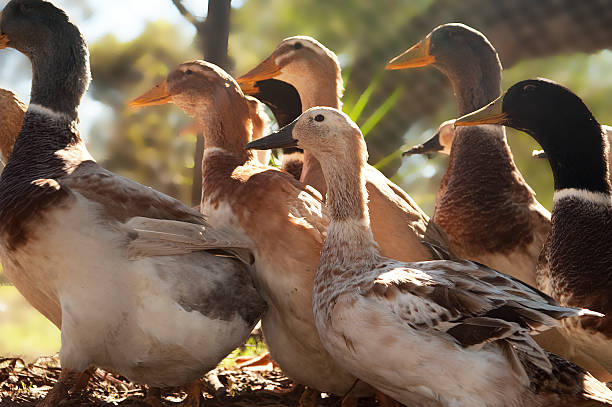
Gout is a metabolic condition that can affect ducks, particularly when their bodies accumulate excessive uric acid. This buildup leads to the formation of urate crystals, which can deposit in various tissues and organs, causing significant health issues. In ducks, gout can manifest in two primary forms: articular gout and visceral gout. Articular gout occurs when urate crystals accumulate in the joints, leading to painful inflammation and restricted mobility. This condition is especially common in ducks with poor dietary management or compromised kidney function. Visceral gout, in contrast, involves the deposition of uric acid crystals within internal organs, such as the kidneys, heart, and gastrointestinal tract. This form of gout is typically more severe and can be life-threatening if left untreated.
Understanding the causes, symptoms, and risk factors associated with gout is essential for duck owners and poultry caretakers. Poor diet, dehydration, and kidney disease are among the primary contributors to gout in ducks. Certain duck breeds may be more susceptible to this condition due to genetic factors or specific physiological characteristics. Early detection and management of gout are crucial for preventing long-term damage to both joints and internal organs. This guide will provide a comprehensive overview of articular and visceral gout, including diagnostic methods, treatment options, and preventive strategies. By recognizing the signs and implementing appropriate care, duck owners can significantly improve the health and well-being of their flocks.
Causes of Gout in Ducks
Gout in ducks primarily stems from the accumulation of uric acid in the body, which leads to the formation of urate crystals. The primary cause is an imbalance in the uric acid metabolism, often resulting from dietary factors, kidney dysfunction, or dehydration. A diet high in purines—compounds found in protein-rich foods such as fish, legumes, and organ meats—can contribute to elevated uric acid levels. Ducks with limited access to clean water or those that experience excessive fluid loss through respiration or evaporation are particularly susceptible to gout, as dehydration impedes the excretion of uric acid through the kidneys. Additionally, kidney disease, whether due to infection, genetic factors, or the effects of high-protein diets, can compromise the body’s ability to eliminate uric acid efficiently, leading to its accumulation in the bloodstream and tissues.
Another significant contributor to gout in ducks is improper feeding practices, such as overfeeding or excessive intake of energy-dense foods. Ducks that consume more protein than their bodies can metabolize will excrete higher levels of uric acid, increasing the risk of gout. Additionally, some ducks may have a genetic predisposition to metabolic disorders that affect uric acid regulation. Certain duck breeds, particularly those with a high rate of metabolic activity or rapid growth, may be more prone to developing gout due to their physiological characteristics. Environmental stressors, such as extreme temperatures or excessive physical activity, can also exacerbate the condition by elevating uric acid levels in the body. Recognizing these underlying causes is essential for preventing and managing gout effectively in ducks.
Signs and Symptoms of Gout in Ducks
Articular and visceral gout manifest through distinct clinical signs that indicate the presence of urate crystal buildup. Articular gout primarily affects the joints, leading to visible swelling, stiffness, and lameness. Affected ducks may exhibit reluctance to move or show noticeable limping when attempting to walk. The affected joints, particularly those in the legs and feet, often appear inflamed and may be tender to the touch. In severe cases, affected ducks may have a crouched posture due to joint pain and discomfort. These symptoms can significantly hinder mobility, making it difficult for the ducks to forage or access food and water sources.
In contrast, visceral gout primarily affects the internal organs, particularly the kidneys, heart, and gastrointestinal tract. Ducks suffering from visceral gout often display systemic symptoms such as lethargy, weight loss, and a decrease in appetite. They may appear weak and uncoordinated, with a noticeable decline in activity levels. As urate crystals deposit in the renal system, ducks may experience kidney failure, leading to dehydration, electrolyte imbalances, and the presence of uric deposits in the urinary tract. These cases can progress rapidly, and without intervention, visceral gout can be fatal. It is essential for duck owners to monitor their flocks closely for these symptoms to ensure prompt diagnosis and treatment.
Duck Breeds at Risk for Gout and Their Vulnerability
Certain duck breeds are more susceptible to developing gout due to a combination of genetic predispositions, metabolic characteristics, and dietary requirements. Among these, the Pekin duck is particularly vulnerable. Pekin ducks are known for their rapid growth and high meat yield, which makes them a popular choice for commercial and backyard poultry farming. However, their fast metabolism and increased protein intake often contribute to elevated uric acid levels. This breed’s tendency to consume more protein than their bodies can efficiently process can lead to the accumulation of urate crystals in the joints and internal organs, increasing the risk for both articular and visceral gout.
Another breed with a heightened susceptibility is the Khaki Campbell duck. These ducks are primarily raised for their high egg production, and their metabolic demands place a strain on kidney function. Prolonged periods of high-protein diets or inconsistent hydration can exacerbate their predisposition to gout. Additionally, the Indian Runner duck, known for its upright posture and unique flat body shape, may be at higher risk due to reduced physical activity and potential difficulties in joint mobility. Breeds with a slower metabolism, such as the Cayuga duck, are also more prone to gout due to their naturally lower metabolic efficiency, which can hinder the excretion of uric acid. Understanding the specific vulnerabilities of these breeds allows duck owners to implement tailored dietary and management strategies to mitigate gout risk effectively.
Affects of Gout on Different Life Stages in Ducks
Gout can affect ducks at any life stage, but its impact varies depending on the developmental stage of the bird. In hatchlings and young ducks, gout often manifests as visceral gout, primarily due to their developing metabolic and renal systems. At this stage, the kidneys are not fully mature, making it difficult for the body to eliminate uric acid efficiently. This can lead to rapid urate crystal buildup in the visceral organs, particularly the kidneys, gastrointestinal tract, and heart. Young ducks may appear lethargic, have reduced feed intake, and show signs of dehydration. Visceral gout in hatchlings can progress quickly and may be fatal if not addressed promptly through dietary adjustments and supportive care.
Mature ducks, on the other hand, are more likely to experience articular gout due to prolonged exposure to high-protein diets, dehydration, or underlying kidney disease. As these ducks age, their kidneys may become less efficient, increasing their susceptibility to gout-related complications. The formation of urate deposits in the joints can cause lameness, stiffness, and chronic pain, significantly limiting movement and overall well-being. In this stage, long-term management is essential to prevent further joint damage. A comprehensive understanding of gout’s effects at different life stages is critical for implementing timely intervention and improving the quality of care for ducks of all ages.
Diagnosis of Gout in Ducks
Diagnosing gout in ducks requires a combination of clinical observations, laboratory tests, and imaging techniques to accurately identify the presence of uric acid deposits. The initial step in diagnosis involves a thorough physical examination of the affected bird to assess visible symptoms such as joint swelling, lameness, and systemic signs like lethargy or poor appetite. A detailed history of the duck’s diet, hydration levels, and exposure to potential stressors is also essential for determining the underlying cause. Once initial symptoms are noted, laboratory analysis can be conducted to confirm uric acid buildup. Blood tests measuring urate levels can provide insight into the severity of gout, while microscopic examination of synovial fluid or tissue samples can reveal the presence of urate crystals.
For articular gout, imaging techniques such as X-rays or ultrasound can be used to visualize joint inflammation and detect urate crystal accumulation. In visceral gout cases, post-mortem examination is often the most definitive method of diagnosis, as it allows for the identification of urate deposits in organs such as the kidneys, heart, and gastrointestinal tract. Advanced diagnostic tools, including histopathological analysis of affected tissues, can further confirm the presence of gout and assess the extent of organ damage. Early and accurate diagnosis is crucial for implementing appropriate treatment strategies and preventing progressive complications in affected ducks.
Treatment of Gout in Ducks
The treatment of gout in ducks focuses on reducing uric acid levels, alleviating symptoms, and addressing the underlying causes to prevent further complications. A primary approach is dietary modification, which involves reducing the intake of high-protein and high-purine foods that contribute to uric acid accumulation. Switching to a balanced, low-protein diet with adequate hydration helps support the kidneys in excreting excess uric acid more efficiently. Providing access to clean, fresh water is essential in preventing dehydration, which can exacerbate the condition.
For ducks suffering from articular gout, pain management is a crucial aspect of treatment. Anti-inflammatory medications and analgesic therapies can help reduce joint inflammation and improve mobility. In severe cases, supportive care such as fluid therapy and physical therapy may be necessary to manage discomfort and prevent joint deterioration. Visceral gout requires more intensive interventions, including intravenous fluid administration to correct dehydration and support renal function. In some cases, dietary supplements or medications that promote uric acid elimination may be prescribed under veterinary guidance. Additionally, ensuring proper environmental conditions, such as maintaining a clean and stress-free habitat, can aid in the recovery process and reduce the risk of relapse. Prompt and comprehensive treatment is essential for improving the prognosis and long-term well-being of ducks with gout.
Prognosis and Complications of Gout in Ducks
The prognosis for ducks suffering from gout depends on the severity of the condition, the timeliness of treatment, and the effectiveness of management strategies. In mild cases, with early detection and appropriate intervention, ducks can recover fully with a return to normal activity levels. However, if gout is left untreated or poorly managed, it can lead to severe complications that significantly impact the bird’s health and longevity. Chronic articular gout, for instance, can result in permanent joint damage, persistent lameness, and a reduced quality of life. Over time, the continuous deposition of urate crystals in the joints can cause progressive deterioration, making mobility increasingly difficult and causing chronic pain.
Visceral gout, on the other hand, is more severe and carries a higher risk of mortality. In advanced cases, the accumulation of urate crystals in vital organs such as the kidneys, heart, and gastrointestinal tract can lead to organ failure. Kidney damage from visceral gout is particularly concerning, as it can result in dehydration, electrolyte imbalances, and ultimately, systemic failure. Secondary complications may also arise, including secondary bacterial infections in compromised joints or internal organs, as well as metabolic imbalances that affect overall health. In severe cases of visceral gout, the prognosis is poor, as the condition can progress rapidly and become fatal. Therefore, it is essential for duck owners to seek veterinary care promptly upon noticing symptoms and to implement long-term management strategies to prevent complications and improve the survival rate of affected birds.
Prevention of Gout in Ducks
Preventing gout in ducks requires a multifaceted approach that includes dietary management, hydration, and regular health monitoring. One of the most effective strategies is to maintain a balanced diet with controlled protein intake, as excessive protein consumption is a leading cause of uric acid accumulation. Duck owners should avoid feeding their flocks high-purine foods such as legumes, fish meal, and organ meats, which contribute to elevated uric acid levels. Instead, a well-formulated feed that provides adequate protein without overloading the body with purines should be used. Calcium and phosphorus levels should also be balanced, as imbalances can affect kidney function and contribute to gout development.
Hydration is another critical factor in gout prevention. Ducks must have constant access to clean, fresh water to ensure proper excretion of uric acid. Dehydration forces the body to retain uric acid, increasing the risk of crystal formation in the joints and internal organs. Providing multiple water sources and ensuring that duck houses are not excessively warm can help maintain hydration levels. Additionally, environmental factors should be considered—keeping ducks in clean, well-ventilated enclosures and avoiding overcrowding can reduce stress and improve overall health. Regular veterinary check-ups are essential to monitor uric acid levels and detect early signs of kidney disease or metabolic imbalances. By implementing these preventive measures, duck owners can significantly reduce the risk of gout and improve the long-term health of their flocks.
Diet and Nutrition for Ducks to Prevent Gout
A well-balanced and nutritionally appropriate diet is crucial for preventing gout in ducks, as dietary choices directly influence uric acid levels and kidney function. Duck feed should be formulated to provide adequate protein without excessive purine content, which can contribute to uric acid buildup. Commercial duck feeds specifically designed for their species are recommended, as they are tailored to meet the nutritional needs of ducks while maintaining a proper protein-purine balance. For meat ducks, a diet with 18–22% protein is generally suitable, while egg-laying ducks may require 16–18% protein to support production without overburdening their metabolic systems. Excess protein, particularly from high-purine sources such as legumes, fish meal, and organ meats, should be avoided to minimize uric acid excretion.
In addition to protein regulation, maintaining a proper calcium-to-phosphorus ratio is essential for optimal kidney function and overall metabolic health. A recommended ratio of 2:1 calcium to phosphorus supports healthy bone development and prevents kidney strain. Ducks should also have access to a constant supply of clean water, as hydration directly affects the excretion of uric acid. Electrolyte balance is another critical factor, and incorporating small amounts of electrolyte supplements in the water can help maintain fluid balance, especially in hot or stressful conditions. Including fiber-rich foods such as leafy greens, grains, and vegetables can support digestive health and promote efficient waste excretion. By carefully managing the dietary intake of ducks and ensuring proper hydration, owners can significantly reduce the risk of gout and improve the overall well-being of their flock.
Zoonotic Risk of Gout in Ducks
Unlike certain other avian diseases, gout is not a zoonotic condition, meaning it cannot be transmitted from ducks to humans. Gout in ducks is primarily a metabolic disorder caused by the accumulation of uric acid and urate crystals within the body. Since it stems from metabolic imbalances rather than infectious agents, it does not pose a direct risk to human health. However, while the disease itself is not contagious, it is important to consider proper handling and food safety practices when interacting with affected ducks to prevent potential cross-contamination or the spread of secondary infections.
In cases where ducks are raised in close proximity to humans, maintaining good hygiene is essential. Individuals working with ducks should always wash their hands before and after handling the birds to minimize the risk of transmitting other potential pathogens. Additionally, when ducks with gout are processed for consumption, it is critical to follow standard food safety protocols, including thorough cooking and proper storage of meat. While the gout condition itself does not affect human health, ensuring the ducks are free from other diseases and are slaughtered and prepared hygienically remains important for food safety. By adhering to these practices, duck keepers can safely manage affected birds without posing health risks to themselves or others.
Duck Gout Symptoms, Poultry Health, Gout in Ducks, Articular Gout in Ducks, Visceral Gout in Ducks, Duck Health Guide, Gout Diagnosis in Ducks, Duck Gout Causes, Gout Prevention in Ducks, Duck Nutrition for Gout, Uric Acid in Ducks, Gout Treatment in Ducks, Duck Kidney Health, Gout Susceptible Duck Breeds, Duck Metabolic Disorders, Poultry Disease Management, Joint Inflammation in Ducks, Urate Crystal Formation, Duck Longevity and Health, Gout Prognosis in Ducks, Hydration for Ducks, Duck Dietary Management, Gout Complications in Ducks, Zoonotic Risk in Ducks, Duck Disease Prevention, Duck Wellness Tips, Gout in Backyard Poultry, Duck Health Symptoms, Disease in Waterfowl, Duck Healthcare Guide, Gout in Poultry Flocks, Poultry Health Resources, Gout and Duck Breeds, Nutritional Requirements for Ducks, Gout Awareness in Ducks, Duck Gout Care, Avian Joint Health, Duck Health Management, Preventing Gout in Ducks, Gout and Waterfowl Welfare, Duck Health Monitoring, Poultry Metabolic Health.




Add comment