
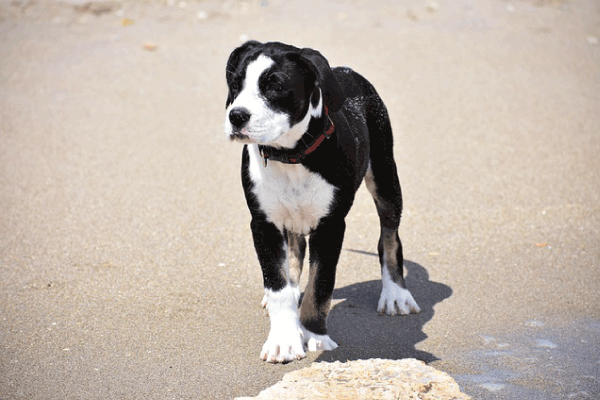
It’s a common misconception that short-haired dog breeds are “low maintenance” in the grooming department. Many owners believe a quick bath every now and then is sufficient, largely overlooking the importance of regular brushing. While they might not develop mats or tangles like their long-haired counterparts, short-haired breeds absolutely do need consistent grooming – and yes, that includes brushing!
This guide will thoroughly elaborate on why and how to maintain the health and cleanliness of your short-coated companion.
Understanding the “Why”: Why Short-Haired Dogs Need Grooming
Before diving into the “how,” let’s debunk the myth and understand the critical reasons why a short coat still demands attention:
- Shedding Management: Short-haired dogs shed. A lot. Often, their short, bristly hairs are more pervasive and harder to remove from fabric than longer hairs. Regular brushing removes loose, dead hair before it ends up on your furniture, clothes, and floor.
- Skin Health & Circulation: Brushing stimulates blood circulation to the skin, which is vital for a healthy coat. It also helps distribute natural skin oils (sebum) uniformly, providing a protective layer and a natural sheen to the coat.
- Early Detection of Issues: Regular hands-on grooming allows you to thoroughly inspect your dog’s skin for any lumps, bumps, lesions, rashes, parasites (fleas, ticks), dry patches, or other abnormalities that might otherwise go unnoticed.
- Reduced Odor & Improved Hygiene: Dead skin cells and trapped dirt can contribute to “doggy odor.” Brushing and bathing removes these, keeping your dog cleaner and smelling fresher.
- Strengthened Bond: Grooming sessions, when approached positively, can be a wonderful bonding experience between you and your dog, building trust and comfort.
- Comfort for the Dog: Removing dead undercoat and loose hair prevents itchiness and makes your dog feel more comfortable, especially in warmer weather.
Essential Grooming Tools for Short-Haired Breeds
Having the right tools makes all the difference. Invest in quality items that will last and be comfortable for both you and your dog.
- Brushes:
- Rubber Curry Brush (e.g., ZoomGroom, Kong Rubber Brush): This is your primary weapon against shedding. Its soft rubber teeth massage the skin, stimulate circulation, and effectively grab loose hair, dirt, and dander without pulling. Ideal for baths too!
- Bristle Brush (Natural or Synthetic): A soft to medium bristle brush is excellent for finishing, smoothing the coat, removing surface dust, and adding shine. It’s also great for dogs with very fine or delicate short coats.
- Grooming Mitt/Glove: Similar to a curry brush, these mitts fit over your hand and have rubber or silicone nubs. They are fantastic for sensitive dogs, quick touch-ups, and getting into hard-to-reach areas. Many dogs enjoy the feel of being “petted” with these.
- Deshedding Tool (e.g., FURminator for Short Hair): Use with caution and sparingly! These tools are highly effective at removing undercoat, but excessive or incorrect use can damage the topcoat or irritate the skin. Limit use to once a week at most, for 10-15 minutes, with a very light hand. Always follow the manufacturer’s instructions for short-haired breeds.
- Bathing Supplies:
- Dog-Specific Shampoo: Choose a pH-balanced shampoo formulated for dogs. Options include general purpose, sensitive skin, deshedding, or brightening formulas.
- Dog Conditioner (Optional but Recommended): Helps moisturize skin and coat, making it softer and shinier.
- Microfiber Towels: Highly absorbent and dry quickly.
- Hair Dryer (Optional): A low-heat, pet-specific dryer or a regular human dryer on a cool/low setting can speed up drying time, especially in cold weather.
- Nail Care:
- Nail Clippers: Choose between guillotine-style or scissor-style clippers. Ensure they are sharp and appropriately sized for your dog.
- Dremel/Grinder: An alternative to clippers, this sands down the nails smoothly and gradually, which can be less stressful for some dogs and reduces the risk of cutting the quick.
- Styptic Powder: Essential to have on hand in case you accidentally cut too far and hit the quick (the blood vessel in the nail). It stops bleeding quickly.
- Ear Care:
- Dog-Specific Ear Cleaner: Vet-approved solutions designed to gently clean and dry the ear canal.
- Cotton Balls or Gauze Pads: For wiping the visible parts of the ear. Never use Q-tips deep in the ear canal.
- Dental Care:
- Dog Toothbrush: Finger brushes or small-headed brushes designed for dogs.
- Dog Toothpaste: Enzymatic toothpaste formulated for dogs (human toothpaste is toxic).
- Other:
- Treats: For positive reinforcement during grooming sessions.
- First Aid Kit: Always good to have on hand for minor nicks or scrapes.
The Comprehensive Grooming Process for Short-Haired Dogs
Consistency is key! Aim for a routine that suits your dog’s individual needs and your lifestyle.
Step 1: Brushing (The Foundation)
Frequency:
- Daily to 3-4 times a week for heavy-shedding breeds (e.g., Labs, Beagles, Pugs, Boxers).
- 1-2 times a week for lighter-shedding breeds (e.g., Greyhounds, Boston Terriers, some Bulldogs).
Technique:
- Find a Calm Spot: Ensure your dog is relaxed. Start with very short sessions (5-10 minutes) and gradually increase as they get comfortable.
- Start Gentle: Begin with the rubber curry brush or grooming mitt. Use short, firm, but gentle strokes, working in the direction of hair growth. This will loosen dead hair, dirt, and dander, and stimulate the skin. Many dogs find this very pleasurable.
- Cover the Whole Body: Systematically move across your dog’s back, sides, legs, chest, and belly. Pay extra attention to areas that might accumulate more loose hair or dirt.
- Deshedding (If Needed): If your dog is a heavy shedder, very gently use a deshedding tool like the FURminator after the curry brush. Use short, light strokes, focusing on the torso. Stop immediately if you see any irritation, redness, or if your dog shows discomfort. Remember, less is more with this tool.
- Finish with a Bristle Brush: Once the loose hair is removed, use a bristle brush to smooth the coat, remove any remaining surface dust, and bring out the natural shine.
- Inspection: As you brush, feel your dog’s body for any unusual lumps, bumps, or tender spots. Part the hair to look for fleas, ticks, or skin irritations.
- Reward: Always end grooming sessions with praise, a treat, or playtime to create a positive association.
Step 2: Bathing
Frequency:
- Every 2-8 weeks, depending on your dog’s lifestyle, skin condition, and how dirty they get. Excessive bathing can strip natural oils and dry out the skin.
Technique:
- Pre-Brush: Always brush your dog thoroughly before bathing. This removes loose hair that would otherwise clog your drain and allows the shampoo to penetrate the coat more effectively.
- Gather Supplies: Have everything you need within arm’s reach: shampoo, conditioner, towels, cotton balls for ears (optional).
- Wet Thoroughly: Use lukewarm water (test on your wrist) and thoroughly wet your dog’s entire coat, from neck to tail. Be careful around the face and ears.
- Shampoo: Apply a generous amount of dog shampoo. Lather well, massaging it into the coat and down to the skin. Pay attention to paws, belly, and under the tail. Avoid getting soap in their eyes or ears. For the face, use a damp cloth with a tiny bit of shampoo, then wipe clean.
- Rinse, Rinse, Rinse! This is crucial for short-haired dogs, as shampoo residue can easily irritate their skin. Rinse until the water runs completely clear and you can no longer feel any slipperiness on the coat.
- Condition (Optional): If using conditioner, apply it after rinsing the shampoo, let it sit for the recommended time, and then rinse thoroughly again.
- Towel Dry: Use microfiber towels to vigorously rub your dog dry. Squeeze excess water from the coat.
- Air or Blow Dry: In warm weather, air drying is often fine. In colder climates or for thicker-coated short-haired breeds (like Bulldogs), a low-heat blow dryer can prevent chills. Keep the dryer moving to avoid hot spots.
Step 3: Nail Trimming
Frequency:
- Every 2-4 weeks, or whenever you hear their nails clicking on hard floors. Overly long nails can cause pain, splay the toes, and lead to orthopedic issues.
Technique:
- Acclimate Your Dog: Start handling their paws frequently from a young age.
- Identify the Quick: The quick is the pink blood vessel and nerve that runs through the nail. On light-colored nails, it’s visible. On dark nails, it’s harder to see; trim small amounts at a time until you see a small black dot in the center – that’s the quick, so stop there.
- Clipping: Hold the paw firmly. Take small, sharp snips off the tip of the nail, angling slightly away from the paw.
- Dremel/Grinder: If using a Dremel, hold the paw firmly and touch the spinning tip to the bottom of the nail, then gently round off the tip. Do short bursts to avoid heat buildup.
- Be Prepared for the Quick: Have styptic powder readily available. If you accidentally cut the quick, apply powder firmly to the bleeding nail until it stops. Don’t panic; it happens!
- Reward: Praise and treats for cooperation!
Step 4: Ear Cleaning
Frequency:
- Weekly to bi-weekly, or after baths/swimming, especially for breeds prone to ear infections (e.g., Bulldogs, Basset Hounds).
Technique:
- Check for Issues: Look for redness, swelling, unusual odor, or excessive discharge. These are signs of infection, requiring a vet visit.
- Apply Cleaner: Lift the ear flap. Apply a vet-approved ear cleaning solution into the ear canal as directed (usually 1/2 to 1 full dropper/squeeze).
- Massage: Gently massage the base of the ear for 15-30 seconds to help the cleaner break up wax and debris. You’ll likely hear a squishing sound.
- Wipe: Allow your dog to shake their head (which helps dislodge gunk). Then, use a cotton ball or gauze pad to gently wipe out any visible dirt or wax from the outer ear canal and ear flap. Never insert anything deep into the ear canal.
- Repeat (If Needed): If the cotton is very dirty, repeat the process with fresh cotton.
Step 5: Dental Care
Frequency:
- Daily brushing is ideal. Professional dental cleanings under anesthesia every 1-3 years as recommended by your vet.
Technique:
- Introduce Gradually: Start by letting your dog lick dog-specific toothpaste off your finger.
- Finger Brush: Once they accept the taste, try a finger brush to gently rub the outer surfaces of their teeth.
- Toothbrush: Work up to a dog toothbrush. Lift the lip and brush the outer surfaces of the teeth in small, circular motions. Focus on the back molars, as these tend to accumulate the most plaque.
- Positive Experience: Keep sessions short, positive, and reward heavily.
Step 6: Eye & Face Care
Frequency:
- As needed.
Technique:
- Wipe Away Discharge: Use a soft, damp cloth (warm water or a saline solution) to gently wipe away any discharge, “sleepers,” or tear stains from the corners of the eyes. Wipe away from the eye.
- Wrinkle Care (for breeds like Pugs, Bulldogs): For dogs with facial folds, gently clean the wrinkles daily with a damp cloth or a pet-safe wipe (ensure it’s unscented and hypoallergenic) to prevent irritation and infection. Ensure the folds are completely dry afterwards to prevent yeast growth.
Managing Shedding in Short-Haired Breeds
Despite their short coats, breeds like Labrador Retrievers, Beagles, Pugs, and German Shorthaired Pointers can be prolific shedders. Their short, stiff hairs tend to embed themselves deeply into fabrics.
Key Strategies for Shedding Control:
- Consistent Brushing: As detailed above, the rubber curry brush and grooming mitt are your best friends. Use them frequently.
- Deshedding Tools (Judiciously): Use specific deshedding tools like the FURminator sparingly to remove dead undercoat.
- Bathing with Deshedding Shampoo: Incorporate a deshedding shampoo during baths every 4-6 weeks. These formulas are designed to help release dead hair.
- High-Quality Diet: A diet rich in Omega-3 and Omega-6 fatty acids (found in fish oil supplements, flaxseed oil) contributes to healthy skin and coat, and can help reduce excessive shedding. Consult your vet before adding supplements.
- Regular Vacuuming: A good pet-specific vacuum cleaner is essential for managing shedding around the home.
Introducing Grooming to a Puppy
Start early! Positive experiences from a young age will make grooming a pleasant routine throughout your dog’s life.
- Short & Sweet: Keep sessions very brief (1-2 minutes) at first.
- Gentle Touch: Use soft brushes and gentle handling.
- Positive Reinforcement: Lavishly praise and reward with treats after each step or short session.
- Handle Paws, Ears, Mouth: Get your puppy comfortable with having these sensitive areas touched and handled well before clipping nails or brushing teeth.
- Embrace the Mess: Puppies will wiggle. Be patient and consistent.
Troubleshooting & Common Problems
- Skin Irritation/Redness: Could be due to over-brushing with harsh tools, shampoo residue, or allergies. Ensure thorough rinsing and use appropriate brushes. If persistent, consult a vet.
- Fear of Grooming: Revert to basics: very short sessions, high-value treats, positive talk, and gentler tools. If severe, consider professional grooming for a positive experience or consult a behaviorist.
- Nail Quicking: Don’t panic! Apply styptic powder firmly. Reassure your dog. It happens, and they will usually forgive you if you remain calm.
- Ear Odor/Discharge: This almost always indicates an infection (yeast, bacterial, mites). See your veterinarian for diagnosis and treatment.
- Excessive Shedding (beyond normal breed expectations): Could be signs of dietary deficiencies, allergies, parasites, hormonal imbalances, or underlying health issues. Consult your veterinarian.
Conclusion
Grooming short-haired dog breeds is far from a trivial task. It’s an essential part of their overall health, hygiene, and well-being. By committing to a consistent routine of brushing, bathing, and care for their nails, ears, and teeth, you’ll ensure your short-coated companion is happy, healthy, comfortable, and a joy to live with. And yes, you’ll significantly reduce the amount of tiny, bristly hairs clinging to every surface in your home!
===================
#DogGrooming, #ShortHairedDogs, #DogBrushing, #PetCare, #CanineGrooming, #DogHealth, #CoatCare, #DogTips, #BreedSpecificGrooming, #LowMaintenanceDogs, #GroomingTips, #HappyDog, #HealthyCoat, #DogLove, #PetGrooming





Add comment