
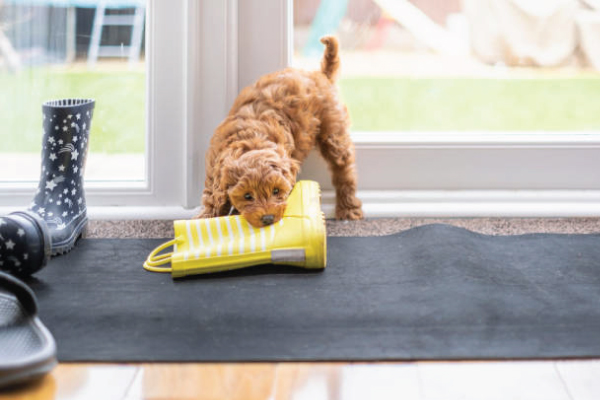
This is a fantastic and very important topic! Grooming is a cornerstone of responsible Doodle ownership. Here’s a comprehensive and elaborate guide to grooming Poodles, Goldendoodles, and Labradoodles, covering everything from essential tools to specific techniques and troubleshooting common issues.
Grooming the Doodle: Maintenance for Poodles, Goldendoodles, and Labradoodles
Doodles, with their often hypoallergenic or low-shedding coats, are a popular choice for families. However, their unique coat types require consistent and dedicated grooming to prevent matting, maintain their health, and keep them looking and feeling their best. This guide will walk you through everything you need to know to confidently groom your Poodle, Goldendoodle, or Labradoodle at home or to better understand what your professional groomer is doing.
Understanding Doodle Coats: The Foundation of Grooming
Before diving into the specifics, it’s crucial to understand the variations in Doodle coats, as this will dictate your grooming approach.
- Poodles: Have a dense, curly, single coat that grows continuously. It’s non-shedding in the traditional sense but requires significant maintenance to prevent tangles and mats.
- Goldendoodles & Labradoodles: These breeds are crosses with Poodles, so their coats can vary.
- Wavy/Shaggy: Often a bit more manageable, with looser waves. They may shed minimally.
- Curly/Wooly: Closest to a Poodle’s coat, dense and curly, requiring the most intensive grooming to prevent mats.
- Straight/Hair-like: Less common, these coats might shed more like their non-Poodle parent breed and may be less prone to severe matting but still benefit from regular brushing.
Why Grooming is Essential:
- Preventing Matting: Mats are tight tangles of hair that can form close to the skin. They are painful, restrict movement, can cause skin infections, and often require shaving off the entire coat.
- Skin Health: Regular grooming allows you to check for parasites, skin irritations, lumps, or bumps. Brushing also distributes natural oils, promoting a healthy, shiny coat.
- Ear Health: Doodle ears, especially those that hang down, are prone to infections due to lack of airflow. Regular cleaning and hair removal from the ear canal are vital.
- Eye Health: Face hair can grow into the eyes, causing irritation and potential infections.
- Hygiene: Keeping nails trimmed and the rear end clean prevents discomfort and hygiene issues.
- Appearance: A well-groomed dog is a happy and comfortable dog.
Essential Grooming Tools: Your Toolkit
Investing in quality grooming tools will make the process smoother and more effective.
- Brushes and Combs:
- Slicker Brush: With fine, short wires, this is excellent for removing loose undercoat, tangles, and mats from the straighter or wavy sections of the coat. Look for one with bent pins to avoid scratching the skin.
- Pin Brush: Similar to human brushes, with longer pins. Good for longer, looser coats and as a finishing brush.
- Metal Comb (Greyhound Comb): A must-have with both wide and fine teeth. Use the wide teeth for initial detangling and the fine teeth to check for any missed mats. It’s crucial for ensuring you’ve brushed all the way down to the skin.
- Undercoat Rake: If your Doodle has a significant undercoat (more common in some Labradoodles and Goldendoodles), this tool helps remove it effectively. Use with caution to avoid irritating the skin.
- Clippers and Blades:
- Corded or Cordless Clippers: Invest in good quality clippers designed for dog grooming. Professional-grade clippers will handle Doodle coats better.
- Blades:
- #10 Blade: A common all-purpose blade for clipping the body, paws, and face.
- #4, #5, #7 Blades: Longer lengths for leaving more hair on the body.
- #30 or #40 Blade: For a very close shave, often used for sanitary trims or “shaving down” very matted dogs.
- Comb Attachments (Guard Combs): These attach to the clipper blade to leave the hair at a specific length. Essential for achieving different styles and lengths without having to switch blades constantly.
- Scissors:
- Straight Scissors: For general trimming, shaping, and tidying up.
- Curved Scissors: Ideal for trimming around the face, feet, and sanitary areas.
- Thinning Shears: Useful for blending different coat lengths and softening hard lines.
- Bathing Supplies:
- Dog-Specific Shampoo and Conditioner: Choose formulations appropriate for your dog’s coat type and skin sensitivity. Moisturizing shampoos and conditioners are excellent for preventing dryness and matting.
- Towels: Absorbent microfiber towels are excellent.
- Grooming Tub (Optional): Makes bathing easier, especially for larger dogs.
- Ear Care:
- Ear Cleaner: Vet-approved solution.
- Cotton Balls or Pads: For cleaning the outer ear.
- Styptic Powder: For accidental nicks to nails.
- Nail Care:
- Nail Clippers: Guillotine or scissor-style.
- Nail Grinder (Dremel): For smoothing and shortening nails, especially if your dog is nervous about clippers.
- Other:
- Grooming Table with Arm: Essential for safety and control, especially when using clippers or scissors.
- Muzzle (Optional): For safety if your dog is uncomfortable with grooming.
- High-Velocity Dryer: A game-changer for drying Doodle coats quickly and thoroughly, helping to fluff the coat and prevent static.
The Grooming Routine: Step-by-Step
Consistency is key! Aim for a regular grooming schedule, ideally combining brushing with baths and trims.
1. Brushing: The Non-Negotiable Daily/Bi-Daily Chore
- Frequency: For most Doodles, especially those with curly or wavy coats, daily brushing is highly recommended. Even every other day can make a significant difference. Wavy or straighter coats might get away with brushing every 2-3 days.
- Technique:
- Start from the bottom up: Work on paws, legs, tail, and then move to the body and head.
- Part the hair: Use the metal comb to part sections of the coat, working down to the skin.
- Brush in layers: Brush the bottom layer of hair thoroughly, then move up, parting the next layer and brushing it, and so on. This ensures you’re reaching the skin and removing tangles before they become mats.
- Use the right tools: Start with a slicker brush to loosen tangles, then follow with a metal comb to ensure there are no hidden mats. The comb should glide through the hair easily all the way to the skin.
- Pay attention to friction areas: Behind the ears, under the legs, the armpits, the groin area, and the tail base are prime spots for matting. Be extra thorough here.
- Be gentle: If you encounter a tangle, don’t yank. Try to work it out gently with your fingers or the end of the comb. If it’s a severe mat, you may need to carefully snip it away with a mat splitter or thin scissors. Never cut a mat straight across, as you risk cutting the skin.
- Mat Management: If you find a mat, try to slide a comb or your fingers between the mat and the skin. If it’s too tight, a mat splitter can help break it down. If it’s very close to the skin and painful to work out, it might be best to carefully cut it away with scissors pointing away from the skin or to shave it out with clippers.
2. Bathing: Cleaning and Conditioning
- Frequency: This depends on your dog’s lifestyle and coat. Generally, every 4-8 weeks is sufficient. Over-bathing can strip natural oils.
- Preparation:
- Brush thoroughly BEFORE the bath: This is critical! Water tightens mats, making them impossible to remove without shaving. Ensure the coat is completely tangle-free.
- Tidy up: Trim around the sanitary area, paws, and face to prevent excessive waterlogging of hair.
- Protect ears: Place cotton balls gently in your dog’s ears to prevent water from entering.
- Use a non-slip mat: In the tub for your dog’s safety and comfort.
- Bathing Process:
- Wet thoroughly: Use lukewarm water to saturate the entire coat down to the skin.
- Shampoo: Apply a generous amount of dog-specific shampoo and lather well, working from neck to tail. Be sure to get into all areas.
- Rinse thoroughly: This is vital! Shampoo residue can irritate the skin and contribute to matting. Rinse until the water runs clear and the coat feels squeaky clean.
- Condition: Apply a good quality conditioner, especially if your dog has a dry or prone-to-matting coat. Leave it on for a few minutes before rinsing.
- Final Rinse: Rinse thoroughly again.
3. Drying: Crucial for Preventing Mats
- Towel Dry: Gently squeeze excess water out with absorbent towels.
- High-Velocity Dryer: This is the best option for Doodles.
- Speed: It forces water out of the dense coat much faster than a regular hair dryer.
- Fluffing: The force of the air helps to separate and fluff the coat, preventing tangles.
- Technique: Keep the dryer moving, starting on a cooler setting and gradually increasing warmth if needed. Brush the coat as you dry, working in sections. Ensure the coat is 100% dry down to the skin. Dampness is a breeding ground for mats.
- Regular Hair Dryer (Use with Caution): If you don’t have a high-velocity dryer, use a regular human hair dryer on a cool or low-heat setting. Keep it moving and brush continuously. This will take much longer and may not be as effective for very dense coats.
4. Clipping and Trimming: Shaping Your Doodle
- Frequency: This depends on your desired length and how quickly your dog’s hair grows. Typically, every 4-8 weeks for a full groom.
- Safety First:
- Secure your dog: Use a grooming table with an arm. Ensure your dog is comfortable and safe.
- Work with the lie of the coat: Always clip in the direction the hair grows.
- Be mindful of skin: Doodle skin is thin and delicate. Be especially careful around folds, elbows, and bony areas.
- Keep blades cool: Clipper blades can get very hot. Use cooling spray or switch blades frequently.
- Clipping Techniques:
- Body: Decide on your desired clip length. Use a comb attachment for an even finish or a blade for a shorter look. Start with a longer blade or attachment and work down if needed.
- Paws: Use a #10 blade or scissors to trim hair between the paw pads and around the edges for a neat look.
- Face: This requires careful use of scissors or a small trimmer. Trim hair around the eyes (keeping it well back) and the muzzle. Curved scissors are useful here.
- Ears: Trim excess hair from the ear flap.
- Sanitary Trim: Clip hair short around the anus and genital areas to keep them clean.
- Feet Feet: Trim hair around the paws to create a neat, rounded “cat foot” appearance.
- Scissoring: Blending seams created by clippers, shaping the head, and tidying up the legs are often done with scissors. Thinning shears can help soften edges.
5. Ear Cleaning: Preventing Infections
- Frequency: Weekly is ideal, or at least every other week.
- Process:
- Apply cleaner: Gently squirt a vet-approved ear cleaner into the ear canal.
- Massage: Gently massage the base of the ear for about 20-30 seconds to help the cleaner work its way in.
- Wipe: Let your dog shake their head (stand back!), then use a cotton ball or pad to gently wipe away any debris from the outer ear canal. Never insert anything deep into the ear canal.
- Pluck ear hair (if necessary): Some Doodles have fine hairs in their ear canal that can trap moisture and debris. If your vet recommends it, you can gently pluck these hairs with your fingers or a hemostat. This should be done carefully.
6. Nail Trimming: Essential for Mobility and Comfort
- Frequency: Every 3-4 weeks, or when you can hear them clicking on the floor.
- Process:
- Identify the quick: This is the pinkish part of the nail that contains blood vessels and nerves. Avoid cutting into it. In dark-haired dogs, it can be harder to see, so trim small amounts at a time.
- Trim: Use sharp nail clippers to snip off the tip of the nail.
- Grinding (Dremel): If using a grinder, hold it at a low speed and gently sand down the nail. This smooths out rough edges and is less likely to cause bleeding if you go too far. Introduce the grinder slowly as many dogs are noise-sensitive.
- Styptic Powder: Keep styptic powder handy in case you accidentally cut into the quick and cause bleeding. Apply pressure to stop the bleeding.
7. Dental Care: Don’t Forget the Teeth!
- Frequency: Ideally, brush your dog’s teeth daily or at least several times a week.
- Process:
- Use dog-specific toothpaste: Never use human toothpaste.
- Introduce gradually: Start by letting your dog lick the toothpaste. Then, gradually introduce a soft-bristled toothbrush or finger brush.
- Focus on the outer surfaces: Angle the brush towards the gum line.
Troubleshooting Common Grooming Issues
- Severe Matting: If your dog is severely matted, it’s often best to seek professional grooming or be prepared to shave the coat down completely using clippers. Trying to brush out severe mats can be agonizing for the dog and damage the skin.
- Skin Irritation: Can be caused by shampoo residue, harsh brushing, fleas, allergies, or underlying skin conditions. Ensure thorough rinsing, use gentle products, and consult your vet if the problem persists.
- “Comb-Out” vs. “Clip-Out”: Some groomers offer a “comb-out” service where they meticulously brush out tangles. However, for very curly or dense coats, this can be time-consuming and stressful for the dog. A “clip-out” (shaving down) is often kinder and more efficient for badly matted dogs.
- Fear of Grooming: Introduce grooming tools and practices to puppies from a young age. Use positive reinforcement (treats, praise) to make the experience enjoyable. For adult dogs who are fearful, work in short, positive sessions. A professional groomer experienced with anxious dogs can also help.
- Static Coat: Can happen with certain dryers or during dry weather. Ensure thorough rinsing of conditioner and use a good quality grooming spray designed to reduce static.
Professional Grooming: When to Call in the Experts
While at-home grooming is rewarding, there are times when professional help is beneficial:
- First Groom: Especially for puppies, a professional can introduce them to the grooming process in a controlled and positive way.
- Severe Matting: As mentioned, it’s often best left to the professionals.
- Difficult Coats: Very dense or curly coats can be challenging.
- Complex Styles: Achieving specific breed clips or intricate styling.
- Overwhelmed Owners: If you lack the time, space, or confidence to groom at home.
- Health Concerns: If you notice something unusual on your dog’s skin, ears, or nails, a groomer can flag it for your vet.
What to Discuss with Your Professional Groomer:
- Your dog’s coat type and any specific sensitivities.
- Your preferred clip and length.
- Any matting history.
- Any behavioral issues your dog might have during grooming.
- How often you brush at home.
Conclusion: A Labor of Love
Grooming your Doodle is more than just aesthetics; it’s a vital component of their health and well-being. With the right tools, consistent effort, and a gentle approach, you can keep your Poodle, Goldendoodle, or Labradoodle looking fantastic and feeling comfortable. Embrace the process as quality time with your furry companion, and you’ll reap the rewards of a happy, healthy, and beautiful dog.
#DoodleGrooming, #PoodleGrooming, #GoldendoodleGrooming, #LabradoodleGrooming, #DogGrooming, #CoatMaintenance, #PoodleCare, #GoldendoodleCare, #LabradoodleCare, #DoodleOwner, #FurryFriends, #PetGrooming, #DogHair, #GroomingTips, #HealthyCoat, #DogLife, #PuppyGrooming, #DoodleLove





Add comment