
Growth Hormone-Responsive Dermatitis, also commonly referred to as Somatotropin-Responsive Dermatosis or Growth Hormone (GH) Deficiency Dermatosis, is a rare but intriguing endocrine skin condition in dogs. It is characterized primarily by non-itchy, symmetrical hair loss (alopecia), often accompanied by hyperpigmentation (darkening of the skin) and other skin changes. While the name suggests a direct deficiency in growth hormone as the sole cause, the exact pathophysiology can be complex and is not always fully understood, particularly in cases where baseline GH levels appear normal but the dog responds to exogenous GH administration. This condition is more frequently observed in certain predisposed breeds, typically manifesting in young adult dogs. Understanding this dermatosis requires a deep dive into canine endocrinology, differential diagnoses, and the nuances of its management. This comprehensive guide will explore the causes, signs, at-risk breeds, diagnostic approaches, treatment strategies, prognosis, prevention, nutritional considerations, and zoonotic implications of Growth Hormone-Responsive Dermatitis in dogs.
Introduction to Growth Hormone-Responsive Dermatitis
Growth Hormone-Responsive Dermatitis represents a unique manifestation of endocrine alopecia in dogs, where the skin and coat health are significantly impaired due to insufficient production or action of growth hormone (somatotropin). Growth hormone, primarily synthesized and secreted by the anterior pituitary gland, plays a pivotal role in numerous physiological processes beyond just growth, including metabolism (protein synthesis, fat mobilization, glucose regulation), immune function, and, critically, skin and hair follicle development and cycling. In affected dogs, the absence or insufficiency of GH disrupts the normal hair cycle, leading to the characteristic retention of puppy coat, failure of adult hair growth, and eventual symmetrical alopecia.
Despite its designation, a definitive diagnosis of primary GH deficiency is often challenging due to the pulsatile nature of GH secretion and the difficulty in performing reliable GH stimulation tests in standard clinical settings. Consequently, many cases are diagnosed based on a therapeutic trial – the resolution of dermatological signs following the administration of exogenous growth hormone. This therapeutic responsiveness, even in the absence of a confirmed GH deficiency, underscores the importance of GH in maintaining canine integumentary health. The condition is non-life-threatening but can significantly impact the dog’s appearance and predispose to secondary skin issues, necessitating accurate diagnosis and consistent management. Its prevalence is low, but a higher incidence in certain breeds points towards a strong genetic predisposition, making it a condition of particular interest to breeders and veterinarians alike.
Causes of Growth Hormone-Responsive Dermatitis
The underlying causes of Growth Hormone-Responsive Dermatitis are multifaceted and not always definitively established, often falling into the category of idiopathic (unknown cause). However, several theories and known factors contribute to its development:
- Primary Growth Hormone Deficiency:
- Pituitary Hypoplasia or Dysplasia: The most direct cause would be an underdeveloped or malformed pituitary gland, leading to an actual reduction in the number of somatotropic cells responsible for GH production. This is believed to be the case in some breeds, particularly the Keeshond, where an autosomal recessive genetic defect has been strongly implicated. In severe cases affecting puppies, it can lead to panhypopituitarism (deficiency of multiple pituitary hormones), resulting in proportional dwarfism in addition to dermatological signs.
- Pituitary Cysts or Tumors: While less common as a direct cause of deficiency in this specific context (tumors are more often associated with excess GH, leading to acromegaly), a space-occupying lesion within the pituitary could theoretically impair somatotropic cell function, reducing GH secretion.
- Idiopathic: In many instances, no specific structural abnormality of the pituitary gland is identified, and the deficiency is considered sporadic or idiopathic. The exact mechanism for reduced GH secretion remains elusive.
- Impaired GH Action or Receptor Sensitivity:
- It’s possible that in some dogs, the issue isn’t a lack of GH production but rather a problem with its peripheral action. This could involve defects in GH receptors on target cells (like hair follicles) or issues with the downstream signaling pathways that mediate GH’s effects. If cells are unable to respond effectively to circulating GH, the clinical signs would mimic a deficiency. This concept is sometimes considered in cases of Alopecia X that are less consistently responsive to GH but exhibit similar dermatological signs.
- Genetic Predisposition:
- The striking breed predilection for Growth Hormone-Responsive Dermatitis strongly suggests a genetic component. In Keeshonds, a suspected autosomal recessive inheritance pattern has been proposed for pituitary dwarfism, which can include GH deficiency and associated skin signs. Genetic factors might influence pituitary development, hormone synthesis, or receptor expression, leading to susceptibility in certain lines.
- Influence of Sex Hormones and Neutering:
- A significant observation in Growth Hormone-Responsive Dermatitis, particularly in breeds like the Keeshond and Chow Chow, is the temporal association with neutering. Many affected dogs develop or exacerbate their dermatological signs months to years after being spayed or castrated. The exact mechanism is unclear but suggests a complex interplay between growth hormone and sex hormones. Androgens and estrogens can influence GH secretion and action, and their removal might unmask or aggravate an underlying GH insufficiency, or impact hair follicle cycling in a way that becomes GH-dependent. This makes the condition sometimes difficult to differentiate from “post-neutering alopecia” or other forms of sex hormone-related dermatoses.
- Interplay with Other Endocrine Axes:
- The endocrine system is a complex network where hormones influence each other. While Growth Hormone-Responsive Dermatitis is primarily a GH issue, it’s not uncommon to see subtle disturbances in other endocrine axes (e.g., thyroid hormones, adrenal hormones) in dogs with alopecia. These interactions might contribute to the overall dermatological picture, making diagnosis and treatment challenging. For instance, GH deficiency can sometimes be part of a broader panhypopituitarism, involving deficiencies of TSH (leading to hypothyroidism) and ACTH (leading to hypoadrenocorticism), which would compound the clinical signs. However, true isolated GH deficiency is more common for this specific dermatitis.
In summary, while a primary deficiency in pituitary GH production is the most direct cause, genetic factors, potential defects in GH action, and the complex interplay with sex hormones and neutering are all significant contributors to the etiology of Growth Hormone-Responsive Dermatitis in dogs. Recognizing these diverse contributing factors is crucial for a holistic understanding of the condition.
Signs and Symptoms of Growth Hormone-Responsive Dermatitis
The clinical signs of Growth Hormone-Responsive Dermatitis are primarily dermatological, affecting the skin and hair coat, but in severe cases, particularly those involving more extensive pituitary dysfunction, systemic signs can also be present. The onset is typically insidious, with signs often developing gradually over several months to a year.
Primary Dermatological Signs:
- Symmetrical Non-Pruritic Alopecia: This is the hallmark sign.
- Pattern: Hair loss is typically bilateral and symmetrical, meaning it affects both sides of the body equally.
- Location: Commonly starts in areas of friction or wear, such as the neck (especially where a collar sits), ventral abdomen, flanks, caudal thighs, and perineum. Over time, it can progress to cover large areas of the trunk, leaving the head and extremities relatively spared.
- Nature: The alopecia is initially non-pruritic (not itchy), unless secondary infections develop.
- “Puppy Coat Retention”: A classic early sign is the failure of the dog to shed its soft, fluffy puppy coat and develop a normal, coarse adult guard coat. The existing puppy hair may become dull, dry, and easily broken.
- Hair Quality: The remaining hair is often sparse, dull, dry, brittle, and lacks guard hairs. It may feel soft and fine, akin to a puppy’s coat, or like cashmere.
- Hyperpigmentation:
- As the alopecia progresses, the affected skin often develops a noticeable darkening (hyperpigmentation). This can range from a mild greyish tint to a deep, blue-black discoloration, particularly in chronic cases. This is due to increased melanin production in response to chronic irritation or endocrine imbalance.
- Scaling and Seborrhea:
- The skin in affected areas may become dry and flaky (seborrhea sicca) or greasy (seborrhea oleosa), often with a dull, unhealthy appearance. This can be a primary manifestation or exacerbated by secondary bacterial or yeast overgrowth.
- Comedones (Blackheads):
- Especially prominent on the ventral abdomen, these small, dark plugs of keratin and sebum within hair follicles are a common finding in endocrine dermatoses, including GH-responsive dermatitis.
- Follicular Cysts and Papules:
- The skin may develop small bumps or cysts due to blocked hair follicles.
- Lichenification:
- In chronic cases, particularly where secondary infections or self-trauma (due to pruritus from infection) have occurred, the skin can become thickened, leathery, and develop an exaggerated skin pattern (lichenification).
Secondary Dermatological Signs:
- Secondary Bacterial Pyoderma:
- The compromised skin barrier, follicular changes, and altered immune response associated with endocrine imbalances make affected dogs highly susceptible to bacterial skin infections (pyoderma). This can manifest as papules, pustules, epidermal collarettes, crusting, and a foul odor.
- Pruritus: While the primary alopecia is non-itchy, secondary pyoderma or yeast infections will cause significant pruritus, leading to scratching, licking, and further skin trauma.
- Malassezia (Yeast) Dermatitis:
- Similar to bacterial infections, yeast overgrowth (typically Malassezia pachydermatis) is common secondary to altered skin microenvironment and can cause greasy skin, odor, redness, and severe itching.
Systemic Signs (Less Common for Isolated GH-Responsive Dermatitis):
While the primary focus of Growth Hormone-Responsive Dermatitis is on skin and coat, in rare cases of severe, congenital GH deficiency, or panhypopituitarism, more generalized systemic signs indicative of broader endocrine dysfunction may be observed, particularly in younger animals:
- Stunted Growth (Dwarfism):
- If GH deficiency is severe and congenital, puppies may exhibit proportional dwarfism, meaning they are significantly smaller than their littermates but with normal body proportions. This is more indicative of panhypopituitarism affecting overall growth, rather than isolated GH-responsive dermatitis.
- Lethargy and Exercise Intolerance:
- General lack of energy and reduced stamina can occur if metabolic processes are significantly impaired by GH deficiency or concurrent hormone deficiencies.
- Muscle Atrophy:
- GH plays a role in muscle development and maintenance, so severe deficiency might contribute to muscle wasting.
- Delayed Epiphyseal Closure:
- In young, growing dogs, GH deficiency can delay the fusion of growth plates in bones, leading to persistent open physes.
- Changes in Body Proportions:
- While usually proportional dwarfism, some very severe congenital cases might show subtle disproportions.
- Reproductive Issues:
- Infertility or abnormal sexual development can occur, especially if other pituitary hormones (e.g., gonadotropins) are also deficient.
- Hypothermia:
- Poor heat regulation can be a systemic sign of severe endocrine disorders.
It is crucial to differentiate between these primary dermatological signs and secondary complications, as the latter often drive the initial veterinary visit due to discomfort and itching. A thorough dermatological and endocrine workup is essential for accurate diagnosis.
Dog Breeds At Risk (with a paragraph explanation)
Growth Hormone-Responsive Dermatitis, while rare, exhibits a strong breed predisposition, particularly within Northern breeds and Spitz-type dogs. This suggests a genetic component to the condition, although the exact mode of inheritance is not always clear for every breed. Understanding which breeds are at risk is crucial for early suspicion and diagnosis.
1. Keeshond
The Keeshond is perhaps the most classically and frequently associated breed with Growth Hormone-Responsive Dermatitis, often serving as the prototype for discussions of this condition. In Keeshonds, the underlying cause is frequently linked to a genetic defect leading to pituitary dwarfism, where there is a deficiency of not only growth hormone but often other pituitary hormones (panhypopituitarism). Affected puppies may be visibly smaller and fail to grow at a normal rate, and the dermatological signs of puppy coat retention, symmetrical alopecia, and hyperpigmentation typically manifest between 1 to 3 years of age. Owners often notice the dog’s coat failing to develop properly after neutering, which can be a trigger or unmask an underlying predisposition in this breed. The skin becomes dry, scaly, and hyperpigmented, and secondary infections are common. Due to the genetic nature, responsible breeding practices are encouraged to screen for affected individuals and their carriers, though specific genetic tests for this exact condition are not universally available.
2. Chow Chow
Similar to the Keeshond, the Chow Chow is another Spitz-type breed that is highly overrepresented in cases of Growth Hormone-Responsive Dermatitis. Chow Chows often present with identical dermatological signs: symmetrical, non-inflammatory alopecia that typically begins on the flanks, caudal thighs, and ventral abdomen, eventually spreading. The hair coat becomes dull, dry, and brittle, and the characteristic hyperpigmentation and lichenification of the skin are common. As with Keeshonds, the onset of symptoms in Chow Chows can sometimes be associated with neutering, suggesting a similar interplay between sex hormones and possible underlying growth hormone insufficiency. The condition in Chow Chows is frequently grouped under the broader umbrella of “Alopecia X” or “Black Skin Disease,” but specific cases have shown a positive response to growth hormone therapy, indicating a GH-responsive component.
3. Pomeranian
Pomeranians are widely known for a condition often termed “Alopecia X,” “Black Skin Disease,” or “Coat Funk.” While not all cases of Alopecia X are directly Growth Hormone-Responsive Dermatitis, a subset of Pomeranians presenting with these symptoms may show a positive response to growth hormone administration, blurring the lines between these diagnoses. The typical presentation includes progressive, symmetrical hair loss, starting on the trunk and spreading, often sparing the head and limbs. The remaining coat is often dull and sparse, and the skin becomes highly hyperpigmented and thickened. The precise endocrine imbalance in Pomeranian Alopecia X is complex and likely multifactorial, sometimes involving subtle adrenal enzyme deficiencies, sex hormone imbalances, or follicular dysplasia. However, the possibility of a GH-responsive component makes Growth Hormone-Responsive Dermatitis a consideration in the differential diagnosis for alopecic Pomeranians.
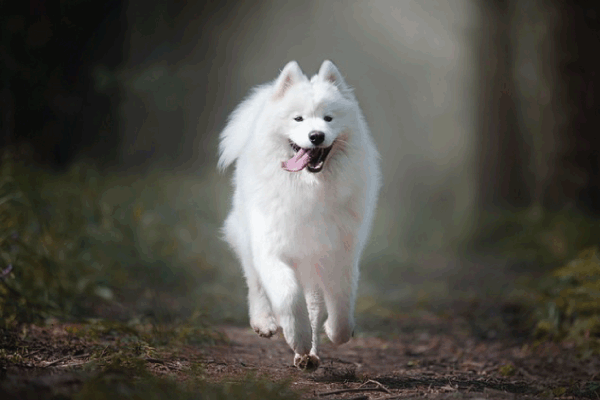
4. Samoyed
Also a Northern breed with a dense, double coat, the Samoyed is considered another breed at increased risk for Growth Hormone-Responsive Dermatitis. The clinical presentation in Samoyeds largely mirrors that seen in Keeshonds and Chow Chows, characterized by symmetrical, non-pruritic alopecia, particularly on the trunk. The coat quality deteriorates, becoming sparse and dull, with subsequent hyperpigmentation of the skin. As with other predisposed breeds, the onset is typically in young adulthood. Given their genetic lineage and shared characteristics with other Spitz breeds, a similar underlying genetic or endocrine predisposition towards GH deficiency or altered GH response is suspected in the Samoyed.
5. Alaskan Malamute
The Alaskan Malamute, another powerful Arctic breed, has been sporadically reported to develop Growth Hormone-Responsive Dermatitis. While less common than in Keeshonds or Chow Chows, affected Malamutes present with the characteristic progressive, symmetrical hair loss and skin changes. The thick double coat of a Malamute can make early signs of thinning more subtle to detect, but eventually, large areas of the trunk become devoid of hair, and the underlying skin darkens. The involvement of such a robust Northern breed further supports the theory of a breed-specific genetic vulnerability to endocrine dermatopathies affecting the growth hormone axis.
6. Miniature Poodle
While less frequently cited than the Spitz breeds, Miniature Poodles have also been documented to develop Growth Hormone-Responsive Dermatitis. The clinical signs are consistent with the general description, including symmetrical alopecia and hyperpigmentation. The occurrence in a breed so genetically distinct from the Northern breeds suggests that while there may be a strong breed predisposition, the condition is not exclusive to one genetic lineage or morphological type. In Poodles, as in Pomeranians, the condition might sometimes be considered within the spectrum of Alopecia X, where a specific GH component may be identifiable through therapeutic trials.
7. Boxer and Airedale Terrier
Reports of Growth Hormone-Responsive Dermatitis in breeds like the Boxer and Airedale Terrier are even more sporadic, indicating that while there’s a strong breed predilection, the condition is not entirely confined to the most commonly cited breeds. In these less commonly affected breeds, a diagnosis of GH-responsive dermatitis would typically only be made after ruling out all other more common causes of endocrine alopecia and demonstrating a clear positive response to growth hormone therapy. This highlights that while genetic susceptibility is a major factor, isolated or idiopathic cases can theoretically arise in any breed.
It is important to remember that for any breed, a diagnosis of Growth Hormone-Responsive Dermatitis should only be reached after a thorough diagnostic workup to exclude more common causes of alopecia. However, an awareness of these at-risk breeds allows veterinarians to include this condition earlier in their differential diagnoses, especially when presented with characteristic clinical signs.
Affects Puppy, Adult, or Older Dogs
Growth Hormone-Responsive Dermatitis primarily affects young adult dogs, but its manifestations can subtly begin in puppyhood and persist or worsen into older age if untreated. The typical age of onset is a crucial diagnostic clue.
Puppies
While rare for dermatological signs to be fully developed in very young puppies, the underlying growth hormone deficiency can manifest early in life, particularly in cases of severe congenital pituitary dwarfism.
- Early Signs (Congenital GH Deficiency/Panhypopituitarism): In severely affected puppies (e.g., some Keeshonds), signs might be noticeable from a few weeks or months of age. These puppies may exhibit proportional dwarfism (smaller than littermates but well-proportioned), lethargy, and a delay in tooth eruption. The most pertinent dermatological sign in puppies is “puppy coat retention,” where the puppy fails to shed its soft, fluffy puppy coat and grow a normal, coarser adult guard coat. Instead, the puppy coat remains, often becoming dull, dry, and easily matted. True, widespread alopecia usually develops later, but the abnormal coat quality can be an early indicator.
Adult Dogs (Young Adult, 1-3 years old – Most Common)
This is the most common age group for the clinical onset of Growth Hormone-Responsive Dermatitis.
- Onset: Typically, dogs start showing signs between 1 to 3 years of age, though it can sometimes extend up to 5 years. This period often coincides with the maturation of the dog’s endocrine system and, notably, with the age at which many dogs are neutered.
- Progressive Alopecia: The characteristic symmetrical, non-pruritic alopecia usually begins slowly, often starting on the flanks, ventral abdomen, and caudal thighs, and progressively spreading over the trunk.
- Association with Neutering: A significant percentage of cases, particularly in predisposed breeds like Keeshonds and Chow Chows, develop or significantly worsen within several months to a year after neutering (spaying or castration). This observation highlights the complex interplay between sex hormones and the growth hormone axis, suggesting that the removal of gonadal hormones might unmask or exacerbate an underlying GH insufficiency or altered hair cycle regulation.
- Chronic Signs: As the condition progresses, the skin becomes increasingly hyperpigmented, thickened (lichenified), and often scaly or greasy. Secondary bacterial or yeast infections are common, leading to pruritus and discomfort.
Older Dogs
- New Onset: It is uncommon for Growth Hormone-Responsive Dermatitis to have a new onset in older dogs (e.g., dogs over 6-7 years of age). Endocrine alopecia appearing for the first time in an older dog is more likely to be due to other conditions such as hypothyroidism, hyperadrenocorticism (Cushing’s disease), or potentially adrenal sex hormone imbalances that manifest later in life.
- Persistence of Untreated Condition: If a dog developed Growth Hormone-Responsive Dermatitis in its young adult years and remained undiagnosed or untreated, the condition will persist into older age, with chronic and severe skin changes. In such cases, the challenges might involve managing long-standing secondary infections, pronounced hyperpigmentation, and severe dermal atrophy or lichenification. The underlying GH deficiency would still be present and responsive to treatment, but the chronic changes may take longer to resolve or might not fully reverse.
- Complicating Factors: In older dogs, concurrent age-related diseases or other endocrine disorders can complicate the diagnostic picture, making it even more crucial to systematically rule out other causes of alopecia.
In summary, Growth Hormone-Responsive Dermatitis is predominantly a disease of young adulthood, particularly affecting dogs around 1 to 3 years of age. While its roots can sometimes be traced back to puppyhood in severe cases, and it can persist into older age if untreated, a new onset in an elderly dog is highly atypical and should prompt a thorough investigation for alternative diagnoses.
Diagnosis of Growth Hormone-Responsive Dermatitis
Diagnosing Growth Hormone-Responsive Dermatitis can be challenging due to the difficulty in directly measuring growth hormone deficiency and the clinical similarities to other endocrine dermatoses. A comprehensive approach involving a thorough history, physical examination, exclusion of differential diagnoses, specialized endocrine testing, and often a therapeutic trial is necessary.
1. History and Clinical Signs
- Signalment: Breed predisposition (Keeshond, Chow Chow, Pomeranian, Samoyed, etc.), age of onset (typically 1-3 years old), sex (often noted after neutering).
- Primary Complaint: Progressive, symmetrical hair loss, usually non-pruritic initially.
- Timeline: Gradual onset, often over months.
- Associated Factors: Neutering history (timing relative to symptom onset).
- Other Symptoms: Has the dog shown stunted growth (if a puppy)? Are there signs of lethargy or other systemic issues?
- Skin Changes: Owner’s observations of hyperpigmentation, scaling, odor, or pruritus (if secondary infection present).
2. Physical Examination
- Dermatological Findings: Confirm symmetrical, non-inflammatory alopecia, often sparing the head and limbs. Assess for puppy coat retention, poor hair quality, hyperpigmentation, scaling, comedones, and lichenification. Note any signs of secondary infection (papules, pustules, epidermal collarettes, odor).
- General Health: Evaluate the dog’s overall body condition, presence of dwarfism (if juvenile onset), and any other systemic abnormalities.
3. Exclusion of Other Causes (Differential Diagnoses)
This is a critical step, as many conditions mimic Growth Hormone-Responsive Dermatitis.
- Hypothyroidism: Thyroid hormone deficiency is a very common cause of symmetrical alopecia.
- Tests: Serum total T4, free T4 by equilibrium dialysis (fT4-ED), and TSH.
- Hyperadrenocorticism (Cushing’s Disease): Excess cortisol.
- Tests: Low-Dose Dexamethasone Suppression Test (LDDST) or ACTH Stimulation Test.
- Sex Hormone Imbalances (e.g., Alopecia X, Castration-Responsive Dermatosis, Adrenal Hyperplasia-like Syndrome): These conditions often present with identical clinical signs.
- Tests: Adrenal sex hormone panel (e.g., estradiol, progesterone, androstenedione, 17-OH progesterone) before and after ACTH stimulation.
- Therapeutic trial: Response to neutering (if intact and hyperestrogenism suspected), melatonin, or GnRH agonists (e.g., Deslorelin implants).
- Follicular Dysplasia: Inherited structural defects of hair follicles, specific to certain breeds (e.g., Dobermans, Irish Water Spaniels).
- Tests: Skin biopsy can be suggestive.
- Demodicosis (Demodex mites): Primarily localized or generalized hair loss, often with secondary infection. Can be non-pruritic.
- Tests: Deep skin scrapings.
- Dermatophytosis (Ringworm): Fungal infection causing patchy hair loss, scaling, and inflammation.
- Tests: Fungal culture (DTM), Wood’s lamp examination (for Microsporum canis).
- Sebaceous Adenitis: Inflammatory destruction of sebaceous glands.
- Tests: Skin biopsy.
4. Dermatohistopathology (Skin Biopsy)
- Purpose: While not definitively diagnostic for Growth Hormone-Responsive Dermatitis, a skin biopsy can confirm “endocrine alopecia” patterns and help rule out other conditions.
- Findings (Suggestive of Endocrine Alopecia):
- Telogen arrest: Most hair follicles are in the resting (telogen) phase, with few in the active growth (anagen) phase.
- Follicular atrophy: Hair follicles appear small and underdeveloped.
- Epidermal and follicular hyperkeratosis: Thickening of the outer skin layer and accumulation of keratin in follicles (comedones).
- Hyperpigmentation: Increased melanin in the epidermis.
- Prominent sebaceous glands: Often appear larger than normal relative to the atrophied follicles.
- Lack of inflammation (initially): No significant inflammatory infiltrate unless secondary infection is present.
- Differentiation: Biopsy findings can be very similar across various endocrine dermatoses (hypothyroidism, hyperadrenocorticism, Alopecia X), making it difficult to pinpoint GH deficiency solely based on histology.
5. Endocrine Testing for Growth Hormone
Baseline GH levels are notoriously unreliable for diagnosing deficiency due to its pulsatile secretion and rapid metabolism.
- Baseline GH Measurement: Not recommended as a primary diagnostic tool. A single measurement can be within the normal range even in deficient animals due to the episodic release.
- Growth Hormone Stimulation Test:
- Purpose: To assess the pituitary gland’s ability to release GH in response to a pharmacological stimulant.
- Stimulants: Xylazine, clonidine, or growth hormone-releasing hormone (GHRH).
- Procedure: A baseline blood sample is taken, the stimulant is administered, and then multiple blood samples are collected over several hours to measure GH levels.
- Interpretation: A flat or blunted response (failure to significantly increase GH levels) is indicative of GH deficiency.
- Limitations: These tests are complex, expensive, require specialized reagents and laboratory assays (some not widely available), and can have inconsistent results or side effects. This makes them impractical for routine clinical use in many practices.
- Insulin-like Growth Factor 1 (IGF-1) Measurement:
- Purpose: IGF-1 is produced by the liver under the influence of GH and has a longer half-life and less pulsatile secretion than GH, making it a more stable indicator of overall GH activity.
- Interpretation: Low IGF-1 levels can suggest GH deficiency.
- Limitations: IGF-1 levels can also be lowered by malnutrition, liver disease, hypothyroidism, and other systemic illnesses, so it’s not specific to GH deficiency and must be interpreted cautiously.
6. Therapeutic Trial with Exogenous Growth Hormone
Given the difficulties and limitations of direct GH testing, a therapeutic trial is often the most practical and definitive diagnostic method in clinical practice for dogs with classic signs and after other endocrine diseases have been ruled out.
- Procedure: Administer exogenous growth hormone (typically porcine GH, recombinant human GH is less preferred due to antibody formation) parenterally.
- Dosage & Frequency: This is usually done 2-3 times per week for 4-8 weeks.
- Response: A significant improvement in hair regrowth, particularly the development of adult guard hairs, within 2-3 months is considered a strong indication of Growth Hormone-Responsive Dermatitis. Hair regrowth typically starts within 4-8 weeks of treatment.
- Considerations: This is an “exclusionary diagnosis” paired with a positive therapeutic response. It requires careful monitoring for side effects, especially potential for diabetes mellitus or acromegaly with prolonged or excessive use.
In summary, the diagnostic process for Growth Hormone-Responsive Dermatitis is a journey of elimination and observation. While specialized GH stimulation tests exist, they are often impractical. The most common and effective diagnostic approach relies on a strong clinical suspicion based on breed, age, and characteristic signs, thorough exclusion of other endocrine and dermatological conditions, and ultimately, a positive response to a therapeutic trial with exogenous growth hormone.
Treatment of Growth Hormone-Responsive Dermatitis
The primary treatment for Growth Hormone-Responsive Dermatitis involves the administration of exogenous growth hormone. However, given the clinical similarities to Alopecia X and other endocrine imbalances, and the potential side effects of GH therapy, alternative and adjunctive treatments are also considered.
1. Exogenous Growth Hormone (GH) Administration (Primary Treatment)
- Type of GH:
- Porcine Growth Hormone (pGH): Historically, extracts of porcine pituitary gland were used. This is generally preferred when available because canine and porcine GH are structurally similar, leading to less antibody formation and better sustained efficacy compared to human GH. However, pGH supplies can be inconsistent.
- Recombinant Human Growth Hormone (rhGH – Somatropin): While effective initially, rhGH is heterologous (from a different species) and can induce antibody formation in dogs over time. These antibodies can neutralize the exogenous GH, rendering the treatment ineffective, and potentially even neutralize the dog’s endogenous GH. Therefore, rhGH is generally used with caution and often considered after pGH options are exhausted or if pGH is unavailable.
- Dosage and Administration:
- GH is administered via subcutaneous or intramuscular injection.
- Typical protocols involve injecting GH 2-3 times per week for a period of 4-8 weeks initially.
- Specific dosages vary but are generally in the range of 0.1-0.5 IU/kg (or 0.05-0.1 mg/kg) per injection.
- Response Time: Hair regrowth usually begins within 4-8 weeks of initiating therapy. The coat may return to normal texture and density within 2-3 months. Hyperpigmentation may fade over a longer period.
- Maintenance Therapy: Relapses are common once treatment is discontinued. Most dogs require intermittent or lifelong maintenance therapy, often once every 1-4 weeks, or as needed when hair growth begins to wane. The goal is to find the lowest effective dose and frequency to minimize side effects.
2. Management of Secondary Complications
- Secondary Bacterial Pyoderma: Oral antibiotics (e.g., cephalexin, clindamycin, trimethoprim-sulfamethoxazole) for 3-6 weeks, based on culture and sensitivity results if possible. Medicated shampoos containing chlorhexidine or ethyl lactate can be used as adjunctive therapy.
- Malassezia (Yeast) Dermatitis: Oral antifungals (e.g., ketoconazole, fluconazole, itraconazole) for several weeks, often combined with topical antifungal shampoos or wipes containing miconazole or ketoconazole.
- Skin Care: Regular bathing with gentle, moisturizing shampoos can help improve skin quality and manage scaling. Omega-3 fatty acid supplementation can support skin barrier function.
3. Alternative and Adjunctive Therapies (Especially for Alopecia X / GH-Responsive Overlap)
For many veterinarians and owners, the distinction between true GH-responsive dermatitis and other forms of “Alopecia X” is often blurred in practice. Therefore, some treatments commonly used for Alopecia X might be considered, especially if GH sources are limited or if GH therapy shows incomplete response.
- Melatonin:
- Mechanism: Unknown, but thought to influence hair follicle cycling and possibly modulate sex hormone or adrenal hormone pathways.
- Dosage: Oral administration, typically 3-6 mg every 12-24 hours.
- Effectiveness: Non-hormonal and generally safe. Can induce hair regrowth in some dogs with Alopecia X, but often temporary and incomplete. It’s frequently tried as a first-line therapy for Alopecia X due to its low side effect profile.
- Neutering/Spaying:
- Effect: In some intact dogs presenting with Alopecia X (especially those with elevated sex hormone precursors on adrenal stimulation tests), neutering can paradoxically lead to hair regrowth. This suggests that gonadal hormones might play a role in some cases.
- Consideration in GH-Responsive: This is complex as neutering is also implicated in triggering GH-responsive dermatitis in some breeds. Therefore, its role as a treatment is primarily for intact dogs with other suspected sex hormone imbalances.
- GnRH Agonists (e.g., Deslorelin acetate implants):
- Mechanism: These implants induce a temporary “chemical castration” by initially stimulating and then downregulating pituitary gonadotropin release, leading to a profound decrease in gonadal sex hormones.
- Effectiveness: Can induce hair regrowth in some cases of Alopecia X, possibly by altering the adrenal-gonadal axis or influencing hair follicle hormone sensitivity. Effects are usually temporary (6-12 months).
- Trilostane:
- Mechanism: An adrenal enzyme inhibitor, used primarily to treat hyperadrenocorticism. Some cases of Alopecia X show a mild adrenal hyperplasia or altered adrenal sex hormone production, and trilostane can be effective in these instances.
- Considerations: Requires careful monitoring for side effects (e.g., hypoadrenocorticism). Not a first-line therapy for suspected GH-responsive dermatitis unless adrenal hyperplasia is also suspected.
- Thyroid Supplementation:
- If concurrent hypothyroidism is diagnosed, thyroid hormone replacement (levothyroxine) is essential. It’s crucial to address all identified endocrine imbalances.
4. Monitoring and Potential Side Effects of GH Therapy
- Diabetes Mellitus: Growth hormone is diabetogenic (can induce insulin resistance). Regular monitoring of blood glucose and fructosamine (especially if GH is given for more than a few weeks or intermittently for maintenance) is crucial. Owners should be educated on signs of diabetes (increased thirst, urination, appetite, weight loss).
- Acromegaly: Prolonged overdose or long-term use, especially with rhGH, can lead to acromegaly (excessive growth hormone effects). Signs include enlarged head and paws, thickening of facial features, insulin resistance, heart disease, and organomegaly. These changes are largely irreversible. Careful dosing and monitoring are essential to prevent this.
- Antibody Formation: Especially with rhGH, antibodies can develop, leading to reduced efficacy over time.
- Injection Site Reactions: Pain, swelling, or irritation at the injection site.
- Cost: GH therapy can be expensive, particularly for large breeds requiring ongoing treatment.
In conclusion, the cornerstone of treating Growth Hormone-Responsive Dermatitis is exogenous GH administration, with porcine GH generally being the preferred choice. Careful management of secondary skin infections and diligent monitoring for potential side effects, especially diabetes and acromegaly, are paramount. For cases overlapping with Alopecia X or those with incomplete GH response, alternative therapies like melatonin or GnRH agonists may be explored. Owners must be prepared for the likelihood of lifelong, intermittent therapy to maintain a healthy coat.
Prognosis & Complications of Growth Hormone-Responsive Dermatitis
The prognosis for Growth Hormone-Responsive Dermatitis in dogs is generally good in terms of hair regrowth and management of dermatological signs, but it often requires lifelong treatment and diligent monitoring for potential complications. The condition itself is not life-threatening, but its long-term effects and the side effects of treatment need careful consideration.
Prognosis
- Hair Regrowth: With appropriate and consistent growth hormone therapy, the prognosis for hair regrowth is generally very good. Most dogs will experience significant improvement, with the development of a normal adult coat within 2-3 months of starting treatment. The full return of coat quality and density might take longer.
- Resolution of Skin Changes: Hyperpigmentation can gradually fade, and skin thickening (lichenification) may reduce, although severe, long-standing changes might not completely resolve.
- Recurrence: It is very common for the alopecia to recur once growth hormone therapy is discontinued. Therefore, most dogs require intermittent “pulse” therapy or lifelong maintenance treatment to sustain hair growth. The frequency of maintenance doses varies per individual, ranging from weekly to monthly injections or as signs of hair thinning reappear.
- Quality of Life: With successful treatment, the dog’s quality of life significantly improves from a dermatological perspective, especially if secondary infections and associated pruritus are resolved.
Complications of the Disease (Untreated or Poorly Managed)
If Growth Hormone-Responsive Dermatitis remains undiagnosed or untreated, or if treatment is inconsistent, several complications can arise:
- Severe Secondary Skin Infections: The compromised skin barrier, follicular changes, and altered local immunity predispose dogs to recurrent and severe bacterial (pyoderma) and yeast (Malassezia) infections. These can cause significant discomfort, pruritus, pain, and foul odor. Chronic infections can lead to antibiotic resistance over time.
- Lichenification and Hyperpigmentation: Chronic lack of hair and inflammation (especially from secondary infections) leads to severe thickening and darkening of the skin, which can become permanent or very slow to resolve even with treatment.
- Follicular Cysts and Comedones: Persistent blockages of hair follicles can lead to the formation of cysts and further impair skin health.
- Seborrhea: Chronic dry or greasy scaling can be persistent and contribute to discomfort and odor.
- Dermal Atrophy: In some chronic endocrine skin conditions, the skin can become very thin and fragile, although this is less typical for Growth Hormone-Responsive Dermatitis specifically, it can occur with prolonged untreated endocrine imbalances.
- Psychological Impact: A dog with severe, persistent skin problems may experience chronic discomfort, stress, and reduced quality of life, which might manifest as altered behavior.
- Systemic Effects (If panhypopituitarism): In rare cases where GH deficiency is part of a broader panhypopituitarism (e.g., in pituitary dwarfism), untreated deficiencies of other pituitary hormones (e.g., TSH, ACTH) can lead to severe systemic issues like growth retardation, hypothyroidism, Addisonian crises, and ultimately be life-threatening. However, for isolated GH-responsive dermatitis, these severe systemic complications are generally not seen.
Complications of Treatment (Growth Hormone Therapy)
While growth hormone therapy is generally effective, it carries potential risks that necessitate careful monitoring:
- Diabetes Mellitus (Insulin Resistance): Growth hormone has diabetogenic effects, meaning it can decrease insulin sensitivity and increase blood glucose levels. This is the most significant and common potential complication of GH therapy.
- Monitoring: Blood glucose and fructosamine levels should be monitored regularly, especially during the initial phase of treatment and with long-term maintenance.
- Management: If diabetes develops, it requires separate management with insulin therapy and dietary changes.
- Acromegaly: This is a condition caused by excessive levels of growth hormone, leading to overgrowth of soft tissues and bones. It is a risk if GH is overdosed or used inappropriately for prolonged periods, especially with recombinant human GH.
- Signs: Enlargement of the head (especially prognathism or widened skull), enlarged paws, thickening of facial skin, organomegaly (e.g., cardiomegaly, hepatomegaly), and severe insulin resistance.
- Irreversibility: Acromegalic changes are largely irreversible. Prevention through careful dosing and monitoring is critical.
- Antibody Formation: Particularly with recombinant human GH (rhGH), the dog’s immune system can develop antibodies against the foreign protein. These antibodies can neutralize the rhGH, making the treatment ineffective, and in some cases, might even neutralize the dog’s endogenous GH.
- Injection Site Reactions: Local pain, swelling, or redness at the injection site can occur.
- Cost: Growth hormone therapy can be expensive, which can be a barrier for some owners, especially for lifelong treatment.
- Drug Availability: Availability of porcine GH can be inconsistent, sometimes forcing the use of rhGH with its associated risks.
In summary, dogs with Growth Hormone-Responsive Dermatitis generally have a good prognosis for dermatological improvement with treatment, but this improvement is often dependent on continuous therapy. Owners must be thoroughly educated on the commitment involved, the necessity for regular veterinary check-ups (including bloodwork to monitor for diabetes), and the potential for serious complications if treatment is not carefully managed.
Prevention of Growth Hormone-Responsive Dermatitis
Given that Growth Hormone-Responsive Dermatitis is often idiopathic or has a strong genetic component, direct prevention in the traditional sense (e.g., vaccination, environmental modification) is largely not possible. However, several strategies can help minimize its occurrence or impact:
- Responsible Breeding Practices:
- Genetic Predisposition: For breeds known to be at high risk (e.g., Keeshond, Chow Chow, Pomeranian), breeders should be aware of the condition. While specific genetic tests are not widely available for isolated GH deficiency, if a breeding line has produced affected offspring, it is prudent to avoid breeding those affected individuals and potentially their close relatives (parents, siblings) to reduce the incidence in future generations.
- Pedigree Research: Knowledge of family history regarding endocrine dermatoses in at-risk breeds can inform breeding decisions.
- Screening for Pituitary Dwarfism: In Keeshonds, where GH deficiency can be part of panhypopituitarism and lead to dwarfism, screening for dwarfism in puppies and avoiding breeding dogs from affected lines is important.
- Careful Consideration of Neutering in Predisposed Breeds:
- Timing: Since neutering (spaying or castration) is anecdotally associated with the onset or exacerbation of Growth Hormone-Responsive Dermatitis in some predisposed breeds, owners of these breeds might discuss the timing of neutering with their veterinarian.
- Individualized Decisions: While neutering has many health and behavioral benefits, in at-risk breeds, a discussion about weighing these benefits against the potential (though rare) risk of unmasking an endocrine dermatosis might be warranted. However, it’s important to note that neutering is a common procedure, and only a very small percentage of dogs will develop this condition. It’s not a reason to avoid neutering altogether, but rather to be informed about potential consequences in specific high-risk breeds.
- Early Recognition and Prompt Diagnosis:
- Awareness: For owners and veterinarians of predisposed breeds, being aware of the early signs of alopecia (especially puppy coat retention or the development of symmetrical hair loss in young adulthood) can lead to earlier diagnosis and intervention.
- Baseline Health Monitoring: Regular veterinary check-ups can help detect subtle skin changes early. Early diagnosis and treatment can prevent severe secondary infections, extensive hyperpigmentation, and the chronic discomfort associated with an untreated condition. While not a “prevention” of the disease itself, it prevents the severe complications and improves the quality of life.
- General Health and Nutrition:
- While diet doesn’t prevent the condition, maintaining overall optimal health through a balanced, high-quality diet and regular exercise can support the immune system and skin integrity, potentially making the dog less susceptible to secondary complications.
- Avoidance of Over-Supplementation:
- There is no evidence that supplementing with growth hormone in unaffected dogs prevents the condition, and doing so without veterinary guidance would be highly dangerous due to the risk of inducing acromegaly or diabetes. Similarly, over-supplementation with other hormones or vitamins without a diagnosed deficiency is generally not recommended.
In essence, true primary prevention of Growth Hormone-Responsive Dermatitis is difficult because its causes are often genetic or idiopathic. The most effective “preventative” strategies focus on responsible breeding practices in at-risk breeds and early detection and management to prevent the progression and complications of the disease. Research into specific genetic markers for this condition would be the most impactful step towards more direct preventative measures in the future.
Diet and Nutrition for Dogs with Growth Hormone-Responsive Dermatitis
There is no specific diet that can prevent or cure Growth Hormone-Responsive Dermatitis. The condition is primarily an endocrine disorder, and dietary interventions play a supportive role in optimizing overall health, supporting skin and coat integrity, and managing potential complications, especially those related to growth hormone therapy.
1. High-Quality, Balanced Diet:
- Foundation: The cornerstone of nutritional support for any dog, including those with Growth Hormone-Responsive Dermatitis, is a complete and balanced commercial diet appropriate for their life stage, breed size, and activity level. This provides all essential macronutrients (proteins, fats, carbohydrates) and micronutrients (vitamins, minerals).
- Protein: Adequate high-quality protein is crucial for skin and hair health, as hair is primarily composed of protein (keratin).
- Fats: Sufficient levels of healthy fats are important for maintaining skin barrier function and coat luster.
2. Essential Fatty Acid Supplementation:
- Omega-3 Fatty Acids (EPA and DHA): These are perhaps the most beneficial supplements for skin health in dogs with dermatological conditions.
- Benefits: Omega-3s have potent anti-inflammatory properties, which can help reduce inflammation associated with secondary skin infections and improve the overall health of the skin barrier. They contribute to a healthier, more supple skin and a shinier coat.
- Sources: Fish oil (salmon, sardine, anchovy), krill oil, or algal oil.
- Dosage: Consult with a veterinarian for appropriate dosing, as it varies based on the dog’s weight and the concentration of EPA/DHA in the supplement.
3. Vitamins and Minerals for Skin Health:
- Zinc: Essential for cell division, immune function, and skin and hair health. Zinc deficiency can lead to skin lesions, so ensuring adequate intake is important.
- Vitamins A and E: Antioxidants that support skin health and integrity. Vitamin A is crucial for epithelial cell differentiation, and Vitamin E protects cell membranes from oxidative damage.
- B Vitamins (especially Biotin): B vitamins play roles in energy metabolism and cell function, including those of the skin and hair follicles. Biotin is sometimes supplemented for coat quality, although its direct benefit for GH-responsive dermatitis is not specifically established.
4. Weight Management:
- Importance: This is particularly crucial for dogs undergoing growth hormone therapy because GH can induce insulin resistance and lead to diabetes mellitus.
- Strategy: Maintaining an ideal body weight through appropriate caloric intake and regular exercise helps minimize the risk of insulin resistance and associated metabolic complications. Overweight or obese dogs are at a higher risk of developing or exacerbating diabetes.
5. Managing Potential Complications of GH Therapy:
- Diabetes Mellitus: If a dog develops diabetes as a complication of GH therapy, dietary management becomes critical. This typically involves a diet with:
- Controlled Carbohydrates: Often higher in complex carbohydrates and fiber to promote slower glucose absorption and stabilize blood sugar.
- Moderate Fat: To prevent obesity and pancreatitis.
- Adequate Protein: To maintain muscle mass.
- Timing of Meals: Consistent meal timing, often in conjunction with insulin injections, is essential.
- Acromegaly: If severe inadvertent acromegaly develops, dietary support might focus on managing associated conditions like diabetes or heart disease, if present.
6. Consider the Gut Microbiome:
- While not directly related to GH deficiency, a healthy gut microbiome can positively impact overall immunity and potentially skin health. Probiotics and prebiotics in the diet might be beneficial for general wellness, especially if antibiotics have been used for secondary infections.
General Recommendations:
- Veterinary Consultation: Always consult with a veterinarian or a board-certified veterinary nutritionist before making significant dietary changes or adding supplements, especially when dealing with an endocrine condition and potent hormonal treatments. They can provide tailored advice based on the individual dog’s health status, breed, age, and any concurrent conditions.
- Avoid Fads: Stick to scientifically supported nutritional strategies rather than unproven fad diets.
In summary, while specific dietary interventions cannot prevent or cure Growth Hormone-Responsive Dermatitis, a high-quality, balanced diet, supplemented with essential fatty acids and key vitamins/minerals, provides optimal support for skin and coat health. Most importantly, careful weight management and specific dietary adjustments are critical to mitigate and manage the potential metabolic complications of growth hormone therapy, particularly diabetes mellitus.
Zoonotic Risk
There is absolutely no zoonotic risk associated with Growth Hormone-Responsive Dermatitis (Somatotropin) in dogs.
Growth Hormone-Responsive Dermatitis is a non-contagious endocrine disorder specific to canines. It is not caused by an infectious agent (bacteria, virus, fungus, parasite) that can be transmitted from animals to humans or from dogs to other animal species. The condition arises from an internal deficiency or dysfunction related to the dog’s own growth hormone production or utilization.
Therefore, owners, family members, other pets, or any individuals interacting with a dog affected by Growth Hormone-Responsive Dermatitis are at no risk of contracting the condition. Normal hygiene practices are sufficient, and there is no need for isolation or special precautions from a public health perspective.
Conclusion
Growth Hormone-Responsive Dermatitis is a fascinating and often challenging endocrine dermatopathy in dogs, characterized by symmetrical, non-itchy alopecia and other distinct skin changes. Predominantly affecting young adult dogs of specific Spitz-type breeds like the Keeshond, Chow Chow, and Pomeranian, its etiology often involves an idiopathic growth hormone deficiency, sometimes unmasked or exacerbated by neutering. The diagnostic journey is intricate, relying heavily on a thorough history, clinical presentation, comprehensive exclusion of other common causes of endocrine alopecia (such as hypothyroidism and hyperadrenocorticism), and ultimately, a positive response to a therapeutic trial with exogenous growth hormone. Direct GH measurements are often fraught with interpretative difficulties due to the hormone’s pulsatile nature.
Treatment with growth hormone, ideally porcine GH, offers a good prognosis for hair regrowth and restoration of skin health. However, it necessitates a commitment to lifelong, intermittent therapy and vigilant monitoring for potential side effects, particularly the development of diabetes mellitus and, rarely, acromegaly. Responsible breeding practices in at-risk lines represent the most viable “preventative” strategy, while early recognition and intervention are key to mitigating chronic complications like severe secondary infections and irreversible skin changes. Nutritional support focuses on providing a high-quality, balanced diet, supplemented with essential fatty acids for skin health, and meticulous weight management to reduce metabolic risks associated with GH therapy. Critically, Growth Hormone-Responsive Dermatitis poses no zoonotic risk, assuring owners that while managing their dog’s condition requires dedication, it does not threaten the health of other family members or pets. Understanding this complex interplay of genetics, endocrinology, and dermatological manifestation empowers veterinarians and owners to provide optimal care for affected dogs, ensuring their comfort and well-being.
#GrowthHormoneDermatitis #DogSkinHealth #CanineAlopecia #SomatotropinResponsive #PetHealth #DogDermatology #Keeshond #ChowChow #Pomeranian #AlopeciaX #BlackSkinDisease #DogHairLoss #VeterinaryCare #EndocrineDisorder #DogHealthFacts #PetParenting #VetMed #DogSkinProblems #CanineEndocrinology #DogMedicalGuide #AskAVet #DogLife #HealthyPaws #FurryFriends #DogLovers #GrowthHormoneDeficiency #PetCareTips #SymmetricalAlopecia #GeneticsInDogs #BreedSpecific






Add comment