
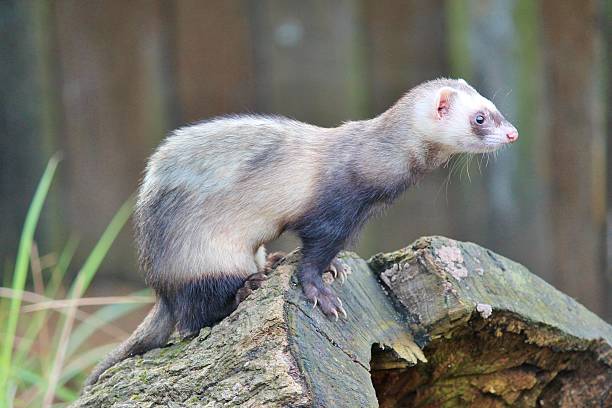
Heartworm disease is traditionally associated with dogs, but ferrets (Mustela putorius furo) are highly susceptible and experience a markedly different clinical course. Because ferrets have a small thoracic cavity and a rapid metabolic rate, even a modest worm burden (as few as 3–5 adult parasites) can precipitate severe cardiopulmonary compromise, often culminating in sudden death.
Despite its fatal potential, heartworm is entirely preventable with monthly chemoprophylaxis and rigorous vector control. Awareness among ferret owners and veterinary professionals remains suboptimal, resulting in delayed diagnosis, inappropriate treatment, and unnecessary mortality. This guide is designed to fill that knowledge gap, providing a step‑by‑step roadmap from pathogen biology to day‑to‑day husbandry recommendations.
2. The Parasite: Dirofilaria immitis Biology and Life Cycle
| Stage | Location | Duration | Key Features |
|---|---|---|---|
| L1 (Microfilaria) | Mosquito midgut after ingesting infected blood | 1–2 days | Sheathed, 300 µm long |
| L2 | Mosquito thoracic muscles | 1–2 days | Sheath lost, development begins |
| L3 | Mosquito salivary glands | 5–14 days (temperature‑dependent) | Infective stage; migrates to host skin during bite |
| L4 | Subcutaneous tissue of host | 1–2 weeks | Molts to L5 |
| L5 (Immature adult) | Peripheral tissues → heart & pulmonary arteries | 2–3 months | Matures into adult worm |
| Adult (male 15–18 cm, female 25–30 cm) | Right heart, pulmonary arteries | 6–9 months to reproductive maturity | Releases microfilariae into blood |
Temperature Dependency: Development from L1 to L3 proceeds only when ambient temperature exceeds 14 °C (57 °F) for a cumulative 130 degree‑days. This explains why heartworm incidence peaks in warm, humid regions but can still arise in temperate zones during summer.
Sexual Dimorphism & Reproduction: Females can produce 5,000–10,000 microfilariae per day once gravid. In ferrets, the reproductive potential is limited by the host’s small size, but even low microfilaremia is diagnostically significant.
3. Epidemiology – Where and When Ferrets Are at Risk
- Geographic Hotspots: Gulf Coast (USA), southeastern Brazil, Mediterranean basin, parts of Australia, and subtropical Asia.
- Seasonality: Transmission season generally runs from early spring (March) to late fall (October) in temperate zones; year‑round in tropical climates.
- Prevalence Data: Studies in the United States indicate seroprevalence rates of 1–2 % in ferret populations residing in endemic counties, rising to >5 % in shelter‑derived ferrets with outdoor exposure.
- Risk Modifiers: Outdoor access, proximity to standing water, lack of prophylaxis, and co‑habitation with infected dogs increase likelihood.
4. Transmission Dynamics – Mosquito Vectors and Environmental Factors
Primary Vectors: Culex spp., Aedes spp., Anopheles spp., and Ochlerotatus spp. Each exhibits distinct feeding habits but all readily bite ferrets when they are present in the peridomestic environment.
Vector Competence Factors:
- Blood‑Meal Size: Ferrets, being small mammals, provide a relatively small blood meal, slightly reducing vector infection probability compared with dogs.
- Host Preference: Some Culex species have a marked preference for avian hosts; however, they will opportunistically feed on ferrets when mammals dominate the local fauna.
- Environmental Breeding Sites: Stagnant water containers, birdbaths, clogged gutters, and garden ponds serve as mosquito breeding grounds.
Control Measures: Eliminate standing water, apply larvicides (e.g., Bti), install fine‑mesh screens, and use pet‑safe repellents (e.g., DEET‑free products) on ferret cages when outdoor exposure is unavoidable.
5. Pathogenesis – How the Worm Damages the Ferret Cardiopulmonary System
- Mechanical Obstruction: Adult worms lodge within the pulmonary artery and right ventricle, creating turbulent flow and increasing right‑sided pressure.
- Endothelial Injury: Worm surface antigens trigger inflammation, leading to endothelial hyperplasia, fibrosis, and arteritis.
- Pulmonary Embolization: Death of adult worms releases thrombotic material, causing acute pulmonary emboli that can be fatal within minutes.
- Immune Complex Deposition: Circulating antigen‑antibody complexes deposit in the lungs, exacerbating interstitial pneumonitis.
- Secondary Bacterial Infection: Necrotic tissue and compromised circulation predispose to opportunistic bacterial sepsis, often with Staphylococcus or Pseudomonas spp.
Ferrets’ small pulmonary vasculature means that even a single adult worm can produce a clinically relevant pressure gradient, unlike in dogs where several worms are required for overt disease.
6. Host Susceptibility – Age, Sex, Genetics, and Co‑morbidities
- Age: Ferrets > 2 years (equivalent to ~6 years in dogs) have a higher cumulative exposure risk. Younger kits (< 6 months) are less likely to be infected because their immune system has not yet been exposed to larvae.
- Sex: No definitive sex predilection, though some reports suggest neutered males have slightly higher prevalence, possibly due to hormonal influences on immunity.
- Genetics: Certain inbred lines (e.g., Angora ferrets) may exhibit reduced innate immunity, though data are limited.
- Co‑morbidities: Chronic adrenal disease (hyperadrenocorticism), insulinoma, and chronic respiratory infections amplify the impact of heartworm by weakening cardiopulmonary reserve.
7. Clinical Signs & Symptoms – From Sub‑clinical to Acute Crisis
| Clinical Feature | Typical Onset | Description |
|---|---|---|
| Exercise Intolerance | 6–12 months post‑infection | Reluctance to play, rapid fatigue after short bouts of activity. |
| Cough / Reverse Sneezing | 8–14 months | Dry, non‑productive cough; may be confused with upper‑respiratory infections. |
| Dyspnea / Labored Breathing | 10–18 months | Increased respiratory rate, open‑mouth breathing, audible wheezes. |
| Weight Loss & Anorexia | 12–24 months | Progressive cachexia despite adequate feeding. |
| Ascites / Peripheral Edema | Late stage | Fluid accumulation in abdomen and limbs due to right‑heart failure. |
| Syncope / Collapse | Acute | Often precipitated by worm death (pulmonary embolism). |
| Mild Fever | Variable | Usually low‑grade (38–39 °C) accompanying inflammatory response. |
| Subclinical Microfilaremia | Early | No outward signs; detection relies on laboratory testing. |
Ferrets may appear “normal” for weeks or months, masking underlying disease. Regular wellness exams are essential for early detection.
8. Differential Diagnosis – Diseases Mimicking Heartworm in Ferrets
- Influenza or other viral respiratory infections
- Bacterial pneumonia (e.g., Streptococcus spp.)
- Pulmonary neoplasia (e.g., lymphoma)
- Congenital heart defects (e.g., patent ductus arteriosus)
- Right‑sided cardiomyopathy
- Pulmonary edema secondary to adrenal disease
A systematic approach using imaging, serology, and complete blood counts helps differentiate these conditions.
9. Diagnostic Work‑up
9.1 Physical Examination
- Auscultation: Detect right‑sided gallop rhythm, muffled pulmonary sounds, or a harsh systolic murmur over the left heart base.
- Palpation: Assess for hepatomegaly or abdominal distension indicating ascites.
9.2 Radiography & Thoracic Imaging
- Latero‑ventral (LV) and dorsoventral (DV) views: Look for enlarged caudal vena cava, pulmonary artery enlargement, and interstitial patterns.
- CT Scan (optional): Provides high‑resolution visualization of arterial wall thickening and worm location.
9.3 Echocardiography
- 2‑D and Doppler: Identify adult worms as linear, echogenic structures in the right atrium, ventricle, or pulmonary artery.
- Quantify Pressure Gradients: Estimate right‑ventricular systolic pressure; values > 30 mm Hg suggest significant obstruction.
9.4 Antigen & Antibody Tests
- Commercial Canine Heartworm Antigen Kits: Detect female adult D. immitis antigens; sensitivity in ferrets ~ 85 % but may miss low worm burdens.
- Serum Antibody ELISA: Detects exposure; useful in early infection before antigen positivity.
9.5 Microfilaria Detection
- Modified Knott’s Concentration: Concentrates blood to visualize microfilariae under microscopy.
- PCR (Real‑time): Highly sensitive; identifies D. immitis DNA even when microfilaremia is absent.
9.6 Laboratory Profile
- CBC: Mild anemia, eosinophilia (often 5–15 %).
- Chemistry: Elevated ALT/AST if hepatic congestion, increased BUN/creatinine with renal involvement.
- Coagulation Panel: Prolonged PT/aPTT may indicate disseminated intravascular coagulation (DIC) secondary to embolic events.
Diagnostic Algorithm (Simplified):
- History & Physical Exam → Suspect heartworm?
- Antigen Test (repeat after 2 weeks if negative) → Positive → Confirm with imaging.
- If Antigen Negative but Clinical Suspicion High: Perform antibody ELISA, PCR, and echocardiography.
10. Staging the Disease – Modified WHO/AVMA Schema for Ferrets
| Stage | Worm Burden | Clinical Status | Recommended Management |
|---|---|---|---|
| Stage 0 (Pre‑patent) | 0 adult worms, microfilaremia possible | Asymptomatic | Preventive prophylaxis |
| Stage I (Early) | 1–3 adult worms | Mild signs (exercise intolerance) | Adulticide with strict monitoring |
| Stage II (Moderate) | 4–6 adult worms | Respiratory signs, mild right‑heart strain | Adulticide + supportive care |
| Stage III (Severe) | > 6 adult worms or evidence of embolism | Marked dyspnea, ascites, syncope | Intensive care, possible surgical removal |
| Stage IV (Critical) | Advanced complications (DIC, secondary infection) | Collapse, refractory shock | Palliative care, euthanasia consideration |
Staging guides therapeutic intensity and informs prognostic discussions with owners.
11. Treatment Options
11.1 Adulticide Therapy
| Drug | Dose (ferret) | Route | Frequency | Comments |
|---|---|---|---|---|
| Melarsomine dihydrochloride (Immiticide) | 2.5 mg/kg | Deep IM (quadriceps) | Two injections 24 h apart | Gold‑standard adulticide; requires strict hospitalization; monitor for pulmonary embolism |
| Imidocarb dipropionate | 6 mg/kg | SC | Single dose | Off‑label; useful when melarsomine unavailable; less effective against mature females |
| Arsenical combination (thiacetarsamide) | 0.5 mg/kg | IM | Single dose | Historically used; high toxicity; largely abandoned |
Pre‑treatment Preparation: Administer corticosteroids (e.g., prednisolone 0.5 mg/kg PO q24 h) 2–3 days before adulticide to blunt inflammatory response. Provide oxygen supplementation and intravenous fluids.
11.2 Microfilaricide Regimens
| Drug | Dose | Frequency | Considerations |
|---|---|---|---|
| Ivermectin (topical) | 0.2 mg/kg | Single dose 2 weeks post‑adulticide | Avoid in ferrets with MDR1 mutation (rare). |
| Selamectin (topical) | 0.3 mg/kg | Single dose 2 weeks post‑adulticide | Safe for pregnant queens, but not recommended in lactating jills. |
| Milbemycin oxime | 0.5 mg/kg | Single dose 2 weeks post‑adulticide | Often combined with doxycycline if Wolbachia infection suspected. |
Note: Microfilaricide is avoided before adulticidal therapy because rapid killing can precipitate severe embolic events.
11.3 Supportive Care
- Corticosteroids: Prednisolone 0.5–1 mg/kg PO q24 h for 5–7 days, then taper. Reduces pulmonary inflammation.
- Diuretics: Furosemide 1 mg/kg PO q12 h if ascites or pulmonary edema evident.
- Oxygen Therapy: Flow rates 0.5–1 L/min via nasal cannula; maintain SpO₂ > 95 %.
- Antibiotics: Doxycycline 5 mg/kg PO q12 h for 4 weeks to target Wolbachia endosymbionts, which can lessen inflammatory response after worm death.
11.4 Surgical Removal
- Indications: Large, fragile worms causing imminent embolism, or when medical adulticide contraindicated (e.g., severe coagulopathy).
- Procedure: Median sternotomy; careful extraction of worms from pulmonary artery under fluoroscopic guidance. High peri‑operative mortality; reserved for specialty centers.
12. Post‑Treatment Monitoring & Long‑Term Management
- Re‑check Antigen Test: At 6 months post‑therapy to confirm eradication.
- Echocardiography: Repeat at 3 months and 12 months to assess right‑ventricular remodeling.
- CBC & Chemistry: Monitor for anemia, hepatic enzyme elevation, and renal function.
- Weight & Body Condition: Record weekly; encourage gradual weight gain if cachectic.
- Preventive Continuation: Maintain monthly chemoprophylaxis indefinitely, as reinfection is possible in endemic zones.
13. Prognosis – Factors Influencing Survival and Quality of Life
| Prognostic Factor | Impact on Outcome |
|---|---|
| Worm Burden | Low burden (≤ 3 worms) → 80–90 % survival with treatment; high burden (> 6) → < 40 % survival. |
| Stage at Diagnosis | Stage I/II → favorable; Stage III/IV → guarded to poor. |
| Age & Co‑morbidities | Younger, healthy ferrets recover better. |
| Timeliness of Adulticide | Early administration (within 2 weeks of symptom onset) improves survival by ~ 30 %. |
| Complication Development (e.g., pulmonary embolism) | Major determinant of mortality; rapid intervention essential. |
Even after successful adulticide, many ferrets exhibit residual pulmonary fibrosis, limiting exercise tolerance. Lifelong monitoring and lifestyle adjustments are required.
14. Complications – Acute Pulmonary Embolism, Right‑Heart Failure, Hemorrhagic Diatheses, and Secondary Infections
- Acute Pulmonary Embolism (PE): Sudden death within minutes after worm death. Clinical signs: abrupt dyspnea, cyanosis, collapse. Aggressive oxygen therapy and anticoagulation (e.g., low‑dose heparin 75 U/kg SC q12 h) may be lifesaving if instituted promptly.
- Right‑Heart Failure: Chronic pressure overload leads to ventricular dilation, ascites, and hepatic congestion. Diuretics and ACE inhibitors (e.g., enalapril 0.5 mg/kg PO q24 h) can ameliorate signs.
- Hemorrhagic Diathesis: Embolized material triggers DIC; monitor PT/aPTT, platelets, and fibrinogen. Fresh frozen plasma and vitamin K1 (0.2 mg/kg PO q12 h) may be needed.
- Secondary Bacterial Pneumonia: Empirical broad‑spectrum antibiotics (e.g., enrofloxacin 10 mg/kg PO q24 h) guided by culture if fever persists.
15. Prevention Strategies
15.1 Monthly Chemoprophylaxis
| Product | Active Ingredient | Dose (ferret) | Frequency | Remarks |
|---|---|---|---|---|
| Heartgard® Plus | Ivermectin + Pyrantel | 0.2 mg/kg | Monthly | Avoid in MDR1‑mutated ferrets (rare). |
| Revolution® | Selamectin | 0.3 mg/kg | Monthly | Topical; also covers fleas and ear mites. |
| Milbemycin Oxime | Milbemycin Oxime | 0.5 mg/kg | Monthly | Broad‑spectrum; safe in pregnant jills. |
Compliance Tip: Administer on the same calendar day each month; use a dosing reminder app.
15.2 Vector Control
- Environmental Management: Remove standing water weekly; prune overgrown vegetation that shelters mosquitoes.
- Physical Barriers: Fit cages with fine‑mesh screens (≤ 1.2 mm).
- Insecticides: Apply pet‑safe, EPA‑registered larvicides (e.g., Bacillus thuringiensis israelensis) around the property.
- Repellents: Use permethrin‑free spot‑on repellents; avoid DEET and pyrethrins on ferret skin.
15.3 Seasonal Scheduling & Geographic Tailoring
- Temperate Zones: Start prophylaxis 1 month before the first expected mosquito bite (often March) and continue through October.
- Tropical Zones: Year‑round prophylaxis is recommended.
15.4 Vaccination – Current Research Landscape
No vaccine is available for heartworm in any species. Research into recombinant antigens and Wolbachia‑targeted vaccines is ongoing, but none are commercially viable as of 2026. Hence, chemoprophylaxis remains the sole preventive measure.
16. Nutritional Support for Infected or Recovering Ferrets
16.1 Macronutrient Requirements
| Nutrient | Recommended % of Metabolizable Energy (ME) | Rationale |
|---|---|---|
| Protein | 45–55 % | Supports muscle mass, immune function; high‑quality animal protein essential. |
| Fat | 20–30 % | Provides dense caloric source for cachectic animals; includes essential fatty acids. |
| Carbohydrate | ≤ 20 % (ferrets are obligate carnivores) | Minimal; excessive carbs can precipitate gastrointestinal upset. |
16.2 Micronutrient Emphasis
- Omega‑3 Fatty Acids (EPA/DHA): 0.5–1 % of diet; anti‑inflammatory properties aid pulmonary recovery.
- Vitamin E (Alpha‑tocopherol): 30–50 IU/kg diet; antioxidant protection against oxidative stress from embolic events.
- B‑Complex (B12, B6, Folate): Supports erythropoiesis and nervous system health, especially after steroid administration.
- Selenium & Zinc: Trace minerals critical for immune competence.
16.3 Fluid Therapy & Electrolyte Balance
During acute decompensation, administer isotonic crystalloids (Lactated Ringer’s) at 30 mL/kg over 4–6 h, adjusting for cardiac output. Add potassium chloride (0.5 mEq/kg) if hypokalemia is detected.
16.4 Feeding Strategies During Anticoagulant Therapy
- Small, Frequent Meals: Reduces gastrointestinal stress and minimizes risk of hemorrhage.
- Elevated Feeding Bowls: Decreases risk of aspiration if the ferret is dyspneic.
- Palatable Supplements: Use high‑calorie, liquid nutritional supplements (e.g., ferret‑specific “Malt‑based” formulas) to encourage intake.
17. Zoonotic Risk – Can Humans Acquire D. immitis from Ferrets?
Dirofilaria immitis is not directly transmissible from ferrets to humans. Human infection occurs only through mosquito vectors that have ingested microfilariae from an infected animal. However:
- Reservoir Potential: An infected ferret contributes microfilariae to the mosquito pool, indirectly increasing community risk, especially in households with both dogs and ferrets.
- Human Pulmonary “Coin” Lesions: In rare cases, humans develop lung nodules composed of dead worms; these are generally asymptomatic and surgically removed if discovered.
Preventive Message to Owners: Strict vector control and regular heartworm testing of all companion animals (dogs, cats, ferrets) reduce the overall environmental burden of microfilariae, protecting both pets and people.
18. Owner Education & Communication
- Explain the Life Cycle in simple terms, emphasizing the role of mosquitoes.
- Highlight the “Silent” Nature of early infection—no signs may be evident.
- Stress the Necessity of Monthly Preventives even if the ferret is indoor‑only; mosquitoes can infiltrate homes.
- Provide a Calendar that marks prophylaxis dates, vaccination (if applicable), and annual wellness checks.
- Discuss Financial Commitment upfront—cost of prophylaxis vs. potential emergency treatment and loss.
- Offer Written Materials (brochures, QR‑code links to reputable sources).
A well‑informed owner is the most powerful tool in heartworm control.
19. Practical Checklist for Veterinarians
| Item | Action |
|---|---|
| History | Indoor/outdoor status, travel, co‑habiting species, prophylaxis history. |
| Physical Exam | Auscultate for murmur, assess respiratory effort. |
| Diagnostics | Antigen test, CBC, chemistry, thoracic radiographs, echocardiogram if indicated. |
| Staging | Assign WHO/AVMA stage based on worm burden and clinical signs. |
| Treatment Plan | Choose adulticide, schedule pre‑treatment steroids, arrange hospitalization. |
| Client Consent | Discuss risks (embolism, DIC), cost, and expected outcome. |
| Post‑Treatment | Schedule follow‑up antigen test, echocardiogram, and preventive regimen. |
| Preventive Counseling | Vector control measures, monthly chemoprophylaxis schedule. |
20. Summary – Key Take‑Home Messages
- Heartworm is a lethal, yet preventable, disease in ferrets; mortality can exceed 70 % without prophylaxis.
- Even a few adult worms can cause severe cardiopulmonary disease because of the ferret’s small thoracic volume.
- Early detection relies on antigen testing combined with imaging, as many ferrets are asymptomatic initially.
- Adulticide therapy (melarsomine) with pre‑emptive corticosteroids is the cornerstone of treatment, but must be accompanied by vigilant supportive care.
- Routine monthly chemoprophylaxis (ivermectin, selamectin, or milbemycin) and rigorous mosquito control are the only reliable preventive strategies.
- Nutritional support—high‑protein, omega‑3 enriched diets—optimizes recovery and mitigates cachexia.
- Zoonotic risk is indirect; managing heartworm in ferrets helps lower community mosquito infection rates, protecting human health.
By integrating vigilant screening, evidence‑based treatment, and lifelong preventive care, veterinarians and owners can dramatically reduce the burden of heartworm disease in ferrets, turning a historically fatal condition into a manageable—if never completely eliminated—health challenge.
#FerretHeartworm #HeartwormPrevention #DirofilariaImmitis #FerretHealth #ExoticPetCare #MosquitoControl #VeterinaryMedicine #HeartwormTreatment #FerretNutrition #PetWellness #HeartwormAwareness #FerretLife #PetOwners #PetSafety #VetTips #HeartwormFreeFerret #FerretLovers #AnimalHealth #ZoonoticRisk #PreventHeartworm






Add comment