
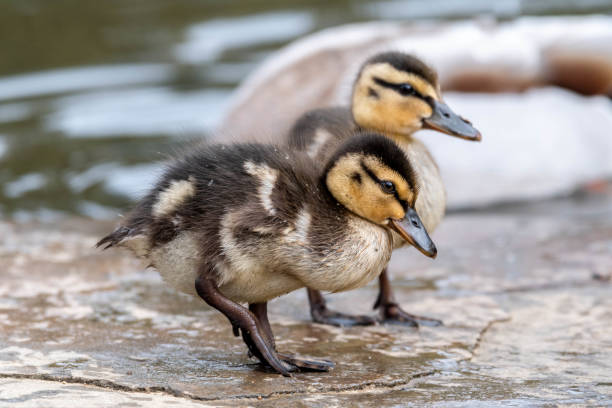
Heat stress is a physiological condition that occurs when a duck’s body temperature rises beyond the range it can efficiently regulate. Unlike mammals, waterfowl have a unique set of adaptations—such as a highly efficient counter‑current heat exchange system in the legs, a specialized respiratory tract, and the ability to dissipate heat through evaporative cooling of the skin and bill. However, extreme ambient temperatures, high humidity, inadequate ventilation, and poor management can overwhelm these mechanisms, leading to a cascade of metabolic, immunologic, and behavioral disturbances.
Understanding heat stress in ducks is essential for anyone involved in duck production, hobby breeding, wildlife rehabilitation, or even backyard keeping. The condition not only compromises animal welfare but also has downstream effects on productivity, egg quality, growth rates, and susceptibility to secondary infections. Moreover, certain breeds, ages, and life‑stage groups are disproportionately vulnerable, making targeted prevention and early detection a priority.
The following guide provides a deep dive into the etiology, clinical presentation, diagnosis, treatment, prognosis, and preventive strategies for heat stress in ducks. It also examines nutritional adjustments, zoonotic considerations, and practical management tools that can help caretakers keep their flocks cool, comfortable, and healthy.
2. Causes of Heat Stress
| Category | Specific Factors | Mechanism of Heat Load |
|---|---|---|
| Environmental | • Ambient temperature > 30 °C (86 °F) for extended periods • High relative humidity (> 70 %) • Direct solar radiation on pens or roosts • Lack of shade, water, or ventilation |
Reduces convective and evaporative heat loss; increases radiant heat gain. |
| Management‑related | • Overcrowding (high stocking density) • Poor air flow (blocked vents, enclosed houses) • Inadequate water supply (stagnant or warm water) • Use of heat‑producing equipment (brooders, heaters) during hot periods • Feeding high‑fat, high‑protein diets that increase metabolic heat production |
Increases internal heat production and limits the animal’s ability to dissipate excess heat. |
| Physiological/Health‑related | • Fever from infection (e.g., duck hepatitis, avian influenza) • Endocrine disorders (hyperthyroidism, adrenal hyperactivity) • Obesity or excessive body condition score (BCS) • Recent handling or transport stress |
Elevates core temperature independent of ambient conditions, compounding external heat load. |
| Genetic/Breed‑related | • Dark‐plumaged breeds that absorb more solar radiation • Breeds with reduced feather density or poor feather coverage on the ventral surface • Anatomical traits limiting heat dissipation (shorter bills, thicker skin) |
Alters the rate of heat exchange with the environment. |
| Seasonal/Climatic | • Heat waves associated with climate change • Sudden temperature spikes during transition periods (spring to summer) |
Exposes birds to rapid environmental changes before acclimatization can occur. |
Key takeaway: Heat stress is rarely caused by a single factor; it is typically the result of an interaction between ambient conditions, management practices, and the bird’s own physiological status.
3. Signs and Symptoms
Heat stress presents as a continuum from mild discomfort to life‑threatening collapse. The following clinical signs should be assessed in a systematic manner:
| System | Early / Mild Signs | Moderate Signs | Severe / Critical Signs |
|---|---|---|---|
| Behavioral | • Increased panting (open mouth breathing) • Seeking shade or water • Restlessness, pacing |
• Lethargy, decreased activity • Reduced feed intake • Huddling together (to conserve moisture) |
• Collapse, inability to stand • Unresponsiveness to stimuli |
| Respiratory | • Faster respiratory rate (tachypnea) • Audible wing‑beat sounds (air sac movement) |
• Deep, labored breaths • Gasping when water is offered |
• Apnea or irregular breathing |
| Thermoregulatory | • Wet, damp plumage (increase preening) • Reddened comb, bill, and feet |
• Profuse drooling (in some breeds) • Swollen feet (edema) |
• Hyperthermia: core temperature > 42 °C (107.6 °F) |
| Cardiovascular | • Slight increase in heart rate | • Rapid, weak pulse • Peripheral vasodilation (pale pink legs) |
• Cardiogenic shock, arrhythmias |
| Gastrointestinal | • Normal fecal consistency | • Diarrhea or watery droppings (due to stress) | • Gut stasis, severe dehydration |
| Neurological | • Mild tremors | • Staggering gait, loss of coordination | • Seizures, coma |
| Dermatological | • Slight feather ruffling | • Feather loss (especially around vent) due to over‑preening | • Ulcerative lesions on feet and bill (secondary to prolonged exposure) |
Important diagnostic tip: The presence of panting combined with a core temperature > 41 °C is a strong indicator of impending heat stroke. Rectal temperature measurement should be taken quickly (within 5–10 seconds) to avoid additional stress.
4. Duck Breeds at Risk
While any duck can suffer from heat stress under extreme conditions, certain breeds possess anatomical, physiological, or behavioral traits that make them especially susceptible.
4.1. Pekin Ducks
Pekin ducks are the most common meat duck worldwide. Their large body mass, thick plumage, and white feathering (which reflects sunlight but also traps heat) create a high metabolic heat load. Moreover, Pekins have been selectively bred for rapid growth, resulting in a higher basal metabolic rate and reduced ability to dissipate excess heat.
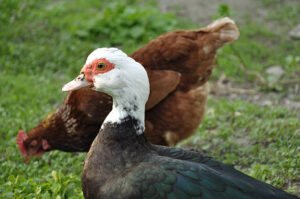
4.2. Muscovy Ducks
Muscovies have a distinctive, elongated bill and a relatively thick, oily feather coat that reduces evaporative cooling through the skin. Their natural habitat ranges from tropical to subtropical regions, so they are adapted to warm climates; however, captive Muscovies often experience heat stress when humidity spikes because they lack the efficient panting mechanism seen in other domestic waterfowl.
4.3. Indian Runner Ducks
These elegant, upright‑postured ducks possess a lean body type and relatively less plumage coverage on the ventral side, which theoretically should aid heat loss. However, their high activity level, especially during egg laying, generates substantial metabolic heat. In hot environments, they can quickly become exhausted and prone to dehydration.
4.4. Call Ducks
Although small, Call ducks have dense feathering and a high surface‑area‑to‑volume ratio. Their diminutive size means they lose water quickly, leading to rapid dehydration if water sources become warm or scarce.
4.5. Mallard‑Derived Breeds (e.g., Khaki Campbell, Aylesbury)
These breeds inherit the wild Mallard’s strong flight muscles and associated thermogenic capacity. When confined without adequate ventilation, the built‑in heat‑producing musculature can overwhelm their cooling mechanisms, particularly during the breeding season when hormonal changes increase basal temperature.
4.6. Summary
Overall, large‑bodied, heavily feathered, fast‑growing, or high‑activity breeds are most at risk. The underlying reasons include elevated metabolic heat production, reduced surface area for evaporative cooling, and behavioral tendencies (e.g., less inclination to seek water). Understanding breed‑specific vulnerabilities allows caretakers to implement targeted mitigation strategies.
5. Affected Life Stages
| Life Stage | Why It’s Vulnerable | Typical Clinical Presentation |
|---|---|---|
| Embryo / Hatchlings (0–14 days) | Immature thermoregulatory center, thin skin, low feather coverage, high surface‑to‑volume ratio. | Rapid dehydration, lethargy, failure to thrive, high mortality within 24–48 h of exposure. |
| Juveniles (2–12 weeks) | Still developing plumage, high growth rate (especially in meat breeds), increasing metabolic heat production. | Decreased feed intake, watery droppings, panting, occasional mortality during heat spikes. |
| Breeding Adults (≥ 6 months) | Hormonal surge during laying or mating raises basal temperature, increased activity (courtship flights). | Reduced egg production, poor shell quality, increased embryonic mortality, occasional egg‑binding due to dehydration. |
| Mature Laying Hens (1–3 years) | Chronic heat exposure can lead to cumulative stress, decreased immune function. | Thin, soft-shelled eggs, lower fertility, longer intervals between clutches. |
| Seniors (≥ 4 years) | Age‑related decline in cardiovascular efficiency and feather quality; comorbidities (e.g., fatty liver). | Slower recovery from heat episodes, higher incidence of secondary infections (e.g., bacterial septicemia). |
Key point: Heat stress can be fatal at any age, but young birds and high‑producing laying ducks are particularly at risk due to their high metabolic demands and limited thermoregulatory capacity.
6. Diagnosis
Diagnosing heat stress is primarily clinical, but a systematic approach helps differentiate it from other conditions such as infectious diseases, toxicities, or nutritional deficiencies.
6.1. History & Environmental Assessment
- Temperature & Humidity Records: Document ambient temperature (°C/°F), relative humidity, and any recent heat waves.
- Ventilation Check: Verify that all vents, fans, and openings are unobstructed.
- Water & Feed Availability: Note the temperature of drinking water and feed quality.
- Recent Management Changes: Introduction of new equipment, changes in stocking density, or handling events.
6.2. Physical Examination
- Core Temperature: Rectal thermometer (digital, calibrated). Normal range 39.5–40.5 °C; > 41 °C indicates hyperthermia.
- Respiratory Rate: Count breaths per minute (normal 15–30). Panting > 60 breaths/min is concerning.
- Heart Rate: Normal 200–300 bpm; tachycardia > 350 bpm suggests stress.
- Plumage & Skin: Look for wetness, feather loss, or edema.
- Behavioral Observation: Note activity level, posture, and response to stimuli.
6.3. Laboratory Support (Optional)
| Test | Purpose | Interpretation |
|---|---|---|
| Blood Gas / pH | Detect metabolic acidosis from hyperventilation. | Low pH, low CO₂ indicate respiratory compensation. |
| Serum Electrolytes (Na⁺, K⁺, Cl⁻) | Assess dehydration and electrolyte imbalance. | Elevated Na⁺, decreased K⁺ suggest fluid loss. |
| Hematology (HCT, PCV) | Evaluate hemoconcentration. | Increased hematocrit (> 55 %) = dehydration. |
| Corticosterone Levels | Gauge stress response (research setting). | Elevated cortisol/corticosterone indicates chronic stress. |
| Culture/Serology | Rule out concurrent infections (e.g., avian influenza, duck hepatitis). | Positive results = co‑morbid disease requiring combined therapy. |
6.4. Differential Diagnosis
- Infectious Respiratory Disease (e.g., Pasteurella, Mycoplasma) → presence of nasal discharge, fever, specific lesions.
- Toxicities (e.g., aflatoxin, heavy metals) → liver enzyme elevation, neurological signs.
- Nutritional Deficiencies (e.g., vitamin A, riboflavin) → skin lesions, poor feather quality.
- Heat Exhaustion vs. Heat Stroke → Exhaustion: mild hyperthermia, reversible; Stroke: severe hyperthermia, organ failure.
A definitive diagnosis of heat stress can be made when clinical signs align with environmental data, core temperature elevation, and there is an absence of other pathologic findings.
7. Treatment
Immediate intervention is crucial. The goal is to lower core temperature, re‑hydrate, correct electrolyte imbalances, and prevent secondary complications.
7.1. Rapid Cooling Strategies
| Method | Procedure | Time to Effect |
|---|---|---|
| Cold Water Immersion | Submerge birds up to the sternum in 10–15 °C water for 5–10 min. Add ice cubes if ambient temperature > 30 °C. | 2–5 min (core temperature ↓ 1–2 °C) |
| Misting/Fogging | Use fine mist (≤ 30 µm droplets) directed at birds for 10–15 min, ensuring no water accumulation on feathers. | 3–7 min |
| Evaporative Cooling Pads | Place birds on chilled, wet wooden boards or sand; airflow promotes evaporation. | 5–10 min |
| Ice Pack Application | Apply wrapped ice packs to the ventral abdomen and proximal legs for 3–5 min (monitor skin integrity). | 1–3 min (localized cooling) |
| Shade & Ventilation | Move birds to a shaded, well‑ventilated area; use fans to increase airflow (≥ 1 m/s). | Continuous |
Important: Do not cool too rapidly (e.g., with ice water immersion) to avoid shock. Cool until the core temperature reaches ≤ 40 °C, then maintain at 38–39 °C.
7.2. Fluid Therapy
| Fluid Type | Indication | Dosage | Administration Route |
|---|---|---|---|
| Warm (35 °C) Electrolyte Solution (e.g., 0.9 % NaCl + 5 % dextrose + 0.5 % potassium chloride) | Mild dehydration, mild electrolyte loss | 10–15 ml/kg body weight, divided into 2–3 doses over 12 h | Oral via syringe or water trough |
| Isotonic Crystalloid (Lactated Ringer’s) | Moderate to severe dehydration, metabolic acidosis | 30 ml/kg initial bolus, then 10 ml/kg q6h | Intravenous (wing vein) or intra‑osseous (tibia) |
| Colloid (Plasma or Hetastarch 6 %) | Hypovolemia with low plasma protein | 5–10 ml/kg over 30 min | Intravenous |
| Hypertonic Saline (7.5 % NaCl) | Rapid plasma expansion in critical shock | 5 ml/kg as a single bolus | Intravenous (followed by isotonic fluids) |
Monitoring: Re‑measure rectal temperature, heart rate, and capillary refill every 30 min during therapy. Adjust fluid volume based on urine output (target > 1 ml/kg/h) and body weight changes.
7.3. Pharmacologic Support
- Antipyretics: Not routinely recommended in birds; however, low‑dose meloxicam (0.2 mg/kg PO q24h) can reduce inflammation associated with heat‑induced tissue damage.
- Anti‑Oxidants: Vitamin E (100 IU/kg) and Selenium (0.3 mg/kg) administered orally for 5 days can mitigate oxidative stress.
- Probiotics: Lactobacillus spp. (10⁸ CFU/g) added to feed helps restore gut flora disrupted by stress.
- Broad‑Spectrum Antibiotics: Only if secondary bacterial infection is suspected (e.g., E. coli, Salmonella). Use enrofloxacin (10 mg/kg IM q24h) for 5–7 days, respecting withdrawal times.
7.4. Supportive Care
- Nutritional Support: Offer easily digestible, high‑energy feeds (e.g., boiled corn, emulsified soybean oil) once the bird is alert.
- Environmental Management: Keep ambient temperature ≤ 25 °C post‑recovery; maintain humidity < 60 %.
- Observation Period: Minimum of 48 h of continuous monitoring for recurrence of panting or lethargy.
7.5. Prognosis & Complications
| Severity | Prognosis | Potential Complications |
|---|---|---|
| Mild (Temp ≤ 41 °C, no organ dysfunction) | Excellent (> 95 % survival) with prompt cooling and re‑hydration. | Transient reduced egg production. |
| Moderate (Temp 41–42 °C, mild dehydration) | Good (80–90 % survival) if treatment initiated within 2 h. | Heat‑induced hepatitis, renal tubular necrosis, electrolyte imbalance. |
| Severe (Temp > 42 °C, multi‑organ involvement) | Guarded to poor (≤ 50 % survival) especially in older or heavily‑laden birds. | Cerebral edema, coagulopathy, septicemia secondary to gut barrier breakdown, permanent reproductive damage. |
Early intervention dramatically improves outcomes. Delayed treatment or pre‑existing disease (e.g., avian influenza) increases mortality risk substantially.
8. Prevention
Preventing heat stress is far more cost‑effective than treating it. A multifaceted, “3‑R” approach—Reduce, Regulate, Respond—can be adopted.
8.1. Reduce Heat Load
- Shade Structures: Install shade cloth (70–80 % UV‑blocking) or natural tree canopy covering at least 60 % of pen area.
- Reflective Roofing: Use white or metallic roofing materials to reflect solar radiation.
- Cool Water Systems: Provide continuously flowing, chilled water (≤ 15 °C) via nipple drinkers or shallow troughs; change water at least twice daily.
- Misting & Evaporative Cooling: Install programmable misting lines (10‑second bursts every 5 min) during peak heat hours (12:00–16:00).
- Ventilation: Use cross‑ventilation with adjustable vent panels; fan speed should maintain air velocity of 0.5–1 m/s inside housing.
8.2. Regulate Stocking Density
- Optimal Density: ≤ 4 birds/m² for meat ducks; ≤ 5 birds/m² for layers in indoor systems.
- Staggered Feeding: Offer feed at multiple stations to reduce crowding and heat from concentrated activity.
8.3. Respond Rapidly
- Heat‑Alert Protocol: Establish a written SOP that defines temperature/humidity thresholds (e.g., > 30 °C & > 70 % RH) and immediate actions (activate misting, move birds to cooling zone).
- Monitoring Tools: Install digital temperature/humidity dataloggers with alarms; conduct twice‑daily visual checks during summer.
- Training: Ensure all caretakers can recognize early signs and perform emergency cooling within 5 minutes of detection.
8.4. Seasonal Management
- Acclimatization: Gradually increase exposure to higher temperatures over 7–10 days during spring to stimulate physiological adaptation (e.g., increased peripheral vasodilation).
- Molting Management: Avoid induced molting during hottest months; if molting is required, schedule it in cooler seasons.
8.5. Nutrition‑Based Prevention
- Electrolyte‑Enhanced Feed: Add 0.5 % sodium bicarbonate and 0.2 % potassium chloride during hot months to aid salt balance.
- Energy‑Dense Rations: Include 2–3 % vegetable oil and 0.5 % added methionine to offset reduced feed intake.
- Antioxidant Supplementation: Provide vitamin E (200 IU/kg) and selenium (0.3 mg/kg) year‑round, with a 2‑fold boost during summer.
A holistic prevention plan that intertwines environmental engineering, animal husbandry, nutrition, and staff training will dramatically reduce the incidence of heat‑related morbidity and mortality in duck flocks.
9. Diet and Nutrition
Proper nutrition serves both as a preventive measure and as support during recovery.
9.1. Energy Requirements
- Meat Ducks (0–6 weeks): 300–350 kcal/kg feed; increase by 10 % during heat to compensate for lowered intake.
- Laying Ducks (≥ 6 months): 260–280 kcal/kg; ensure 18–20 % of calories come from fats (e.g., soybean oil) for efficient metabolizable energy.
9.2. Protein & Amino Acids
- Crude Protein (CP): 18–20 % for ducklings; 16–18 % for adults.
- Methionine + Cystine: Minimum 0.8 % of diet; essential for feather maintenance and antioxidant pathways (glutathione synthesis).
9.3. Electrolytes & Minerals
- Sodium (Na⁺): 0.15–0.20 % (adjust upward in hot weather).
- Potassium (K⁺): 0.10–0.12 % (crucial for cellular water balance).
- Calcium (Ca): 3.5–4.0 % for layers; 2.5–3.0 % for meat ducks.
- Phosphorus (P): Maintain Ca:P ratio of 2:1.
9.4. Vitamins & Antioxidants
| Vitamin | Function | Recommended Level |
|---|---|---|
| Vitamin A | Supports mucosal integrity, vision | 10 000 IU/kg |
| Vitamin D₃ | Calcium metabolism | 2 000 IU/kg |
| Vitamin E | Antioxidant, membrane protection | 200 IU/kg (higher in summer) |
| Vitamin C (supplemental) | Reduces oxidative stress | 250 mg/kg (optional) |
| Selenium | Component of glutathione peroxidase | 0.3 mg/kg |
9.5. Feed Form & Delivery
- Pelleted Feed (3‑mm): Reduces dust inhalation, improves water intake.
- Moist Feed Options: Offer corn‑based mash or “wet” mash (add 30 % warm water) during peak heat to encourage consumption.
- Multiple Feeding Stations: Prevent competition and ensure all birds have access to fresh feed.
9.6. Water Management
- Temperature: Keep water ≤ 15 °C; use insulated troughs or recirculating chillers.
- Electrolyte Supplements: Add oral rehydration salts (ORS) to water at 0.5 % during heat periods.
- Cleanliness: Replace water at least twice daily to avoid bacterial growth that can exacerbate gastrointestinal stress.
9.7. Nutritional Support During Recovery
After a heat‑stress episode, provide a “re‑hydration ration” containing:
- 30 % boiled corn, 20 % wheat germ, 15 % fish oil, 10 % soybean meal, 5 % vitamin‑mineral premix, and 20 % warm (35 °C) electrolyte solution.
- Provide in small, frequent meals (every 2–3 h) for 24–48 h until normal feed intake resumes.
10. Zoonotic Risks
While heat stress itself is not zoonotic, it predisposes ducks to infections that can be transmitted to humans. Understanding these secondary risks aids in protecting both animal and public health.
| Pathogen | Relation to Heat Stress | Human Health Impact | Preventive Measures |
|---|---|---|---|
| Salmonella spp. | Heat‑induced gut barrier breakdown → bacterial translocation. | Gastroenteritis, febrile illness. | Strict hygiene, hand washing, proper egg handling, routine fecal cultures. |
| Campylobacter jejuni | Stress‑related dysbiosis enhances colonization. | Diarrhea, Guillain‑Barré syndrome. | Separate sick birds, cook duck meat thoroughly, avoid cross‑contamination. |
| Avian Influenza (H5/H7) | Heat‑stressed birds may shed higher viral loads if infected. | Severe respiratory disease, pandemic potential. | Biosecurity, vaccination (where permitted), surveillance testing. |
| Mycobacterium avium subsp. paratuberculosis | Immunosuppression from heat stress facilitates infection. | Crohn‑like disease in humans (debated). | Clean water, avoid feeding contaminated feed, regular fecal testing. |
| Dermatophytes (e.g., Trichophyton spp.) | Skin lesions from burns or ulcerations become portals for fungal infection. | Ringworm, skin irritation. | Use protective gloves, disinfect contaminated bedding. |
Key Recommendations for Human Caretakers:
- Personal Protective Equipment (PPE): Gloves, boots, and disposable aprons when handling birds during a heat‑stress crisis.
- Hand Hygiene: Wash hands with soap and an alcohol‑based sanitizer after any contact.
- Sanitation Protocols: Clean and disinfect equipment, waterers, and feeding stations daily with a 1 % sodium hypochlorite solution.
- Health Monitoring: Caretakers with compromised immunity should avoid direct handling of severely stressed or ill ducks.
11. Summary Checklist
| Area | Action Items |
|---|---|
| Environmental Monitoring | Install temperature/humidity sensors; set alarms at 30 °C / 70 % RH. |
| Cooling Infrastructure | Shade cloth, misting system, fans, chilled water supply. |
| Stocking Management | ≤ 4 birds/m² (meat) / ≤ 5 birds/m² (layers); avoid overcrowding. |
| Nutrition | Energy‑dense, electrolyte‑enhanced feed; vitamin E & selenium boost in summer. |
| Water | Keep water ≤ 15 °C; change twice daily; add ORS during heat spikes. |
| Health Surveillance | Daily visual checks for panting, lethargy; weekly weight & temperature logs. |
| Emergency Protocol | Immediate cooling (cold water immersion), fluid therapy (IV crystalloids), and observation. |
| Staff Training | Recognize early signs, perform rectal temperature measurement, operate cooling equipment. |
| Biosecurity | Hand hygiene, PPE, routine pathogen screening. |
Implementing this checklist guarantees a proactive stance, substantially reducing the likelihood and severity of heat stress events in duck populations.
#HeatStressDucks, #DuckHealth, #PekinDuck, #MuscovyDuck, #IndianRunnerDuck, #WaterfowlCare, #DucksInHeat, #DuckThermoregulation, #FarmAnimalWelfare, #PoultryScience, #HeatStrokePrevention, #DucksAndClimate, #DucksNutrition, #DuckHydration, #AvianHealth, #ZoonoticRisks, #BackyardDucks, #DairyFreeDucks, #EggProduction, #DuckVeterinary, #HeatWaveResponse, #CoolDucks, #DucksInSummer, #WildlifeRehab, #PoultryFarmManagement, #EcoFriendlyFarming, #AnimalWelfare, #HeatAlertProtocol, #DucksAndHumidity, #DucksAndVentilation, #SustainableFarming, #DucksOnTheFarm, #HeatStressPrevention, #DuckDiet, #DuckResilience, #FarmBiosecurity, #DucksAndZoonoses, #DucksAndFoodSafety, #ColdWaterTherapy, #MistingSystems, #FarmDesign, #HeatStressResearch, #DucksAndClimateChange, #AnimalPhysiology, #HeatAdaptation, #DucksInHeatWave, #DuckRescue, #HeatStressTreatment, #VeterinaryTips, #DucksWellness, #FeedManagement, #DuckCareTips, #CoolWaterForDucks, #DuckIndustry, #HeatStressGuidelines
Add comment