
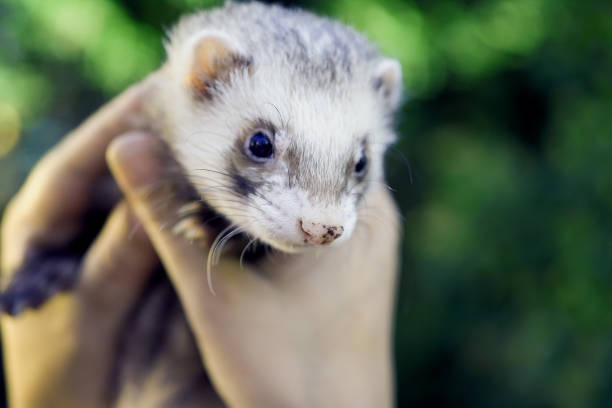
Ferrets, with their dense fur, lack of sweat glands, and high metabolic rate, are particularly susceptible to heat stroke and hyperthermia. These small, curious mammals rely on external cooling mechanisms (like panting and lying in cool spots) to regulate their body temperature. However, their bodies lack the physiological tools to efficiently dissipate heat, making them prone to dangerous temperature rises, especially in summer.
Key Risks:
- Thick coat: Traps heat, exacerbating overheating.
- High metabolism: Generates internal heat.
- Panting inefficiency: Limited to shallow breathing.
- Behavioral factors: Ferrets may overexert themselves in pursuit of prey or exploration.
Heat stroke (a severe form of hyperthermia) occurs when a ferret’s body temperature exceeds 105°F (40.5°C), leading to organ damage, seizures, or even death. Immediate action is critical. This guide explores causes, prevention, and treatment to keep your ferret safe.
2. Causes and Contributing Factors
Heat stroke in ferrets often stems from environmental or behavioral factors:
Environmental Triggers:
- High ambient temperatures (85°F+): Even in air-conditioned homes, ferrets can overheat near heat sources.
- Prolonged sun exposure: Lack of shade or water in outdoor enclosures.
- Overcrowded enclosures: Restrictions reduce airflow.
- Immobile pets: Overweight or elderly ferrets struggle to regulate temperature.
Behavioral and Health Factors:
- Agitated or high-energy activity: Play or stress (e.g., loud noises, unfamiliar environments) raises body heat.
- Dehydration: Insufficient water intake or dry, high-fat diets.
- Medications: Anticholinergics (e.g., atropine) can impair thermoregulation.
- Underlying conditions: Heart disease or obesity.
Dangers of Confined Spaces:
Never leave ferrets in parked cars. Temperatures can skyrocket from 70°F to 120°F within hours, even on cloudy days.
3. Signs and Symptoms of Heat Stroke and Hyperthermia
| Symptom | Severity | Description |
|---|---|---|
| Elevated body temp | Severe | >105°F (40.5°C); use a rectal thermometer for accurate reading. |
| Excessive panting | Mild to Severe | Rapid, labored breathing; may gape with mouth open. |
| Lethargy or weakness | Moderate | |
| Rapid heartbeat | Severe | Palpate the chest to detect a racing pulse. |
| Vomiting or diarrhea | Moderate to Severe | May contain blood or fluid. |
| Seizures or tremors | Critical | Neuropathic damage from brain swelling. Immediate veterinary intervention! |
| Collapse or coma | Emergency | Loss of consciousness; potential organ failure. |
Progression:
Hyperthermia (mild) → Heat exhaustion (moderate) → Heat stroke (severe).
4. Diagnosis by a Veterinarian
Diagnosis involves a combination of clinical signs, history, and diagnostic tests:
- Physical Exam:
- Check rectal temperature, gum color (pale or blue indicates shock), and capillary refill time.
- History:
- Exposure to heat? Recent activity levels? Medications or health conditions?
- Diagnostic Tests:
- Blood work: Evaluate organ function (liver enzymes, kidney values), electrolytes, and signs of infection.
- Urinalysis: Detect dehydration or kidney damage.
- Blood gas analysis: Assess respiratory and metabolic acidosis.
Differential Diagnosis:
- Heat exhaustion vs. heat stroke: The latter involves neurological symptoms.
- Toxicity or poisoning: Certain chemicals mimic heat stroke symptoms.
5. Immediate Treatment and Long-Term Care
Emergency Steps (Before Veterinary Care):
- Cool the Ferret Gradually:
- Use wet towels or cool (not ice) compresses on the ears, paws, and abdomen.
- Offer water via syringe (if alert) but avoid force-feeding.
- Move to a Cool, Shaded Area:
- Use fans or air conditioning, but prevent overcooling.
- Avoid Stress:
- Reduce handling to minimize energy expenditure.
Veterinary Treatment Protocol:
- Cooling Techniques:
- Intravenous fluids to rehydrate and lower core temperature.
- Oxygen therapy for respiratory distress.
- Symptomatic Support:
- Anticonvulsants for seizures (e.g., diazepam).
- Corticosteroids for reducing inflammation.
- Monitoring:
- Continuous heart and lung function checks.
- Repeat blood tests to track organ recovery.
Post-Treatment Care:
- Gradual reintroduction to normal activity.
- Avoid sun exposure for a week.
- Monitor for delayed complications (see Prognosis section).
6. Prognosis and Potential Complications
Prognosis:
- Good (if treated within 1 hour): Near-total recovery.
- Guarded (delayed treatment): 50% survival rate.
- Poor (severe neurological damage): Possible permanent disability.
Common Complications:
- Organ failure: Kidney or liver damage from reduced blood flow.
- Neurological deficits: Post-seizure confusion or tremors.
- Coagulopathy: Blood clotting disorders resulting in internal bleeding.
- Secondary infections: Immune system suppression.
Follow-Up:
Schedule a recheck 2–3 days post-treatment to ensure no residual effects.
7. Prevention: Keep Your Ferret Safe in Summer
Environmental Adjustments:
- Cooling Mats: Provide a solid, rubber mat under the cage.
- Filtered Sunlight: Use mesh covers to reduce direct UV exposure.
- Air Circulation: Fans or air conditioners (set to 65–75°F).
Behavioral and Care Tips:
- Hydration: Offer fresh water constantly; consider water fountains to encourage drinking.
- Diet Adjustments: Increase moisture-rich foods (e.g., applesauce, frozen kibble).
- Activity Management: Monitor playtime; pause if the ferret paces or pants excessively.
- Safe Enclosures: Avoid hot metal wheels in wheels; opt for rubber-coated or indoor playpens.
Emergency Preparedness:
- Stock a first-aid kit with rectal thermometer, emergency contact info, and cooling towels.
- Know the nearest after-hours vet.
8. Diet and Nutrition for Heat-Related Health
A balanced diet supports thermoregulation and hydration:
Key Nutrients:
- High-quality protein: Ferrets are obligate carnivores—prioritize meat-based kibble.
- Moisture content: At least 10–12% to support hydration.
- Electrolytes: Offer diluted chicken broth once a week (in small amounts).
Foods to Avoid in Summer:
- High-fat treats: Can raise body temperature.
- Grains and fillers: Offer no more than 5% of diet.
- Canned foods with additives: Opt for plain, high-protein options.
Feeding Tips:
- Portion control: Small meals (2–3x daily) to prevent digestive heat.
- Frozen treats: Small chunks of chicken meat or frozen blueberries (monitor for choking).
9. Zoonotic Risks and Precautions
While heat stroke itself is not contagious, post-heat stress can weaken a ferret’s immune system, increasing vulnerability to infections that may spread to humans:
- Salmonella: From contaminated water or food.
- Parasites: Fleas or ticks acquired from outdoor enclosures.
Prevention Measures:
- Wash hands thoroughly after handling a sick ferret or cleaning its cage.
- Avoid direct contact with bodily fluids (vomit, feces).
- Disinfect enclosures and toys with pet-safe solutions.
#FerretHealth #PetSafety #SummerPetCare #HeatStrokeSymptoms #AnimalEmergencyCare #FerretDiet #FerretCareTips #PreventHeatStroke #PetWellness #FerretOwnerEssentials #PetFirstAid #ZoonoticDiseases #FerretSummerSafety #FerretVet #FerretCommunity


Add comment