
Why Heat‑Tolerance Matters
Ducks have long been celebrated for their adaptability, but most commercial and heritage breeds were originally developed for temperate or cool‑climate regions of Europe and North America. When those same birds are placed in subtropical, tropical, or arid environments, growers often confront:
- Heat‑related mortality – overheating, dehydration, and heat‑stroke.
- Reduced egg production – laying birds drop from 250+ eggs/year to under 100 during scorching months.
- Poor growth rates – broilers gain weight more slowly, and feed conversion ratios worsen.
- Increased parasite load – warm, humid conditions favor mites, lice, and protozoa.
Choosing a breed that is naturally heat‑tolerant mitigates these challenges, making the operation more sustainable, less labor‑intensive, and more profitable.
2. The Science of Duck Thermoregulation
Unlike chickens, ducks possess a dense, water‑repellent plumage and a higher surface‑area‑to‑body‑mass ratio, both of which affect heat exchange:
| Physiological Feature | How It Helps in Heat | Potential Drawbacks |
|---|---|---|
| Unfeathered feet (palmar skin) | Acts as a radiator; ducks can increase blood flow to the feet to dump excess heat. | Feet can become burnt or blistered on hot pavement. |
| Preen gland oils | Provide waterproofing while also limiting evaporative cooling if the bird becomes overly wet. | Over‑oiliness can hinder heat loss; excessive bathing in hot water worsens this. |
| Lack of a pronounced crop | Reduces internal heat generation from fermentation. | Limits capacity for rapid feed intake during cool periods. |
| Higher basal metabolic rate | Generates more internal heat, which can be advantageous in cool weather but problematic in heat. | Requires efficient cooling mechanisms. |
Ducks primarily lose heat through convection (air moving over their bodies) and evaporative cooling (panting and water bathing). Therefore, breeds that are comfortable in open, breezy environments and that readily take to water are inherently better suited to hot climates.
3. Key Traits to Look for in a Hot‑Climate Duck
When scouting for a heat‑tolerant duck, evaluate the following criteria:
- Feather Structure
- Light, loosely‑packed down rather than heavy, dense plumage.
- A “shelf” of bare skin on the neck (common in Mallards) that helps dissipate heat.
- Behavioral Adaptability
- Strong instinct to seek shade and water.
- Comfortable foraging in open, sun‑exposed pastures.
- Egg Production Stability
- Minimal drop in laying rate when ambient temperature exceeds 30 °C (86 °F).
- Ability to resume normal laying quickly once temperatures fall.
- Growth Rate & Feed Conversion
- Efficient feed utilization even when feed intake drops due to heat stress.
- Rapid maturity (≈ 8 weeks for meat birds) to reduce exposure period.
- Disease Resistance
- Low susceptibility to heat‑related parasites (e.g., Heterakis gallinarum, Mite infestations).
- Robust immune response to bacterial pathogens that proliferate in warm, wet environments (e.g., Salmonella, E. coli).
- Hardiness of Feet
- Strong, thickened foot pads that tolerate standing on hot surfaces.
- Good traction on sandy or loose soils common in arid regions.
- Reproductive Flexibility
- Ability to breed without excessive incubation cooling equipment.
- Hatchlings that are resilient to higher ambient temperatures.
4. Top Heat‑Tolerant Duck Breeds (with Profiles)
Below are the most widely‑recognised breeds that consistently perform well in warm climates. Each profile includes origin, key characteristics, egg & meat production, heat‑tolerant traits, and management tips.
4.1. Indian Runner
| Attribute | Details |
|---|---|
| Origin | Developed in the Indian sub‑continent in the 1800s, later refined in the UK. |
| Physical Traits | Tall, slender, upright “runner” stance; long legs; minimal body fat; semi‑tight plumage. |
| Heat Adaptations | Light body mass, excellent foraging on grass, high tolerance for hot, dry environments. |
| Egg Output | 250 – 300 medium‑large eggs/year; excellent shell quality. |
| Meat Qualities | Lean meat, fast growth (≈ 8 weeks to market weight). |
| Behavior | Extremely active; loves to walk and forage in open paddocks; will use any shallow water source for cooling. |
| Management Tips | Provide wide, open runs with ample shade trees. Use a water trough at ground level for easy foot bathing. Avoid crowded housing – they thrive when given space to “run”. |
Why Indian Runner Shines in Heat: Their slender frame produces less metabolic heat, and their prolific egg-laying persists even when daytime highs exceed 35 °C (95 °F). The breed’s natural inclination to nest on the ground also reduces reliance on insulated nesting boxes that can become overheating traps.
4.2. Aylesbury (Heat‑Adapted Lines)
| Attribute | Details |
|---|---|
| Origin | England, early 18th century; originally a meat‑specialist. |
| Physical Traits | Large, broad‑billed, white plumage; heavy‑set body. |
| Heat‑Adapted Variants | Modern “Aylesbury Heat‑Resistant” strains have been selectively bred for reduced feather density and brighter eye pigmentation, which helps reflect solar radiation. |
| Egg Output | 150 – 200 large eggs/year (less than Indian Runner but still respectable). |
| Meat Qualities | Exceptional carcass yield; tender flesh; market weight at 10 weeks. |
| Heat Adaptations | Thicker skin on feet, increased vascularization, and a tendency to seek water aggressively. |
| Management Tips | Provide deep, cool water ponds (minimum 30 cm deep) for submersion; supply plenty of leafy shade. Avoid excessive confinement – they can overheat quickly in cramped spaces. |
Why It Works: By selecting for lighter feathering and enhanced vascular foot structures, the heat‑adapted Aylesbury retains its renowned meat quality while thriving in temperatures up to 38 °C (100 °F) with proper water access.
4.3. Khaki Campbell
| Attribute | Details |
|---|---|
| Origin | United Kingdom, early 1900s (cross of Aylesbury, Rouen, and wild Mallard). |
| Physical Traits | Brown‑khaki plumage, medium size, robust body, strong foraging instinct. |
| Heat Adaptations | Naturally low‑density feathering, especially on the neck and back; high heat‑dissipating foot pads. |
| Egg Output | 300 – 350 large eggs/year – the most prolific layer among common duck breeds. |
| Meat Qualities | Good dual‑purpose; moderate growth (≈ 9 weeks). |
| Behavior | Exceptional grazers; love to walk on grass, which promotes cooling via airflow across the body. |
| Management Tips | Plant shade‑providing grasses and legumes in the run. Offer a shallow bath (5–10 cm deep) for foot soaking; change water frequently to keep it cool. |
Why Khaki Campbell Excels: Their high egg production stays relatively stable even at 30–35 °C, thanks to their open‑plumage and strong foraging behavior that encourages natural cooling. The breed’s adaptability makes it a favorite for backyard producers in subtropical zones.
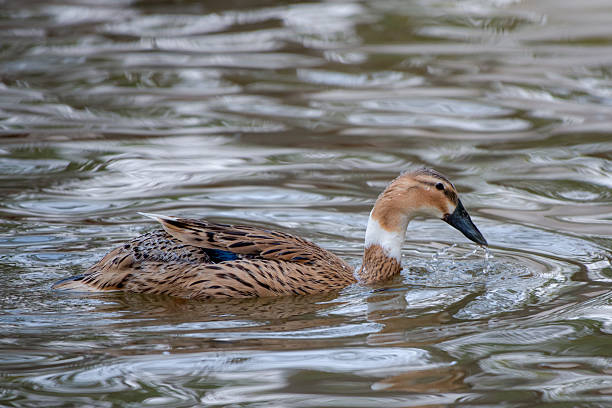
4.4. Mallard‑Derived Hybrids (e.g., “Cayuga‑Runner”)
| Attribute | Details |
|---|---|
| Origin | Crosses between Mallard, Indian Runner, and sometimes Cayuga or other ornamental breeds. |
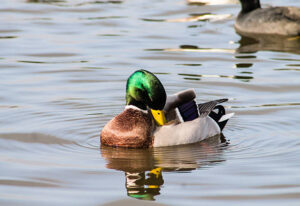
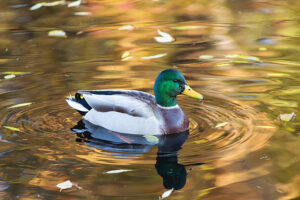
| Physical Traits | Medium‑size, often green‑head (Mallard trait) with a sleek, streamlined body. |
| Heat Adaptations | Mallard contributes a “shelf” of bare neck skin, excellent for evaporative cooling; Runner adds active foraging. |
| Egg Output | 200 – 250 medium‑large eggs/year (depends on the exact hybrid). |
| Meat Qualities | Solid, flavorful meat; moderate growth rate (≈ 9 weeks). |
| Behavior | Very hardy, readily adapts to both pond and dry‑run environments. |
| Management Tips | Provide both a shallow pond (for swimming) and dry, sandy areas. The hybrid’s innate curiosity makes them efficient at finding shade and water on their own. |
Why Hybrids Are a Smart Choice: By combining the Mallard’s natural heat‑dissipation with the Runner’s active, heat‑tolerant body, these hybrids can handle extreme temperature swings, making them ideal for regions with hot days and cool nights.
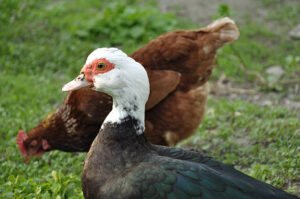
4.5. Muscovy
| Attribute | Details |
|---|---|
| Origin | Native to Central and South America (Mexico, Central America). |
| Physical Traits | Large, long‑necked, “silky” black or white plumage; reduced feather density on the head and neck. |
| Heat Adaptations | Very low feather coverage on the head/neck, high vascularization of the feet; strong instinct to bathe in deep water. |
| Egg Output | 80 – 120 large eggs/year – not a prolific layer, but eggs are extra‑large and have thick shells. |
| Meat Qualities | Premium meat, low fat, excellent flavor; market weight at 12–14 weeks. |
| Behavior | Tolerant of high humidity; prefers shaded, forest‑edge habitats. |
| Management Tips | A deep pond (≥ 60 cm) where they can submerge their heads fully is essential. Provide a sheltered “bush” run with plenty of leaf litter to keep feet cool. Muscovies are also more prone to bacterial infections in overly stagnant water, so ensure water turnover. |
Why Muscovy Stands Out: Their evolutionary background in tropical rainforests equips them for high heat and humidity. Although egg production is modest, the breed’s meat quality and resilience under heat stress make it a top choice for small‑scale meat operations in warm climates.
4.6. Crested (Oriental Crested)
| Attribute | Details |
|---|---|
| Origin | Southeast Asia (Indonesia, Philippines). |
| Physical Traits | Small‑to‑medium size, prominent “crest” feather on the head, light plumage with a slight “hairy” texture. |
| Heat Adaptations | Light body weight, limited down layer, and a natural propensity to roost in shaded tree canopies. |
| Egg Output | 150 – 200 small‑to‑medium eggs/year. |
| Meat Qualities | Tender, flavorful; reaches market weight in 8–10 weeks. |
| Behavior | Very active, loves to explore and forage under heat‑shaded foliage. |
| Management Tips | Provide tall, leafy trees or pergolas for roosting; shallow water pools (5 cm) for foot bathing; avoid excessive crowding to prevent feather‑rubbing and overheating. |
Why Crested Ducks Work: Their Asian origins mean they are accustomed to monsoon climates where temperatures and humidity can be high. The crest does not affect heat regulation, but the breed’s small size ensures lower metabolic heat production.
4.7. Other Notable Breeds & Emerging Lines
| Breed | Heat‑Tolerant Traits | Typical Production |
|---|---|---|
| Pekin (American commercial) | Fast growth, short feather coat; thrives in controlled indoor systems with proper ventilation. | 20–30 lb market weight in 7 weeks. |
| Rouen (Selective “Light‑Feather” lines) | Historically heavy, but modern breeding has produced “Light‑Feather Rouen” with reduced plumage density. | 250 – 300 large eggs/year (on cooler days). |
| White Runner (Hybrid) | Combines Runner’s tall, lean body with white plumage that reflects sunlight. | 250 – 280 eggs/year. |
| Silkie‑Duck (Exotic) | Very fine, fluffy plumage that can trap heat—generally not recommended for hot climates unless heavily managed. | 60–80 eggs/year. |
| New‑Wave “Sun‑Scorched” Lines (Research‑based) | Developed by university poultry programs (e.g., USDA‑ARS, University of Florida) using marker‑assisted selection for heat‑shock protein (HSP) expression. | Still under trial; early results show 15 % higher egg retention under 38 °C. |
Emerging lines are worth watching if you are a commercial grower seeking cutting‑edge genetics.
5. Management Practices for Warm‑Weather Duck Keeping
Even the most heat‑tolerant breeds will suffer without proper husbandry. Below are best‑practice guidelines to keep your ducks thriving when the mercury climbs.
5.1. Housing & Shade
- Structure Orientation – Align coops so that the longest wall faces east‑west. This minimizes direct afternoon sun exposure on the roof.
- Ventilation – Install removable slatted walls, ridge vents, and ceiling fans. Aim for air changes of at least 10 times per hour in hot months.
- Insulation – Use reflective roofing material (e.g., white metal or reflective shingles). Consider a double‑wall system with an air gap to reduce heat transfer.
- Shade Cloths – Deploy 70 % shade cloth over runs during peak heat (12 pm–4 pm). Shade cloths also reduce UV‑induced feather damage.
- Perches & Roosting – Provide wooden or metal perches above the floor to keep feet off hot ground; wood stays cooler than concrete.
- Nest Boxes – Use insulated nest boxes lined with straw; place them in shaded corners, not directly under the roof.
5.2. Water Systems & Bathing Areas
- Bath Depth – 5 – 15 cm deep for foot soaking; 30 cm+ for full body immersion (especially for Muscovies).
- Water Turnover – Install a small pump or gravity‑fed water feature to refresh water every 4–6 hours.
- Cooling Additives – Consider electrolyte‑rich solutions (e.g., diluted sports drinks) during extreme heat waves. Use only food‑grade electrolytes and keep concentrations below 0.5 %.
- Misting Systems – Fine misting over the run can lower ambient temperature by 3–5 °C. Use UV‑filtered misting to avoid algae growth.
5.3. Nutrition & Hydration Strategies
| Nutrient | Why It Matters in Heat | Practical Recommendations |
|---|---|---|
| Protein | Maintains muscle and feather condition despite reduced feed intake. | 18‑20 % in starter feed; 16‑18 % in layer feed. |
| Electrolytes (Na⁺, K⁺, Cl⁻) | Replace salts lost through panting and evaporative cooling. | Add a 0.5 % electrolyte premix in drinking water for 2‑3 days during heat spikes. |
| Vitamin E & Selenium | Antioxidant protection against oxidative stress from high temperatures. | Include Vitamin E (100 IU/kg) and Selenium (0.3 ppm) in feed. |
| Water‑Soluble Carbohydrates | Provide quick energy when feed consumption drops. | Offer small amounts of molasses‑water (1 % molasses) in drinking water. |
| Fiber | Encourages foraging and natural cooling through increased activity. | Add alfalfa hay or chopped straw to the run. |
Feeding Frequency: Offer feed twice daily (early morning and late afternoon) to avoid the midday heat when ducks are less likely to eat.
5.4. Disease Prevention in Hot Climates
- Parasite Control: Heat promotes mite and lice proliferation. Use sulfur dusting or permethrin spray on the birds and housing every 4 weeks.
- Bacterial Infections: Warm, stagnant water can seed Salmonella and E. coli. Keep water chlorinated (0.5 ppm free chlorine) or treat with hydrogen peroxide (2 ml/L).
- Fungal Issues: High humidity may cause aspergillosis. Provide good airflow and avoid over‑wet bedding. Replace bedding weekly.
- Vaccination: Consider Newcastle disease and avian influenza vaccines that are “thermostable” (e.g., ND V4).
5.5. Breeding & Hatchery Considerations
- Incubation Temperature: For hot climates, lower the incubator set‑point by 0.5 °C (from the standard 37.5 °C) to counteract ambient heat leakage.
- Humidity Control: Keep relative humidity at 55‑60 % during days 1‑18, then raise to 70 % for hatching. Use a wet towel inside the incubator during the last 24 hours to prevent membrane dehydration, which is more common in high‑temp zones.
- Brooder Design: Use cool‑brick or ceramic tile flooring for thermal mass; it absorbs excess heat and radiates slowly, keeping chicks comfortable.
- Heat‑Shock Protein (HSP) Screening: If you have access to a genetics lab, test breeding stock for HSP70 expression – birds with higher baseline levels tend to survive heat spikes better.
6. Frequently Asked Questions (FAQ)
| Question | Answer |
|---|---|
| Which duck breed lays the most eggs in hot weather? | The Khaki Campbell maintains the highest egg output (300 – 350 eggs/year) even when temperatures stay above 30 °C, provided it has adequate water and shade. |
| Can I keep Muscovies in a desert environment? | Yes, but you must provide deep, cool water for bathing and a well‑shaded coop with high ventilation. Supplemental misting is recommended. |
| Do Indian Runners need a nest box? | They are ground‑nesters and prefer shallow nests made of straw or grass on the floor. A low‑profile nest box can be used, but be sure it is well‑ventilated. |
| What is the ideal water temperature for duck baths? | Around 20‑24 °C (68‑75 °F). Anything hotter can accelerate heat stress, especially in young ducklings. |
| How often should I change water in a hot climate? | At least twice daily during heat waves; more often if the water becomes turbid or warm. |
| Are there specific vaccines for heat‑related diseases? | No vaccine directly combats heat stress, but thermostable Newcastle disease vaccines and IBD (Infectious Bursal Disease) vaccines improve overall immunity, helping birds cope better. |
| Can I mix heat‑tolerant and non‑heat‑tolerant breeds? | Yes, but keep the more sensitive birds in the coolest part of the run and monitor them closely. Overcrowding increases heat stress for all birds. |
| What are the signs of heat‑stroke in ducks? | Rapid panting, bright red combs and wattle (if present), lethargy, drooping wings, and loss of coordination. Immediate cooling (sprinkling water, moving to shade) and access to electrolytes is essential. |
| Is it safe to use a swamp cooler for a duck house? | Absolutely, provided the cooler does not create excess humidity (> 80 %). Use a dehumidifier or ventilated exhaust if humidity rises. |
| How can I tell if my ducks are properly hydrated? | Check the skin turgor on the neck; a well‑hydrated duck will have elastic skin that snaps back quickly. Also, look for moist, slightly sticky beaks. |
7. Conclusion & Quick‑Reference Checklist
Heat‑tolerant duck breeds open the door to profitable, humane, and sustainable poultry production in regions where traditional temperate breeds falter. By selecting the right genetics—Indian Runner, Khaki Campbell, Muscovy, heat‑adapted Aylesbury, and Mallard‑derived hybrids—and pairing them with thoughtful housing, abundant water, and targeted nutrition, you can achieve:
- Consistent egg production (200 + eggs/year) even during the hottest months.
- Fast, efficient meat growth with excellent carcass quality.
- Lower mortality rates and reduced veterinary costs.
Key Take‑aways
- Pick a breed that matches your climate and production goal.
- Prioritise water—both quantity and temperature.
- Provide shade and ventilation at all times.
- Adjust feed to include electrolytes, antioxidants, and high‑quality protein.
- Monitor health daily and act fast at the first sign of heat‑stress.
With these tools, any farmer—whether a backyard hobbyist in Arizona, a small‑scale entrepreneur in the Sahel, or a commercial grower in Queensland—can successfully raise ducks in the heat.
#HeatTolerantDucks, #WarmWeatherPoultry, #IndianRunner, #KhakiCampbell, #MuscovyDuck, #AylesburyHeatResistant, #DuckBreeds, #BackyardPoultry, #SustainableFarming, #DuckEggs, #DuckMeat, #PoultryHeatStress, #DuckHousing, #DucksInTheSun, #PoultryManagement, #HeatShockProteins, #DuckNutrition, #FarmLife, #SmallScaleFarming, #TropicalDucks, #DuckCare, #PoultryHealth, #DuckWaterBath, #CoolingDucks, #HeatResilientLivestock, #EcoFriendlyFarming, #FarmersOfInstagram, #YouTubePoultry, #FarmersOnFB, #DucksOfYouTube, #PoultryHusbandry, #HeatAdaptedAnimals.
Add comment