
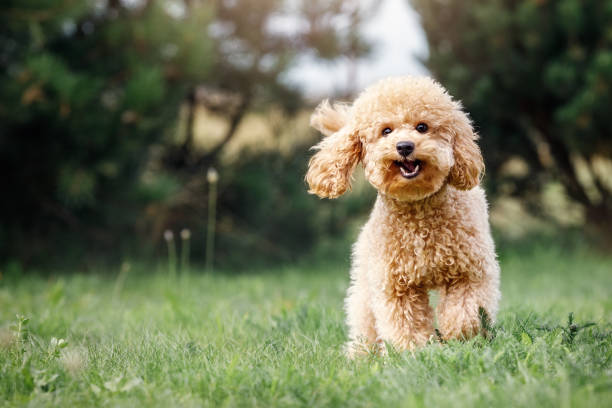
Congratulations on embarking on this exciting journey with your new puppy! Teaching your puppy how to walk nicely on a leash is not just about manners; it’s about safety, providing mental and physical enrichment, and strengthening your bond. Understanding the difference between “Heel” and “Loose Leash Walking” (LLW) is fundamental, as they serve different purposes and are taught differently.
This comprehensive guide will break down both concepts, explain when and how to teach them, and offer practical tips specific to puppy training.
Heel vs. Loose Leash Walking: A Comprehensive Guide for Puppy Training
Introduction: The Importance of Leash Manners
Walking your puppy is a vital part of their development, providing exercise, socialization, and exposure to the world. However, an untrained puppy can turn a pleasant stroll into a stressful tug-of-war. By understanding and teaching both loose leash walking and the heel command, you equip your puppy with versatile skills that will make every outing enjoyable for both of you.
Part 1: Understanding the Basics
Let’s define what each term means:
1. Loose Leash Walking (LLW)
- Definition: Your puppy walks without pulling on the leash, allowing for some freedom to sniff, explore, and move slightly ahead, behind, or to the side of you, as long as the leash remains slack. The key is no tension on the leash.
- Purpose:
- Everyday enjoyment: This is your default, casual walking style. It allows your puppy to engage with their environment (within safe limits), which is crucial for mental stimulation and socialization.
- Safety: Prevents your puppy from choking or injuring their neck/throat. It also prevents you from being pulled off balance.
- Foundation: Builds the habit of not pulling, which is essential before introducing more formal commands like “heel.”
- Empowerment: Allows your puppy some agency over their walk, fostering a positive association with leash walks.
- Ideal for: Neighborhood strolls, park visits, casual walks, sniffing expeditions, potty breaks.
2. Heel (Formal Heeling)
- Definition: Your puppy walks precisely by your side, typically with their shoulder aligned with your leg, paying close attention to you. There is no pulling, and the puppy maintains this position regardless of distractions, stopping when you stop, and turning when you turn, without needing a tight leash.
- Purpose:
- Control in high-distraction/high-traffic areas: Essential for navigating busy streets, crowded events, or situations where precise control is paramount for safety.
- Formal obedience: A requirement for dog sports and competitions (e.g., obedience, rally).
- Focus: Teaches the puppy to maintain intense focus on you, even amidst strong temptations.
- Specific tasks: Moving through doorways politely, passing other dogs or people closely, ensuring your puppy stays out of harm’s way.
- Ideal for: Crossing busy streets, navigating crowded sidewalks, entering/exiting buildings, formal training, obedience trials, situations demanding undivided attention from your dog.
Part 2: Key Differences & When to Use Each
| Feature | Loose Leash Walking (LLW) | Heel (Formal Heeling) |
|---|---|---|
| Position | Flexible (ahead, behind, side) as long as leash is slack | Precise (shoulder aligned with handler’s leg, typically left side) |
| Focus | On environment (sniffing, exploring) while not pulling | Intense focus on handler |
| Leash Tension | Always slack | Always slack, but due to dog’s precise positioning, not freedom |
| Freedom | More freedom to explore and investigate their surroundings | Minimal freedom; dog is “working” and highly attentive |
| Mental State | Relaxed, exploratory | Focused, engaged, attentive (“on duty”) |
| Cue | Often no specific verbal cue (just a general walk) or “Let’s Go” | Specific verbal cue (e.g., “Heel,” “Close,” “Side”) |
| Difficulty | Easier to teach initially | Requires more focus, precision, and proofing, thus more challenging |
| Primary Use | Everyday walks, mental enrichment | Safety in busy areas, formal obedience, precise control in specific situations |
Part 3: Why Start with Loose Leash Walking (Especially for Puppies)?
For puppies, always prioritize Loose Leash Walking first. Here’s why:
- Prevents Bad Habits: Pulling is self-reinforcing. Every time a puppy pulls and gets to move forward, they learn that pulling works. Starting with LLW establishes the “no pulling” rule from day one.
- Positive Association: The goal is for your puppy to love walks. LLW allows them to explore and enjoy their surroundings, creating a positive experience. Formal heeling can be more demanding and can become aversive if introduced too early or improperly.
- Less Pressure: LLW is less demanding mentally and physically for a young puppy with a short attention span. It’s about teaching a concept (leash pressure means stop) rather than a rigid position.
- Foundation for Heel: Once a puppy understands that leash tension means “stop” or “reorient,” teaching the more precise “heel” becomes significantly easier. They already know not to pull.
Part 4: Preparing Your Puppy for Walking
Before you even start formal training, ensure these elements are in place:
- Equipment:
- Collar/Harness: For puppies, a front-clip harness is often recommended. It redirects your puppy’s forward momentum gently if they pull, without putting pressure on their delicate neck. Flat collars are fine for ID tags, but for training, a harness is safer and more effective for preventing pulling. Avoid retractable leashes for training; they teach puppies that pulling is okay.
- Leash: A lightweight, 4-6 foot standard leash (nylon, leather, or biothane).
- Treats: High-value, small (pea-sized), soft treats that are easy for your puppy to swallow quickly.
- Pouch: A treat pouch worn on your waist for quick access.
- Clicker (Optional but Recommended): A clicker marks the exact moment of desired behavior, making training much clearer for your puppy.
- Foundation Skills:
- Name Recognition: Your puppy should respond to their name.
- Attention: Practice “watch me” or getting your puppy’s eye contact indoors.
- Positive Associations: Let your puppy wear their collar/harness for short periods indoors, associating it with positive things like play and treats. Clip the leash on and let them drag it around (under supervision) to get used to the feel.
- Start Indoors: Begin training in a low-distraction environment (your home or yard) before venturing outside.
Part 5: Training Guide: Loose Leash Walking (LLW)
Goal: Your puppy walks with a consistently slack leash, regardless of your pace or direction.
Prerequisites: Puppy is comfortable with collar/harness and leash, responds to their name.
Step-by-Step Training:
- Start in a Low-Distraction Area: Begin in your living room or a quiet backyard.
- Hold the Leash Correctly: Loop the leash handle over your thumb and hold the rest of the leash in your hand, allowing slack but ready to give a gentle correction if needed.
- Reward for Proximity & Slack Leash:
- Start walking. The moment your puppy is walking beside you (or even slightly ahead/behind) and the leash is slack, click (if using a clicker) and immediately give a high-value treat.
- Repeat frequently, especially at the beginning. Aim for 3-5 steps of slack leash, then click and treat. Gradually increase the number of steps.
- The “Stop-Start” Method:
- If your puppy pulls ahead and tightens the leash, immediately stop walking. Become a “tree.”
- Do not move forward until the leash slackens, even for a second. This might mean your puppy turns to look at you, or takes a step back.
- The moment the leash is slack, click and offer a treat at your side. Then, praise (“Good! Let’s go!”) and start walking again.
- The puppy learns: Leash tightens = walk stops. Leash slackens = walk continues (and treats!).
- Change Direction (The “Reverse Lure” or “Figure 8”):
- If your puppy starts to pull, instead of just stopping, abruptly change direction (turn left, right, or even do a 180-degree turn).
- As you change direction, your puppy will likely be caught off guard and naturally move back towards you, creating slack in the leash.
- As they move towards you with a slack leash, click and reward them for being in the correct position.
- This keeps the puppy engaged and prevents them from fixating solely on what’s ahead.
- “Be a Super Fun Magnet!”:
- Periodically, while walking, call your puppy’s name in an excited voice. As they look at you, click and reward them for checking in. This reinforces paying attention to you.
- Scatter treats on the ground near your feet to encourage them to stay close and look for good things near you.
- Progress Gradually:
- Duration: Start with 5-10 minute training sessions, several times a day.
- Distractions: Once proficient indoors, move to a quiet outdoor area (your yard), then a quiet street, gradually increasing distractions.
- Distance: As your puppy masters short bursts, increase the distance you walk between rewards.
Common LLW Puppy Troubleshooting:
- Puppy is constantly pulling: You might be moving too fast or not rewarding enough. Go back to basics: reward every 1-2 steps of slack. Increase treat value.
- Puppy ignores you and the treats: Distraction level is too high. Go back to a quieter environment.
- Puppy bites the leash: Redirect with a toy, or offer a treat the moment they release the leash. Make the leash “boring” by stopping all forward movement when they bite it.
Part 6: Training Guide: Heel
Goal: Your puppy walks in a precise position by your side, attentive to your movements.
Prerequisites:
- Good foundation in Loose Leash Walking: Your puppy understands “no pulling.”
- Basic Obedience: “Sit,” “Stay” (short duration), “Watch Me.”
- Strong positive associations with you.
Step-by-Step Training:
- Choose Your Side: Decide which side you want your puppy to heel on (traditionally the left, but either is fine as long as you’re consistent).
- Start in a Low-Distraction Area: Indoors is best.
- Lure into Position (Stationary):
- Hold a high-value treat in your hand.
- Say your chosen “Heel” cue (e.g., “Heel,” “Side,” “Close”).
- Lure your puppy around your body into the desired heel position (shoulder aligned with your leg on your chosen side). Use the treat to guide their nose.
- The moment they are in position, click and reward. Practice this many times until they can reliably get into position from various starting points.
- Take a Single Step (Forward):
- With your puppy in the heel position, say “Heel.”
- Take one step forward.
- If your puppy moves with you, maintaining position and a slack leash, click and reward immediately.
- Repeat, gradually increasing to two, then three steps.
- Build Duration and Distance:
- As your puppy gets the hang of it, slowly increase the number of steps you take before clicking and rewarding.
- Keep sessions short (2-5 minutes) and fun.
- Add Turns and Stops:
- Turns: Practice turning left, right, and about-turns. Use your body language and the treat lure to guide your puppy through the turn. Reward immediately when they maintain position.
- Stops: When you stop, your puppy should also stop and ideally sit automatically (a more advanced heel). Lure them into a sit if needed, then click and reward.
- Fade the Lure:
- Once your puppy reliably follows the lure, start to phase it out.
- Move the treat hand less overtly. Eventually, give the verbal cue “Heel,” point to your side, and reward from the treat pouch, not from the guiding hand.
- The goal is for the verbal cue and your body position to be enough.
- Introduce Distractions (Proofing):
- Once your puppy is proficient indoors, gradually introduce distractions:
- Another person walking by.
- A toy on the floor.
- Moving to a quiet outdoor area.
- Then to a more distracting environment.
- Always set your puppy up for success. If they fail, reduce the distraction level.
- Once your puppy is proficient indoors, gradually introduce distractions:
Common Heel Puppy Troubleshooting:
- Puppy keeps breaking position: You’re asking for too much too soon. Go back to shorter distances, fewer distractions, and reward more frequently.
- Puppy isn’t motivated: Increase the value of your treats. Make training more playful.
- Puppy pulls in heel: Revisit LLW. They haven’t fully grasped that leash tension means the good things stop.
- Puppy lags behind: Use a more enticing lure or make yourself more exciting. Speed up your walk slightly.
Part 7: Integrating Both Skills
The key to using both effectively is distinct verbal cues.
- “Heel” Cue: When you need the formal, precise position.
- “Let’s Go,” “Free,” or no cue at all: When you switch back to loose leash walking, indicating they have more freedom to explore but still no pulling.
How to Practice Switching:
- Walk in “Heel” for a few seconds.
- Say “Let’s Go!” (or your chosen cue), allow the leash to lengthen a bit (still slack), and let your puppy sniff or explore for a short period, rewarding for slack leash.
- Then, gently guide them back to your side, give your “Heel” cue, and practice heeling again.
- This teaches your puppy to differentiate between “work mode” and “explore mode.”
Part 8: Common Puppy Walking Mistakes to Avoid
- Relying on Punishment: Yanking the leash, scolding, or using harsh tools (choke chains, prong collars) can damage your puppy’s trust, create fear, and make them hate walks. Always use positive reinforcement.
- Lack of Consistency: Everyone in the household must use the same cues and methods. Inconsistency confuses puppies.
- Rushing the Process: Puppies have short attention spans. Keep sessions short, positive, and fun. Don’t expect perfection overnight.
- Not Enough Rewards: Especially at the beginning, reward frequently for desired behavior. High-value treats are crucial.
- Ignoring Early Pulling: Every time your puppy pulls and gets to move forward, you’re reinforcing the pulling behavior. Stop immediately when the leash tightens.
- Using a Retractable Leash for Training: These leashes teach puppies that constant tension is normal and reward pulling with greater distance. Use a fixed-length leash.
- Being Predictable: Vary your pace, change directions, and mix up your walking routes to keep your puppy engaged and prevent them from anticipating your every move.
Part 9: Advanced Tips for Lifelong Success
- Proofing: Practice in a wide variety of environments (parks, stores, busy streets) and with different types of distractions (other dogs, people, sounds) to ensure reliability.
- Generalization: Practice with different handlers (family members) so your puppy walks nicely with anyone.
- Maintenance: Even after your puppy masters these skills, continue to practice periodically and reward good behavior to keep the skills sharp.
- Enrichment Walks: Remember that not every walk needs to be a training session. Allow your puppy plenty of “sniffaris” where they can just explore their environment on a long line (in a safe area). This is vital for their mental well-being.
Conclusion
Teaching your puppy loose leash walking and the heel command is an investment that pays dividends for years to come. It requires patience, consistency, and a positive attitude, but the reward is a well-mannered companion who can accompany you anywhere safely and joyfully. Start with loose leash walking, build a strong foundation, and then introduce the more formal heel. With dedication, you and your puppy will enjoy many happy walks together!







Add comment