
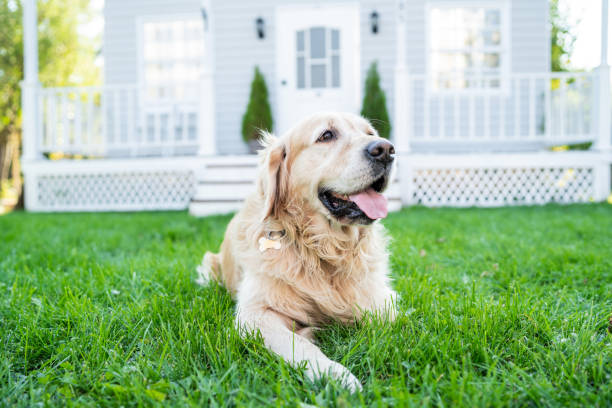
The dream of a perfectly potty-trained puppy, happily doing their business outside, is a common one for new dog owners. However, the reality for many quickly turns into a frustrating struggle: the puppy who holds it for an eternity outside, only to relieve themselves the moment they step back indoors. Or perhaps they cower from the wind, refuse to walk on wet grass, or are simply too distracted by the vast outdoor world to remember their primary mission.
If you’re nodding your head in weary agreement, take a deep breath. You are not alone. “My puppy hates going potty outside” is an incredibly common cry for help in the world of dog ownership. This outdoor reluctance, while exasperating, is rarely a sign of defiance or malicious intent. Instead, it’s often a complex mix of fear, discomfort, distraction, and communication gaps that we, as their human guardians, can learn to understand and overcome.
This comprehensive guide is designed to be your ultimate resource in deciphering and resolving your puppy’s outdoor potty aversion. We will delve into the myriad reasons why a puppy might resist eliminating outdoors, provide a foundational refresher on effective potty training principles, and then equip you with an arsenal of step-by-step solutions, troubleshooting tips, and the unwavering patience needed to guide your furry friend towards successful outdoor potty habits. By the end, you’ll have a clear roadmap to transforming a stressful chore into a positive routine for both you and your beloved puppy.
Understanding the Root Cause: Why Puppies Resist Pottying Outside
Before we can solve the problem, we must first understand it. A puppy’s reluctance to potty outside isn’t usually an act of rebellion; it’s often a manifestation of fear, discomfort, distraction, or a misunderstanding of what’s expected. Pinpointing the specific “why” for your puppy is the first crucial step.
1. Fear and Anxiety: The Overwhelmed Puppy
One of the most significant reasons for outdoor potty reluctance stems from an underdeveloped sense of safety and confidence in new or stimulating environments.
- New Environment Overwhelm: Puppies, especially young ones, are experiencing the world for the first time. The sights, sounds, and smells outside can be incredibly intense.
- Sounds: Cars passing, distant sirens, barking dogs, children playing, sudden gusts of wind, the rustle of leaves – all can be jarring and frightening to sensitive ears.
- Sights: Large objects (dumpsters, mailboxes), people walking by, other animals, shadows, even the vast open space can seem intimidating.
- Smells: The sheer volume of new scents can be distracting or even alarming.
- Lack of Perceived Safety/Vulnerability: Elimination is a vulnerable act for any animal. In the wild, animals seek safe, secluded spots to avoid predators while relieving themselves. Your puppy might not feel secure enough to squat and pee/poop in an open, noisy, or unfamiliar outdoor setting. They might feel exposed and defenseless.
- Negative Past Experiences: Even a single negative experience can create a lasting aversion.
- A sudden loud noise (fireworks, backfiring car) during a potty break.
- Being startled or scared by another dog or person.
- An owner’s harsh scolding or punishment for an indoor accident that created a general fear of elimination, regardless of location.
- Being left alone outside for extended periods, especially small puppies.
- Breed-Specific Sensitivities: Some breeds, particularly smaller ones (e.g., Chihuahuas, Yorkers, Italian Greyhounds), are inherently more sensitive to cold, wet weather, or general outdoor stimuli due to their size and genetic predispositions. They naturally seek warmth and comfort.
2. Discomfort and Preference: The “Goldilocks” Syndrome
Puppies, like us, have preferences. What seems perfectly normal to us might be uncomfortable or undesirable for them.
- Weather Aversion:
- Rain: Many puppies detest getting wet. The feeling of rain, the wet ground, and the chill can be extremely off-putting.
- Snow/Cold: Freezing temperatures and snow can be painful on their paws or just generally unpleasant, especially for short-coated breeds or puppies not accustomed to it.
- Extreme Heat: Hot pavement can burn paws, and direct sun can be uncomfortable.
- Wind: Strong wind can be disorienting and frightening.
- Ground Texture Preference: Puppies often develop preferences for certain surfaces.
- They might prefer soft, absorbent surfaces (like carpets, rugs, or bath mats) over rough grass, cold concrete, or muddy dirt.
- If they were raised in a clean environment indoors, they might be conditioned to prefer indoor textures.
- Cleanliness Preference: Some puppies are meticulous. They might prefer not to soil their immediate “den” area (your yard) and are looking for a specific, often cleaner, spot that hasn’t been used before. This is particularly true if your yard is small or heavily used by other pets.
- Indoor Comfort: The indoors offers warmth, familiarity, quiet, and a sense of safety that the unpredictable outdoors often lacks. It’s simply easier and more pleasant to relieve themselves where they feel most secure.
3. Distraction: The World is Too Interesting!
For many puppies, the outside world is an endless buffet of sensory input, rendering their potty mission secondary to exploration.
- Sensory Overload: Every leaf, every blade of grass, every distant sound, every intriguing smell becomes a powerful distraction. The puppy is too busy investigating to focus on eliminating.
- Playtime Association: If every trip outside involves immediate play, the puppy learns to associate the outdoors with fun and excitement, not with the quiet, focused act of pottying. They might even try to “hold it” to prolong play.
- Lack of Training Focus: The owner might inadvertently reinforce distraction by walking around, talking, or not standing still, which signals to the puppy that it’s okay to wander and sniff rather than focus.
4. Lack of Clear Communication/Training Issues: Mixed Signals
Sometimes, the issue isn’t the puppy’s inherent reluctance but a breakdown in the communication and training process.
- Inconsistent Schedule: If potty breaks are sporadic or too far apart, the puppy doesn’t learn predictability.
- Unclear Cues: The owner might not be using a consistent verbal cue (“Go potty,” “Do your business”) or might not be waiting long enough.
- Lack of Positive Reinforcement: If outdoor success isn’t met with enthusiastic praise and high-value treats, the puppy doesn’t have a strong incentive to repeat the behavior outside.
- Too Much Indoor Freedom Too Soon: Giving a puppy free roam of the house before they are reliably potty trained significantly increases the chances of indoor accidents, reinforcing the idea that indoor elimination is acceptable.
- Punishment for Indoor Accidents: This is one of the most detrimental training mistakes. Punishing a puppy for an indoor accident teaches them to hide their elimination from you, not to avoid eliminating indoors. They learn to associate your presence with punishment related to pottying, leading them to sneak off inside or hold it in your presence, even outside.
5. Medical Issues (Rule Out First!)
It is paramount to rule out any underlying medical conditions that could be contributing to your puppy’s reluctance or inability to hold it.
- Urinary Tract Infections (UTIs): Can cause frequent urination, pain during elimination, or an inability to hold urine. Often puppies with UTIs might strain or cry while attempting to go.
- Parasites (Intestinal Worms or Giardia): Can cause diarrhea, discomfort, and a sudden urge to go, making it hard for the puppy to wait to get outside.
- Bladder Stones or Other Organ Issues: Less common in puppies but possible.
- Pain/Discomfort: Any physical pain (e.g., joint pain, sore paw) could make squatting or standing outside uncomfortable.
Before implementing any behavioral solutions, a visit to your veterinarian is highly recommended to rule out medical issues. Describe the symptoms thoroughly to help your vet diagnose or confirm that your puppy is physically healthy.
The Foundation of Potty Training: A Quick Recap (Essential for Troubleshooting)
Regardless of why your puppy dislikes going outside, solid potty training fundamentals are the bedrock upon which all solutions are built. If any of these foundational elements are weak, outdoor reluctance will be harder to overcome.
- Crate Training (The Den Concept): A crate, when used correctly, is a puppy’s safe den. Dogs are naturally clean animals and instinctually avoid soiling their sleeping area. A crate that is just big enough for them to stand up, turn around, and lie down comfortably (without extra space to potty in a corner) is invaluable. It helps them hold their bladder/bowels, strengthening their physical control.
- Consistent Schedule: Puppies thrive on routine. A predictable schedule helps their bodies learn when to expect food, water, and potty breaks.
- Feeding Times: Consistent meal times (2-3 times a day for puppies) lead to predictable bowel movements, usually 15-30 minutes after eating.
- Potty Breaks: Take your puppy out:
- First thing in the morning.
- Immediately after waking from a nap.
- Immediately after eating or drinking.
- Before and after playtime/training sessions.
- Before bedtime.
- Every 1-2 hours for very young puppies (8-12 weeks), gradually increasing the time as they get older (e.g., age in months + 1 = max hours they can hold it, but always go out more frequently than max).
- Supervision & Confinement: Preventing Accidents:
- “Umbilical Cord” Method: Keep your puppy on a leash attached to you while indoors. This way, you always know what they’re doing and can intervene immediately if they start to squat.
- Playpen/Gated Areas: If you can’t actively supervise (e.g., cooking dinner), confine your puppy to a puppy-proofed playpen with some toys and a bed.
- No Free Roam: Absolutely no unsupervised freedom until long after they are reliably potty trained. Every indoor accident is a setback.
- Positive Reinforcement: This is the only effective way to train a puppy. When they eliminate outside, immediately praise them lavishly and give a high-value treat (something they only get for pottying outside). The reward must be instant and exciting to create a strong positive association.
- Cleaning Accidents Thoroughly: Use an enzymatic cleaner specifically designed to neutralize pet odors (e.g., Nature’s Miracle, Rocco & Roxie). Regular household cleaners only mask the scent, leaving behind a residue that can attract your puppy to potty in the same spot again.
Solutions for Outdoor Reluctance: Step-by-Step Strategies
With the foundation in place and medical issues ruled out, let’s tackle outdoor reluctance head-on. These strategies build upon each other and require consistent application.
A. Creating a Positive Outdoor Potty Experience (Prevention & Core Strategy)
Your goal is to make going potty outside the most positive, predictable, and rewarding experience possible.
- Identify a Designated Potty Spot:
- Choose one specific area in your yard or on your walk route that you want your puppy to use.
- Keep it consistent. This helps them learn where to go and builds habit.
- Ensure it’s relatively clean and free of excessive distractions if possible, especially initially.
- Take your puppy directly to this spot every time.
- Minimize Distractions on the Potty Mission:
- Keep them on a leash: Even in a fenced yard, a leash keeps them focused. Don’t let them wander off to play or sniff excessively before they’ve done their business.
- Choose quiet times/locations: If possible, initially go out during less busy times of day or to quieter areas away from heavy foot traffic, loud noises, or other dogs.
- Be a “Potty Pylon”: Stand mostly still in the designated potty spot. Don’t engage in conversation, look at your phone, or immediately start walking and sniffing. Your puppy should be focused on their task, not on you or the environment.
- Make it a “Potty Mission,” Not a Playtime (Initially):
- When you take your puppy out for a potty break, the only goal is for them to eliminate.
- Once they have successfully gone, then you can reward them with a short play session, a longer walk, or some indoor freedom. This teaches them the sequence: Potty First → Then Play.
- Patience is Key: Give Ample Time:
- Puppies take time to “wind down” and find the right spot. Don’t rush them.
- Allow 10-15 minutes (or even longer for very stubborn puppies) in the designated spot. If they don’t go, follow the “come inside, crate/supervise, try again soon” rule (see Section D).
- Don’t just stand there silently. Use a consistent potty cue (see below).
- Maintain a Calm & Confident Demeanor:
- Your anxiety or frustration can easily transfer to your puppy, making them more stressed and less likely to relax enough to eliminate.
- Speak in a calm, encouraging tone. Project confidence, implying that this is a normal, safe activity.
- Positive Reinforcement (Elaborated): The “Potty Party”!
- High-Value Treats: These are treats your puppy absolutely adores and only gets for pottying outside. Think small pieces of cooked chicken, cheese, hot dogs, or especially tasty commercial treats.
- Immediate Reward: The treat and praise must be delivered within 1-3 seconds of them finishing their pee or poop. This instant gratification creates a strong, clear association: “I peed outside, and BAM! Super yummy treat and happy human!”
- Enthusiastic Praise: Use a happy, excited voice: “YES! Good potty! Good boy/girl!”
- Physical Affection (if they like it): A brief pat or scratch if they enjoy it, but the treat is usually the primary motivator.
- The “Potty Party” Concept: Make it a big, exciting deal! The joy you express will be contagious.
- Use a Consistent Potty Cue:
- As your puppy is squatting or circling to go, calmly say your chosen cue: “Go potty,” “Do your business,” “Pee-pee,” etc.
- Over time, your puppy will associate the phrase with the act, and you can eventually use it to prompt them when you’re outside.
B. Addressing Specific Fears and Discomforts
Once you’ve established a positive routine, you might need to tailor your approach for specific aversions.
- Fear of the Environment (Noises, Sights):
- Gradual Exposure/Desensitization: Don’t throw your puppy into the deep end.
- Start in the quietest, most familiar spot possible (e.g., your porch, a very quiet corner of your yard).
- Slowly, over days or weeks, introduce them to slightly more stimulating environments, always pairing it with calm reassurance and high-value treats (even if not for pottying yet, just for being calm in the presence of the stimulus).
- Example: If they’re scared of traffic, sit with them on a bench far from the road, giving treats as cars pass. Gradually move closer over time.
- Body Language Awareness: Pay attention to your puppy’s stress signals: tail tucked, ears back, lip licking, yawning (out of context), shivering, pacing, trying to hide. If they’re too stressed, they won’t relax enough to potty. Retreat to a calmer spot.
- Create a “Safe Zone” Outside: If your yard is large, consider fencing off a smaller, more contained potty area.
- Gradual Exposure/Desensitization: Don’t throw your puppy into the deep end.
- Weather Aversion (Rain, Snow, Cold):
- Gear Up:
- Raincoat: Invest in a well-fitting, comfortable raincoat. Introduce it gradually indoors with treats first.
- Booties: For extreme cold or hot pavement, booties can protect paws. Again, introduce slowly and positively.
- Sweater/Coat: For short-coated breeds in cold weather.
- Provide Shelter: Use an umbrella for yourself and to shield your puppy from rain/snow. If you have a covered porch or overhang, use that initially.
- Brief but Frequent Exposures: Don’t force them to stay out long in bad weather. Just a few minutes, focused on pottying, then back inside to warmth and comfort. Reward heavily for any success.
- Desensitization (if necessary): For puppies terrified of rain, start by letting them see rain from a window, then briefly open the door, then step just outside, all with treats and praise.
- Gear Up:
- Texture Preference (Grass vs. Concrete vs. Dirt):
- Simulate Preferred Texture: If your puppy prefers artificial turf, buy a small patch and place it in the designated outdoor potty spot. If they like dirt, bring a small amount of dirt over.
- Gradual Transition: Once they reliably use the preferred texture outside, slowly reduce the amount of the simulated texture, or move it closer to the natural outdoor texture you want them to use.
- Consider Temporary Indoor Solutions (Caution): For extreme cases, especially in apartments or during severe weather, consider an indoor “potty patch” of artificial grass (like a “Potty Patch” product) or a litter box with dog-friendly litter. WARNING: This is a temporary bridge, not a permanent solution, otherwise you will reinforce indoor elimination. You will then need to transition this outside, similar to the texture transition above.
C. Managing Distractions Outside
When the world is too exciting, you need strategies to re-focus your puppy.
- Leash Management: Keep the leash relatively short (but not tight) to prevent excessive wandering and sniffing. Guide them directly to the potty spot.
- Short, Frequent Trips: Instead of long, drawn-out attempts, take more frequent, shorter trips (5-7 minutes). This creates more urgent opportunities for them to go before they get too distracted.
- “Potty First, Play Later”: Consistently reinforce the routine: “We go outside, we potty, then we can play/go for a sniffy walk.”
- Avoid Overwhelm: As mentioned, choose quiet times and locations for potty breaks until your puppy gains confidence and focus.
D. Bridging the Gap: Getting Them to Go Outside When They’re Holding It In
This is the classic scenario: puppy holds it outside, then immediately eliminates inside.
- The “Potty Pylon” Technique (Revisited):
- Go to the designated spot, stand still.
- Hold the leash, but don’t pull or hover excessively. Let them sniff a small circle (1-2 feet).
- Be patient and wait.
- Use your potty cue every 30-60 seconds.
- If 10-15 minutes pass with no success:
- Immediately take them back inside and put them directly into their crate or playpen for 10-15 minutes. No free roam, no play, no looking out windows. This prevents accidents and signals that holding it doesn’t earn freedom.
- After 10-15 minutes, take them out to the potty spot again and repeat the process.
- Repeat this cycle until success occurs. The moment they go, unleash the “Potty Party”!
- Leash Walk to Stimulate: For some puppies, gentle movement helps stimulate their bowels/bladder. Instead of standing completely still, walk a small, consistent circle in the potty spot. The movement can encourage them to relax and go.
- Capture the Moment (Inside to Outside):
- If you catch your puppy squatting to pee or poop indoors:
- DO NOT YELL OR PUNISH. This will only teach them to hide accidents.
- Calmly interrupt: Make a small noise (e.g., a gentle “Ah-ah!” or clap) to get their attention, but don’t scare them.
- Immediately pick them up (if small enough) or leash them and carry/lead them outside to the designated spot.
- If they finish outside: Praise lavishly and treat generously. This is a huge teaching moment!
- If they don’t finish outside: Don’t scold. Just bring them back in and crate/supervise them for 10-15 minutes, then try again.
- If you catch your puppy squatting to pee or poop indoors:
- Consider “Fake Potty” (with caution): For very young puppies who learn by imitation, some owners try squatting down themselves and making a “grunting” sound to mimic elimination. This might seem silly, but for some puppies, it can trigger the behavior. Use sparingly and if it feels natural.
E. Troubleshooting Common Scenarios
- Goes Outside, Holds It, Comes Inside, Puts It Straight Down:
- This is the most common issue. Your puppy has learned that holding it outside means coming back to comfort and safety, and then they relieve themselves where they do feel safe.
- Solution: Drastically increase your time outside during initial “potty missions.” If 15 minutes isn’t enough, try 20-30 minutes. If they still don’t go, immediately crate them for 10-15 minutes upon re-entry, then try again. No indoor freedom whatsoever until they go outside. This is critical.
- Increase the Value of Outdoor Success: Are your treats high-value enough? Is your praise enthusiastic enough? Make that “Potty Party” truly epic.
- Only Pups Indoors at Night:
- Frequency: Ensure you’re taking them out right before bed and first thing in the morning. For very young puppies, a middle-of-the-night potty break might be necessary.
- Crate Management: Is the crate appropriately sized? Is it comfortable enough for sleep but not so large they can potty in one corner and sleep in another?
- Water Restriction (Carefully): Stop giving water 2-3 hours before bedtime. Always provide fresh water first thing in the morning.
- Rule Out Medical: Again, a UTI is a common cause of nighttime accidents.
- Fear of the Poop: Some puppies are startled by their own waste, especially if it’s noisy or sticky.
- Solution: Clean it up quickly after they are finished (don’t interrupt them while they are going). Don’t react negatively to the waste itself. Ensure they feel safe during the act.
F. Managing Indoor Accidents (Crucial for Not Reinforcing Reluctance)
How you react to indoor accidents directly impacts your puppy’s learning and can either exacerbate or alleviate outdoor reluctance.
- Never Punish: Yelling, scolding, rubbing their nose in it, or physical punishment is counterproductive and harmful. It teaches your puppy to:
- Fear you.
- Hide their elimination from you.
- Associate pottying with negative consequences, even if it was outside. This can intensify outdoor reluctance, as they’ll be too scared to go in front of you.
- Interrupt, Don’t React (if caught in the act): As described in Section D, a calm interruption and immediate transfer outside is the correct response.
- Thorough Cleaning: This cannot be stressed enough. Use an enzymatic cleaner (e.g., Nature’s Miracle, Simple Solution, Rocco & Roxie). These cleaners break down the uric acid crystals in urine, completely eliminating the odor that attracts puppies back to the same spot. Regular cleaners just mask the smell for humans but not for a puppy’s sensitive nose.
- Restrict Access: If your puppy is having indoor accidents, they have too much freedom. Go back to square one: crate, playpen, or umbilical cord supervision. Only gradually grant more freedom as their outdoor potty habits become reliable.
The Role of Patience, Consistency, and Positive Reinforcement
Solving outdoor potty reluctance isn’t a quick fix; it’s a journey that requires these three pillars:
- Patience is a Virtue: Potty training takes time, and every puppy learns at their own pace. There will be setbacks, accidents, and frustrating moments. Remind yourself that your puppy isn’t doing it to spite you. They are learning a new behavior in a confusing world. A calm, understanding approach is far more effective than frustration.
- Consistency is Non-Negotiable:
- Schedule: Stick to your feeding and potty schedule religiously.
- Routine: Always go to the same potty spot, use the same cue, and follow the “potty first, then play” rule.
- Reinforcement: Reward every single time for outdoor success. Inconsistency dilutes the message.
- Positive Reinforcement: The Cornerstone: This is the most powerful tool you have. Make going potty outside the most rewarding and enjoyable experience for your puppy. You want them to want to go outside because good things happen there. Build a strong, positive association that outweighs any fears or distractions.
When to Seek Professional Help
While this guide covers extensive strategies, there are times when professional intervention is warranted:
- Persistent Refusal: If, despite consistent application of these strategies for several weeks/months, your puppy shows no improvement or even regresses significantly.
- Aggression or Extreme Fear Outdoors: If your puppy exhibits severe fear or aggression (e.g., snapping, growling, extreme cowering, prolonged shaking, inability to move) when outside, this indicates a deeper behavioral issue that requires a professional.
- Sudden Regression: If a previously reliably potty-trained puppy suddenly starts having frequent accidents or refusing to go outside, after ruling out medical causes, behavioral issues might be at play.
- Uncertainty/Overwhelm: If you feel completely lost, overwhelmed, or are struggling to implement the strategies effectively.
Who to consult:
- Your Veterinarian: Always the first stop to rule out medical issues.
- Certified Professional Dog Trainer (CPDT-KA): A good trainer can observe your puppy’s behavior, identify specific triggers, and tailor a training plan. Look for force-free, positive reinforcement trainers.
- Veterinary Behaviorist (Dip ACVB): For more severe anxiety, fear, or complex behavioral issues, a board-certified veterinary behaviorist has a deep understanding of animal psychology and can prescribe medication if necessary, alongside behavior modification plans.
Conclusion
Having a puppy who hates going potty outside can feel like an insurmountable challenge, eroding patience and testing the bond you’re trying to build. However, with understanding, a structured approach, and unwavering patience, this seemingly stubborn problem can be overcome.
Remember that your puppy is not intentionally trying to frustrate you. They are communicating a need, a fear, or a preference. By delving into the “why” behind their reluctance, implementing consistent positive reinforcement strategies, and managing their environment effectively, you can guide them towards confidently and happily doing their business outdoors.
This journey requires dedication, vigilance, and undoubtedly, a few enzyme cleaner bottles. But the reward – a well-adjusted, potty-trained companion and a harmonious household – is immeasurable. Stay patient, stay positive, and celebrate every tiny success. Your puppy is learning, and with your help, they will get there.
#PuppyPottyTraining #OutdoorReluctance #PottyTrainingStruggles #HouseTrainingHelp #PuppyLove #DogTrainingTips #PottyProblems #NewPuppy #PuppyLife #PositiveReinforcement #CrateTraining #DogBehavior #PuppyAccidents #PottyTrainingJourney #FearfulDog #WetWeatherWoes #PuppyParenting #DogMama #DogDad #HelpMyPuppy #PottyBreak #TrainYourDog #HappyPooch #PuppySolutions #NoMoreAccidents





Add comment