

Hemothorax is the accumulation of free blood within the pleural space—the thin cavity between the lungs and the chest wall. In dogs, this condition is a medical emergency because the blood compresses the lung tissue, impairs normal respiration, and can rapidly lead to hypovolemic shock. While hemothorax is less common than other thoracic emergencies (such as pneumothorax or pleural effusion of serous fluid), it carries a high morbidity and mortality rate when not identified and treated promptly.
The purpose of this guide is to provide an exhaustive overview for veterinarians, veterinary students, dog owners, and anyone interested in canine health. It covers etiology, clinical presentation, breed predispositions, age‑related risk, diagnostic work‑up, therapeutic options, expected outcomes, preventive strategies, nutritional support, and even zoonotic considerations.
2. Causes (Etiology)
Hemothorax can be primary (originating within the thorax) or secondary (a consequence of systemic disease that spills blood into the chest). The major categories are:
| Category | Representative Causes | Pathophysiologic Mechanism |
|---|---|---|
| Traumatic | • Blunt force (motor‑vehicle collisions, falls, dog‑vs‑dog fights) • Penetrating wounds (stabs, gunshots, bite wounds) • iatrogenic (central line placement, thoracocentesis, rib fracture during surgery) |
Direct disruption of intercostal or pulmonary vessels, tear of the thoracic aorta, or laceration of the lung parenchyma. |
| Neoplastic | • Hemangiosarcoma (splenic, hepatic, cardiac) with secondary rupture into pleural space • Mediastinal or pulmonary carcinoma with necrosis and hemorrhage • Lymphoma infiltrating thoracic vessels |
Tumor angiogenesis creates fragile vessels; tumor necrosis leads to hemorrhage spilling into pleura. |
| Coagulopathic | • Rodenticide (warfarin‑type) poisoning • Inherited clotting factor deficiencies (e.g., hemophilia A, B) • Acquired disorders (immune‑mediated thrombocytopenia, DIC, liver disease) |
Impaired hemostasis results in spontaneous bleeding from minute vessels; the pleural cavity is a natural “collecting” space. |
| Iatrogenic/Procedural | • Chest tube misplacement, over‑inflation of a pneumothorax tube, thoracoscopic surgery complications | Mechanical injury to the pleura or intercostal vessels. |
| Infectious/Inflammatory | • Severe bacterial or fungal pneumonia causing pulmonary vessel necrosis • Mycotic infections (e.g., Aspergillus spp.) eroding vessels • Parasitic migration (e.g., Dirofilaria immitis causing pulmonary thrombo‑embolism) |
Inflammation weakens vessel walls; rupture leads to seepage of blood into the pleural cavity. |
| Vascular Anomalies | • Congenital pulmonary arteriovenous malformations • Aortic aneurysm rupture (rare) |
Structural defects predispose to spontaneous bleed. |
| Miscellaneous | • Severe hypertension causing pulmonary capillary rupture (rare) • Paraneoplastic coagulopathy (e.g., consumptive coagulopathy) |
Systemic factors that precipitate bleeding. |
Key point: In 60‑80 % of canine hemothorax cases, trauma is the primary driver, especially in working or outdoor dogs that are prone to accidents. However, when no traumatic event is identified, a thorough search for neoplasia, coagulopathy, or iatrogenic causes is mandatory.
3. Clinical Signs & Symptoms
The presentation of hemothorax is often dramatic because the pleural cavity cannot accommodate large volumes of blood without compromising lung expansion. Signs vary with the pace of accumulation (acute vs. chronic) and total volume (generally > 30 ml/kg becomes life‑threatening).
| Clinical Feature | Typical Observation | Pathophysiologic Correlate |
|---|---|---|
| Respiratory distress | Open‑mouth breathing, rapid shallow breaths (tachypnea > 40 bpm), cyanosis, use of accessory muscles | Lung compression → reduced functional residual capacity, impaired gas exchange. |
| Muffled heart sounds | Detected on thoracic auscultation | Blood acts as an acoustic barrier; may also indicate underlying tamponade if pericardial involvement. |
| Decreased or absent thoracic fremitus | Palpation reveals less vibration with speech | Fluid dampens transmission. |
| Dyspnea on exertion (in chronic cases) | Reluctance to play, panting after mild activity | Limited lung compliance. |
| Cough (dry or wet) | May be absent initially; later can become productive of blood‑tinged sputum | Irritation of airways, blood infiltration. |
| Palpable thoracic asymmetry | One side may feel “full,” especially if unilateral; thoracic wall may be tense. | Accumulated blood on one hemithorax. |
| Weakness / Lethargy | Generalized listlessness, unwillingness to rise | Systemic hypovolemia, anemia. |
| Hypotension / Tachycardia | Systolic blood pressure < 90 mm Hg, heart rate > 140 bpm | Cardiovascular compromise from blood loss. |
| Pale mucous membranes | Gingiva, conjunctiva → pale or grayish | Anemia and reduced perfusion. |
| Abdominal distension (if massive, due to diaphragmatic shift) | Visible abdominal rise, displaced organs on imaging | Mediastinal pressure pushes diaphragm caudally. |
| Fever | Occasionally present if underlying infection/necrosis | Inflammatory response. |
Important diagnostic red flag: A rapid drop in oxygen saturation (SpO₂ < 90 %) combined with a dull, “fluid‑filled” thorax on auscultation should trigger immediate thoracic imaging and emergency intervention.
4. Dog Breeds at Increased Risk
While hemothorax can affect any canine, certain breeds appear disproportionately represented in the literature, primarily due to breed‑specific predispositions to the underlying etiologies (trauma, coagulopathy, neoplasia). Below is a concise but comprehensive overview.
4.1. Large, Active Working Breeds
- German Shepherds, Labrador Retrievers, Golden Retrievers, Border Collies, Belgian Malinois – These breeds are widely used in police, military, search‑and‑rescue, and field work. Their high activity level increases exposure to blunt trauma (vehicle accidents, falls, injuries during training). Moreover, golden retrievers have a known predisposition to hemangiosarcoma, a malignant tumor that can rupture into the thoracic cavity.
4.2. Breed‑Specific Coagulopathies
- Dachshunds, Miniature Schnauzers, Beagles – These breeds have documented higher incidences of von Willebrand disease (vWD) and factor VII deficiency, inherited bleeding disorders that markedly raise the risk of spontaneous hemothorax, especially after minor trauma or surgical procedures.
4.3. Breeds Prone to Cardiovascular Tumors
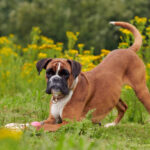
- Boxers, Doberman Pinschers, Great Danes – While less common than in retrievers, these breeds have a higher risk for cardiac hemangiosarcoma. A ruptured cardiac tumor can spill blood directly into the pericardial and pleural spaces, producing a mixed pericardial‑pleural hemorrhage.
4.4. Small Breed “Brittle” Chondrodystrophic Dogs
- Pugs, French Bulldogs, Boston Terriers – Their short muzzles predispose them to brachycephalic airway syndrome, making any reduction in airway caliber (e.g., from pleural fluid) far more clinically significant. Additionally, these breeds have a high prevalence of congenital vascular anomalies that, although rare, can manifest as hemothorax.
4.5. Breeds with High Incidence of Infectious Pulmonary Disease
- Sighthounds (Greyhounds, Whippets) – Their thin chest walls and high aerobic demand make them vulnerable to severe bacterial pneumonia. In cases where pneumonia leads to pulmonary necrosis, hemorrhage into the pleural cavity can occur.
Paragraph Summary
Overall, the risk landscape for hemothorax in dogs is a mosaic of lifestyle, genetics, and disease predisposition. Large, active working breeds dominate the trauma‑related spectrum owing to their frequent exposure to high‑velocity injuries. Meanwhile, breeds harboring inherited clotting factor deficiencies (such as dachshunds) are predisposed to spontaneous bleeding events, sometimes triggered by seemingly trivial insults. Cancer‑prone breeds like golden retrievers and boxers add a neoplastic layer to the risk profile, where vascular tumors may rupture catastrophically. Finally, brachycephalic and sighthound populations, although less frequently reported, illustrate how anatomical and physiological nuances can amplify even modest pleural bleeding into a life‑threatening emergency. Recognizing these breed‑specific patterns enables veterinarians to tailor diagnostic suspicion and client education appropriately.
5. Age‑Related Susceptibility
| Age Group | Typical Etiologies | Reason for Predilection |
|---|---|---|
| Puppies (≤ 6 months) | • Congenital vascular anomalies • Traumatic injuries (falls, being stepped on) • Iatrogenic events (catheter placement) |
Immature coagulation system; high curiosity leading to accidental trauma; smaller thoracic volume makes even modest bleeding clinically evident. |
| Juvenile to Adult (6 months‑5 years) | • Traumatic events (vehicles, dog fights) • Early‑onset neoplasia (rare) • Acute coagulopathies (rodenticide exposure) |
Peak physical activity and outdoor exposure increase trauma risk; also an age when dogs may engage in high‑risk behaviors (chasing, herding). |
| Middle‑aged (5‑9 years) | • Hemangiosarcoma (especially in retrievers) • Chronic coagulopathies (immune‑mediated thrombocytopenia) • Infectious pneumonia with necrosis |
This age bracket aligns with the typical onset of many malignant neoplasms; immune dysregulation can also surface. |
| Senior (> 9 years) | • Advanced neoplasia (cardiac, mediastinal) • Severe liver disease causing coagulopathy • Degenerative vascular disease (aortic aneurysm rupture) |
Cumulative exposure to carcinogens and age‑related organ decline predispose to both bleeding and tumor rupture. |
Bottom line: While hemothorax can occur at any life stage, the cause varies markedly with age, necessitating an age‑adjusted differential diagnosis.
6. Diagnosis
A systematic approach is essential to confirm hemothorax, determine its origin, and guide therapy. The following steps constitute the standard diagnostic work‑up.
6.1. Initial Stabilization & Clinical Assessment
- ABC (Airway‑Breathing‑Circulation) Protocol – Secure airway, deliver supplemental oxygen (high‑flow mask or intubation if needed), and establish IV access.
- Rapid bedside thoracic auscultation – Dull, reduced breath sounds on one side may hint at fluid accumulation.
- Thoracic percussion – Dullness over the affected hemithorax.
6.2. Imaging
| Modality | Advantages | Limitations |
|---|---|---|
| Thoracic Radiography (2‑view: lateral & ventrodorsal) | Quick, widely available; can reveal fluid‑level, mediastinal shift, rib fractures. | Overlap of structures; may not differentiate blood from other fluid types. |
| Thoracic Ultrasound (Point‑of‑Care) | Real‑time detection of fluid echogenicity; can guide thoracocentesis; identifies fibrin strands. | Operator‑dependent; limited penetration in obese patients. |
| Computed Tomography (CT) – Helical | High‑resolution visualization of vascular injury, tumor mass, or active bleeding (contrast‑enhanced). | Requires anesthesia, higher cost, not always feasible in unstable patients. |
| MRI | Excellent soft‑tissue contrast for neoplastic assessment. | Rarely used emergently; costly; longer acquisition. |
Radiographic hallmark: A homogenous opaque opacity occupying the entire hemithorax with a meniscus sign indicating fluid, often with contralateral lung hyperinflation.
6.3. Fluid Analysis (Thoracocentesis)
- Technique – 22‑23 G needle attached to a sterile syringe, inserted at the 8th–10th intercostal space, dorsal to the rib to avoid the neurovascular bundle.
- Aspirate > 30 ml of fluid – If the fluid is grossly bloody, proceed to laboratory analysis.
Laboratory evaluation:
- Cytology – RBC predominance, possible neoplastic cells, or bacterial organisms.
- Biochemistry – Compare pleural fluid protein, lactate dehydrogenase (LDH) to serum (Light’s criteria) to confirm exudate vs. transudate.
- Coagulation profile – PT, aPTT, fibrinogen, platelet count for systemic bleeding tendencies.
- PCR/Serology – If infectious etiology suspected (e.g., Bartonella, Leptospira).
6.4. Additional Laboratory Work‑up
| Test | Rationale |
|---|---|
| Complete Blood Count (CBC) | Assess anemia, thrombocytopenia. |
| Serum Chemistry | Evaluate liver function, renal indices; identify DIC. |
| Coagulation Panel | Detect inherited or acquired coagulopathies. |
| Thoracic CT Angiography (if stable) | Pinpoint source of active bleeding—vascular rupture, tumor. |
| Fine Needle Aspiration / Biopsy of Masses | Histopathologic confirmation of neoplasia. |
| Blood pressure measurement | Determine hemodynamic stability. |
6.5. Differential Diagnosis Checklist
- Hemothorax – Blood > 70 % RBCs on cytology.
- Serosanguinous effusion – Mixed RBC & serum; often due to trauma or inflammation.
- Chylothorax – Milky fluid, high triglycerides.
- Pleural Empyema – Purulent fluid, positive bacterial culture.
Critical diagnostic step: Confirm that the fluid is indeed blood; this prevents unnecessary interventions for non‑hemorrhagic effusions.
7. Treatment
Therapeutic management is divided into emergency stabilization, definitive control of hemorrhage, and supportive care.
7.1. Emergency Stabilization
| Intervention | Details |
|---|---|
| Oxygen supplementation | 100 % FiO₂ via mask or mechanical ventilation if PaO₂ < 60 mm Hg. |
| Fluid resuscitation | Crystalloid bolus (20 ml/kg isotonic saline) followed by colloids or blood products based on hematocrit and perfusion. |
| Blood transfusion | Type‑specific packed RBCs (15 ml/kg) if PCV < 25 % or clinical signs of shock. |
| Analgesia | Opioids (e.g., fentanyl CRI, buprenorphine) to attenuate pain and improve respiratory mechanics. |
| Sedation/Intubation | To facilitate thoracocentesis and prevent aspiration. |
7.2. Thoracic Fluid Removal
Closed‑system chest tube placement is the gold standard.
- Chest tube selection – 16–20 Fr thoracostomy tube, depending on dog size.
- Placement – Inserted at the 7th–8th intercostal space, ventral to the rib. Secure with a pursestring suture.
- Connection to underwater seal – Allows continuous drainage, prevents air re‑entry.
- Monitoring – Record volume, color, and rate of drainage hourly.
If the dog is unstable and the volume of blood is large (> 100 ml/kg), emergent thoracotomy may be indicated.
7.3. Surgical Intervention
| Indication | Procedure | Expected Outcome |
|---|---|---|
| Active intrathoracic bleeding (identified on CT or ongoing drainage > 50 ml/kg/hr) | Thoracotomy – median sternotomy or lateral intercostal approach. Locate and ligate bleeding vessel, resect neoplastic mass, perform pulmonary lobectomy if needed. | Immediate hemorrhage control; higher survival when performed early (< 4 h). |
| Neoplastic source (e.g., hemangiosarcoma) | En bloc tumor excision + lung lobectomy + pleurectomy if pericardial involvement. | Variable; overall 6‑month median survival 3‑5 months for hemangiosarcoma, longer for early‑stage carcinoma. |
| Coagulopathy refractory | Pericardial window (if cardiac bleed) + supportive transfusions. | Stabilizes intrathoracic pressure; buys time for medical correction. |
Peri‑operative considerations: Maintain normothermia, replace lost blood loss with appropriate blood components (fresh frozen plasma for clotting factor replacement, platelets if thrombocytopenic), and provide broad‑spectrum antibiotics (e.g., ampicillin‑sulbactam) to prevent secondary infection.
7.4. Medical Therapy
| Medication | Indication | Dosage (Typical) |
|---|---|---|
| Tranexamic acid (antifibrinolytic) | Severe bleeding with hyperfibrinolysis | 10 mg/kg IV bolus, then 10 mg/kg q8h PO/IV |
| Vitamin K₁ | Rodenticide‑induced coagulopathy | 2 mg/kg PO q12h for 5 days (adjust based on PT) |
| Corticosteroids | Immune‑mediated thrombocytopenia (IMT) | Prednisone 2 mg/kg PO q24h, taper as indicated |
| Broad‑spectrum antibiotics | Prevent infection after thoracostomy/ surgery | Amoxicillin‑clavulanic acid 20 mg/kg PO q12h |
| Analgesics | Pain control | Buprenorphine 0.01–0.02 mg/kg IM/IV q8–12h |
| Diuretics (e.g., furosemide) | Manage fluid overload after massive transfusion | 1 mg/kg IV q12h (caution with hypovolemia) |
7.5. Post‑Procedural Care
- Chest tube management – Keep under water seal; remove when drainage < 1 ml/kg/hr for 6 h and no air leak.
- Serial thoracic radiographs – Assess lung re‑expansion and rule out residual fluid.
- Repeat CBC & coagulation – Monitor for delayed anemia or coagulopathy.
- Nutritional support – Initiate early enteral feeding (see section 9).
Survival statistics: When managed promptly, overall survival to discharge ranges from 55 % to 80 % depending on cause. Traumatic hemothorax has the best prognosis (≈ 80 % survival) while hemangiosarcoma‑related bleeding carries a guarded prognosis (≈ 30 % 6‑month survival).
8. Prognosis & Potential Complications
8.1. Prognostic Factors
| Factor | Positive Influence | Negative Influence |
|---|---|---|
| Cause | Simple traumatic bleed, rapid surgical control | Aggressive neoplasia, disseminated coagulopathy |
| Volume of Blood | < 30 ml/kg, slowly accumulating | > 100 ml/kg, rapid accumulation |
| Time to Intervention | < 4 h from onset | > 8 h delayed |
| Age | Young, healthy adult | Senior with comorbidities |
| Hemodynamic Status | Stable, mild hypotension | Severe shock, refractory hypotension |
| Presence of Concurrent Diseases | None or well‑controlled | DIC, severe liver disease, renal failure |
8.2. Common Complications
- Re‑accumulation of Blood – Incomplete hemostasis or ongoing coagulopathy can cause repeat hemorrhage.
- Infection (Empyema) – Bacterial colonisation of retained blood leads to purulent pleural effusion.
- Fibrothorax – Chronic inflammation may cause pleural fibrosis, restricting lung expansion long‑term.
- Pneumothorax – Iatrogenic air entry during thoracostomy or surgery.
- Cardiac Tamponade – If blood tracks into pericardial space, especially with cardiac tumor rupture.
- Acute Respiratory Distress Syndrome (ARDS) – Inflammatory cascade after massive blood exposure to pleura.
- Renal Failure – Secondary to hypotension or massive blood transfusion (hemolysis).
- Coagulopathy Worsening – Consumption of clotting factors, especially in DIC.
Long‑term outlook: Dogs that survive the acute phase often retain some degree of reduced pulmonary capacity. Physical conditioning and periodic thoracic imaging are advisable to detect late fibrosis or neoplastic recurrence.
9. Nutrition & Dietary Management
Optimal nutrition supports healing, maintains immune competence, and aids in restoring blood volume.
| Nutritional Goal | Recommended Dietary Component | Practical Tips |
|---|---|---|
| Protein for tissue repair | High‑quality animal‑based protein ≥ 30 % of caloric intake (e.g., chicken, turkey, fish). | Choose commercial therapeutic diets (e.g., Hill’s Prescription h/d, Royal Canin Recovery) or formulate a home‑cooked diet with a veterinary nutritionist. |
| Iron & Hemoglobin Synthesis | Heme‑iron sources (red meat), plus vitamin C‑rich foods (e.g., pumpkin puree) to improve absorption. | Avoid excessive calcium supplements, which can inhibit iron uptake. |
| Vitamin K (clotting factor support) | Green leafy vegetables (kale, spinach) – note that excessive amounts may cause oxalate issues; supplement with synthetic Vitamin K₁ if indicated. | Administer under veterinary guidance; monitor clotting times. |
| Omega‑3 Fatty Acids | Fish oil (EPA/DHA) 100–200 mg/kg/day – anti‑inflammatory, helps reduce pleural fibrosis. | Use purified, veterinary‑grade fish oil; check for oxidation. |
| B‑Complex Vitamins | Essential for erythropoiesis (B12, folate). | Consider a B‑complex supplement for dogs with chronic anemia. |
| Electrolyte Balance | Sodium, potassium, and chloride – especially after blood transfusion and diuretic therapy. | Provide balanced electrolyte solutions (e.g., sub‑Q Lactated Ringer’s) if oral intake is low. |
| Calorie Density | Moderate‑to‑high energy (300–400 kcal/kg) to counteract catabolic state. | Small, frequent meals (3–4× daily) increase tolerance in dogs with reduced appetite. |
| Hydration | Adequate water intake; encourage via wet food or broth. | Monitor urine specific gravity; address any dehydration promptly. |
Feeding protocol for the acute phase:
- Day 0‑2: If the dog is intubated or vomiting, provide enteral feeding via nasogastric tube (e.g., 10 kcal/kg/hour, easily digestible diet).
- Day 3‑7: Transition to soft, high‑protein, low‑fat canned diet or homemade chicken‑rice stew (boiled chicken breast, white rice, pumpkin).
- Beyond 1 week: Gradually introduce regular kibble or prescription recovery diet; maintain supplemental omega‑3 and vitamins.
Regular body condition scoring (BCS) and muscle condition scoring (MCS) should be performed weekly to gauge nutritional adequacy.
10. Zoonotic Considerations
While hemothorax itself is non‑zoonotic, several underlying causes have zoonotic potential and require precautionary handling:
| Zoonotic Agent | Associated Condition | Human Risk |
|---|---|---|
| Bartonella henselae | Bacterial endocarditis or pneumonia causing pulmonary hemorrhage. | Cat‑scratch disease; can cause fever, lymphadenopathy in humans. |
| Leptospira spp. | Leptospirosis leading to pulmonary hemorrhage (rare in dogs). | Acute febrile illness, renal failure, hepatic dysfunction in humans. |
| Rickettsia spp. | Tick‑borne diseases causing coagulopathy. | Rocky Mountain spotted fever, typhus. |
| Rodenticide residues | Anticoagulant poisoning (warfarin‐type) – may be present on fur or in GI tract. | Accidental ingestion can cause bleeding in humans, especially children. |
| Candida/Aspergillus spp. | Fungal pneumonia with hemothorax. | Opportunistic infections in immunocompromised humans. |
Safety recommendations for owners and veterinary staff:
- Use gloves and protective eyewear when performing thoracentesis or handling blood/fluids.
- Isolate dogs with confirmed infectious causes (e.g., leptospirosis) until they complete appropriate antimicrobial therapy and test negative.
- Practice strict hand hygiene after all contact with the animal or its environment.
- Dispose of contaminated materials (needles, dressings) in biohazard containers.
11. Preventive Strategies
11.1. Trauma Prevention
- Secure leash during walks and avoid high‑speed vehicular exposure.
- Provide safe play areas for young puppies; avoid unsupervised access to roads or farms.
- Use protective gear (e.g., canine body armor) for working dogs engaged in high‑risk activities (e.g., police K‑9 units).
11.2. Screening for Coagulopathies
- Routine CBC & PT/aPTT for breeds with known inherited disorders (e.g., dachshunds, beagles).
- Genetic testing for von Willebrand disease (vWF antigen assay) in predisposed breeds.
- Avoid rodenticide exposure – opt for pet‑safe pest control; educate owners on proper storage.
11.3. Cancer Surveillance
- Annual wellness exams with thoracic radiographs for breeds at high risk of hemangiosarcoma (golden retrievers, German Shepherds) beginning at 6 years of age.
- Ultrasound screening for splenic masses, especially in older retrievers.
11.4. Vaccination & Parasite Control
- Leptospirosis vaccination (bivalent or quadrivalent) in endemic areas reduces the risk of severe pulmonary hemorrhage.
- Regular deworming to prevent parasitic migration (e.g., heartworm) that may cause pulmonary emboli and secondary hemorrhage.
11.5. Iatrogenic Risk Mitigation
- Proper training for veterinary technicians on thoracostomy tube placement and ultrasound‑guided thoracocentesis.
- Use of ultrasound before needle insertion to identify vascular structures and avoid accidental puncture.
12. Summary Checklist for Veterinarians
| Step | Action |
|---|---|
| 1 | Stabilize airway, breathing, circulation; give high‑flow O₂. |
| 2 | Perform thoracocentesis under ultrasound guidance; confirm blood. |
| 3 | Insert chest tube (16‑20 Fr) connected to underwater seal; monitor output. |
| 4 | Run CBC, chemistry, coagulation panel, and radiographs/ultrasound. |
| 5 | Identify underlying cause (trauma, neoplasia, coagulopathy). |
| 6 | Transfuse blood products as indicated; start tranexamic acid if hyper‑fibrinolysis suspected. |
| 7 | Consider thoracotomy if active bleeding persists > 50 ml/kg/hr or tumor identified. |
| 8 | Provide analgesia, antibiotics, and nutritional support. |
| 9 | Monitor for re‑accumulation, infection, and systemic complications. |
| 10 | Educate owners on prevention, breed‑specific risks, and signs of recurrence. |
13. Frequently Asked Questions (FAQ)
| Question | Answer |
|---|---|
| Can a small amount of blood in the chest be left untreated? | Even a modest hemothorax can compromise breathing in small or brachycephalic dogs; drainage is recommended once diagnosed. |
| Is surgery always required? | No. If bleeding stops after thoracostomy drainage and the dog stabilizes, surgery may be avoided. However, persistent high‑volume drainage or identified vascular rupture mandates thoracotomy. |
| How long does a chest tube stay in place? | Typically 2–5 days, depending on drainage volume and absence of air leak. Removal is based on low output (< 1 ml/kg/hr) and radiographic resolution. |
| Will my dog be able to run again after hemothorax? | Most dogs regain normal activity after recovery, especially if underlying cause is resolved and no fibrosis develops. Gradual re‑introduction to exercise is advised. |
| Can hemothorax recur? | Yes, especially if the primary cause (e.g., coagulopathy or neoplasia) persists. Regular follow‑up imaging is essential. |
#Hemothorax #CanineHealth #DogEmergency #ThoracicTrauma #VeterinaryMedicine #DogBreeds #TraumaInDogs #Coagulopathy #Hemangiosarcoma #ChestTube #Thoracostomy #PetFirstAid #DogOwners #DogNutrition #ZoonoticRisk #PreventiveVet #DogLife #VetSchool #AnimalWelfare #PetSafety






Add comment