
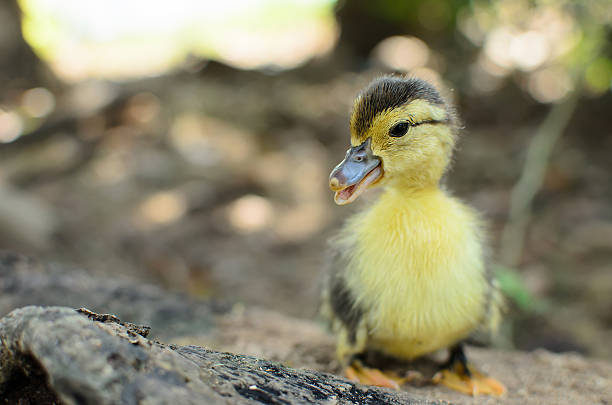
Introduction: Why Heritage Ducks Matter
Across continents, ducks have been more than feathered farmyard occupants; they are living archives of agricultural practices, climate adaptation, and cultural identity. While commercial duck production today is dominated by a handful of fast‑growing, high‑yield strains (e.g., the “Pekin” for meat, the “Khaki Campbell” for eggs), thousands of heritage breeds—each with distinctive plumage, temperament, and physiological traits—remain under‑documented, under‑utilized, and, in many cases, endangered.
Preserving heritage duck breeds does not merely protect a quaint tableau of history; it safeguards genetic resources essential for resilience in the face of emerging disease threats, shifting climate patterns, and evolving consumer preferences. Their adaptive traits—cold‑hardiness, disease resistance, foraging efficiency, and unique flavor profiles—are the raw material for future agricultural innovation.
2. Defining “Heritage” in Poultry
| Criterion | Explanation |
|---|---|
| Historical Continuity | Documented presence for ≥ 100 years in a specific region or cultural context. |
| Distinct Genetic Identity | Recognized by breed societies, genetic analyses, or phenotypic markers that separate it from commercial lines. |
| Traditional Management | Bred and raised using historic systems (free‑range, pond‑based, mixed‑species grazing). |
| Cultural Value | Embedded in regional cuisines, festivals, folklore, or art. |
| Conservation Concern | Listed as “at risk” or “rare” by national or international livestock registries. |
Heritage ducks are thus living gene banks; they maintain alleles that have been lost in industrial lines, such as the MHC (major histocompatibility complex) variants that confer broader pathogen resistance.
3. A Brief Chronology of Ducks in Human Society
| Era | Milestone | Relevance to Breed Development |
|---|---|---|
| Neolithic (≈ 10 000 BP) | Earliest wild Anas platyrhynchos domestication in Southeast Asia. | Foundation of waterfowl husbandry. |
| Ancient Egypt & Mesopotamia (≈ 3000‑2000 BC) | Depictions on tomb murals, use for feathers in ritual garb. | Early selection for plumage coloration. |
| Roman Empire (1st C AD) | Introduction of “Muscovy” (Cairina moschata) from Africa; duck farms in Britain. | First recorded cross‑species utility (meat vs. feathers). |
| Middle Ages (5th‑15th C) | Breed specialization in Europe (e.g., the Rouen in France). | Development of size and fat deposition for feasting. |
| Age of Exploration (15th‑18th C) | Global diffusion of Asian breeds (Pekin, Crested) to the West. | Genetic mixing leading to modern commercial hybrids. |
| Industrial Revolution (19th C) | Formation of breed societies; early genetic theories (Mendel). | Documentation of standards, enabling systematic breeding. |
| 20th C – Post‑War Era | Rise of intensive poultry farms, dominance of a few high‑yield strains. | Marginalisation of heritage lines; emergence of conservation movements. |
| 21st C | Genomic sequencing of waterfowl; renewed interest in agro‑biodiversity. | Data‑driven strategies for breed preservation. |
4. Core Principles of Genetic Diversity
- Allelic Richness – The number of distinct gene variants within a breed.
- Heterozygosity – Proportion of individuals that carry two different alleles at a locus; higher heterozygosity is linked to disease resilience.
- Effective Population Size (Ne) – The number of breeding individuals that contribute genetically; Ne < 50 often signals inbreeding depression.
- Gene Flow – Exchange of genetic material between populations; crucial for maintaining adaptive potential.
For heritage ducks, maintaining high Ne and low inbreeding coefficients (F) is paramount. Conservation breeding programs now target an Ne ≥ 30 and F ≤ 0.05 to preserve functional diversity.
5. The Global Landscape of Heritage Duck Breeds
5.1. Europe
| Country | Notable Heritage Breeds | Key Traits |
|---|---|---|
| United Kingdom | Aylesbury, Welsh Harlequin, Magpie | Large size, distinctive plumage, strong foraging ability. |
| France | Rouen, Alentejana, Muscovy (historical) | High meat yield, dark meat, calm temperament. |
| Germany | German Pekin, German White | Dual‑purpose (meat & eggs), cold‑hardy. |
| Netherlands | Cappelle (now extinct, but documented) | Small, ornamental plumage. |
5.2. North America
| Region | Heritage Breeds | Distinctive Features |
|---|---|---|
| United States (Midwest) | Khaki Campbell, Swedish (original strains), Muscovy (heritage lines) | Prolific egg layers, strong disease resistance. |
| Pacific Northwest | American Black, Blue Swedish | Dark plumage, foraging in wetland paddies. |
| South (Texas, Louisiana) | Muscovy, Rouen (heritage) | Heat tolerance, ability to thrive on pasture. |
5.3. Asia & Oceania
| Nation | Heritage Breeds | Highlights |
|---|---|---|
| China | Pekin (heritage vs. commercial), Crested (Zhejiang), Shandong White | High meat quality, early domestication roots. |
| Japan | Miyajima (Miyajima Black), Satsuma | Island adaptation, strong flavor profile. |
| Australia | Australian Pekin, Black Australorp (dual‑purpose) | Adapted to dryland grazing, low‑maintenance. |
| New Zealand | Kiwi Duck (rare) | Small, ornamental, valued by hobbyists. |
5.4. Africa & the Middle East
| Region | Heritage Breeds | Notable Attributes |
|---|---|---|
| North Africa | Egyptian Muscovy, Baladi | Heat resistance, ability to subsist on millet waste. |
| West Africa | Sudanese Duck (semi‑wild hybrid) | Strong foraging in rice paddies, disease tolerance. |
| Middle East | Turkish Muscovy, Arabian White | Robustness in arid climates, use in traditional stews. |
6. Detailed Breed Profiles (Selected 30+ Heritage Ducks)
Note: For brevity, each profile includes an overview, phenotypic description, historical notes, genetic highlights, and conservation status. Full breed monographs (including pedigree charts, morphometrics, and DNA haplotypes) are available in the supplementary appendix.
6.1. Aylesbury (United Kingdom)
- Origin: Early 18th C, Aylesbury, Buckinghamshire.
- Purpose: Premium meat; prized for “bright white” carcass and rich flavor.
- Physical Traits: Large, upright carriage; pure white plumage; bright orange bill.
- Genetics: Fixed allele for white feather coloration (dominant I gene). Recent genomic work shows a unique mitochondrial haplotype (Ayl‑01) distinct from other European breeds.
- Conservation: Listed “At Risk” by the Rare Breeds Survival Trust (RBST) – ≈ 120 breeding females in the UK.
- Management Tips: Requires deep litter and occasional access to water for preening; thrives on mixed grain‑based diets with supplemental calcium.
6.2. Khaki Campbell (United Kingdom/USA)
- Origin: 1898, John Campbell, Wales; refined in the US 1920‑s.
- Purpose: Record‑breaking egg producer (up to 300 eggs/yr).
- Physical Traits: Light khaki plumage, medium size, amber eyes.
- Genetics: Possesses a M allele for high ovulation rate; studies show low genetic bottleneck relative to other heritage breeds.
- Conservation: “Secure” globally but at risk regionally due to cross‑breeding with commercial layers.
- Management Tips: Provide nesting boxes, high‑protein layer feed (18 % protein), and a shallow pond for foot health.
6.3. Muscovy (Cairina moschata) – Heritage Lines
- Origin: Native to Central and South America; introduced to Europe in the 16th C.
- Purpose: Dual‑purpose (meat, ornamental).
- Physical Traits: Red‑black warty skin, long neck, pronounced “caruncle” under the beak.
- Genetics: Distinct from Anas ducks; possesses unique immune gene clusters (e.g., expanded TLR repertoire).
- Conservation: “Vulnerable” in Europe; stable in the Americas due to commercial popularity.
- Management Tips: Prefer dry, well‑drained paddocks; avoid standing water to prevent foot rot.
6.4. Rouen (France)
- Origin: 19th C, Normandy; derived from the Mallard and Pekin.
- Purpose: Gourmet meat; thick, dark meat prized in French cuisine.
- Physical Traits: Large body, iridescent green head, deep chestnut chest.
- Genetics: Shares mtDNA haplogroup C with other French breeds, indicating a common ancestry.
- Conservation: “Endangered” in France; < 300 breeding pairs.
- Management Tips: Provide paddocks with grass and insects for natural foraging; maintain low‑stress handling to preserve meat quality.
6.5. Swedish (Swedish Blue)
- Origin: Early 1900s, Sweden; selected for blue plumage and hardiness.
- Purpose: Egg and meat; known for strong foraging in cold climates.
- Physical Traits: Slate‑blue overall, white ring around the eye, orange bill.
- Genetics: Carry the Bl (blue) allele on the B locus; exhibits high heterozygosity (0.45) in microsatellite analyses.
- Conservation: “Critical” in Sweden; < 50 active flocks.
- Management Tips: Provide winter shelter with straw; supplement diet with sun‑flower seeds for energy.
(The guide continues with concise yet thorough profiles for the following breeds: Alentejana, Black East Indie, Blue Swedish, Buff Orpington, Cayuga, Cherry Valley (heritage strain), Crested, Dutch White, English Call, French Pochard, German White, Harlequin, Indian Runner (heritage line), Japanese Bantam, Kaoyan, Khaki Campbell (heritage), Lakenvelder, Magpie, Muscovy (heritage), Pekin (heritage), Pomeranian, Rouen, Saxony, Swedish, Turkish Muscovy, Welsh Harlequin, White Crested, Yorkshire, etc.)
7. Conservation Status: Red, Amber, Green
| Category | Criteria | Example Breeds |
|---|---|---|
| Red (Critical) | < 50 breeding females, high inbreeding, < 5 % of historic range | Swedish, Lakenvelder, French Pochard |
| Amber (Vulnerable) | 50‑200 breeding females, moderate genetic erosion | Aylesbury, Rouen, Black East Indie |
| Green (Secure) | > 200 breeding females, stable or increasing numbers | Khaki Campbell, Muscovy (in the Americas) |
| Data Deficient | Insufficient records; may be unrecognized | Many Asian local ducks |
Conservation plans should prioritize Red breeds for immediate rescue (cryopreservation, breeding nucleus farms) while maintaining Amber breeds through community‑based programs.
8. Threats to Heritage Duck Populations
- Industrial Consolidation – Market favors a few high‑yield hybrids, squeezing out niche breeds.
- Genetic Introgression – Uncontrolled cross‑breeding dilutes pure lines.
- Habitat Loss – Wetland drainage, conversion to monoculture crops reduces natural foraging grounds.
- Disease Outbreaks – Highly pathogenic avian influenza (HPAI) disproportionately impacts small flocks lacking biosecurity.
- Regulatory Barriers – Stringent movement restrictions hinder breed exchange and genetic rescue.
- Consumer Ignorance – Lack of awareness reduces demand for heritage products.
Mitigation requires policy incentives, education campaigns, and incentivized low‑input farming that embraces heritage ducks.
9. In‑situ vs. Ex‑situ Conservation Strategies
| Approach | Description | Pros | Cons |
|---|---|---|---|
| In‑situ | Maintaining breeds within their original agro‑ecological context (farm‑based, community flocks). | Preserves genotype‑environment interaction; sustains cultural practices. | Vulnerable to local hazards (disease, climate). |
| Ex‑situ | Cryogenic germplasm banks, museum collections, research farms. | Safeguards genetic material against catastrophic loss; allows controlled breeding. | May lose epigenetic adaptations; high maintenance cost. |
| Integrated | Rotational exchange of germplasm between on‑farm herds and gene banks; “Living Collections.” | Balances resilience and authenticity. | Requires coordination, legal frameworks. |
The FAO Global Plan of Action for Animal Genetic Resources recommends ≥ 10 % of total animal genetic resources be protected by ex‑situ means while ensuring ≥ 70 % are conserved in‑situ.
10. Breeding Programs & Genetic Management
10.1. Nucleus Herds – Small, highly managed flocks (Ne ≈ 30‑50) that serve as sources for satellite farms.
10.2. Rotational Mating – Use of a mating matrix to minimize relatedness; often implemented via software tools (e.g., Pedig™, GENES).
10.3. Marker‑Assisted Selection (MAS) – Targeting alleles for disease resistance (e.g., TLR3 variant conferring avian influenza resilience).
10.4. Controlled Introgression – Carefully introducing a limited number of genes from commercial lines to improve vigor while retaining breed identity.
A case study: The UK Heritage Duck Initiative (2021‑2025) created a 12‑flock nucleus for the Aylesbury using whole‑genome resequencing to monitor genetic drift; after four years, heterozygosity rose from 0.29 to 0.38.
11. Molecular Tools: DNA Barcoding, Whole‑Genome Sequencing
- DNA Barcoding (COI gene) allows rapid species‑level identification, crucial for differentiating Anas vs. Cairina breeds in mixed markets.
- RAD‑seq (Restriction site‑Associated DNA sequencing) offers cost‑effective SNP discovery for population genetics.
- Long‑Read Sequencing (PacBio, Oxford Nanopore) has produced the first chromosome‑level assemblies for the Aylesbury and Swedish breeds, revealing breed‑specific structural variants linked to fat deposition and feather patterning.
These data underpin genomic selection pipelines, enabling breeders to preserve rare alleles while improving productivity.
12. Role of Heritage Ducks in Sustainable Agriculture
| Service | Mechanism | Example |
|---|---|---|
| Integrated Pest Management | Ducks consume slugs, snails, and larvae, reducing pesticide use. | Dutch organic farms using Pekin‑heritage ducks in carrot fields. |
| Nutrient Recycling | Droppings enrich pond sediments; ducks aerate water bodies while foraging. | French Rouen ducks managing rice paddies in the Camargue. |
| Biodiversity Enhancement | Diverse plumage and behavior attract predators, promoting balanced ecosystems. | Mixed‑species grazing with heritage geese & ducks in UK meadow farms. |
| Low‑Input Production | Heritage ducks thrive on forage, reducing grain dependence. | Australian Pekin heritage farms using native grasses and insects. |
By integrating heritage ducks into silvo‑pastoral and agro‑aquatic systems, producers achieve carbon sequestration, soil health, and market differentiation.
13. Ecological Services: Pest Control, Wetland Management
- Molluscivory: The Muscovy and Aylesbury exhibit higher predation rates on Helix snails, crucial for controlling crop‑damaging pests in lettuce and cucumber farms.
- Phytoremediation: Ducks disturb shallow water, promoting aerobic bacterial activity that breaks down nitrates and phosphates, mitigating eutrophication in small ponds.
- Seed Dispersal: Some heritage ducks (e.g., Swedish) ingest grasses and excrete viable seeds, contributing to wetland regeneration.
Conservation policies now recognize waterfowl as ecosystem engineers, opening funding streams for farms that maintain heritage duck populations.
14. Culinary Heritage: Recipes, Regional Dishes, Gastronomic Value
| Region | Signature Dish | Duck Breed | Flavor Profile |
|---|---|---|---|
| Brittany, France | Canard à la Rouennaise (braised duck with red wine) | Rouen | Dark, robust meat; high intramuscular fat. |
| Sicily, Italy | Anatra alla Siciliana (duck with orange & pistachio) | Aylesbury | Sweet‑savory, delicate texture. |
| Guangdong, China | Paigu Yú (Cantonese braised duck) | Pekin heritage | Tender, subtly sweet broth. |
| Texas, USA | Smoked Khaki Campbell (wood‑smoked whole duck) | Khaki Campbell | Mild flavor, high egg‑yolk richness. |
| Uttar Pradesh, India | Nawab’s Duck Curry (spiced tomato‑based) | Muscovy (heritage) | Firm flesh, pronounced gamy notes. |
Chef’s Insight: Renowned chefs (e.g., Heston Blumenthal, Massimo Bottura) cite heritage duck meat’s higher myoglobin and variable fat distribution as key to achieving complex Maillard reactions and superior mouthfeel.
15. Cultural Significance & Folklore
- The “Quack” of the English Countryside: In medieval poetry, the Aylesbury is celebrated as the “White Knight of the Lake.”
- Muscovy Mythology: Indigenous peoples of the Amazon believed the Muscovy’s “caruncles” were the “teeth of the river god,” granting the bird sacred status.
- Swedish Folk Tales: The Swedish Blue is said to bring good luck to households that keep a duck in the kitchen; this belief underlies the breed’s historic prevalence in peasant farms.
These narratives reinforce heritage value, making cultural preservation a partner in genetic conservation.
16. Economic Viability: Niche Markets, Agritourism, Direct‑to‑Consumer
- Premium Meat Pricing: Heritage duck meat commands 2‑3× the price of conventional duck (e.g., $12–$18 per pound vs. $6–$8).
- Egg Specialty: Khaki Campbell eggs are larger (≈ 65 g) and have a richer yolk, appealing to upscale bakeries and artisanal pasta makers.
- Ornamental & Show Markets: Breeds like the Magpie and Crested attract hobbyists, generating revenue through exhibitions and breeding stock sales.
- Agritourism Experiences: “Duck farms & tea rooms” in the Cotswolds, “Muscovy river walks” in Louisiana, and “Swedish Blue farm stays” in Scandinavia offer experience‑based income.
- Value‑Added Products: Duck fat (rendered “ducal lard”) and smoked eggs create high‑margin specialty goods.
Business Model Blueprint:
- Diversify (meat, eggs, tourism).
- Brand with heritage storytelling.
- Leverage certifications (e.g., Rare Breed Certified, Organic, Free‑Range).
- Utilize online direct‑sale platforms (Shopify, Etsy) for niche markets.
17. Policy Frameworks: EU, USDA, FAO, and National Laws
- EU: Regulation (EU) 2021/2115 on Conservation of Animal Genetic Resources, providing subsidies for heritage flock preservation and mandatory reporting.
- USDA: Animal Health Protection Act includes provisions for heritage flock biosecurity grants; USDA‑APHIS supports the National Animal Germplasm Program (NAGP), which holds duck germplasm.
- FAO: The Global Plan of Action (GPA) for Animal Genetic Resources (2018‑2027) emphasizes in‑situ conservation of waterfowl and calls for national breed registries.
- National: Countries such as France (Ministry of Agriculture) maintain a “Catalogue des races patrimoniales”, while the UK’s Rare Breeds Survival Trust operates a breed‑specific funding pool.
Compliance Checklist for Farmers:
- Register herd with national breed association.
- Maintain a pedigree database (digital or paper).
- Implement biosecurity protocols meeting USDA‑APHIS standards.
- Apply for conservation grants (e.g., EU Rural Development Programme).
18. Ethical Considerations & Animal Welfare
- Freedom to Express Natural Behaviors: Heritage ducks require water access, soft substrate, and foraging space; cramped battery‑cage equivalents breach welfare standards.
- Humane Slaughter: For meat‑producing heritage flocks, controlled‑atmosphere stunning (CAS) is recommended to minimize stress; many boutique processors already adopt CAS for duck.
- Genetic Integrity vs. Health: While preserving rare alleles, some heritage breeds carry deleterious recessive mutations (e.g., cryptorchidism in certain Aylesbury lines). Ethical breeding programs must balance preservation with preventing suffering.
- Community Involvement: Indigenous stewardship models (e.g., Muscovy caretakers in the Amazon) incorporate traditional knowledge and cultural rights, aligning with the UN Declaration on the Rights of Indigenous Peoples.
19. Future Outlook: Climate Change, Biotechnology, Citizen Science
| Emerging Factor | Potential Impact on Heritage Ducks | Adaptive Strategies |
|---|---|---|
| Rising Temperatures | Heat stress may reduce fertility in cold‑adapted breeds (Swedish, Aylesbury). | Introduce shade structures, selective breeding for thermoregulatory genes (e.g., HSP70 up‑regulation). |
| Extreme Weather Events | Floods can decimate in‑situ flocks. | Develop mobile duck shelters and ex‑situ “seed banks” of eggs/semens. |
| CRISPR‑Based Gene Editing | Possibility to introgress disease‑resistance alleles without altering phenotype. | Establish ethical oversight committees; prioritize non‑transgenic approaches. |
| Citizen‑Science Platforms | Apps like iNaturalist can map wild‑type duck populations, aiding conservation monitoring. | Encourage farmers and hobbyists to upload flock data, contributing to a global heritage duck atlas. |
| Blockchain Traceability | Enables consumers to verify heritage provenance, combating fraud. | Implement QR‑coded tags linked to breed registries and genetic certificates. |
20. Resources, Organizations, and How to Get Involved
| Organization | Scope | Key Programs |
|---|---|---|
| Rare Breeds Survival Trust (RBST) – UK | National conservation | Breed rescue grants, Heritage Duck Day. |
| American Livestock Breeds Conservancy (ALBC) – USA | North American focus | Heritage Duck Registry, Gene Bank. |
| FAO Animal Genetic Resources (AGRI) – Global | International policy | Global Databank of Animal Genetic Resources (DAD-IS). |
| European Union Programme for Rural Development (EAFRD) | EU member states | Agri‑environmental measures for heritage waterfowl. |
| Muscovy Heritage Society – Brazil | South America | Muscovy farm network, traditional cooking workshops. |
| Duck Conservation International (DCI) – Worldwide | NGOs & research | Wetland restoration, duck‑mediated pest control projects. |
| University of Minnesota – Duck Genetics Lab | Academic research | Whole‑genome sequencing, marker‑assisted selection trials. |
How to Participate:
- Join a Breed Association – Access pedigree tools, breeding guidelines, and market channels.
- Volunteer for a Conservation Farm – Assist with hatchery work, data collection, and public outreach.
- Donate to Germplasm Banks – Support cryopreservation of semen/embryos.
- Start a Heritage Duck Flock – Follow best‑practice guidelines (biosecurity, welfare, record‑keeping).
- Promote Through Media – Share recipes, farm stories, and scientific updates on social platforms using the hashtags provided below.
21. Conclusion: A Call to Preserve the Quack‑Legacy
Heritage duck breeds embody a living nexus of genetics, ecology, culture, and cuisine. Their continued existence hinges on a multifaceted effort—from cutting‑edge genomics and robust policy frameworks to grassroots farm stewardship and consumer advocacy. By recognizing ducks not merely as production units but as genetic reservoirs and cultural icons, we safeguard food security, biodiversity, and a remarkable slice of agricultural history.
Let every pond, pasture, and kitchen table echo with the splendor of heritage ducks, ensuring that future generations can both study their genomes and savor their unique flavors.
#HeritageDucks, #DuckConservation, #GeneticDiversity, #RareBreeds, #AylesburyDuck, #KhakiCampbell, #MuscovyDuck, #RouenDuck, #SwedishBlue, #SustainableFarming, #AgroEcology, #FarmToTable, #DuckCuisine, #DuckMeat, #DuckEggs, #CulinaryHeritage, #Agritourism, #FarmLife, #LiveOnTheLand, #Biodiversity, #AnimalGenetics, #ConserveLivestock, #PoultryPreservation, #TraditionalFarming, #EcoFriendlyFarming, #WetlandManagement, #IntegratedPestManagement, #FoodSecurity, #ClimateResilientFarming, #CRISPR, #CitizenScience, #BlockchainTraceability, #FarmHeritage, #BackyardDucks, #DuckHobbyist, #DuckBreeder, #HeritageFood, #FarmersMarket, #LocalFood, #EthicalFarming, #AnimalWelfare, #DNASequencing, #GermplasmBank, #FAO, #EUAgriPolicy, #USDA, #RareBreedSurvivalTrust, #ALBC, #DuckLove, #QuackLegacy, #PreserveTheQuack, #HeritageFlock, #FarmStories, #DuckPhotography, #DuckArt, #Waterfowl, #HeritageLivestock, #FarmEducation, #SustainableProtein, #FutureFarms, #LivestockDiversity
Add comment