
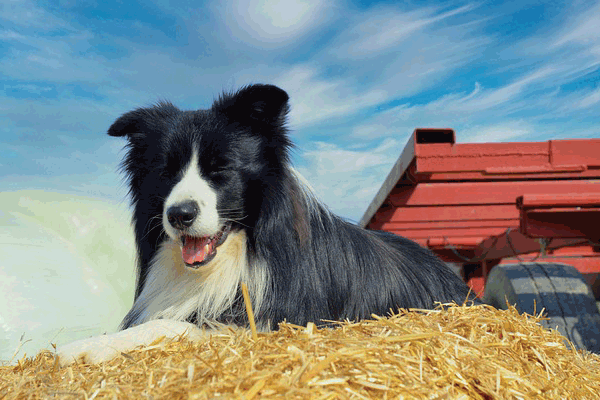
The arrival of a newborn baby is a joyous occasion, a whirlwind of sleepless nights, tender moments, and profound love. For families with high-energy hounds, however, this significant life change can also bring a unique set of challenges. Boisterous breeds, with their boundless enthusiasm and strong instincts, require careful management to ensure the safety and well-being of both the baby and the dog. This guide aims to provide a comprehensive and elaborate roadmap for successfully integrating a high-energy hound into a household with a newborn, fostering a harmonious coexistence built on understanding, preparation, and consistent effort.
I. Pre-Baby Preparation: Laying the Foundation for Success
The most crucial phase of managing your high-energy hound with a newborn begins before the baby arrives. Proactive preparation is key to minimizing stress and establishing good habits.
A. Understanding Your Breed’s Needs:
- Breed-Specific Traits: High-energy breeds like Border Collies, Australian Shepherds, Labrador Retrievers, Vizslas, Weimaraners, and many sight hounds are genetically predisposed to high activity levels, strong prey drives, and a need for mental stimulation. Research your specific breed’s characteristics thoroughly.
- Energy Levels: Understand what “high-energy” truly means for your dog. This isn’t just about a good walk; it’s about requiring sustained physical exertion and engaging mental challenges.
- Instincts: Consider your dog’s natural instincts – herding, chasing, retrieving, guarding. How might these instincts manifest around a small, unpredictable human?
- Temperament: Assess your individual dog’s personality. Is she naturally anxious, easily overstimulated, or generally laid-back?
B. Intensive Training and Socialization (Pre-Baby):
- Obedience Reinforcement: Ensure your dog has a solid foundation in basic obedience commands: sit, stay, down, come, leave it, drop it. Practice these commands in various environments with increasing distractions.
- “Place” or “Mat” Training: Teach your dog to go to a designated spot (a mat, bed, or crate) and stay there. This is invaluable for creating distance when needed and providing a safe, calming space for your dog.
- “Gentle” or “Soft Mouth” Training: Crucial for breeds with a strong bite drive or those who tend to mouth. Teach them to interact gently, especially with toys.
- Impulse Control Exercises: Practice exercises like waiting for food, waiting at doorways, and not grabbing toys immediately. Games like “red light, green light” can be beneficial.
- Leash Manners: Ensure your dog walks politely on a leash without pulling. You’ll be juggling a baby and likely a stroller; a well-behaved leash walker is paramount.
- Socialization with Children (if possible and appropriate): If you have friends or family with well-behaved children, arrange supervised introductions. This allows your dog to learn appropriate interactions with younger humans in a controlled setting before the baby arrives. Caution: Never leave a dog unsupervised with a child, regardless of how well-trained they are.
C. Establishing and Maintaining a Robust Exercise Routine:
- Increase Intensity and Duration: Before the baby arrives, ramp up your dog’s exercise regimen. This means more than just a quick walk around the block. Consider longer hikes, jogging, vigorous play sessions (fetch, tug-of-war with rules), or dog sports like agility or flyball.
- Mental Stimulation is Key: High-energy dogs need mental challenges as much as physical ones. Incorporate puzzle toys, scent games, training sessions, and interactive feeders.
- Burn Off Excess Energy: The goal is to have a dog who is tired and content, not one who is pent up with pent-up energy waiting to be released.
D. Creating a Safe and Predictable Environment:
- Baby-Proofing for Dogs: Identify areas where the baby will spend time and ensure your dog doesn’t have unsupervised access. This might involve baby gates, closed doors, or designating specific “dog-free zones.”
- Secure Sleeping Arrangements: Decide where your dog will sleep. While some dogs may transition to sleeping in their own beds, others might need to be crated or given limited access to certain rooms.
- Prepare the Dog’s Space: Ensure your dog has a comfortable, safe, and designated space where they can retreat and feel secure. This should be a positive space, not a punishment area.
E. Introducing Baby Scents and Sounds:
- Gradual Exposure: Start exposing your dog to baby-related items before the baby comes home. Rub baby lotion on your hands and arms, let them sniff baby clothes or blankets.
- Simulate Baby Noises: Play recordings of baby cries and coos at a low volume, gradually increasing the intensity. Reward your dog for calm, neutral reactions.
II. The Arrival: Navigating the First Weeks and Months
This is a period of major adjustment for everyone. Your focus will naturally shift towards the baby, but consistent management of your dog is critical.
A. The First Meeting: A Controlled Introduction:
- The “Meet and Greet” Protocol: The first meeting should be calm, controlled, and supervised.
- Handler is Key: Have one adult focus solely on the dog. The other adult can hold the baby.
- Neutral Territory: If possible, meet outside the house first for a brief, calm interaction.
- Calm Demeanor: Everyone should be relaxed. Excitement can be contagious.
- No Direct Nose-to-Nose: Let the dog sniff the baby’s feet first, from a safe distance.
- Positive Reinforcement: Reward calm, curious, and gentle behavior with praise and high-value treats.
- Supervision is Non-Negotiable: Never leave the dog and baby alone together, even for a moment.
B. Maintaining Routine and Structure:
- Prioritize Exercise: Even with sleepless nights, try to maintain your dog’s exercise routine as much as possible. Enlist help from your partner, family, or friends. A tired dog is a well-behaved dog.
- Consistent Feeding and Potty Breaks: Stick to your dog’s regular schedule for meals and outdoor potty breaks.
- Continue Training: Short, positive training sessions can be integrated into your day. Reinforce existing commands and work on new ones that promote calm behavior around the baby.
C. Managing Interactions and Boundaries:
- The “Baby is King/Queen” Rule: Your dog needs to understand that the baby is now the priority. This doesn’t mean neglecting your dog, but rather prioritizing the baby’s safety and needs.
- Respecting Dog’s Space: Ensure your dog has a safe haven where they can retreat and is not constantly bothered by the baby or other family members.
- “Leave It” is Crucial: Reinforce and practice the “leave it” command consistently, especially when it comes to the baby’s toys, blankets, or even the baby themselves.
- Supervised Play: When the baby is older and interactions become more playful, all interactions must be actively supervised. Your dog should learn not to jump on, mouth, or play too roughly near the baby.
- Reward Calmness: Actively reward your dog for calm behavior when the baby is present and for respecting boundaries.
D. Addressing Potential Problem Behaviors:
- Resource Guarding: If your dog exhibits resource guarding (food, toys, or even the baby), this needs immediate professional intervention.
- Excessive Licking or Nuzzling: While sometimes affectionate, excessive licking can be a sign of anxiety or overstimulation. Redirect the behavior and ensure your dog has downtime.
- Staring or Fixating: If your dog fixates on the baby, it can be unsettling. Redirect their attention with a command or a toy.
- Pacing or Restlessness: This indicates unmet needs – likely a lack of sufficient exercise or mental stimulation.
- Whining or Barking: Try to identify the cause. Is it seeking attention, boredom, or anxiety? Address the root cause.
- Jumping or Leaping: This needs to be immediately discouraged. Reinforce “off” or “down” commands.
E. Enlisting Support:
- Partner and Family: Clearly communicate your needs and expectations to your partner and any family members who are helping. Everyone needs to be on the same page regarding dog management.
- Professional Help: Don’t hesitate to seek assistance from a certified professional dog trainer or a veterinary behaviorist, especially if you encounter significant challenges. They can provide tailored strategies and guidance.
III. Long-Term Coexistence: Building a Harmonious Family
As the baby grows and your dog continues to adapt, fostering a positive and lasting relationship is the ultimate goal.
A. Continued Training and Socialization:
- Reinforce Good Habits: Continue to practice obedience and impulse control exercises regularly.
- Age-Appropriate Interactions: As the baby becomes more mobile and interactive, your dog’s training needs will evolve. Teach your dog how to interact safely and politely with a curious toddler.
- Involve the Child (Safely): When the child is old enough, involve them in safe, supervised dog interactions, such as helping to give treats or assisting with gentle grooming. This fosters a bond and teaches the child respect for the dog.
B. Meeting Your Dog’s Ongoing Needs:
- Sufficient Exercise: Never underestimate the power of regular, engaging exercise for high-energy breeds. This is a lifelong commitment.
- Mental Stimulation: Continue to provide mental challenges through puzzle toys, training, and new experiences.
- Quality Time: Dedicate specific time for one-on-one attention with your dog, even if it’s just for a few minutes of petting or a short training session. This reinforces their importance in the family.
C. Teaching the Child About Dogs:
- Respect and Boundaries: Teach your child from an early age how to interact respectfully with dogs. This includes not pulling tails, not disturbing a sleeping dog, and understanding a dog’s body language.
- Gentle Handling: Guide their interactions to be gentle and calm.
- Supervised Play: Always supervise interactions between your child and your dog.
D. Recognizing and Managing Stress in Your Dog:
- Body Language: Learn to read your dog’s stress signals: yawning, lip licking, panting, tucked tail, whale eye, stiffening.
- Provide Escape Routes: Ensure your dog always has a safe space to retreat to when feeling overwhelmed.
- Avoid Overwhelming Situations: Don’t force your dog into situations that cause them stress.
E. Celebrating the Bond:
A well-managed high-energy hound can be an incredible companion for a child. They can teach valuable lessons about responsibility, empathy, and the joys of animals. With careful planning, consistent effort, and a deep understanding of canine behavior, you can successfully navigate the introduction of a newborn and foster a lifelong bond between your boisterous breed and your growing family.
Conclusion:
Integrating a high-energy hound into a household with a newborn is a marathon, not a sprint. It requires dedication, patience, and a commitment to understanding and meeting your dog’s needs while prioritizing the safety and well-being of your baby. By focusing on pre-baby preparation, diligent management during the early stages, and a commitment to ongoing training and enrichment, you can create a harmonious and loving environment where both your boisterous hound and your precious newborn can thrive. Remember that professional guidance is a valuable resource, and celebrating the unique bond between your dog and child will be a rewarding experience for all.
#HighEnergyHounds #NewbornPups #PuppyTraining #DogBehavior #BoisterousBreeds #DogLife #PuppyLove #PetParenting #DogAdventures #ResponsiblePetOwner #ObedienceTraining #PositiveReinforcement #PuppySocialization #DogExercise #MentalStimulation







Add comment