
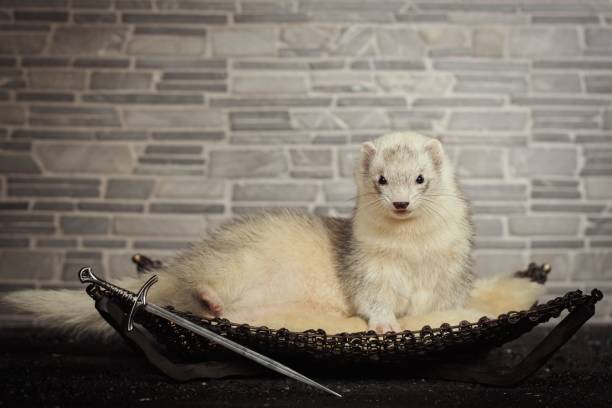
Ferrets, with their playful antics, curious nature, and endearing personalities, have captured the hearts of many as cherished household pets. However, providing these spirited mustelids with a diet that genuinely supports their unique physiological needs is perhaps the most critical — and often misunderstood — aspect of their care. Unlike many domesticated animals, ferrets are obligate carnivores, meaning their digestive systems are specifically adapted to process and thrive exclusively on animal-based proteins and fats. This fundamental biological truth dictates that the choice of kibble, their primary food source, is not merely a matter of convenience but a life-or-death decision that profoundly impacts their health, longevity, and quality of life.
This comprehensive guide aims to demystify ferret nutrition, providing an elaborate framework for understanding their dietary imperatives and offering detailed recommendations for high-quality kibble brands. We will delve into the science behind their needs, expose the dangers of inappropriate diets, equip you with the tools to critically evaluate commercial foods, and highlight the top contenders that truly meet the stringent requirements of a healthy ferret diet.
Understanding the Ferret’s Unique Nutritional Blueprint: The Obligate Carnivore
To truly appreciate the importance of high-quality kibble, one must first grasp the essence of what it means to be an obligate carnivore. Ferrets evolved as hunters, preying on small mammals and birds, consuming not just the muscle meat but also organs, bones, and fat. Their physiology reflects this predatory lifestyle:
- Short, Simple Digestive Tract: Ferrets possess a remarkably short digestive tract (approximately 3-4 hours transit time) with a minimal cecum and no appendix. This design is optimized for rapidly digesting animal protein and fat, which are highly bioavailable, and is ill-suited for breaking down complex plant matter or fiber.
- Lack of a Functional Ileocolic Valve: This absence means food passes quickly from the small intestine into the large intestine, further emphasizing the need for easily digestible nutrients.
- Inability to Digest Plant Protein and Fiber: Ferrets lack the specific enzymes (like amylase in saliva) and the microbial gut flora necessary to efficiently break down significant amounts of plant-based carbohydrates, starches, or fibers. Diets high in these components not only provide inadequate nutrition but can also lead to digestive upset, malabsorption, and long-term health issues.
- High Metabolic Rate: Ferrets burn energy quickly and require a diet rich in calorie-dense animal fats and proteins to sustain their metabolism.
Key Nutritional Requirements:
- Animal-Based Protein (30-40% or higher): This is non-negotiable. The protein must come predominantly from meat, poultry, or eggs, not plant sources like corn gluten meal, pea protein, or soy. Animal proteins provide a complete amino acid profile, including essential amino acids like taurine and arginine, which ferrets cannot synthesize adequately on their own. Higher protein percentages, even up to 45-50% for growing kits or breeding jills, can be beneficial, provided the quality is excellent.
- Animal-Based Fat (18-30% or higher): Fat is the ferret’s primary energy source and crucial for skin and coat health, vitamin absorption, and overall vitality. Again, the source must be animal-based (e.g., chicken fat, lamb fat). Vegetable oils, while sometimes included in small amounts, are not ideal as primary fat sources.
- Minimal Carbohydrates/Fiber (2-3% or lower): The lower, the better. Any carbohydrates present should be easily digestible starches in very small quantities, often from ingredients like potatoes or peas used as binders in kibble. Avoid excessive amounts of grains (corn, wheat, rice), fruits, or vegetables.
- Essential Amino Acids:
- Taurine: Critical for cardiovascular health, neurological function, and vision. It must be supplemented in commercial kibbles as ferrets cannot synthesize sufficient amounts.
- Arginine: Essential for various metabolic functions, including ammonia detoxification.
- Vitamins and Minerals: A balanced array of vitamins (especially B vitamins, fat-soluble vitamins A, D, E, K) and minerals (calcium, phosphorus, zinc, iron, selenium) is necessary, typically provided in appropriate ratios in high-quality formulated foods.
The Grave Dangers of Inappropriate Nutrition
Feeding a ferret a diet that deviates from its obligate carnivore needs is not just suboptimal; it is a direct pathway to chronic illness and a shortened lifespan. The most common ferret health ailments are directly linked to or exacerbated by poor nutrition.
- Insulinoma: This pancreatic tumor, leading to excessive insulin production and dangerously low blood sugar, is strikingly common in ferrets. While genetics play a role, diets high in simple carbohydrates (sugars, starchy grains) are strongly implicated, as they constantly stress the pancreas to produce insulin, potentially leading to tumor development.
- Adrenal Gland Disease: Another rampant ferret disease, characterized by tumors on the adrenal glands, which overproduce sex hormones. While multifactorial, some theories link it to early desexing, but inappropriate diets (especially those with plant estrogens or phytoestrogens from soy/peas often found in low-quality foods) and chronic inflammation from poor digestion are also proposed contributing factors.
- Dental Disease: Diets consisting solely of soft foods or poor-quality kibble can contribute to tartar buildup, gingivitis, and periodontal disease. Good quality, appropriately sized kibble encourages chewing, which helps clean teeth.
- Gastrointestinal Issues: Chronic diarrhea, vomiting, inflammatory bowel disease (IBD), megacolon, and other digestive upsets are common in ferrets fed diets high in plant matter, fiber, or indigestible ingredients.
- Urolithiasis (Bladder Stones): Certain mineral imbalances, often related to poor ingredient quality or excessive plant matter, can predispose ferrets to urinary tract stones.
- Organ Damage: Long-term consumption of diets high in indigestible ingredients can put a strain on the liver, kidneys, and pancreas, leading to organ failure over time.
- Poor Coat and Skin Health: Dull fur, dry skin, excessive shedding, and persistent itching can be indicators of nutrient deficiencies, particularly in essential fatty acids, often resulting from low-fat or low-quality fat diets.
- Weakened Immune System: Malnutrition compromises the immune system, making ferrets more susceptible to infections and other diseases.
- Shortened Lifespan: While ferrets can live 5-10 years with exceptional care, those fed poor diets often succumb to chronic illnesses much earlier.
How to Critically Evaluate Kibble Quality
Choosing the right kibble requires more than just picking a bag labeled “ferret food.” It demands a meticulous examination of the ingredient list and guaranteed analysis.
Ingredient List: The Devil is in the Details
The first 5-7 ingredients are the most important as they constitute the bulk of the food.
- Protein Sources:
- Look for: Named animal proteins or meat meals as the first two to three ingredients. Examples: “Chicken Meal,” “Lamb Meal,” “Turkey Meal,” “Chicken,” “Duck.”
- Understanding “Meal” vs. “Whole Meat”: “Meal” (e.g., chicken meal) refers to meat that has been rendered and dried, removing most of its water content. This means it’s a concentrated source of protein. “Whole meat” (e.g., chicken) contains a high percentage of water, so while it may be listed first, its actual dry protein contribution is often less than a meal. A good kibble will often have a combination or prioritize meals.
- Avoid: Generic “Meat By-Products” (unless specific, like “Chicken By-Product Meal” which can be acceptable if its source is clearly identified and primarily muscle meat, organ meat, and bone), “Bone Meal” (as a primary protein source), and especially plant proteins like “Corn Gluten Meal,” “Pea Protein,” “Soy Protein,” “Potato Protein,” “Wheat Gluten.” These are inappropriate fillers that ferrets cannot properly digest or utilize.
- Fat Sources:
- Look for: Named animal fats. Examples: “Chicken Fat,” “Lamb Fat,” “Pork Fat,” “Salmon Oil.”
- Avoid: Primarily vegetable oils (e.g., “Canola Oil,” “Sunflower Oil,” “Soy Oil”) as the main fat source. While some fish oil (like salmon oil) is beneficial for Omega-3s, it should supplement, not replace, animal fat from land animals.
- Carbohydrates/Fillers:
- Look for: Extremely low amounts of carbohydrates. Grain-free is generally preferred. If starches are present, they should be minimal and come from sources like “Potato Starch,” “Peas,” or “Tapioca.” These are often necessary as binders in kibble production.
- Avoid: High amounts of grains (e.g., “Corn,” “Wheat,” “Rice,” “Barley,” “Oats”) or ingredients like “Beet Pulp” (high in fiber) or “Fruit Pulps/Concentrates.”
- Sweeteners: Absolutely avoid “Corn Syrup,” “Saccharose,” “Molasses,” or any added sugars.
- Fiber Content:
- Look for: Very low fiber. Ideally, less than 3%, but up to 5% might be present due to necessary binders, provided the protein/fat content is very high.
- Avoid: High fiber ingredients like “Cellulose,” “Pea Fiber,” “Rice Bran.”
- Essential Supplements:
- Look for: “Taurine” explicitly listed in the ingredient list or guaranteed analysis. This is crucial for ferret health.
- Probiotics/Prebiotics: Beneficial for gut health, often included.
Guaranteed Analysis: The Numbers Don’t Lie
This table on the packaging provides the minimum and maximum percentages of key nutrients.
- Crude Protein: Minimum 30-40%. Higher is often better, aiming for 38%+.
- Crude Fat: Minimum 18-30%. Aim for 20-30%+.
- Crude Fiber: Maximum 2-3%. Lower is better. Anything above 5% is generally too high.
- Moisture: Maximum 10-12%. Standard for dry kibble.
- Taurine: Minimum 0.1-0.2% is ideal.
Other Considerations:
- Kibble Shape and Size: Smaller, irregularly shaped kibble can help promote chewing and dental health.
- Brand Reputation and Recalls: Research the brand’s history, commitment to quality, and any past recalls. Reputable brands are transparent about their sourcing and manufacturing processes.
- Freshness: Always check the “best by” date. Store kibble in an airtight container in a cool, dark place to preserve freshness and prevent nutrient degradation.
The Art of Transitioning Kibble
Ferrets can be notoriously picky eaters, often “imprinting” on their first food. A sudden change in diet can lead to refusal to eat or digestive upset. Therefore, any diet transition must be gradual.
- Slow Introduction: Over 7-10 days, gradually mix increasing amounts of the new kibble with decreasing amounts of the old kibble.
- Days 1-3: 75% old, 25% new
- Days 4-6: 50% old, 50% new
- Days 7-9: 25% old, 75% new
- Day 10+: 100% new
- Make it Appealing:
- Grind and Mix: For very picky eaters, grind the new kibble into a powder and sprinkle it over the old kibble, or mix it with ferretone (in moderation), salmon oil, or a small amount of meat baby food (ensure no onion or garlic).
- Kibble Soup: Rehydrate new kibble with warm water or a low-sodium chicken broth to create a gruel. This can be more palatable and easier to digest initially.
- Patience is Key: Some ferrets may take longer to adjust. Never starve a ferret into eating; they can quickly become hypoglycemic. If refusal to eat persists for more than 24 hours, consult a vet.
Top Recommended High-Quality Kibble Brands for Ferrets
Finding truly ferret-appropriate kibble can be a challenge, as many brands marketed specifically for ferrets fall short of ideal nutritional standards. Often, high-quality, grain-free cat and kitten foods designed for obligate carnivores become excellent primary or supplementary options.
Dedicated Ferret Kibbles
- Harlan Teklad (Envigo Teklad Global Ferret Diet)
- Overview: Often considered the “gold standard” by breeders, shelters, and informed ferret enthusiasts, Harlan Teklad is a laboratory-grade diet designed for research animals. Its formula is meticulously crafted for the specific needs of ferrets, focusing on high animal protein and fat with minimal fillers.
- Specific Product: Teklad Global 2074 (USA) / 86XO (Europe)
- Ingredient Analysis: Typically, the first ingredients are highly concentrated animal protein sources like poultry meal or meat meal. Ingredients are kept simple and species-appropriate.
- Guaranteed Analysis (typical): Crude Protein: 38% min, Crude Fat: 20% min, Crude Fiber: 3% max, Moisture: 10% max. High taurine content.
- Pros:
- Exceptional nutritional profile, often considered the most species-appropriate.
- Highly digestible and consistent quality.
- Excellent for overall health, coat, and energy levels.
- Free from common allergens and fillers found in commercial brands.
- Cons:
- Can be harder to find for individual owners; often sold in larger bags (25-50 lbs) through specialized distributors or co-ops.
- Not readily available in pet stores.
- Some ferrets may initially be hesitant due to unfamiliar taste/texture if not started young.
- Recommendation: If you can source it, this is an outstanding choice, especially when mixed with other high-quality kibbles.
- Totally Ferret (Active/Baby/Senior)
- Overview: Totally Ferret offers a range of formulas designed for different life stages. Their Active and Baby formulas are generally well-regarded among dedicated ferret owners as significantly better options than many mass-market brands.
- Specific Products: Totally Ferret Active, Totally Ferret Baby (for kits or those needing higher caloric intake).
- Ingredient Analysis (Totally Ferret Active example): Often features chicken meal or poultry meal as the first ingredient, followed by other animal proteins and fats. It aims for a high protein, high fat, low fiber profile.
- Guaranteed Analysis (Totally Ferret Active example): Crude Protein: 36% min, Crude Fat: 22% min, Crude Fiber: 3% max, Moisture: 10% max. Taurine supplemented.
- Pros:
- Relatively good ingredient quality for a dedicated ferret food.
- More widely available than Teklad.
- Formulated specifically for ferrets.
- Good protein and fat percentages.
- Cons:
- Ingredients might not be as “clean” as Teklad or some premium cat foods (e.g., may contain some potato/pea starch if not 100% meat-based).
- Cost can be moderate to high.
- Recommendation: A solid choice, often used as a primary kibble or as part of a kibble mix.
- Wysong Ferret Epigen 90 Digestive Support
- Overview: Wysong is known for its highly innovative, biologically appropriate formulas. The Epigen 90 line aims to mimic a wild carnivore diet, featuring extremely high protein and fat with virtually no carbohydrates. The “Digestive Support” variant includes probiotics and prebiotics.
- Specific Product: Wysong Ferret Epigen 90 Digestive Support
- Ingredient Analysis: Features a very impressive list of animal-based ingredients: chicken meal, chicken, chicken liver, chicken fat, eggs, etc. It boasts an incredibly high meat content.
- Guaranteed Analysis: Crude Protein: 60% min, Crude Fat: 22% min, Crude Fiber: 3% max, Moisture: 10% max. Taurine is naturally high and supplemented.
- Pros:
- One of the highest protein kibbles available, very close to a true carnivore diet.
- Extremely low in carbohydrates, minimizing pancreatic stress.
- Includes probiotics and prebiotics for gut health.
- Excellent for ferrets with sensitivities to common fillers.
- Cons:
- The incredibly rich formula can cause loose stools or digestive upset in some ferrets, especially if transitioned too quickly or if their system isn’t used to such an intense diet. It may not be suitable as 100% of the diet for all ferrets.
- Can be expensive.
- Availability might be inconsistent in all pet stores.
- Recommendation: An excellent choice for a portion of a kibble mix, especially for ferrets who tolerate rich foods well, or for those transitioning towards more raw-like diets. Introduce very slowly.
High-Quality Cat & Kitten Kibbles (Ferrets as Obligate Carnivores)
Due to the limited selection of truly high-quality ferret-specific kibbles, many ferret owners wisely turn to premium, grain-free cat or kitten foods. The key is to select formulas designed for obligate carnivores, mirroring the ferret’s dietary needs. These foods often surpass many “ferret foods” in ingredient quality.
Criteria for Selecting Cat/Kitten Food for Ferrets:
- Grain-Free: Absolutely essential.
- High Animal Protein (35%+): From named meat meals or whole meats.
- High Animal Fat (20%+): From named animal fats.
- Low Carbohydrates/Fiber (ideally under 5% fiber, very few starchy vegetables).
- Taurine Supplementation: Crucial for cat food, which is good for ferrets.
- No Plant Proteins: Avoid corn gluten meal, pea protein, soy protein.
- No Fish as the PRIMARY Protein: While fish oil is good, a fish-heavy diet can lead to thiamine deficiency in ferrets. Occasional fish-based cat food as part of a mix is fine, but not as the sole protein source.
- Orijen Cat & Kitten (and other Orijen varieties like “Original Cat” or “Regional Red Cat”)
- Overview: Orijen is renowned for its “biologically appropriate” philosophy, aiming to mirror the diet of a wild cat. Their formulas are packed with fresh, raw, and gently cooked animal ingredients from free-run poultry, wild-caught fish, and ranch-raised meats.
- Specific Product: Orijen Cat & Kitten, Orijen Original Cat
- Ingredient Analysis (Orijen Cat & Kitten example): Features an incredible array of fresh and dehydrated animal ingredients: chicken, turkey, salmon, whole herring, chicken liver, turkey gobbler giblets, eggs, etc., followed by animal fats. Uses lentils and chickpeas in small amounts as binders.
- Guaranteed Analysis (Orijen Cat & Kitten example): Crude Protein: 40% min, Crude Fat: 20% min, Crude Fiber: 3% max, Moisture: 10% max. High in natural taurine, also supplemented.
- Pros:
- Exceptional quality, very high in diverse animal proteins and fats.
- Grain-free and low in carbohydrates.
- “WholePrey” ratios include organs and bones, mimicking a natural diet.
- No plant proteins.
- Widely available in specialty pet stores.
- Cons:
- Premium price point.
- The richness can sometimes cause loose stools in sensitive ferrets, requiring a very slow transition.
- Recommendation: An excellent choice to be included as a major component of a ferret’s kibble mix, if your ferret tolerates it well.
- Acana Cat Food (e.g., “Grasslands Cat,” “Wild Prairie Cat”)
- Overview: From the makers of Orijen, Acana shares a similar “biologically appropriate” philosophy but often uses a slightly different sourcing and ingredient profile, sometimes making it a bit less rich than Orijen, which can be beneficial for some ferrets.
- Specific Products: Acana Grasslands Cat, Acana Wild Prairie Cat, Acana Bountiful Catch (if supplementing with some fish protein).
- Ingredient Analysis (Acana Wild Prairie Cat example): Deboned chicken, deboned turkey, chicken liver, chicken meal, turkey meal, whole red lentils, whole pinto beans, chicken fat.
- Guaranteed Analysis (Acana Wild Prairie Cat example): Crude Protein: 37% min, Crude Fat: 18% min, Crude Fiber: 3% max, Moisture: 10% max. Taurine supplemented.
- Pros:
- High quality, grain-free with strong animal protein and fat content.
- Good alternative to Orijen if Orijen is too rich.
- No plant proteins as primary sources.
- Widely available.
- Cons:
- Still a premium price.
- Some formulas might use slightly more plant-based binders (like lentils) than Orijen, but still in acceptable amounts.
- Recommendation: Another excellent component for a kibble mix, particularly if seeking a slightly less intense formula than Orijen.
- Instinct Ultimate Protein Grain-Free Cat Food (Kitten & Adult)
- Overview: Instinct (by Nature’s Variety) focuses on raw-inspired nutrition. Their Ultimate Protein line is designed to be extremely high in animal protein, mimicking ancestral diets.
- Specific Products: Instinct Ultimate Protein Grain-Free Kitten or Adult Cat Food.
- Ingredient Analysis (Ultimate Protein Chicken Formula example): Chicken meal, chicken, chicken fat, tapioca, salmon meal, natural flavor, dried tomato pomace.
- Guaranteed Analysis (Ultimate Protein Chicken example): Crude Protein: 42% min, Crude Fat: 20% min, Crude Fiber: 3% max, Moisture: 9% max. Taurine supplemented.
- Pros:
- Very high protein and fat content, excellent for ferrets.
- Grain-free and low carbohydrate.
- Often contains freeze-dried raw coating for added palatability and nutrients.
- Widely available.
- Cons:
- Can be expensive.
- Some formulas may use tapioca or other binders, but in minimal, acceptable amounts.
- Recommendation: A strong contender for inclusion in a kibble mix, offering high protein density.
Brands to Approach with Caution (or Avoid as a Primary Diet)
It is crucial to highlight brands commonly found in pet stores that, despite being marketed for ferrets, are often considered substandard by veterinary professionals and experienced ferret owners.
- Marshall Premium Ferret Diet:
- Reason for Concern: Frequently listed as the first ingredient is “Chicken By-Product Meal” (which can be acceptable if high quality, but can also contain undesirable parts) followed by “Corn Meal” or “Ground Yellow Corn.” Corn is an indigestible carbohydrate for ferrets and a known allergen, adding unnecessary stress to their digestive and pancreatic systems. It also contains “Brewers Dried Yeast” and other questionable fillers. Many anecdotal reports link this diet to a higher incidence of insulinoma and other health issues.
- Recommendation: Avoid as a primary diet. If a ferret has been raised on it, transition away from it slowly.
- ZuPreem Ferret Diet:
- Reason for Concern: Similar to Marshall, ZuPreem often lists corn as a primary ingredient (e.g., “Ground Corn,” “Corn Gluten Meal”). While it might contain some animal proteins, the heavy reliance on indigestible plant matter makes it unsuitable for a ferret’s carnivorous digestive system.
- Recommendation: Avoid as a primary diet.
The “Kibble Soup” Approach: Mixing for Optimal Health
Given the potential for pickiness and the desire to provide the most comprehensive nutrition, many experienced ferret owners advocate for a “kibble mix” or “kibble soup” approach. This involves combining 2-4 (or even more) different high-quality kibbles.
Benefits of Mixing Kibbles:
- Nutritional Completeness: Different brands have slightly different nutrient profiles, amino acid balances, and ingredient sources. A mix can offer a broader spectrum of nutrients.
- Reduced Pickiness: If a ferret is exposed to multiple tastes and textures from a young age, they are less likely to become imprinted on a single food and refuse others later. This is invaluable if a preferred brand is discontinued or becomes unavailable.
- Mitigation of Brand-Specific Deficiencies/Excesses: While high-quality brands strive for balance, slight variations exist. A mix helps average these out.
- Emergency Preparedness: If one component of the mix isn’t available, the ferret is already accustomed to other foods.
How to Create a Kibble Mix:
- Select Your Brands: Choose 2-4 of the top-recommended brands (e.g., Harlan Teklad, Totally Ferret, Orijen Cat & Kitten, Instinct Ultimate Protein).
- Combine: Mix them thoroughly in a large, airtight container. The ratios can be equal, or you might favor one brand over another based on availability or your ferret’s preference.
- Introduce Gradually: If your ferret is only on one food, introduce the mix slowly as described in the “Transitioning Kibble” section.
- Monitor: Observe your ferret’s stool quality, energy levels, and coat condition to ensure the mix is agreeing with them.
Feeding Guidelines & Best Practices
- Free-Feeding: Ferrets have a high metabolism and small stomachs, requiring frequent small meals. Free-feeding (leaving kibble available at all times) is generally the recommended approach.
- Fresh Water: Always provide fresh, clean water in at least two sources: a heavy ceramic bowl (to prevent tipping) and a sipper bottle. Clean both daily.
- Treats: Offer species-appropriate treats in moderation.
- Good Treats: Small pieces of cooked or raw meat (chicken, turkey, beef), high-quality meat-based ferret treats (check ingredients!), Ferretone (in moderation, as it’s high in fat/sugar), salmon oil (in small amounts as a supplement/attractant).
- Avoid: Sugary fruits, vegetables, dairy, human junk food, or anything with onion or garlic.
- Meat Baby Food: Plain meat baby food (chicken, turkey, lamb, beef – ensure no onion/garlic/vegetables) can be used as an emergency appetite stimulant, for sick ferrets, or for medication administration.
- Supplements: Generally, a high-quality kibble diet provides all necessary nutrients. Supplements should only be given under veterinary guidance for specific deficiencies or conditions.
- Cleanliness: Keep food and water dishes clean to prevent bacterial growth.
Consulting a Veterinarian Specializing in Exotics
While this guide provides extensive information, it is not a substitute for professional veterinary advice. If your ferret exhibits any signs of illness (lethargy, vomiting, diarrhea, weight loss, unusual lumps, etc.), or if you have specific dietary concerns for a ferret with pre-existing conditions, consult a veterinarian experienced in ferret care. An “exotics vet” or a vet specifically listing ferrets as a specialty is ideal. They can offer tailored advice and perform necessary diagnostics.
Conclusion
The health and happiness of your beloved ferret are inextricably linked to the quality of their diet. By understanding their unique obligate carnivore physiology and meticulously choosing high-quality, species-appropriate kibble, you provide the foundational building blocks for a long, vibrant, and healthy life. Moving beyond generic “ferret food” marketing to critically analyze ingredients and embrace premium options – whether dedicated ferret formulas or carefully selected cat foods – is the hallmark of a responsible ferret owner. Invest in their nutrition, and you invest in their future, ensuring many more years of joyful ferret companionship.
#FerretsOfInstagram, #FerretLover, #FerretDiet, #FerretNutrition, #HealthyFerret, #Ferrets, #KibbleForFerrets, #PetCare, #ExoticPet, #WysongFerret, #OrijenCatAndKitten, #HarlanTeklad, #TotallyFerret, #FerretHealth, #FerretMom, #FerretDad, #FerretsRule, #BestFerretFood, #FerretTips, #PetNutrition, #GrainFreeFerret, #FerretsDaily, #Mustelid, #PetHealth, #FerretFoodGuide, #ObligateCarnivore, #FerretsWorldwide, #FerretsAreAwesome

Add comment