
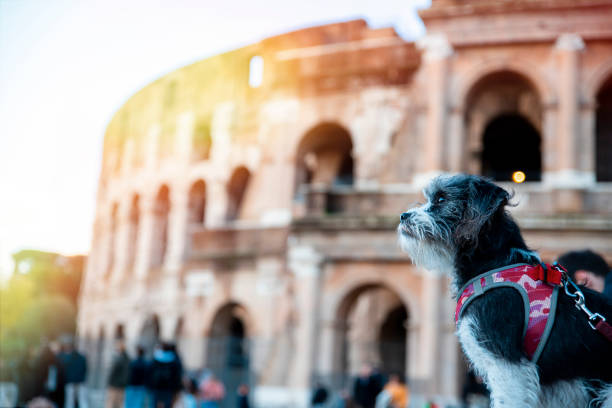
Holidays and special events are often synonymous with joy, celebration, and togetherness. For many, this includes our beloved canine companions. However, what brings excitement to humans can often be a source of immense stress, anxiety, or even danger for dogs who are unprepared for the cacophony of crowds, the startling bursts of noise, and the myriad of distractions these occasions present. A well-socialized and properly trained dog can navigate these environments with grace and confidence, turning potential chaos into shared enjoyment. This comprehensive guide delves deep into the strategies and techniques required to train your dog to be truly “holiday and event-ready,” ensuring their safety, comfort, and good behavior amidst the festive hustle and bustle.
Understanding the Canine Perspective: A World of Overload
Before we can effectively train our dogs, we must first understand the world through their senses. Dogs experience the world far more intensely than we do, making overwhelming situations even more challenging.
- Auditory Sensitivity: A dog’s hearing is significantly more acute than a human’s. What sounds like muffled chatter to us can be a high-decibel assault of overlapping conversations, laughter, music, and startling bangs to a dog. Fireworks, thunder, shouting, and even dropped dishes can trigger intense fear or panic.
- Olfactory Overload: Their sense of smell is their primary way of interpreting their environment. A holiday party means dozens of new human scents, countless food aromas (some tantalizing, others potentially toxic), and the lingering smells of decorations, all creating a complex and potentially confusing tapestry of information.
- Visual Stimuli: Moving crowds, unfamiliar faces, children running, flashing lights, new decorations, and sudden movements can be visually overwhelming. A dog may misinterpret intentions or become startled by rapid, unpredictable actions.
- Tactile Sensations: Being touched by strangers, bumped into, or confined in unfamiliar spaces can lead to discomfort or anxiety.
- Emotional Contagion: Dogs are highly attuned to human emotions. Our stress, excitement, or anxiety can easily transfer to them, exacerbating their own emotional responses.
Recognizing these sensory differences is the first step in empathetic and effective training. Every dog also has an individual temperament, breed predispositions, and unique past experiences that shape their reactions. Some dogs are naturally more resilient, while others are highly sensitive. Understanding your dog’s specific triggers and comfort levels is paramount. Always be diligent in observing their body language, which is their primary form of communication. Signs of stress include lip licking, yawning, panting, tucked tail, flattened ears, excessive sniffing, avoiding eye contact, pacing, whining, or trying to hide.
Foundational Obedience: The Non-Negotiables for Event Readiness
Before tackling specific challenges like crowds or noise, your dog needs a rock-solid foundation in basic obedience. These commands are not just tricks; they are crucial safety nets and communication tools.
- Reliable Recall (“Come!”): This is arguably the most critical command for any dog, especially in unpredictable environments. If your dog gets startled, slips their leash, or wanders off, a reliable recall can be life-saving.
- Training Tip: Practice in progressively distracting environments. Start in a quiet room, then move to a backyard, a park during off-peak hours, and eventually busier areas. Always make “come” a positive experience with high-value rewards. Never use it for punishment.
- “Leave It” / “Drop It”: Essential for preventing the ingestion of dangerous foods, dropped medications, enticing decorations, or even items on the ground during a walk.
- Training Tip: Start with low-value items and gradually increase the temptation. Reward immediately for disengaging from the item. For “drop it,” exchange the item for a high-value treat.
- “Stay” / “Settle”: This teaches your dog to remain in a designated spot for increasing durations, even amidst distractions. It’s invaluable for managing greetings at the door, keeping them calm during meals, or giving them a quiet retreat during a bustling event.
- Training Tip: Begin with short durations and minimal distractions. Gradually increase time and add distractions. Use a mat or bed as their “place” for settling.
- Loose-Leash Walking: A dog that pulls frantically on the leash is difficult to control in a crowd and can pose a tripping hazard. Loose-leash walking ensures you maintain control and that the walk is enjoyable for both of you.
- Training Tip: Reward frequently for a loose leash. Stop moving if the leash tightens and only resume when it slackens. Practice changing directions to keep your dog engaged.
- “Watch Me” / Eye Contact: This command teaches your dog to focus intently on you, cutting through external distractions. It’s a mental “reset” button.
- Training Tip: Hold a treat near your eyes and say “Watch Me.” When your dog makes eye contact, immediately reward. Gradually increase the duration of eye contact and introduce distractions.
- Crate Training / Boundary Training: A properly crate-trained dog views their crate as a safe, comfortable den. This provides a secure retreat from overstimulation during events and ensures their safety when unsupervised. Similarly, teaching a “place” command to a mat or bed gives them a designated calm zone.
- Training Tip: Make the crate or designated spot a positive experience with treats, toys, and quiet time. Never use it for punishment.
Managing Crowds: Navigating the Human Labyrinth
Crowds can be intimidating, exciting, or overwhelming. The goal is to teach your dog to navigate them calmly, without fear or over-excitement.
Desensitization & Counter-Conditioning to People
- Start Small and Controlled: Begin by exposing your dog to a small number of people in a calm setting, like a quiet park during off-peak hours.
- Observe and Reward: Reward your dog for calm behavior (e.g., sitting, loose leash, looking at you) when people are present, even at a distance. The goal is to create a positive association: “People are around, and good things happen!”
- Gradual Increase: Slowly increase the number of people and the density of the crowd. Practice walking near groups of people, then through them, always maintaining a relaxed pace.
- Controlled Greetings: If your dog enjoys meeting people, teach them polite greetings (“four on the floor” – no jumping). Ask guests to approach calmly, offer a hand, and reward for appropriate interaction. If your dog is wary, advocate for them by politely asking people not to approach or touch.
- Practice in Varied Environments: Take your dog to dog-friendly outdoor markets, busy sidewalks, or even the perimeter of bustling events (if appropriate and safe) to practice navigating different crowd dynamics.
Leash Skills in Crowds
- Heel Position Refinement: In a crowd, a strict heel position where your dog walks precisely by your side is incredibly beneficial. It prevents them from weaving into others, getting stepped on, or pulling you off balance.
- Short Leash for Control: Use a shorter leash (e.g., 4-foot) in crowds to keep your dog close. This isn’t about restriction but about safety and preventing them from stepping into danger or underfoot.
- Anticipate and Avoid: Learn to read the crowd. If you see a particularly dense area or a group of children running, steer your dog around it or pause until it clears.
Creating Space
Teach your dog to move with you as you navigate, rather than independently. Use your body to gently guide them, rewarding them for staying close and moving in sync with your pace and direction. This helps them understand they need to yield to you and to others in a crowded space.
Safe Retreats
Always be prepared to step aside, move to a quieter area, or even leave an event if your dog shows signs of stress. Pushing a dog beyond their comfort zone can set back training and damage trust. A successful outing isn’t always about staying the longest; it’s about making it a positive experience for your dog.
Managing Noise: From Startle to Settle
Loud noises are often the most pervasive and unavoidable stresses during holidays and events. From fireworks and celebratory gunshots to loud music, cheering, and general festive din, noise can be terrifying for many dogs.
Understanding Noise Phobias
Noise phobias are common and can range from mild anxiety to full-blown panic attacks. Dogs may tremble, hide, pant excessively, vocalize, or even become destructive. It’s crucial to address these fears with empathy and systematic training.
Gradual Exposure (Sound Desensitization)
- Using Recordings: This is a safe and controlled way to start. Find recordings of common event noises (fireworks, thunder, party sounds, children playing loudly).
- Procedure: Play the sound at a very low volume, almost imperceptible. While it’s playing, engage your dog in something positive: offer high-value treats, play a favorite game, or give a relaxing massage. The goal is to counter-condition their emotional response – instead of fear, they associate the sound with positive experiences.
- Gradual Increase: Slowly increase the volume over many sessions, only moving up when your dog remains completely relaxed and happy at the current level. If your dog shows any signs of stress, lower the volume immediately.
- Real-World Noises: Once your dog is comfortable with recordings, you can practice with real-world noises from a distance.
- Proximity Practice: Drive or walk your dog near construction sites, busy playgrounds, or areas with traffic, initially staying far enough away that the noise is barely noticeable. Reward calm behavior. Gradually decrease the distance over time.
- Predictor of Good Things: When a loud but expected noise occurs (e.g., a door slamming, a car horn), immediately reward your dog. This helps them associate the sound with positive outcomes rather than fear.
Creating a Safe Haven
- Designated Retreat: Ensure your dog has a comfortable, quiet, and secure space they can retreat to during noisy events. This might be their crate covered with a blanket, a quiet back room, or a designated “den” under a table.
- White Noise/Calming Music: White noise machines, fans, or specially designed calming music for dogs can help mask external noises and provide a sense of peace.
- Calming Aids: Consider using calming vests (like Thundershirts), pheromone diffusers (Adaptil), or vet-prescribed anti-anxiety medication if your dog has severe noise phobias. Always consult your veterinarian before administering any medication or supplement.
Distraction Techniques
For mild noise, engaging your dog in a favorite game or asking for known commands can redirect their focus away from the sound. A puzzle toy filled with high-value treats can also be an excellent distraction.
Body Language Awareness
During noise exposure, constantly monitor your dog’s body language. If you see signs of stress, back off the training, lower the noise, or provide comfort. Never punish fear. Your goal is to build confidence and positive associations.
Managing Distractions: Focusing Amidst the Frenzy
Distractions are anything that pulls your dog’s attention away from you. During holidays and events, these are abundant: other dogs, exciting smells, dropped food, new people, moving objects, and novel sounds. Training for distractions builds crucial focus and responsiveness.
Types of Distractions
- Visual: Children running, other dogs playing, decorations, people approaching.
- Auditory: Barking, music, conversations, sudden noises.
- Olfactory: Food smells, new environments, other animals.
- Tactile: Being bumped, touched by strangers.
- Internal: Hunger, needing to potty, excitement.
Systematic Approach to Distraction Training
- Master Skills in Low-Distraction Environments: Ensure your dog performs basic commands flawlessly in a quiet, familiar setting (e.g., your living room).
- Gradual Introduction of Distractions:
- Passive Distractions: Start with a stationary, non-interacting distraction far away (e.g., a person sitting on a bench across the park, a dog sleeping in the distance). Ask for a command, reward for success.
- Active Distractions: Progress to moving distractions further away (e.g., someone walking by, another dog being walked).
- Increase Proximity and Intensity: Over many sessions, gradually decrease the distance between your dog and the distraction. Increase the intensity by having the distraction move faster, make noise, or even interact briefly (if appropriate).
- Reward Heavily for Focus: Whenever your dog chooses to focus on you despite distractions, reward them with their absolute favorite, high-value treat or toy. This teaches them that you are more rewarding than any potential distraction.
- Engaging Play: Use play as a powerful tool to redirect attention. If your dog is getting over-stimulated by a distraction, a quick game of tug or fetch (if space allows) can re-engage their focus on you.
- Emergency “Watch Me” / Focus Command: Develop an ultimate focus command that your dog will respond to regardless of what else is happening. This is your “break glass in case of emergency” command. Practice it extensively with varying distractions, always with incredibly high reinforcement.
- “Look at That” (LAT) Game: This game teaches your dog to notice a distraction, look back at you, and receive a reward. It changes their internal monologue from “Oh no, a distraction!” to “Oh, a distraction! That means I should look at my human for a treat!”
- Procedure: When your dog notices a distraction (e.g., another dog), click/mark the moment they look at it, then immediately reward them away from the distraction. Repeat. Soon, your dog will look at the distraction and then look back at you for their reward.
Special Considerations for Holidays & Events
Beyond general training, specific holiday and event scenarios require targeted preparation.
Guest Management
- Pre-brief Guests: Inform your guests about your dog’s rules (e.g., no feeding table scraps, polite greetings, no letting the dog outside alone).
- Designated Dog-Free Zones: If your dog needs a break, or if guests are uncomfortable, have a secure area (like a separate room or crate) where your dog can be safely confined.
- Managing Greetings at the Door: This is often the most chaotic part. Practice a strong “stay” or “place” command away from the door. You can also leash your dog while greeting guests to maintain control. Reward calm behavior.
Food Safety
- Secure All Human Food: Holiday tables are laden with tempting, but often toxic, foods for dogs (chocolate, onions, grapes, xylitol, fatty scraps, cooked bones). Keep all food out of reach.
- Strict “Leave It” Practice: Reinforce “leave it” constantly, especially around dropped food items.
- Educate Guests: Inform them about which foods are dangerous and politely ask them not to feed your dog anything.
Decorations
- Identify Hazards: Many decorations are tempting but dangerous. Tinsel, glass ornaments, electric cords, certain plants (poinsettias, mistletoe), and small, chewable items can pose choking hazards or be toxic.
- Secure Decorations: Place fragile or dangerous items out of reach. Use pet-safe alternatives where possible. Supervise your dog around new decorations.
Travel
- Car Training: Desensitize your dog to car rides gradually. Use a secure crate or seatbelt harness for safety.
- New Environments: If traveling to a relative’s house, ensure their home is dog-proofed and safe. Bring your dog’s familiar bed, toys, and food to provide comfort.
Children
- Supervised Interactions: Always supervise dog-child interactions, even with well-behaved dogs and children.
- Teach Both: Educate children on how to respectfully interact with dogs, and train your dog to be gentle and tolerant with children. Teach them to walk away if they feel uncomfortable.
Other Pets
- Gradual Introductions: If introducing your dog to other pets at an event, do so slowly and in a neutral territory if possible, always on leash.
- Separate Spaces: Provide separate resting areas, food bowls, and water bowls to prevent competition or stress.
Fireworks/Loud Parties
- Proactive Measures: If you know loud noises are coming (e.g., New Year’s Eve fireworks), take proactive steps.
- Exercise your dog thoroughly before the noise starts to help them be tired.
- Provide a safe, quiet space with calming aids (Thundershirt, white noise, chews).
- Stay home with your dog if they are severely phobic.
- Never leave a phobic dog alone during fireworks.
Tools and Resources for Success
Having the right tools can significantly aid your training efforts.
- Leashes & Collars/Harnesses:
- Standard Leash: A 4-6 foot leash for general control.
- Front-Clip Harness: Can help reduce pulling and offer better control without putting pressure on the dog’s neck.
- Head Halter (Halti/Gentle Leader): Provides excellent control for strong pullers or reactive dogs but requires careful introduction.
- Flat Collar: For identification and general use.
- Avoid Retractable Leashes: In crowded or unpredictable situations, retractable leashes offer poor control and can be dangerous.
- Treats: High-value, small, soft treats are essential. Experiment to find what your dog loves most.
- Training Aids: Clickers can be excellent for precise marking of desired behaviors. Puzzle toys can provide mental stimulation and distraction.
- Calming Aids: Thundershirts, Adaptil diffusers/sprays, calming supplements (e.g., Zylkene, L-theanine – consult your vet first!), and calming music can all contribute to a relaxed state.
- Professional Help: Don’t hesitate to seek advice from a Certified Professional Dog Trainer (CPDT-KA) or a Veterinary Behaviorist (DACVB) if you’re struggling with severe behavioral issues like reactivity, aggression, or extreme anxiety. They can provide tailored guidance and intervention.
Key Principles for Success
Training for holidays and events is an ongoing journey that requires dedication and understanding.
- Patience & Consistency: Behavior modification takes time. There will be setbacks. Celebrate small victories and remain consistent with your training.
- Positive Reinforcement: Always use reward-based methods. This builds confidence, strengthens your bond, and makes training enjoyable for your dog. Punishment creates fear and can exacerbate behavioral issues.
- Short, Frequent Sessions: Dogs have shorter attention spans than humans. Multiple short (5-10 minute) training sessions throughout the day are more effective than one long, tedious session.
- End on a Positive Note: Always conclude a training session with a successful command and a big reward, leaving your dog feeling good about the experience.
- Advocacy for Your Dog: You are your dog’s biggest advocate. If they are uncomfortable, tired, or overwhelmed, it’s your responsibility to remove them from the situation, even if it’s inconvenient.
- Know Your Dog’s Limits: Not every dog is meant to be a social butterfly at every event. Some dogs may simply be happier and safer at home during large gatherings or noisy celebrations. Respect their individual needs.
Conclusion
Preparing your dog for the unique challenges of holidays and special events is a profound act of love and responsible pet ownership. By investing time in foundational obedience, systematic desensitization to crowds, noise, and distractions, and implementing thoughtful management strategies, you can transform what might otherwise be a stressful experience into a safe and joyous occasion for both you and your canine companion.
Remember, the goal is not perfection, but rather a well-adjusted, confident dog who trusts you to guide them through the world, even when it gets a little wild. With patience, consistency, and kindness, you can empower your dog to navigate the festive season with wagging tails and calm composure, ensuring many happy, safe, and memorable celebrations together.
#HolidayReadyDog, #EventReadyPooch, #DogTrainingTips, #CrowdManagementForDogs, #NoisePhobiaDogs, #DistractionTraining, #ObedienceTraining, #CanineBehavior, #PositiveReinforcement, #HappyDogHappyLife, #ResponsiblePetOwner, #DogSafety, #Desensitization, #CounterConditioning, #DogAnxietyRelief, #TravelWithDogs, #FireworksAnxiety, #PetCare, #DogLife, #WellBehavedDog, #DogTrainer, #PupPrep, #FestiveFido, #DogMom, #DogDad, #DogLover, #PetTraining, #DogHealthAndWellness, #K9Companion, #BeyondBasicTraining





Add comment