
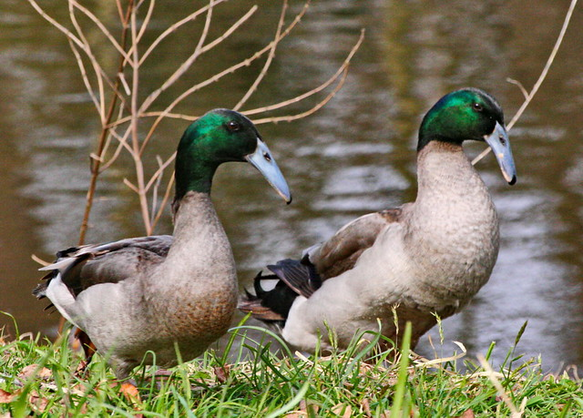
The Hook Bill Duck is one of the most distinctive and visually striking domestic duck breeds in existence. Named for its highly unusual and unmistakable curved bill that resembles a hook—hence the name “Hook Bill”—this breed is instantly recognizable even among seasoned waterfowl enthusiasts. Originating in Europe, it has long been admired not only for its peculiar anatomy but also for its gentle temperament, ornamental elegance, and mild utility as a layer of quality eggs.
While relatively rare compared to mainstream breeds like Pekins or Khaki Campbells, the Hook Bill holds a special place in heritage breed circles and among backyard poultry keepers who value uniqueness, aesthetics, and historical significance. Despite its somewhat fragile appearance, the Hook Bill is hardy, intelligent, and adapts well to various environments when provided with proper care.
In recent years, interest in rare and heritage duck breeds has surged, driven by concerns about biodiversity loss, sustainable farming practices, and the desire for naturally resilient livestock. The Hook Bill, with its rich history and unique traits, fits perfectly into this modern movement. Whether kept for ornamental display, exhibition, conservation, or modest egg production, this breed offers numerous benefits to the dedicated breeder or smallholder.
This comprehensive guide delves deep into every aspect of the Hook Bill Duck: from its physical traits and breeding requirements to environmental needs, economic value, and long-term care. Whether you’re a beginner exploring rare breeds or an advanced aviculturist looking to expand your knowledge, this article provides a thorough understanding of how to successfully raise, maintain, and appreciate the Hook Bill Duck.
Other Names & Synonyms
The Hook Bill Duck is known by several names across different regions and historical contexts:
- English Hook Bill
- British Hook Bill
- Crested Hook Bill (though not always accurate, sometimes confused with crested breeds)
- Curved-bill Duck
- Huchia (a corruption used in some old texts)
- Grisle (historical regional term in East Anglia, UK)
It’s worth noting that the name “Hook Bill” is sometimes misapplied to other duck breeds with slightly curved beaks, but true Hook Bills have a much more pronounced and consistent curvature. There is no officially recognized separate breed called the “Crested Hook Bill,” and confusion with other crested waterfowl should be avoided.
Despite its historical prominence, the Hook Bill remains a niche breed without widespread commercial recognition. Its rarity is reflected in the limited number of alternative names and lack of regional variations.
Primary Breed Purpose
The Hook Bill Duck was originally developed for dual purposes: ornamental appeal and modest egg production. Unlike prolific layers such as Khaki Campbells or Indian Runners, Hook Bills are not bred primarily for meat or high-volume egg output. Instead, their main functions include:
- Ornamental & Exhibition Use – The Hook Bill’s dramatic appearance makes it a favorite at poultry shows, bird exhibitions, and heritage farm displays. Its unusual bill, upright stance, and graceful movement attract considerable attention.
- Egg Production (Moderate) – While not a top-tier layer, a healthy Hook Bill hen can produce 80–100 eggs per year—quite respectable for a non-commercial heritage breed.
- Conservation & Genetic Diversity – As a rare breed listed by poultry preservation societies (e.g., The Rare Poultry Society in the UK), maintaining purebred Hook Bills contributes to biodiversity and prevents extinction of unique genetic lines.
- Backyard & Homestead Suitability – Gentle temperament and low noise levels make them excellent pets for suburban or rural backyard flocks.
- Educational Displays – Schools, nature centers, and educational farms often use Hook Bills to teach children about animal variation and selective breeding.
Although they are technically capable of being raised for meat, their smaller size and slower growth rate make them less suitable than breeds like Pekins or Rouens. Therefore, meat production is not considered a primary purpose.
Physical Characteristics
The Hook Bill Duck is instantly identifiable due to its striking physical features:
- Bill: The most prominent trait is its pronounced, downward-curving bill. The curve starts mid-beak and bends sharply so that the tip points toward the chest. This adaptation may have evolved through selective breeding rather than natural selection. It doesn’t impair feeding or preening, though some individuals may require monitoring during molting or illness.
- Body Shape: Upright and compact, with a body held at a 45–60 degree angle to the ground. This gives the bird a somewhat alert, almost proud posture.
- Feathers & Coloration: Traditionally, Hook Bills come in white, buff, blonde, pied (black and white), and blue varieties. Solid white is the most common and exhibition-preferred. Feathers are tight and smooth with a slight sheen.
- Head: Small and refined, often featuring a slight crest or tuft in some bloodlines, though not universal. Eyes are large, dark, and expressive.
- Neck: Moderately long and slender, enhancing the bird’s elegant profile.
- Wings: Tucked close to the body, with strong flight feathers—though flight ability is limited (discussed later).
- Legs & Feet: Orange to reddish-orange legs set slightly forward on the body, which contributes to their upright stance. Feet are webbed and functional for swimming.
- Size: Medium-small; males (drakes) typically appear slightly larger and more robust than females (hens).
Overall, the combination of form, posture, and facial structure creates a bird that looks more exotic and refined than utilitarian.
Weight & Growth Curve
Hook Bills are lightweight ducks compared to commercial breeds:
- Hatchling (0–1 week): 40–50 grams
- 2 weeks: 150–200 grams
- 4 weeks: 400–600 grams
- 8 weeks: 1.1–1.4 kg (2.4–3 lbs)
- Mature Weight:
- Drakes: 1.8–2.3 kg (4–5 lbs)
- Hens: 1.5–2.0 kg (3.3–4.4 lbs)
Growth is steady but slower than fast-maturing breeds like Pekins. They reach full size by 20–24 weeks, with sexual maturity achieved around 22–26 weeks.
Weight gain can be influenced by diet, sex, and genetics. Overfeeding may lead to obesity, especially in confined birds with limited exercise. Regular weighing and monitoring body condition are recommended, particularly for show specimens.
Climatic Tolerances
Hook Bills are surprisingly adaptable to a range of climates, though preferences and limitations exist:
- Cold Tolerance: Fair to good. When provided with dry, draft-free housing and access to unfrozen water, Hook Bills can thrive in temperate zones. Their dense plumage offers decent insulation, though extreme cold (< -10°C / 14°F) may require supplemental heat or shelter upgrades.
- Heat Tolerance: Moderate. They tolerate warm summers if shade, ventilation, and fresh water are available. Overheating can occur in temperatures above 30°C (86°F), especially in humid climates. Heat stress signs include panting, lethargy, and reduced egg production.
- Humidity: High humidity can contribute to feather soiling and respiratory issues if ventilation is inadequate.
- Wind & Rain Resistance: They handle wet weather well due to waterproof feathers but need shelter from prolonged exposure to driving rain.
Ideal climate zones: USDA Zones 5–9 (with management support outside these ranges). Shelter design (discussed later) plays a key role in expanding climate adaptability.
Reproduction & Egg Production
Egg Laying
- Annual Yield: 80–100 eggs per hen
- Egg Size: Medium to large (65–70g)
- Egg Color: White or off-white, occasionally with a faint cream tint
- Laying Season: Primarily spring to early autumn, with a natural drop in winter unless artificial light is used
- Onset of Laying: Around 24–28 weeks of age
Eggs are flavorful and suitable for consumption or hatching. Shell quality is generally strong, though calcium supplementation is essential for consistent production.
Breeding Behavior
- Mate Compatibility: Monogamous tendencies observed in some pairs; others function in small flocks
- Drake Ratio: One drake per 4–6 hens recommended to avoid aggression or over-mating
- Nesting Preferences: Hens prefer quiet, secluded nesting boxes lined with straw or hay. They may go broody and attempt to hatch eggs, though fertility depends on drake presence
Incubation & Hatching
- Incubation Period: 28 days
- Clutch Size: 8–12 eggs commonly set
- Hatch Rate: Moderate (60–75%) if eggs are clean, stored properly, and incubated under optimal conditions
- Fertility Issues: Some bloodlines may suffer from lower fertility due to inbreeding, emphasizing the need for responsible breeding programs
Broodiness is moderate—some hens regularly go broody and make excellent mothers, while others rarely exhibit maternal instincts.
Flying Ability
Despite having fully developed wings, Hook Bills are extremely limited in their ability to fly.
- Flight Capability: Minimal to none. They may flutter short distances (1–2 meters) to escape perceived threats or reach elevated perches, but sustained flight is impossible.
- Wing Clipping: Generally unnecessary unless ducks are near open ponds with predator risks.
- Enclosure Needs: Low fencing (60–90 cm / 2–3 ft) is sufficient. Secure enclosures protect against predators rather than containing flight.
Their body weight distribution and upright posture further restrict aerodynamic lift. This makes them ideal for open-run environments without stringent flight containment measures.
Breed History & Origin
The origins of the Hook Bill Duck are shrouded in mystery, with roots believed to extend back to the 17th century in England.
- Earliest Records: First documented in England in the 1600s. Illustrations from the 1680s show ducks with pronounced hooked bills, suggesting selective breeding was already underway.
- Possible Influences: Some historians believe ancestors may have been brought from the Middle East or Asia, though no definitive DNA evidence supports this.
- Golden Era: Popular in Victorian England as both a working and ornamental duck on estates and farms. Valued for its egg-laying ability and unique appearance.
- Decline: By the early 20th century, industrial farming favored faster-growing, higher-producing breeds, leading to a steep decline in Hook Bill numbers.
- Conservation Status: Classified as “at risk” or “priority” by organizations like the UK’s Rare Poultry Society and The Livestock Conservancy in the US. Current global population estimated at fewer than 1,500 breeding individuals.
Efforts to revive the breed focus on preserving genetic purity, improving fertility, and increasing public awareness.
Life Expectancy
With proper care, Hook Bills are long-lived ducks:
- Average Lifespan: 8–12 years
- Maximum Recorded: Up to 15 years in protected, low-stress environments
- Factors Affecting Longevity:
- Predator protection
- Nutrition
- Freedom from chronic disease
- Low-stress living conditions
- Regular health checks
Compared to many domestic ducks (which average 5–8 years), the Hook Bill’s longevity is a significant advantage, especially for breeders committed to multigenerational flocks.
Common Health Issues
While generally hardy, Hook Bills are prone to certain conditions:
- Bill Malformations: In severe cases, the extreme curve can interfere with eating or preening. Genetic screening helps reduce occurrence.
- Respiratory Infections: Especially in damp, poorly ventilated coops. Symptoms include nasal discharge, wheezing, swollen eyes.
- External Parasites: Mites and lice thrive in overcrowded or dirty conditions. Regular inspection and dust baths help prevent infestations.
- Internal Parasites: Worms (gapeworm, roundworms) require periodic deworming, especially in free-range birds.
- Obesity: Due to slower metabolism and lower activity, overfeeding leads to fatty liver disease and joint stress.
- Egg Binding: More common in younger or undernourished hens, especially without calcium.
- Bumblefoot: Caused by injury or poor footing. Leads to lameness and infection if untreated.
- Vitamin Deficiencies: Particularly Vitamin E, B12, and selenium—supplements may be needed in indoor-only birds.
Proactive health management, clean housing, and balanced diet reduce most risks. Routine inspections and quarantine of new birds are essential.
Breeding & Genetics – Tips for the Advanced Keeper
For experienced breeders aiming to preserve or improve the Hook Bill breed, consider the following:
- Genetic Diversity: Avoid line-breeding unless necessary. Exchange breeding stock with other reputable keepers to minimize inbreeding depression.
- Selection Criteria:
- Bill curvature (ideal arch without obstruction)
- Upright posture
- Strong egg production
- Temperament (calm, non-aggressive)
- Plumage quality and color purity
- Culling Practices: Remove birds with severe deformities, chronic illness, or poor reproductive performance from breeding rotation.
- DNA Testing: If available, use genetic testing to confirm purity and detect carrier status for recessive disorders.
- Record Keeping: Maintain detailed logs of pedigrees, egg output, hatch rates, and health issues.
- Artificial Incubation vs. Natural Brooding: Both methods work. Natural brooding preserves maternal instincts, while incubators allow better control and larger batch hatching.
- Avoid Hybridization: Never cross with other duck breeds—this dilutes unique traits and compromises conservation goals.
- Collaborate with Breed Associations: Join groups like The Rare Poultry Society (UK) or The American Livestock Breeds Conservancy (USA) for support and benchmarking.
Successful preservation requires patience, precision, and ethical standards.
Nutritional Requirements
Proper nutrition is vital for health, egg production, and longevity:
Diet Composition
- Starter Feed (0–4 weeks): 18–20% protein waterfowl starter crumbles (not medicated chick feed)
- Grower Feed (5–20 weeks): 15–16% protein, lower calcium
- Layer Feed (20+ weeks): 16–18% protein, 2.5–3.5% calcium for strong eggshells
- Free-Choice Grit & Oyster Shell: Essential for digestion and calcium supplementation
- Fresh Greens: Lettuce, kale, duckweed, grass clippings
- Insects & Forage: Slugs, worms, aquatic plants (if free-ranging)
Water Needs
- Constant access to clean, deep water for drinking and head-dunking (critical for eye and bill health)
- Avoid shallow dishes—deep enough for full head submersion
Supplements
- Poultry Booster (vitamin-electrolyte mix) during stress or illness
- Probiotics for gut health
- Niacin (especially for ducklings) to prevent leg deformities
Avoid bread, salty foods, chocolate, avocado, and citrus fruits—these are toxic or nutritionally void.
Housing & Environmental Design
Designing an appropriate habitat ensures safety, comfort, and productivity:
Shelter Requirements
- Size: Minimum 4 sq ft per duck inside the coop; 10–15 sq ft per duck in outdoor run
- Ventilation: High vents (not draft-level) to reduce moisture and ammonia buildup
- Bedding: Straw, wood shavings, or hemp bedding—changed regularly
- Dryness: Must remain completely dry to prevent respiratory disease
- Nesting Boxes: One box per 3–4 hens, measuring 12” x 12” x 12”, filled with soft bedding in a dark, quiet corner
Outdoor Run
- Fully enclosed with predator-proof fencing (half-buried to deter diggers)
- Shade structures and windbreaks
- Dust bathing areas with sand and diatomaceous earth
- Shallow ponds or kiddie pools for swimming (cleaned frequently)
Water Features
- At least one duck-sized pool (6–8 inches deep)
- Located in sunlight for algae control
- Changed every 1–2 days
Winter & Summer Preparations
- Winter: Insulate coop, use deep litter method, ensure water doesn’t freeze
- Summer: Provide misters, shade sails, frozen treats (fruit ice cubes)
Well-designed housing reduces stress, disease, and mortality.
Behavioral Traits & Enrichment
Hook Bills are intelligent, curious, and socially interactive:
Temperament
- Calm and friendly
- Low noise levels (gentle quacks)
- Non-aggressive toward humans or other ducks
- Slightly shy initially but become trusting with handling
Social Structure
- Prefer small flocks (3–6 birds)
- Integrate well with other domestic ducks, but avoid pairing with aggressive breeds
- Can coexist with chickens if space allows, though separate feeding zones are advised
Enrichment Ideas
- Scatter feeding (hide food in straw or grass)
- Floating toys in water
- Rotating foraging zones
- Mirror or reflective surfaces (stimulates curiosity)
- Training with target sticks (some individuals learn simple commands)
Mental stimulation prevents boredom and feather pecking.
Economic Considerations
While not a commercial breed, Hook Bills have economic value:
- Initial Cost: $25–$50 per duckling; $75–$150 for adult breeding pairs (higher for show-quality birds)
- Ongoing Costs:
- Feed: ~$15–$25/month per duck
- Bedding & Supplies: $10–$20/month
- Veterinary Care: $50–$100/year (preventive focus)
- Revenue Streams:
- Sale of ducklings: $30–$80 each (heritage breed premium)
- Exhibition awards (cash or recognition)
- Eggs for sale: $6–$10 per dozen (gourmet/local market)
- Educational workshops or tours
- Profitability: Not high-volume. Profit margins depend on scale, location, and marketing. More viable as a supplementary or passion-based enterprise.
Best suited for small-scale or hobby farming rather than industrial models.
Environmental Impact
Raising Hook Bills responsibly contributes positively to ecological stewardship:
- Low Carbon Footprint: Smaller size and feed efficiency reduce resource use compared to larger livestock.
- Pest Control: Natural foragers consume slugs, snails, and insects.
- Weed Management: Grazing on aquatic and terrestrial weeds reduces chemical herbicide need.
- Biodiversity Support: Preserving rare breeds maintains genetic diversity critical for future food security.
- Manure Use: Duck droppings are nitrogen-rich—compost safely for fertilizing gardens.
However, risks include water pollution if paddocks drain into natural waterways, and predation pressure if not properly secured.
Sustainable practices: rotational grazing, composting waste, using local feed sources.
Conclusion
The Hook Bill Duck is more than just a curiosity—it is a living piece of agricultural history, a symbol of biodiversity, and a rewarding companion for dedicated keepers. While not suited for mass production or intensive farming, its charm, gentle nature, and moderate productivity make it ideal for smallholders, educators, and conservationists.
From its unmistakable hooked bill to its dignified stance, every aspect of this breed reflects centuries of selective breeding and cultural appreciation. By understanding its needs—from nutrition and housing to genetics and behavior—keepers can ensure the survival and prosperity of this remarkable duck.
Whether you’re drawn to its ornamental elegance, intrigued by its history, or committed to preserving rare livestock, the Hook Bill Duck offers a unique and fulfilling experience. As interest in sustainable, ethical animal husbandry grows, so too does the importance of safeguarding breeds like the Hook Bill for future generations.
With responsible care, community collaboration, and passion, the Hook Bill can continue to thrive—not just survive—as a treasured part of our avian heritage.
Frequently Asked Questions (FAQs)
Q1: Why is the Hook Bill Duck’s bill curved?
A: The exact reason is unknown, but it’s believed to be a result of centuries of selective breeding for aesthetic traits. It doesn’t hinder normal feeding or swimming.
Q2: Are Hook Bill Ducks good for beginners?
A: Yes, due to their calm temperament and low noise levels. However, their rarity means sourcing birds and information may require more effort.
Q3: Can Hook Bills live with other duck breeds?
A: Yes, especially with calm breeds like Calls or East Indies. Avoid pairing with aggressive or dominant ducks.
Q4: Do they need a pond?
A: Not essential, but they benefit greatly from access to swimming water. A kiddie pool changed daily works well.
Q5: Are they good mothers?
A: Some hens go broody and are attentive mothers, while others do not. Broodiness is inconsistent across individuals.
Q6: How much space do they need?
A: Minimum 10 sq ft per duck in the run, plus shelter space. More space improves health and behavior.
Q7: Are they rare?
A: Yes—considered a rare or endangered heritage breed. Conservation efforts are ongoing.
Q8: Can they fly away?
A: No. Their body shape and weight prevent sustained flight. Low fencing is sufficient.
Q9: What do they eat?
A: Commercial waterfowl feed, supplemented with greens, insects, and calcium. Avoid bread and toxic foods.
Q10: How long do they lay eggs?
A: Peak production is years 2–4. They may lay sporadically up to age 8, though at reduced rates.
Q11: Do they molt?
A: Yes—annually, usually in late summer. Provide high-protein feed during this time.
Q12: Are they noisy?
A: No—they are quieter than most duck breeds, making them ideal for residential areas.
Q13: Can I show my Hook Bill Duck?
A: Yes—poultry associations host waterfowl shows with specific breed standards.
Q14: How can I help conserve the breed?
A: Join breed clubs, maintain pure lines, share knowledge, and support ethical breeders.
Q15: Do they need vaccinations?
A: Not routinely, but biosecurity and parasite control are essential. Consult a vet in high-risk areas.
#HookBillDuck, #RareDuckBreed, #HeritagePoultry, #OrnamentalDucks, #BackyardDucks, #DuckLovers, #PoultryKeeping, #DuckCare, #HookBilledDuck, #UniqueDucks, #DuckBreeds, #SustainableFarming, #Homesteading, #DuckLife, #AvianConservation, #Waterfowl, #RareBreeds, #DuckEggs, #SmallFarmLife, #DuckOwner, #PoultryBreeding, #DuckHabitat, #DuckEnrichment, #DuckHealth, #DuckNutrition, #ConservationEfforts, #HookBillDuckFacts, #BackyardPoultry, #DuckKeeper, #DucksofInstagram
Add comment