
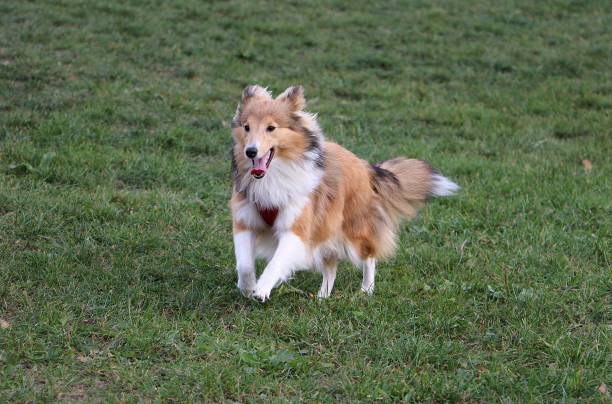
I. Introduction: Bridging the Communication Gap
The bond between humans and dogs is one of the most remarkable interspecies relationships on Earth. For millennia, dogs have lived alongside us, becoming integral members of our families and societies. Yet, despite this deep connection, a profound communication barrier often persists. We speak different languages, perceive the world through different sensory filters, and interpret intent in often divergent ways. This communication gap is nowhere more apparent, or more critical, than in the realm of dog obedience training.
Obedience training is not merely about teaching a dog to perform tricks or follow commands; it is, at its core, a complex dialogue. It requires the human to convey their expectations clearly and consistently, and the dog to understand, process, and respond appropriately. The efficacy of this dialogue hinges entirely on our ability to understand how dogs communicate – not just verbally, but through a rich, intricate tapestry of multi-sensory signals that form their primary language.
This guide aims to unravel the complexities of canine communication, exploring how dogs perceive and interact with their world through sight, sound, smell, touch, and even taste. Crucially, it will then elaborate on how this profound understanding can be directly applied to enhance and revolutionize dog obedience training. By adopting a multi-sensory approach, trainers and owners can move beyond simple rote learning, fostering a deeper connection, building unwavering trust, and achieving unparalleled clarity in their interactions with their canine companions. This isn’t just about teaching a dog to ‘sit’; it’s about teaching us to truly ‘speak dog’ and, in doing so, unlock their full potential and build a relationship founded on mutual respect and understanding.
II. The Canine Sensory World: A Different Perspective
To truly understand how dogs communicate, we must first step into their paws and experience the world through their unique sensory apparatus. Their hierarchy of senses differs significantly from ours, leading to a vastly different interpretation of reality and, consequently, different communication priorities.
A. Olfactory (Smell): The Dog’s Primary Sense
For humans, sight is typically our dominant sense, providing the lion’s share of information about our environment. For dogs, this role is unequivocally held by smell. A dog’s sense of smell is estimated to be anywhere from 10,000 to 100,000 times more acute than ours. This extraordinary capability is due to a combination of factors:
- Millions More Olfactory Receptors: While humans possess about 6 million olfactory receptors, dogs boast up to 300 million.
- Larger Olfactory Bulb: The part of the brain dedicated to analyzing smells is proportionally much larger in dogs.
- Specialized “Second Nose” (Jacobson’s Organ/Vomeronasal Organ): This organ, located in the roof of their mouth, is specifically designed to detect non-volatile chemical signals, such as pheromones, which play a crucial role in social and reproductive communication.
- Separate Inhaling and Exhaling: Dogs can effectively “multi-task” their sniffing, continually analyzing new scents.
Role in Communication and Training: Dogs gather an immense amount of information through smell:
- Identification: Individual dogs, humans, and other animals possess unique scent signatures. A dog can identify another dog’s age, sex, health, and current emotional state simply by sniffing their urine, feces, or anal gland secretions.
- Social Status and Territory: Scent marking (urination, defecation, pawing) is a fundamental aspect of territorial communication, asserting presence and communicating status.
- Emotional State: Adrenaline, fear, and excitement release specific scent molecules that other dogs (and sometimes humans) can detect. This profound reliance on smell means that the olfactory landscape heavily influences a dog’s behavior and their ability to focus during training. High-value food rewards appeal directly to this primary sense, making them incredibly effective motivators. Conversely, a highly scented environment can be a massive distraction, pulling a dog’s attention away from the trainer. Understanding this allows us to use scent strategically in training (e.g., scent work, using specific-smelling treats) and manage environmental distractions effectively.
B. Auditory (Hearing): A World of Sound
Dogs possess a superior sense of hearing compared to humans, both in terms of range and sensitivity.
- Higher Frequency Range: Dogs can hear sounds at much higher frequencies (up to 60,000-65,000 Hz) than humans (around 20,000 Hz), allowing them to detect sounds we cannot, such as the high-pitched whine of ultrasound or the movements of prey.
- Greater Distance: They can hear sounds from four to five times further away than humans.
- Selective Hearing: While sometimes frustrating to owners, dogs can also selectively filter out background noise to focus on relevant sounds.
- Movable Ears: Their ears, often independently movable, act like radar dishes, allowing them to pinpoint the exact origin of a sound.
Role in Communication and Training: In training, our vocalizations are auditory cues. Dogs don’t necessarily understand the semantic meaning of our words like another human would. Instead, they interpret:
- Tone, Pitch, and Rhythm: A high-pitched, excited tone often signals praise or play, while a lower, firmer tone can indicate a correction or a serious command. The rhythm of our speech can also convey urgency or calm.
- Association: They learn to associate specific sounds (words like “sit,” “stay”) with particular actions and consequences. Environmental sounds play a significant role. Unexpected loud noises can be startling or frightening, affecting a dog’s confidence and focus during training. A trainer’s voice needs to be clear, consistent, and used with deliberate intent, understanding that the sound itself, not just the word, carries significant meaning for the dog.
C. Visual (Sight): More Than Just Looking
While not their primary sense, vision is crucial for dogs, particularly for interpreting body language and navigating their environment.
- Enhanced Low-Light Vision: Dogs have more rods than cones in their retinas, giving them superior night vision compared to humans.
- Motion Detection: They are highly attuned to movement, making them excellent hunters and alerting systems.
- Limited Color Perception: Dogs see the world in shades of yellow, blue, and grey. Red and green appear as shades of grey or yellowish-brown. This means visual cues that rely on specific color differentiation might be less effective.
- Wider Field of View: Their eyes are positioned more laterally on their heads, granting them a wider field of view than humans (around 240 degrees vs. 180 degrees).
Role in Communication and Training: Visual cues are paramount in dog communication, particularly body language. Dogs constantly read the subtle shifts in posture, tail position, ear set, and facial tension in other dogs and humans. For the trainer:
- Body Language is Key: Our own posture, hand signals, eye contact, and even the direction of our gaze are all powerful visual cues. A trainer standing tall and facing a dog directly might be perceived as confrontational, while a softer stance can invite interaction.
- Consistency of Hand Signals: Clear, consistent hand signals complement verbal commands, offering a powerful visual cue that can often cut through auditory distractions.
- Observation of Dog’s Body Language: Crucially, trainers must visually observe the dog’s subtle body language cues during training to gauge their understanding, emotional state, and engagement.
D. Tactile (Touch): The Language of Physicality
Touch is a fundamental aspect of social bonding, play, and comfort for dogs, both with their own kind and with humans.
- Physical Contact: Puppies learn boundaries and social norms through physical play and nips from littermates. Adults engage in mutual grooming and close contact for reassurance.
- Sensitivity: Dogs have sensitive skin and nerve endings, particularly around their mouth, paws, and flanks.
Role in Communication and Training: Touch is utilized extensively in training:
- Lure-and-Reward: Guiding a dog into position with a treat often involves gentle physical contact or proximity.
- Physical Guidance: Gently nudging a dog into a “sit” or “down” position.
- Petting as a Reward: For many dogs, a well-placed, soothing stroke or a vigorous scratch in their favorite spot is a highly valued reward. However, it’s crucial to know what your dog enjoys; not all dogs prefer the same type of touch.
- Leash Pressure: The leash and collar are constant sources of tactile information. Consistent, clear leash pressure and release are powerful communication tools for guiding, stopping, and correcting.
- Calming Touch: Gentle, even strokes can be incredibly calming for an anxious dog, demonstrating trust and support. Understanding and using touch appropriately helps build a strong, trusting relationship and facilitates clear communication during training.
E. Gustatory (Taste): An Adjunct to Smell
While taste is less directly involved in communication than the other four senses, it’s intrinsically linked to smell and plays a role in motivation.
- Taste Receptors: Dogs have fewer taste buds than humans, but their sense of taste is enhanced by their superior olfaction.
- Preference for Flavors: They have preferences for meat, fat, and sweet flavors.
Role in Communication and Training:
- Food Rewards: The taste of high-value treats reinforces desired behaviors. The enjoyment derived from eating is a powerful positive reinforcer, and the strong accompanying scent makes them highly appealing.
- Pill Administration: Hiding medication in tasty treats is a practical application.
By appreciating this multi-sensory world, we begin to understand that a dog’s communication is never one-dimensional. A wagging tail must be interpreted in the context of ear position, eye gaze, overall body posture, vocalizations, and even the ambient smells. This holistic understanding is the foundation for effective and empathetic obedience training.
III. Decoding Canine Communication Signals
Dogs are masters of non-verbal communication. Their signals are often subtle, layered, and context-dependent. To become fluent in “dog,” requires diligent observation and an understanding of the interconnectedness of their various communication modalities.
A. Body Language: The Universal Canine Language
Body language is arguably the most primary and universal form of canine communication. Every part of a dog’s body, from the tip of its nose to the end of its tail, contributes to a constant stream of information.
1. Overall Posture
The entire body acts as a canvas for communication, conveying a dog’s emotional state, intent, and confidence.
- Confident/Neutral: Loose, relaxed posture, weight evenly distributed, head held level or slightly high, tail at a natural height, soft eyes.
- Fearful/Submissive: Cowered posture, low to the ground, rounded back, head low, often averting gaze, tail tucked, might attempt to make themselves smaller.
- Aggressive/Threatening: Stiff, rigid body, leaning forward, weight over front paws, direct stare, hackles raised, tail high and stiff.
- Play Bow: Front end down, rear end up, tail wagging, mouth open in a “grin,” inviting interaction. This is a clear invitation to play.
- Alert/Interested: Body slightly tense, leaning forward, head up, ears forward, eyes focused on the object of interest.
2. Tail Signals
Often misunderstood, a wagging tail does not always mean a happy dog. The tail’s position and movement must be interpreted within the larger context of the dog’s body language.
- Tail High and Stiff: Often indicates alertness, arousal, dominance, or potential aggression.
- Tail at Neutral/Natural Height: Relaxed, comfortable, confident.
- Tail Low/Between Legs (Tucked): Fear, submission, anxiety, insecurity.
- Rapid, Wide Wag: Usually indicates excitement, happiness, or friendliness, but can also be a sign of over-arousal.
- Slow, Gentle Wag: Tentativeness, uncertainty, or mild acknowledgement.
- Stiff, Tiny Wag (especially high): Often seen in anxious or dominant dogs.
- Wagging Bias: Recent research suggests that a wag biased to the right side (from the dog’s perspective) might indicate positive emotions, while a left-sided bias might denote negative emotions, but this is subtle and not universally accepted as a stand-alone signal.
3. Ear Signals
A dog’s ears are highly expressive, reflecting their attention, curiosity, fear, or aggression.
- Erect and Forward: Alertness, interest, focus, confidence.
- Relaxed/Natural Position: Contentment, comfort.
- Flattened Back/Pinned Down: Fear, anxiety, submission, aggression (often seen with other aggressive cues as a warning).
- Swiveled Sideways: Curiosity, listening, sometimes slight anxiety.
4. Eye Signals
Eyes are windows to a dog’s soul and a powerful communication tool.
- Soft Gaze/Squinting: Relaxation, contentment, affection.
- Direct, Hard Stare: Challenge, threat, dominance. In training, this from a human can be confrontational.
- Averted Gaze/Turning Head: De-escalation, submission, avoidance, discomfort.
- “Whale Eye” (Sclera Visible): A clear sign of stress, fear, or anxiety. The whites of the eyes are visible, usually as the dog’s head is turned away, but their eyes remain fixed on the perceived threat.
- Dilated Pupils: Fear, excitement, arousal, aggression.
- Rapid Blinking: Stress, anxiety, or an attempt to diffuse tension.
5. Mouth and Lips Signals
The mouth provides a range of communicative cues from relaxation to serious warnings.
- Relaxed, Slightly Open Mouth (or Panting): Contentment, relaxation, often with a “soft” face.
- Closed Mouth, Tight Lips: Tension, stress, alertness, or discomfort.
- Lip Licking (without food): A strong calming signal, indicating stress, anxiety, or an attempt to appease.
- Yawning (without being tired): Another potent calming signal, stress reliever, or attempt to diffuse tension.
- Mouth Tight, Corners Pulled Back (often showing teeth): Submissive grin (often with a low body posture and tail wagging), indicating appeasement.
- Curled Lips, Baring Teeth (snarl): Clear warning, aggression, often accompanied by a growl.
- Snapping: A warning that may precede a bite if ignoring other signals.
6. Facial Expressions
Beyond individual features, the overall facial tension or relaxation is important. A “soft face” with relaxed muscles around the eyes and mouth indicates comfort, while tension signifies stress or alertness. “Eyebrow” movements (muscle contractions above the eyes) can indicate worry or sadness.
7. Piloerection (Hackle Raising)
When a dog’s hair stands up along its spine (usually from the shoulders to the tail), it’s called piloerection or “raising hackles.” This is an involuntary reflex, much like goosebumps in humans, indicating arousal. It signifies the dog is feeling fear, excitement, anxiety, or aggression, but it does not tell you which emotion. It simply means the dog is highly stimulated.
B. Vocalizations: The Sound of Emotion and Intent
Dogs use a diverse range of vocalizations, each varying in pitch, duration, and intensity, to convey specific messages.
1. Barking
Barking is perhaps the most common and varied vocalization. The context, pitch, and duration are essential for interpretation.
- Alert Barking: Often sharp, rapid, medium-to-high pitch. “Someone’s here!”
- Territorial Barking: Deeper, more insistent, often accompanied by rigid body language. “Stay away!”
- Demand Barking: Repetitive, high-pitched, often accompanied by pawing or nudging. “Give me attention/food/play!”
- Play Barking: Often higher pitched, staccato, interspersed with growls or whimpers, open mouth.
- Anxiety/Fear Barking: Often frantic, high-pitched, sometimes continuous, accompanied by other stress signals.
- Lonely Barking: Repetitive, often mournful.
- “Alarm” Barks: Often a single, sharp bark at an unexpected sound or sight.
2. Growling
Growling is a crucial warning signal and should never be punished in isolation. It indicates discomfort, fear, or a desire to maintain distance.
- Warning Growl: Low, rumbling, often escalating in intensity, accompanied by stiff body language. “Don’t come closer, or I will bite.”
- Play Growl: Often higher pitched, interrupted, loose body, wagging tail. “Let’s wrestle!”
- Fear Growl: Often combined with backing away or cowering. “I’m scared, stay away!” Punishing a growl teaches a dog not to warn, which can lead to a dog biting “without warning.” Instead, address the root cause of the growl.
3. Whining/Whimpering
These sounds typically indicate distress, desire, or excitement.
- Demand Whine: High-pitched, persistent, often for attention or a specific item.
- Anxiety/Pain Whine: Soft, continuous, often with other signs of discomfort or fear.
- Excitement Whine: Often high-pitched, interspersed with barks or body wiggles, seen during greetings or anticipation.
- Frustration Whine: When unable to achieve a goal.
4. Howling
Howling is a deep, prolonged vocalization, often used for long-distance communication.
- Contact Call: “Where are you?”
- Response to Sounds: Sirens, music, other dogs.
- Expression of Loneliness/Separation: Often associated with separation anxiety.
5. Sighs, Grunts, Mumbles
These softer sounds convey contentment, annoyance, or relaxation.
- Sigh: Often indicates relaxation or resignation.
- Grunt: Can mean contentment or mild annoyance.
- Mumble/Soft Woof: A soft, often barely audible sound of acknowledgement or mild interest.
C. Scent Marking and Olfactory Communication (Revisited)
While discussed in the sensory section, it’s vital to recognize scent as an active form of communication.
- Urine and Feces: Dogs deposit scent information through urination and defecation, signaling their presence, sex, reproductive status, and even health.
- Anal Gland Secretions: Released during defecation or when stressed/frightened, these provide a strong, individual signature.
- Paw Glands: Dogs have scent glands on their paw pads, which release scent when they scratch the ground after urinating/defecating, further marking territory.
- Rubbing: Dogs may rub parts of their body on objects or other dogs to exchange scent.
Understanding these scent signals helps us grasp why dogs spend so much time sniffing, why unfamiliar dogs sniff each other intensely, and why managing the scent environment is crucial in training.
D. Calming Signals and Stress Signals
These are critical to recognize for a dog’s well-being and effective training. They are often subtle and designed to de-escalate tension or indicate discomfort.
Calming Signals (Turid Rugaas)
These are actions dogs use to avoid conflict, calm themselves, or calm another individual (human or dog).
- Yawning: When not tired, indicates stress or an attempt to calm.
- Lip Licking: Quick flick of the tongue over the nose or lips, usually when not near food.
- Head Turn/Turning Away: To avoid direct confrontation or signal “I mean no harm.”
- Sniffing the Ground: A displacement behavior to avoid interaction.
- Shaking Off: Like shaking water off, but when dry; a release of tension.
- Slow Movement: Moving slowly and deliberately to appear non-threatening.
- Freezing: Becoming still to avoid interaction or signal extreme discomfort.
- Play Bow: As an appeasement or invitation to play, can diffuse tension.
- Sitting/Lying Down with their Back to the Other Party: A sign of trust and relaxation, but also a way to avoid direct confrontation.
Stress Signals
These indicate a dog is overwhelmed, uncomfortable, or anxious. If ignored, they can escalate to fear or aggression.
- Panting (without exertion or heat): Can indicate stress or anxiety.
- Drooling/Excessive Salivation: Often accompanies high stress.
- Shedding Heavily: Especially noticeable in stressful situations.
- Repeated Yawning/Lip Licking: Beyond normal calming signals, indicates high stress.
- Whale Eye: As described above.
- Tight Mouth, Furrowed Brow: Tension in facial muscles.
- Hiding/Seeking Refuge: From a perceived threat.
- Pacing/Restlessness: Inability to settle.
- Excessive Grooming/Self-Licking: Displacement activity.
- Resource Guarding: May increase under stress.
- Stiffening/Freezing: As above, a strong indicator of extreme discomfort.
- Tail Tucked, Body Cowered: Clear fear response.
Recognizing these signals is paramount. A trainer who understands when a dog is stressed can modify the environment, reduce pressure, and prevent the dog from shutting down or reacting negatively. Ignoring stress signals leads to a breakdown in communication and trust.
IV. Applying Multi-Sensory Communication in Dog Obedience Training
The true power of understanding canine communication lies in its direct application to dog obedience training. By consciously employing a multi-sensory approach, we not only improve our teaching methods but also foster a deeper, more empathetic bond with our dogs.
A. Understanding Your Dog’s Perspective in Training
The first step is a fundamental shift in perspective: training is not about forcing compliance but about engaging in a clear, consistent dialogue. Our dogs are constantly trying to understand us, and they are doing so through the lens of their unique sensory world.
- Avoid Anthropomorphism: Resist the urge to attribute human emotions, motivations, or understanding to your dog. They are not intentionally “defiant” or “spiteful”; they are often confused, overstimulated, or simply communicating a need we haven’t recognized.
- The Scent of Fear/Frustration: Dogs can pick up on subtle changes in our scent when we are frustrated or stressed. Our emotional state is communicated non-verbally, influencing the dog’s response.
- The Sound of Authority vs. Intimidation: A firm, clear voice is effective; a loud, angry shout is terrifying and counterproductive.
- The Sight of Confidence vs. Threat: Our posture and movements signal our intent.
B. Human Communication: Becoming a Better Trainer
Effective training requires us to be deliberate and consistent in our own multi-sensory communication.
1. Visual Cues (Body Language of the Trainer)
Dogs are highly attuned to visual cues.
- Consistent Hand Signals: These are often clearer and faster for a dog to interpret than verbal commands, especially in noisy environments. Ensure your hand signals are always the same for each command. For “sit,” always the same downward sweep; for “stay,” always the same flat palm.
- Trainer Posture:
- Inviting/Encouraging: Crouch down, turn slightly sideways, avoid direct eye contact initially, use open body posture.
- Guiding/Firm: Stand tall, but not rigid. Use subtle shifts in weight distribution to guide movement.
- Intimidating: Standing directly over a dog, direct stare, rigid body can be perceived as threatening, especially for fearful or sensitive dogs.
- Eye Contact: Use soft, brief eye contact to gain attention. Prolonged, direct staring can be confrontational. Use averted gaze to signal de-escalation or to invite a shy dog to approach.
- Gestures: Be mindful of all your body movements. Fidgeting, pointing, or abrupt movements can be distracting or confusing.
- Leash Handling: The leash is a constant visual and tactile communication line. A slack leash communicates relaxation and trust. A tight, tense leash communicates stress, control, and can create reactivity. Visual observation of the leash can tell the dog about your intentions.
2. Auditory Cues (Vocalizations of the Trainer)
While dogs don’t understand semantics, they are masters of interpreting paralinguistic cues.
- Tone of Voice:
- Calm and Encouraging: Use a soft, melodic tone for praise and general interaction.
- Clear and Firm: For commands, use a concise, consistent, and slightly lower tone. This signals expectation without aggression.
- “Happy Voice”: A higher-pitched, enthusiastic tone is excellent for rewards and play.
- Pitch and Rhythm: Varying pitch deliberately can enhance communication. A sharp, brief sound (like a clicker or “yes!”) is an effective marker. A drawn-out, soothing “gooood boyyy” is better for sustained praise.
- Clarity and Consistency of Verbal Commands: Always use the exact same word for each command (“sit” not “sit down,” “sit please,” “sitty”). Avoid “laundry listing” commands.
- Timing of Verbal Markers: The word “yes!” or “good,” delivered immediately at the moment the dog performs the desired action, creates a powerful auditory association between action and reward.
- Avoiding Excessive Talking: Humans often talk too much to their dogs, diluting the impact of specific commands. Keep verbal interactions concise and meaningful during training sessions.
3. Tactile Cues (Touch in Training)
Touch is a direct, intimate form of communication.
- Lure-and-Reward Techniques: Using a treat to guide a dog into a position involves light touch or proximity that the dog perceives physically.
- Physical Guidance: Gently guiding a paw for a “shake” or pressing lightly on the rump for a “sit” can be effective for initial teaching, if the dog is comfortable with it. Always use minimal force and phase out physical guidance as quickly as possible.
- Petting as a Reward: Petting, scratching, or rubbing can be a powerful reinforcer, but only if your dog enjoys it. Observe your dog’s reaction: do they lean into it? Relax? Or do they pull away or show calming signals?
- Leash Pressure and Release: This is a primary tactile communication method. Gentle, consistent pressure on the leash (e.g., to stop pulling) followed by immediate release when the dog complies teaches through negative reinforcement (removal of an unpleasant stimulus). The release is the reward.
- Building Positive Associations with Touch: Ensure all physical interactions, particularly during training, are positive and gentle to build trust and prevent aversion to touch.
4. Olfactory Cues (Scent in Training)
Though we communicate less through scent, we can leverage the dog’s reliance on it.
- High-Value Treats: The smell of a treat is often as motivating as its taste. Use treats with strong, appealing aromas to capture attention and reinforce behaviors.
- Managing Environmental Scents: In distracting environments, acknowledge that your dog will be processing a multitude of scents. Choose training locations with manageable sensory input initially, gradually introducing more challenging scent-rich environments.
- Scent Work as a Training Tool: Incorporate nose work or tracking. This taps into their primary sense, builds confidence, burns mental energy, and enhances their focus on specific tasks.
5. Consistency and Clarity: The Cornerstones
The most crucial aspect of multi-sensory communication in training is consistency.
- Avoid Mixed Signals: If your verbal command for “stay” is “stay,” but your body language is leaning forward, or your hand signal is inconsistent, your dog receives conflicting information across different senses. This leads to confusion and frustration.
- Predictability: Dogs thrive on predictability. Consistent cues (verbal, visual, tactile) allow them to form clear associations between your signals and the expected behavior.
C. Reading Your Dog’s Feedback During Training
Training is a two-way street. Just as we communicate to our dogs, they are constantly communicating back to us. A skilled trainer actively observes and interprets these return signals.
- Recognizing Engagement:
- Bright, Attentive Eyes: Focused on you or the task.
- Forward, Relaxed Ears: Paying attention.
- Loose, Relaxed Body Posture: Not stiff or cowered.
- Responsive to Cues: Indicating understanding and willingness to participate.
- Enthusiasm: A wagging tail (context-appropriate), excited vocalizations (if appropriate to the dog and context).
- Recognizing Stress/Confusion: These are signals that the dog is overwhelmed, doesn’t understand, or is experiencing discomfort.
- Calming Signals: Repeated yawning, lip licking, head turns, sniffing the ground, shaking off (when not wet).
- Whale Eye: Whites of the eyes showing.
- Tail Tucked/Low: Especially if previously higher.
- Avoidance: Turning away, trying to escape, hiding, refusing to make eye contact.
- Freezing: Becoming suddenly still, unresponsive.
- Panting (without exertion): Indicates anxiety.
- Displacement Behaviors: Suddenly scratching an itch, excessive grooming, sniffing something irrelevant.
- Submissive Grin: Often indicates appeasement due to stress.
- Recognizing Frustration:
- Barking/Whining: Demand or frustration vocalizations.
- Nipping/Mouthing: Sometimes a sign of frustration or over-arousal.
- Giving Up: Lying down, refusing to engage, looking away for extended periods.
- Zoomies: Sometimes an outlet for pent-up stress or frustration.
- Adjusting Training Based on Feedback:
- If signs of stress/confusion appear:
- Reduce Pressure: Back off, simplify the task, end the session on an easy success.
- Change Scenery: Reduce distractions by moving to a quieter environment.
- Check Your Communication: Are your cues clear? Are you being consistent?
- Increase Rewards: Make the motivation higher.
- Take a Break: Allow the dog to decompress.
- If signs of frustration appear:
- Are Expectations Too High? Break the task into smaller steps.
- Are Rewards Sufficient? Is the dog sufficiently motivated?
- Is the Dog Tired/Overstimulated? Long sessions can be counterproductive.
- Re-engage with Play: Sometimes a short play break can reset focus.
- If signs of stress/confusion appear:
D. Building Trust and Relationship Through Communication
At its heart, effective multi-sensory communication in training is about building a strong, trusting relationship.
- Positive Reinforcement: This approach inherently respects the dog’s communication. It focuses on rewarding desired behaviors, making learning a positive and enjoyable experience, and building a dog’s willingness to engage. Punitive methods, while sometimes yielding quick results, often suppress natural communication, create fear, and damage the bond. A dog that is afraid to communicate its discomfort (e.g., through a growl) is a dangerous dog.
- Creating a Safe Learning Environment: A dog that feels safe and understood is more likely to learn and offer behaviors. This means minimizing threats (perceived or real), respecting their boundaries, and listening to their subtle signals.
- The Trainer as a Reliable Source: When you consistently communicate clearly and respond appropriately to your dog’s feedback, you become a predictable and reliable source of information and safety. This fosters security and strengthens their willingness to follow your lead.
- Enhancing the Human-Canine Bond: Mutual understanding deepens the emotional connection. When a dog feels “heard” and respected, the bond transforms from one of ownership to one of partnership and companionship. This empathetic dialogue creates a dog that isn’t just obedient but eager to please and genuinely connected.
V. Conclusion
The journey of understanding how dogs communicate is an ongoing, enriching process that extends far beyond the confines of a training class. It is a commitment to seeing the world through their eyes, hearing with their ears, and feeling with their incredible sensitivity. By embracing a multi-sensory approach to canine communication, we transcend the limitations of human speech and tap into the intricate, nuanced language that dogs inherently use.
In dog obedience training, this means moving beyond merely issuing commands and expecting compliance. It calls for us to become astute observers of our dogs’ body language, subtle vocalizations, and reactions to their environment. It demands that we consciously refine our own communication – ensuring our visual cues, auditory signals, and tactile interactions are clear, consistent, and empathetic.
The benefits are profound:
- More Effective Training: Clearer communication leads to faster learning, fewer misunderstandings, and more reliable responses.
- Stronger Bonds: When a dog feels understood and respected, trust deepens, creating a relationship built on mutual understanding and affection rather than just control.
- Happier, More Confident Dogs: Dogs whose signals are heeded are less stressed, more confident, and better adjusted, reducing behavioral issues that often stem from communication breakdowns.
- Safer Interactions: Recognizing stress and calming signals allows us to intervene before a situation escalates, promoting safety for both dogs and humans.
Ultimately, mastering multi-sensory communication is an act of love and respect for our canine companions. It empowers us to be better guardians, more intuitive trainers, and more compassionate friends. As we continue to learn their language, we not only teach them to navigate our world but also open ourselves to the profound wisdom and joy they bring to ours. This is the true essence of dog obedience training: a harmonious, multi-sensory dance between two species, united by a bond forged in understanding.
#DogCommunication, #MultiSensoryDog, #DogObedienceTraining, #CanineBodyLanguage, #DogVocalizations, #DogSenses, #DogBehavior, #PositiveReinforcement, #DogTrainingTips, #HumanCanineBond, #ReadYourDog, #SpeakDog, #DogPsychology, #EffectiveDogTraining, #PuppyTraining, #CanineCognition, #DogLover, #PetTraining, #DogLife, #TrainingTips, #ForceFreeTraining, #UnderstandingDogs, #DogSignals, #SmartDog, #HappyDog, #DogEd, #K9Communication, #CanineWhisperer







Add comment