
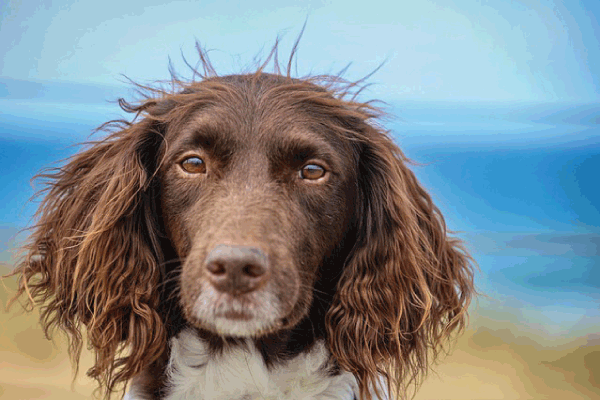
The canine ear canal is shaped like a vertical “L,” which allows debris and moisture to easily become trapped deep inside, creating a warm, damp environment perfect for the growth of bacteria and yeast. Routine, safe cleaning is essential for maintaining health and preventing costly and painful infections.
Section I: Why and How Often to Clean
1. The Importance of Routine Cleaning
- Moisture Control: Removes water trapped after swimming or bathing.
- Wax Removal: Prevents excessive buildup that can block the canal and harbor pathogens.
- Odor and Pain Prevention: Reduces the risk of painful inflammation (otitis externa).
- Early Detection: Provides a regular opportunity to spot signs of infection or parasites (like mites).
2. Determining Cleaning Frequency
The frequency depends heavily on the breed and lifestyle:
| Dog Type | Recommended Frequency | Notes |
|---|---|---|
| Healthy, Erect Ears (e.g., German Shepherds, Chihuahuas) | Every 4–8 weeks | These ears have excellent airflow. |
| Floppy, Heavy Ears (e.g., Basset Hounds, Spaniels) | Every 2–4 weeks | Airflow is restricted, trapping moisture and heat. |
| Dogs with Allergies/Past Infections | Weekly or Bi-weekly | Follow veterinary recommendations, especially during allergy season. |
| After Water Exposure (Swimming, Bathing) | Always clean immediately after | Focus on drying and using an appropriate drying solution. |
Section II: Supplies Checklist
Gathering all necessary items beforehand ensures a smooth and quick process, which is less stressful for your dog.
| Essential Supplies | What to AVOID (Danger Items) |
|---|---|
| Veterinarian-Approved Ear Cleaner: Must be pH balanced, and often contains drying agents like Tris-EDTA. | Q-tips (Cotton Swabs): Pushes debris deeper into the ear canal and can rupture the eardrum. |
| Large Cotton Balls or Pads: Used for wiping the outer ear. | Rubbing Alcohol: Too harsh, causes irritation, and can damage sensitive skin. |
| Soft Towel: For containing the dog and wiping away excess solution. | Hydrogen Peroxide: While it bubbles and appears to clean, it can be irritating and damaging to delicate tissues. |
| High-Value Treats: Crucial for positive reinforcement. | Water Alone: Does not break down wax effectively and can introduce more moisture. |
Section III: The Essential Pre-Check (When to See the Vet)
NEVER clean an ear that is actively infected or injured. Cleaning an already painful or inflamed ear will cause your dog severe discomfort and may drive bacteria deeper.
Thoroughly inspect the ear flap and canal. If you notice any of these signs, stop and schedule a veterinary visit:
| Sign of Infection | Description | Implication |
|---|---|---|
| Strong Odor | A foul, sweet, or cheesy smell. | Indicates yeast or bacterial overgrowth. |
| Redness & Swelling | The inner flap or canal entrance is visibly inflamed or puffy. | Severe irritation or infection requiring medication. |
| Excessive Discharge | Yellow, green, brown, or black discharge (more than just wax). | Active infection or possibly ear mites (black, crumbly discharge). |
| Pain/Sensitivity | Dog whines, pulls away, or growls when the ear is touched. | Indicates severe inflammation or rupture of the eardrum. |
| Head Tilting/Shaking | Persistent shaking or scratching the ear. | Sign the dog is already highly uncomfortable. |
Section IV: Step-by-Step Guide to Safe Ear Cleaning
Safety is paramount. Ensure your dog is comfortable and secure before you begin. It often helps to have a second person gently hold your dog.
Step 1: Secure and Prepare
- Relaxation: Find a quiet, well-lit area. If your dog is small, use a table; if large, sit on the floor, securing the dog between your legs. Give a treat before you start.
- Expose the Ear: Gently lift the ear flap (pinna) to expose the opening of the ear canal.
Step 2: Apply the Cleaning Solution (The “Flood”)
- Holding Technique: Hold the ear canal upright. The tip of the cleaner bottle should be inserted slightly into the entrance of the canal, but never jammed or pushed deep.
- Fill the Canal: Squeeze a generous amount of the cleaning solution into the canal until you see it rising slightly near the opening. (Don’t worry; the L-shape of the ear canal protects the eardrum, provided you do not insert anything rigid.)
Step 3: Massage and Breakdown
- Massage the Base: Keep holding the ear flap up and gently massage the base of the ear (where the ear meets the skull) for 20 to 30 seconds.
- Listen for the Sound: You should hear a distinct “squelching” or bubbling sound. This means the solution is working its way deep into the horizontal canal, breaking up wax and debris.
- Wipe Excess: Use a towel to catch the solution that runs out.
Step 4: Allow the Shake-Out
- Move Away: Step back and let go of your dog’s head.
- The Shake: Allow your dog to shake their head vigorously. This is crucial—the shaking forces the loosened wax and dirty solution out of the deep canal and into the outer ear.
- Clean Up: Be prepared for a spray of discharge!
Step 5: Wipe the Outer Ear
- Use Cotton: Take a dry cotton ball or pad and gently wipe the visible folds and creases of the outer ear flap.
- Only Wipe What You See: Crucially, do not attempt to insert the cotton deep into the canal. The goal is simply to remove the gunk that the massaging and shaking brought to the surface.
- Repeat (If Necessary): If the cotton is still heavily soiled, you may repeat Steps 2-5, but often a single thorough flush is sufficient.
Step 6: Reward
Finish the session with praise, affection, and a high-value treat to ensure your dog associates ear cleaning with a positive experience.
Section V: Prevention and Maintenance Strategies
Preventing infections is easier than treating them. Focus on managing moisture and maintaining good skin health.
1. Moisture Management
- The Post-Swim Flush: If your dog swims frequently, use a specialized veterinary drying solution (often boric acid or vinegar-based) immediately after water activities. This lowers the pH and evaporates excess water.
- Cotton Barrier: Place large cotton balls loosely in the ear canal before a bath to act as a temporary water barrier. Remove them immediately after the bath.
- Thorough Drying: Use a low-heat hairdryer or towel to dry the outside of the ear flap after any bath.
2. Hair Management (Breed Specific)
Some breeds (e.g., Poodles, Schnauzers) grow dense hair deep inside the ear canal. This hair traps wax and debris.
- Plucking Debate: While traditional grooming involves plucking this hair, it can cause micro-trauma leading to inflammation. Discuss this with your veterinarian.
- Trimming: Many professionals now prefer to simply trim the hair at the entrance of the canal rather than plucking, especially if the dog has recurrent infections.
3. Diet and Allergies
Many chronic ear infections are not purely a hygiene issue; they are often a manifestation of an underlying food or environmental allergy.
- If your dog suffers from recurring infections (more than 3 times a year), talk to your vet about:
- Allergy Testing: Identifying environmental triggers (pollen, dust mites).
- Diet Trial: Switching to a novel protein or hydrolyzed diet trial to rule out food sensitivities. When allergies are controlled, chronic ear issues often disappear entirely.
=================================
#DogEarCleaning, #PetHealth, #PreventInfections, #CanineCare, #DogGroomingTips, #EarCareForDogs, #HappyDog, #DogWellness, #PetParents, #DogTips, #HealthyPaws, #PetHygiene, #SafePetCare, #PuppyLove, #VeterinaryAdvice, #DogLifeHacks, #FurryFriends, #PetCare101





Add comment