
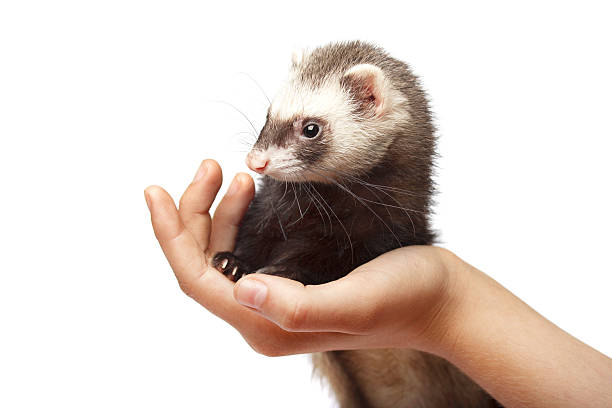
Ferrets are intelligent, curious, and energetic pets that thrive in clean, stimulating environments. As a ferret owner, ensuring your pet’s living space is thoroughly cleaned and sanitized is not just a matter of hygiene — it’s crucial for their long-term health and happiness. A dirty cage can lead to unpleasant odors, the buildup of harmful bacteria, and even serious illnesses such as respiratory infections, urinary tract issues, and gastrointestinal problems. Furthermore, consistent cleanliness contributes to a stronger bond between you and your ferret, as they are more likely to be relaxed and playful in a well-maintained habitat.
This comprehensive guide will walk you through every essential step to effectively clean and sanitize a ferret cage — from the supplies you’ll need, to daily maintenance routines, deep cleaning procedures, odor control strategies, and ongoing sanitation tips. This guide is designed for both new and experienced ferret owners, offering detailed, practical advice that’s easy to follow and highly effective.
Why Cleaning Your Ferret’s Cage is Crucial
Ferrets are naturally clean animals; they often choose a corner of their cage as a designated bathroom area. However, unlike cats, they cannot be fully litter trained outside the cage, and their high metabolism means they eat, drink, and eliminate frequently throughout the day. A ferret may urinate up to 20 times a day and defecate just as often. Without regular cleaning, urine and feces accumulate, leading to ammonia buildup, which can irritate your ferret’s respiratory tract and eyes.
Additionally, food debris, soiled bedding, and shed hair contribute to bacterial and fungal growth. Mold, mildew, and harmful pathogens like E. coli or Salmonella can become breeding grounds in unclean cages. These health hazards are not only dangerous for your ferret but can also pose risks to human family members, especially infants, the elderly, or immunocompromised individuals.
Regular cleaning also helps reduce odors. Ferrets themselves have a natural musky scent, which is intensified by unclean bedding, litter boxes, and leftover food. A clean cage minimizes this smell and makes cohabitation more pleasant for both you and your pet.
Ultimately, caring for your ferret’s cage is an essential aspect of responsible pet ownership. It reflects your commitment to their well-being and ensures a hygienic, safe, and enjoyable environment.
Step 1: Gather Your Cleaning Supplies
Before beginning any cleaning or sanitizing routine, it’s vital to have the right tools and products on hand. Using inappropriate cleaners can be dangerous for your ferret, as their sensitive respiratory systems and grooming habits (they often lick their paws and fur, potentially ingesting residue) make them vulnerable to chemical exposure.
Essential Cleaning Supplies:
- Pet-Safe Cleaner or Mild Dish Soap
Use fragrance-free, dye-free dish soap (like Dawn Original) diluted in water. Avoid cleaners with bleach, ammonia, or phenols, as these are toxic to small animals. - White Vinegar (5% Acetic Acid Solution)
A natural disinfectant that neutralizes odors and breaks down mineral deposits. Mix equal parts vinegar and water for an effective, non-toxic cleaning solution. - Baking Soda
Helps deodorize bedding, litter, and cage surfaces. Mix it with water to create a gentle scrubbing paste. - Microfiber Cloths
Ideal for wiping down surfaces without leaving lint or scratches. - Soft-Bristled Brushes or Sponges
Use for scrubbing corners, bars, and nooks without damaging plastic or metal parts. - Spray Bottles
For applying cleaning solutions evenly. - Disposable Gloves
Protect your hands from bacteria and cleaning agents. - Trash Bags
For disposing of soiled bedding, waste, and paper towels. - Vacuum Cleaner with Hose Attachment
Useful for removing hair, food crumbs, and debris from hard-to-reach areas. - Drying Rack or Towels
Allow parts to air dry completely before reassembly; avoid using towels that shed lint. - Litter Scoop
For daily removal of soiled litter. - Replacement Bedding and Litter
Always have fresh supplies ready.
Note: Never use pine or cedar shavings as bedding — they release aromatic hydrocarbons that can damage your ferret’s liver and lungs. Opt for paper-based, fleece, or aspen bedding instead.
Step 2: Daily Maintenance Routine
Daily cleaning prevents waste buildup and helps manage odors. While a full cage cleaning may be done weekly or bi-weekly, consistent daily maintenance is equally important.
Daily Tasks:
- Scoop the Litter Box
Ferrets typically use a corner of the cage as a bathroom. Remove solid waste at least once, preferably twice a day. Use a small litter scoop or spoon to transfer soiled litter into a sealed trash bag. - Replace Wet or Soiled Bedding
Check all bedding (blankets, hammocks, sleeping sacks) for urine or feces. Replace any soiled pieces with fresh, clean ones. Rotate multiple bedding sets to ensure availability. - Clean Food and Water Dishes
Wash bowls daily with warm water and mild dish soap. Rinse thoroughly and dry before refilling. Ferrets often spill food and dip paws into water — spilled kibble breeds mold and bacteria quickly. - Inspect Toys and Chew Items
Remove toys from the cage and wipe them down with a damp microfiber cloth. Discard any that show signs of damage or excessive wear. - Wipe Down Cage Bars and Surfaces
Use a diluted vinegar solution (1:1 vinegar and water) in a spray bottle to mist accessible bars and ledges. Wipe clean with a cloth. This helps reduce odor-causing residues. - Refill Fresh Food and Water
Provide only as much fresh food as your ferret will consume in 12 hours to prevent spoilage. Always use filtered or bottled water if tap water quality is questionable. - Check for Urine Stains or Smells
If you notice persistent smells or dark spots, spot-clean immediately using a baking soda paste (mix 3 parts baking soda with 1 part water). Let sit for 5–10 minutes before wiping.
Step 3: Weekly Deep Cleaning Procedure
A full cage cleaning should be performed every 7–10 days, depending on the number of ferrets and cage size. This eliminates deeply embedded bacteria, neutralizes odors, and ensures a sterile environment.
Step-by-Step Deep Clean:
1. Remove Your Ferret Safely
Place your ferret in a secure playpen, exercise ball, or supervised room while cleaning. Never leave them unattended outside the cage during this process. Offer a toy or treat to keep them calm.
2. Empty the Entire Cage
Remove all bedding, toys, food bowls, water bottles, litter boxes, hammocks, tunnels, and ramps. Place them in separate bins or on a clean surface for individual cleaning.
3. Remove Large Debris
Use paper towels or a vacuum with a hose attachment to pick up loose fur, food crumbs, and feces from the cage bottom and corners.
4. Disassemble Cage Components (If Possible)
If your cage has removable shelves, ramps, or trays, detach them to allow thorough cleaning. Avoid forcing parts that aren’t designed to be taken apart.
5. Pre-Rinse with Lukewarm Water
Use a sink, bathtub, or garden hose to rinse large parts under lukewarm water. This removes surface grime before applying cleaner.
6. Soak Plastic and Metal Parts in Cleaning Solution
Fill a bathtub or large container with warm water and a mild dish soap solution (1 tablespoon per gallon of water). Submerge plastic shelves, trays, and ramps for 10–15 minutes. For metal bars or wire components, avoid prolonged soaking to prevent rust.
7. Scrub All Surfaces
Use soft brushes or sponges to scrub every part, paying special attention to crevices, corners, and joints. Use a toothbrush for hard-to-reach areas. For stubborn urine stains, apply a paste of baking soda and water, let sit for 10 minutes, then scrub again.
8. Clean Litter Box Thoroughly
Empty waste, rinse with water, and scrub with vinegar solution or pet-safe disinfectant. Rinse thoroughly. For plastic boxes, you may soak them in diluted vinegar (1:1) for 15 minutes to eliminate odors.
9. Wash Bedding and Fabrics
Machine-wash fleece liners, hammocks, and cloth toys in hot water (at least 140°F) using unscented, hypoallergenic detergent. Avoid fabric softeners and dryer sheets — they leave chemical residues. Dry on high heat or line dry in sunlight for natural disinfection.
10. Sanitize Food and Water Containers
Soak bowls and water bottles in a vinegar solution for 10 minutes. Use a bottle brush to scrub the inside of sipper tubes. Rinse thoroughly with clean water.
11. Wipe Down Cage Structure
Spray wire bars and cage walls with vinegar solution or pet-safe disinfectant. Wipe with microfiber cloth. Never use bleach unless absolutely necessary (see sanitizing section below).
12. Allow All Components to Dry Completely
Drying is critical. Moisture promotes mold and mildew. Place parts on a drying rack in a well-ventilated area. Sunlight helps kill bacteria and deodorize naturally. Never reassemble a damp cage.
13. Reassemble the Cage
Begin with placing clean trays or liners at the bottom. Reattach shelves, ramps, and perches. Add fresh bedding, refill food and water, and place cleaned toys back in designated areas.
14. Refill Litter Box with Fresh Litter
Use a ferret-safe, low-dust, non-clumping litter like paper-based pellets or recycled newspaper. Avoid clay, clumping, or silica-based litters — these can cause intestinal blockages if ingested.
15. Return Your Ferret Gently
Let your ferret explore the clean cage at their own pace. Monitor their behavior for signs of stress or discomfort.
Step 4: Sanitizing for Extra Protection
While regular cleaning removes visible dirt, sanitizing eliminates harmful microorganisms that aren’t visible to the naked eye. Sanitization should be performed monthly, or more frequently if your ferret has been ill or if you’ve introduced a new pet.
Safe Sanitizing Methods:
- Diluted Bleach Solution (Use with Caution)
Mix 1 tablespoon of unscented household bleach per gallon of water. Apply to non-porous surfaces like plastic trays, metal bars, or glass. Allow contact time of 5–10 minutes, then rinse thoroughly with clean water. Air dry completely.
Never mix bleach with vinegar or ammonia — this creates toxic chlorine gas. - White Vinegar and Hydrogen Peroxide (Non-Toxic Alternative)
Use vinegar as a pre-cleaner, then follow with 3% hydrogen peroxide on hard surfaces. Let sit 5 minutes, then rinse. This combo is effective against bacteria and viruses. - Steam Cleaning (For Fabric Bedding and Rugs)
A handheld steam cleaner can sanitize ferret hammocks, fleece liners, and soft toys without chemicals. The high temperature kills bacteria, mites, and mold. - UV-C Light Sanitizers
These portable devices emit germicidal ultraviolet light. Use on cage bars, food bowls, and toys after cleaning. Avoid direct exposure to ferrets or eyes. - Ozone Generators (Use with Caution)
Ozone can deodorize and disinfect air and surfaces, but ferrets must be removed from the entire room during treatment due to lung sensitivity. Ventilate thoroughly afterward.
Step 5: Odor Control Strategies
Even with regular cleaning, odors can persist if not addressed properly. Here are proven methods to keep your ferret’s cage smelling fresh:
- Choose the Right Litter
Paper-based or pelleted litters absorb moisture and reduce ammonia smell. Avoid scented litters — artificial fragrances irritate ferret lungs. - Use Baking Soda in Litter
Sprinkle a thin layer of baking soda at the bottom of the litter box before adding litter. It neutralizes odors naturally. - Ventilate the Room
Keep the room where the cage is located well-ventilated. Use an air purifier with a HEPA filter to capture dust, dander, and odor particles. - Avoid Overfeeding
Excess food leads to waste and spoiled kibble, which increases smell. Feed measured portions and remove uneaten food after 6–8 hours. - Clean Under and Around the Cage Weekly
Dirt and spills often accumulate beneath or around the cage. Wipe the floor with vinegar solution and vacuum nearby areas. - Rotate Bedding Frequently
Have 3–4 sets of washable bedding and rotate them daily. This prevents odor buildup. - Clean the Entire Cage Area Monthly
Move the cage and clean the wall and floor behind it. Ferret urine can seep into carpet or wood, causing long-term odor issues.
Step 6: Special Considerations
Multiple Ferrets
Housing multiple ferrets increases waste production and cleaning frequency. For two or more ferrets, perform deep cleaning every 5–7 days. Use larger litter boxes and ensure each ferret has its own sleeping area.
Sick Ferrets
If your ferret is recovering from illness (especially gastrointestinal or respiratory), increase cleaning frequency to every 3–4 days. Sanitize the cage and all accessories using a vet-approved disinfectant (ask your veterinarian for recommendations). Isolate sick ferrets if possible.
Outdoor Cages
Outdoor enclosures face additional challenges — rain, sun exposure, insects, and wild animals. Use weather-resistant materials and cover the cage during bad weather. Clean daily and disinfect weekly to prevent mold and bacterial growth. Ensure the cage is elevated off the ground to avoid dampness.
Travel or Temporary Housing
For carriers or travel cages, clean after every use. Use disposable liners for easy cleanup. Sanitize with vinegar or pet-safe wipes.
Step 7: Preventive Maintenance Tips
- Use Cage Liners
Waterproof, reusable liners (like fleece or rubber-backed pads) make cleanup easier and protect the cage floor. - Install a Drip Tray
Positioned under the cage, this collects urine and spills, protecting floors and simplifying cleaning. - Use Litter Box Corner Guards
These plastic or silicone edges fit into cage corners to prevent litter scattering and contain waste. - Feed in a Designated Area
Use a feeding station with a small tray to minimize food spills. Feed high-quality, digestible ferret food to reduce stool volume and odor. - Groom Your Ferret Regularly
Brush your ferret 1–2 times weekly to reduce shedding. Bathe only when necessary (every 2–3 months) to avoid stripping natural oils. Clean ears monthly with a vet-approved solution. - Monitor Diet
Ferrets are obligate carnivores. A diet high in carbohydrates or poor-quality kibble leads to smelly stools and softer feces. Choose food with at least 35% protein and 20% fat from animal sources.
Step 8: Troubleshooting Common Cleaning Issues
Issue: Persistent Odor Despite Cleaning
- Cause: Urine soaked into wood, carpet, or porous materials.
- Solution: Use an enzymatic pet odor remover (safe for ferrets) on affected areas. Replace any wooden or fabric parts that retain smell.
Issue: Mold in Corners or Under Ramps
- Cause: Moisture buildup from spilled water or urine.
- Solution: Increase ventilation, clean more frequently, and use a dehumidifier if needed. Disinfect with vinegar or diluted bleach (rinsed thoroughly).
Issue: Ferret Avoids Clean Cage
- Cause: Loss of familiar scent; stress from change.
- Solution: Place a familiar blanket or toy inside before returning your ferret. Avoid overusing strong cleaners — stick to mild, non-scented options.
Issue: Litter Tracks Everywhere
- Cause: Litter clings to paws and fur.
- Solution: Use larger litter particles (like paper pellets), place a litter mat under cage exits, or install a litter tray exit tunnel.
Step 9: Safety Precautions During Cleaning
- Never Mix Cleaning Chemicals
Combining vinegar and bleach creates chlorine gas, which is deadly. Stick to one cleaning agent at a time. - Wear Gloves and a Mask
Protect yourself from allergens, bacteria, and airborne dust. - Rinse Thoroughly
Any residue from soap or disinfectants can harm your ferret. Rinse until water runs clear. - Avoid Aerosol Sprays
Use pump sprays instead of aerosols to minimize inhalation risk. - Keep Cleaning Supplies Out of Reach
Store all cleaners, detergents, and tools in a locked cabinet.
Step 10: Establishing a Cleaning Schedule
Consistency is key. Here’s a sample cleaning schedule for optimal ferret cage hygiene:
| Frequency | Task |
|---|---|
| Daily | Scoop litter, replace soiled bedding, clean food/water bowls, wipe bars, refill supplies |
| Every 2–3 Days | Spot clean corners, rotate bedding, vacuum cage base |
| Weekly (7–10 Days) | Full cage deep clean, wash all bedding, sanitize accessories |
| Monthly | Sanitize cage structure, inspect for wear, clean room around cage, steam-clean fabrics |
| As Needed | Replace damaged toys, deep clean after illness, disinfect after new pet introduction |
Use a calendar or phone reminder to stay on track. Enlist family members to share responsibilities.
Final Thoughts: A Clean Cage Equals a Happy Ferret
Maintaining a clean and sanitized ferret cage is a cornerstone of responsible pet care. While it may seem time-consuming at first, establishing a routine makes it manageable and even rewarding. A clean cage not only prevents disease and reduces odor but also enhances your ferret’s quality of life. Your ferret will be more active, playful, and affectionate in a hygienic environment.
Remember, cleaning isn’t just about aesthetics — it’s a direct reflection of your love and commitment to your pet’s health. By following this comprehensive guide, you’re ensuring that your ferret thrives in a safe, fresh, and comfortable home.
Invest in quality supplies, stay consistent with your schedule, and always prioritize your ferret’s safety when using cleaning products. With patience and dedication, you’ll create a living space that keeps both you and your furry friend happy for years to come.
#FerretCare, #FerretCageCleaning, #CleanFerretHome, #FerretHygiene, #FerretLife, #FerretOwnerTips, #FerretHealth, #FerretCageMaintenance, #FerretCleaningRoutine, #FerretOdorControl, #FerretSanitizing, #PetCareTips, #FerretLitterBox, #FerretBedding, #FerretHabitat, #FerretDailyCare, #FerretSafety, #FerretCleaningGuide, #HappyFerrets, #FerretLivingSpace, #SmallPetCare, #FerretMom, #FerretDad, #FerretCleanHome, #FerretWellness, #FerretLifeStyle, #FerretVibes, #FerretsOfInstagram, #FerretYouTube, #FerretCommunity
Add comment