
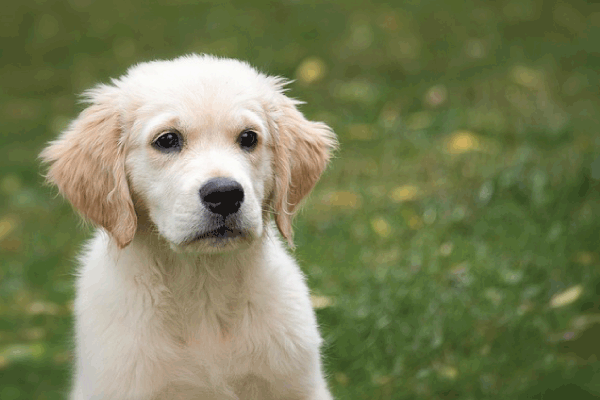
Coprophagia, the act of eating feces, is a common and often concerning behavior in puppies. While it can be unsettling for owners, it’s crucial to understand that in most cases, it’s not a sign of aggression or a deep-seated behavioral issue. Instead, it often stems from curiosity, learned behavior, or nutritional deficiencies. Fortunately, with patience, consistent training, and a multi-faceted approach, coprophagia can be effectively managed and often resolved. This guide will delve into understanding the causes and provide a comprehensive training strategy to help your puppy overcome this habit.
Understanding the “Why” Behind Coprophagia
Before diving into training, understanding the potential reasons behind your puppy’s behavior is essential. This knowledge will inform your approach and help you address the root cause.
- Curiosity and Exploration: Puppies explore the world with their mouths. Feces, especially their own or their mother’s, can be an interesting texture and scent for them to investigate.
- Learned Behavior:
- From Mother: Mother dogs often clean up their puppies’ waste, and puppies may mimic this behavior.
- From Other Dogs: Puppies can learn by observing other dogs engaging in coprophagia.
- Attention Seeking: If a puppy receives a lot of attention (even negative attention like scolding) when they eat feces, they may learn to do it for the reaction.
- Nutritional Deficiencies or Malabsorption:
- Undigested Nutrients: If a puppy’s diet is not being fully digested or absorbed, the feces may still contain appealing nutrients, making them attractive. This can be due to poor quality food, parasites, or underlying medical conditions.
- Lack of Specific Nutrients: In some cases, a lack of certain enzymes or nutrients might lead to the behavior.
- Medical Conditions:
- Parasites: Intestinal parasites can interfere with nutrient absorption, making feces more appealing.
- Digestive Issues: Conditions like exocrine pancreatic insufficiency (EPI) can lead to malabsorption and undigested food in stool.
- Diabetes or Cushing’s Disease: These conditions can increase appetite, leading to scavenging behavior.
- Boredom and Stress: A bored, understimulated, or anxious puppy may engage in coprophagia as a way to self-soothe or occupy themselves.
- To Remain Clean: In small living spaces, a puppy might eat their feces to avoid being punished for soiling their den.
- Appetite Stimulants: Certain medications can increase a puppy’s appetite.
The Puppy Training Strategy: A Multi-Pronged Approach
Successfully addressing coprophagia requires a combination of management, training, and sometimes, veterinary intervention.
1. Management is Key: Prevention is Better Than Cure
The most effective way to stop coprophagia is to prevent your puppy from having the opportunity to practice the behavior.
- Immediate Cleanup: This is paramount. As soon as your puppy defecates, clean it up immediately. Don’t give them a chance to investigate or consume it. This means closely supervising them during potty breaks and being ready with a poop bag.
- Leash Supervision: Keep your puppy on a leash in areas where they might encounter feces (your yard, dog parks, etc.) until you are confident in their reliability. This allows you to quickly redirect them.
- Secure Your Yard: Ensure your fence is secure to prevent strays from entering and leaving feces, and regularly patrol your yard for any droppings.
- Dietary Management:
- High-Quality Food: Feed a high-quality, easily digestible puppy food. Consult your veterinarian for recommendations based on your puppy’s breed, age, and activity level.
- Consistent Feeding Schedule: Feed your puppy at regular intervals. This can help predict when they will need to defecate, making cleanup easier.
- Avoid Dog Parks Until Resolved: While tempting, dog parks can be a minefield of feces. It’s best to avoid them until your puppy has overcome this habit.
2. Training Techniques: Teaching the “Leave It” and “Come” Commands
These commands are invaluable for redirecting your puppy away from feces.
- The “Leave It” Command:
- Objective: To teach your puppy to ignore and walk away from something undesirable.
- Method:
- Start with a high-value treat in your closed fist. Let your puppy sniff and lick your hand.
- When they stop trying to get the treat and back away, say “Yes!” and give them a different, even better treat from your other hand.
- Repeat this several times.
- Progress to placing a treat on the floor and covering it with your hand. Say “Leave it.” When they stop pawing or licking, reward them with a treat from your other hand.
- Gradually increase the difficulty by leaving the treat uncovered for short periods, always rewarding them for looking away from the treat and focusing on you.
- Once they master this with treats, start practicing with less desirable items, eventually moving to less appealing “finds” in your yard.
- Application to Coprophagia: When your puppy shows interest in feces, use a firm “Leave it!” If they disengage, reward them generously with a high-value treat and praise.
- The “Come” (Recall) Command:
- Objective: To ensure your puppy will come to you immediately when called, especially when they are about to ingest feces.
- Method:
- Start in a quiet environment. Call your puppy’s name followed by “Come!”
- As they approach, make an enthusiastic fuss, use happy tones, and reward them with a treat and praise.
- Gradually increase the distance and distractions.
- Application to Coprophagia: If you see your puppy heading towards feces, call them to you with your “Come” command. Reward them heavily when they arrive, diverting their attention from the feces.
3. Redirection and Positive Reinforcement
- Interrupt and Redirect: If you catch your puppy in the act or about to start, interrupt the behavior with a sharp, but not frightening, noise (a quick clap, a short “Ah-ah!”). Immediately redirect their attention by calling them to you, asking for a simple command like “sit,” or engaging them in play with a toy. Reward them for shifting their focus.
- Positive Association with Potty Breaks: Make potty breaks a positive experience. When they eliminate outside, praise them enthusiastically and give them a special treat immediately after they finish. This reinforces “going potty outside” as a good thing, rather than a precursor to something they shouldn’t do.
- Provide Sufficient Mental and Physical Stimulation: A bored puppy is more likely to engage in undesirable behaviors. Ensure your puppy gets enough exercise, playtime, and mental challenges through puzzle toys, training sessions, and interactive games.
4. Addressing Potential Underlying Issues (with Veterinary Guidance)
- Veterinary Check-up: This is crucial. Rule out any medical causes. Your vet can
- Perform a fecal exam: To check for intestinal parasites.
- Discuss diet: Assess if your puppy’s current food is appropriate and satisfying their nutritional needs.
- Recommend supplements: In some cases, digestive enzymes (like those found in Prozyme or similar products) or probiotics might be suggested to improve digestion and nutrient absorption.
- Investigate other medical conditions: If suspected.
- Dietary Adjustments: Based on your vet’s recommendations, you might need to switch to a different food, add supplements, or adjust feeding portions.
- Taste Aversion Products: There are commercially available products that can be added to your puppy’s food or sprinkled on feces (if you can get to it before they do) that are designed to make the feces taste unpleasant. Examples include For-Bid-It! or Potty Mouth. Important Note: These are best used in conjunction with other training methods, as they are not always 100% effective and don’t address the root cause. Some puppies can become accustomed to the taste or even target feces that haven’t been treated.
5. What NOT to Do
- Punishment: Scolding, hitting, or rubbing your puppy’s nose in their feces is counterproductive. It creates fear and anxiety, can make them hide their behavior, and doesn’t teach them what you want them to do. They may learn to eat feces faster to avoid punishment.
- Ignoring the Problem: Coprophagia rarely resolves on its own. Persistent neglect can lead to it becoming a deeply ingrained habit.
- Overly Harsh Methods: Avoid any training methods that could be perceived as cruel or traumatizing.
Consistency and Patience
Addressing coprophagia is a marathon, not a sprint. It requires unwavering consistency in your management and training efforts. Every time your puppy has the opportunity to eat feces and you successfully prevent it or redirect them, you are reinforcing positive behavior. Be patient with your puppy and yourself. Celebrate small victories and don’t get discouraged by occasional setbacks.
When to Seek Professional Help
If you’ve tried the above strategies consistently for several weeks and are not seeing improvement, or if your puppy’s coprophagia is severe or accompanied by other concerning behaviors, it’s time to consult a professional.
- Certified Professional Dog Trainer (CPDT-KA or CPDT-KSA): A qualified trainer can assess your puppy’s specific situation and provide tailored training plans.
- Veterinary Behaviorist (DACVB): For more complex cases or if you suspect significant anxiety or compulsive behaviors, a veterinary behaviorist is the best resource.
By combining diligent management, positive reinforcement training, a healthy diet, and a strong partnership with your veterinarian, you can help your puppy overcome coprophagia and enjoy a healthier, happier life.
#Coprophagia #PuppyTraining #DogBehavior #DogTraining #PuppyProblems #BehavioralIssues #CanineBehavior #DogTips #PuppyCare #PositiveReinforcement #DogHealth #HouseTraining #PuppyBehavior #FecesEating #DogTrainer #VeterinaryAdvice #DogCoach #PuppyLife #SolvingCoprophagia #DogEducation





Add comment