
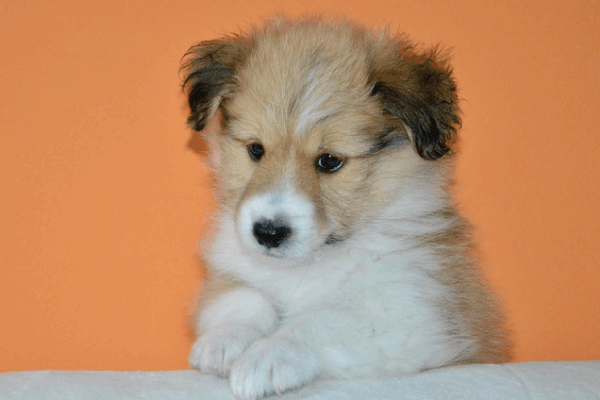
Digging is an innate, instinctual behavior for dogs, and puppies are no exception. While it’s perfectly natural, uncontrollable digging can quickly become frustrating for owners, whether it’s the prized rose bush being uprooted or the carpet being shredded. This guide will delve into the reasons behind puppy digging and provide practical, humane solutions for both indoor and outdoor scenarios.
Understanding Why Puppies Dig
Before we can effectively address digging, we need to understand its root causes. Puppies dig for a variety of reasons, often related to their natural instincts and environmental influences:
- Boredom and Excess Energy: This is perhaps the most common reason. Puppies have a lot of pent-up energy and, if not provided with sufficient physical and mental stimulation, will find their own (often destructive) outlets. Digging can be a way to expend this energy and keep themselves entertained.
- Instinctual Behavior: Dogs are descended from wolves and other wild canids, many of whom excavate dens for shelter, to store food, or to escape the heat or cold. This ancestral drive can manifest as digging.
- Seeking Comfort or Security: Some puppies may dig to create a cozy spot to rest or to feel more secure. This is particularly true if they are feeling anxious or stressed.
- Hunting Prey: Small prey animals like moles, voles, and insects live underground. A puppy with a strong prey drive might dig in an attempt to catch these creatures.
- Escape Artists: If a puppy feels confined or is trying to get to something outside their enclosure, digging can be an attempt to escape.
- Temperature Regulation: Just like their wild ancestors, puppies might dig to find cooler earth during hot weather or to burrow into warmer soil during colder months.
- Attention Seeking: If a puppy learns that digging gets them attention from their owner (even if it’s negative attention), they may continue the behavior.
- Teething and Exploration: Young puppies explore the world with their mouths and paws. Digging can be a way for them to investigate textures and investigate their surroundings.
- Burial of Valuables: Some dogs instinctively bury items they deem precious, like toys or bones, for safekeeping.
Solving Outdoor Digging Problems
Outdoor digging can affect your garden, lawn, or flowerbeds. Here’s how to tackle it:
1. Provide Sufficient Physical and Mental Stimulation
- Exercise: Ensure your puppy is getting enough daily exercise. This includes walks, runs, fetch, and playtime. A tired puppy is a less destructive puppy.
- Mental Enrichment: Engage your puppy’s mind with puzzle toys, obedience training sessions, scent games (like hiding treats), and learning new tricks. Aim for at least 15-30 minutes of dedicated mental stimulation daily.
2. Designate a Digging Zone
- Create a Sandbox: If your puppy loves to dig, give them a designated place where it’s acceptable. A child’s sandbox or a large planter filled with sand can be a great solution.
- Make it Appealing: Bury favorite toys or treats in the sand-filled pit to encourage your puppy to dig there. Praise them enthusiastically when they use it.
- Redirect: When you catch your puppy digging elsewhere, gently interrupt them and redirect them to their designated dig zone, showering them with praise when they engage with it.
3. Make Unwanted Digging Spots Unappealing
- Bury Rocks or Chicken Wire: For flowerbeds or areas you want to protect, bury chicken wire (with the sharp edges folded under) or large, smooth rocks just below the surface of the soil. This makes digging uncomfortable and difficult.
- Use Unpleasant Smells: Some dogs dislike strong citrus scents. You can scatter orange or lemon peels around the areas you want to protect. There are also commercially available deterrent sprays, but ensure they are safe for your puppy and plants.
- Physical Barriers: Use temporary fencing, garden netting, or large decorative rocks to block off vulnerable areas.
4. Address Underlying Causes
- Boredom: If boredom is the culprit, increase playtime and training.
- Anxiety/Stress: If digging seems linked to anxiety (e.g., when you leave the house), consult a veterinarian or a certified professional dog trainer for strategies to manage separation anxiety.
- Prey Drive: If your puppy is chasing rodents, work on impulse control and “leave it” commands.
5. Supervision and Interruption
- Supervise Outdoor Time: Young puppies should be supervised when they are in the yard, especially if they have a history of digging.
- Gentle Interruption: If you see your puppy digging in an unwanted spot, interrupt them with a calm “no” or a clap of your hands. Immediately redirect them to an acceptable activity or toy. Avoid yelling or punishing, as this can create fear and anxiety.
Solving Indoor Digging Problems
Indoor digging is less common but can be equally frustrating, often involving carpets, couches, or bedding.
1. Address the Root Cause First
- Boredom/Excess Energy: This is the most likely cause of indoor digging. Ensure your puppy is getting enough physical and mental stimulation throughout the day. A puppy that has had a good walk and a training session is less likely to chew or dig furniture.
- Anxiety/Stress: If indoor digging occurs when the puppy is left alone, it could be a sign of separation anxiety. Consult a professional for guidance.
- Teething: For very young puppies, teething discomfort can lead to chewing and digging. Provide appropriate chew toys.
2. Provide Appropriate Chew and Dig Toys
- Variety of Textures: Offer a range of chew toys with different textures. Some dogs enjoy soft plush toys, while others prefer harder rubber toys or edible chews.
- Interactive Toys: Puzzle feeders and treat-dispensing toys can keep your puppy engaged and satisfy their need for mental stimulation.
- “Dig” Toys: For puppies with a strong digging instinct, consider introducing a soft blanket or a small digging box indoors (e.g., a shallow tray filled with crumpled paper or safe fabric scraps). Bury small treats within it to encourage “digging” for rewards.
3. Puppy-Proof Your Home
- Remove Temptations: Until your puppy learns appropriate behavior, temporarily remove anything they are prone to digging at from their reach. This might include cushions, blankets, loose rugs, or electrical cords.
- Crate Training: Crate training can be an invaluable tool for preventing destructive digging when you cannot supervise. Ensure the crate is a positive space for your puppy.
4. Management and Redirection
- Close Doors: Keep doors to rooms with tempting digging surfaces closed when you’re not actively supervising your puppy.
- Gentle Redirection: If you catch your puppy digging indoors, interrupt them with a mild sound (e.g., a gentle “ah-ah”) and immediately offer them an appropriate chew toy or engage them in play.
5. Seek Professional Help
- Veterinarian: Rule out any underlying medical issues.
- Certified Professional Dog Trainer (CPDT) or Veterinary Behaviorist: If the digging is severe, persistent, or accompanied by other behavioral issues, a professional can help identify the specific cause and develop a tailored training plan.
Important Considerations
- Consistency is Key: Whatever methods you choose, be consistent in your approach. All family members should be on the same page.
- Patience: Changing ingrained puppy behaviors takes time and patience. Don’t get discouraged if you don’t see results overnight.
- Positive Reinforcement: Focus on rewarding desired behaviors (e.g., playing with toys, using the designated dig zone) rather than solely punishing unwanted actions. Positive reinforcement builds a stronger bond and is more effective long-term.
- Avoid Punishment: Punishing your puppy for digging, especially after the fact, is ineffective and can damage your relationship. Dogs don’t understand punishment for something they did hours ago.
- Age and Breed: Consider your puppy’s age and breed. Some breeds are naturally more prone to digging than others. Younger puppies are also still learning boundaries.
By understanding the reasons behind your puppy’s digging and implementing consistent, positive training strategies, you can successfully manage and redirect this instinctual behavior, leading to a happier puppy and a more harmonious home.
#puppydigging #dogtrainingtips #puppygram #dogsofinstagram #behavioralissues #puppytraining #doglover #doggo #instadog #puppylife #dogadvice #homeimprovement #gardenpests #cleandog #happyhound #canineeducation #puppydiary #dogtrainerlife #petparent, #puppydigging #howtostoppuppydigging #dogtraining #puppytraining #dogbehaviorproblems #indoorpuppydigging #outdoordogtraining #dogdigging #puppytips #dogowner #petcare #caninebehavior #dogtrainingadvice #positivechien #doghelp #DIYdogtraining #puppysolutions #dogtrainer #puppychannel







Add comment