
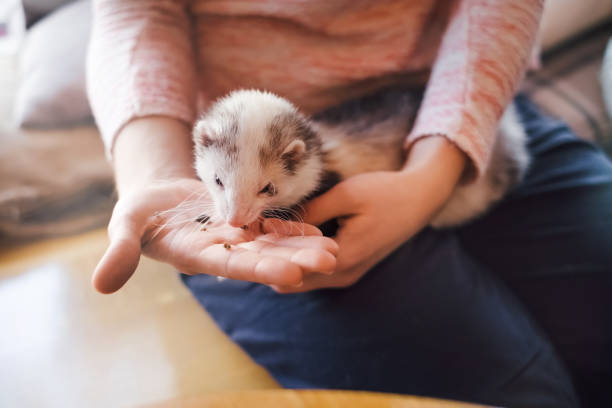
Ferrets (Mustela putorius furo) are highly sensitive to extremes in temperature. Unlike many common household pets, their physiological adaptations make them particularly susceptible to both overheating and excessive chilling. As obligate carnivores with a high metabolism and a body structure optimized for short bursts of activity, ferrets have a narrow range of environmental temperatures in which they thrive.
Understanding the subtle signs of thermoregulatory distress is crucial for ferret ownership, as both hypothermia (being too cold) and hyperthermia (being too hot, or heat stroke) can rapidly become life-threatening emergencies. This comprehensive guide details the physiological reasons for their vulnerability, the specific signs and stages of temperature imbalance, and the critical first aid protocols required for stabilization.
I. FERRET PHYSIOLOGY AND THERMOREGULATORY BASICS
Ferrets maintain a normal body temperature typically ranging between 100°F and 103°F (37.8°C to 39.4°C). Their primary challenges in temperature regulation stem from two key factors:
- Inefficient Sweating: Ferrets possess very few functional sweat glands, primarily concentrated around their footpads. They cannot cool down through evaporative cooling like humans or dogs (panting is less effective for ferrets than for canids).
- Dense Coat (Winter/Summer Cycles): While their thick coat provides exceptional insulation against the cold, it becomes a major liability in warm weather, trapping heat close to the body core.
- High Metabolic Rate: Their high metabolism generates a significant amount of internal heat, which they must constantly dissipate.
The Ideal Ambient Temperature Range for ferrets is commonly cited between 60°F and 75°F (15.5°C and 24°C). Temperatures outside this range demand constant vigilance.
II. THE COLD THREAT: HYPOTHERMIA IN FERRETS
Hypothermia is a dangerous drop in the ferret’s core body temperature, usually occurring when the ambient temperature is too low for prolonged periods, or when a ferret has suffered extreme stress, illness, or shock. While ferrets can tolerate cold better than heat due to their thick fur and ability to shiver, sustained exposure below 50°F (10°C) is dangerous, especially for sick, elderly, or young animals.
A. Causes and Risk Factors for Hypothermia
- Environmental Exposure: Being left outside in unheated hutches during winter, exposure to drafty windows, or staying in unheated basements or garages.
- Wet Conditions: A ferret becoming wet (from bath water, spills, or being outside) loses body heat exponentially faster due to the loss of the insulating properties of its fur.
- Shock or Illness: Severe infections, internal trauma, or metabolic diseases (like insulinoma, a common ferret disease causing low blood sugar) can compromise the body’s ability to generate or maintain heat.
- Anesthesia: Ferrets undergoing surgical procedures are highly susceptible to anesthetic-induced hypothermia, necessitating careful thermal support during and after the procedure.
- Malnutrition/Low Blood Sugar (Hypoglycemia): Glucose is the primary fuel source for heat generation. Ferrets suffering from poor diet or insulinoma may lack the energy stores needed to shiver effectively.
B. Detailed Symptoms of Hypothermia (Stages of Cooling)
Recognizing the stage of cooling is vital for determining the urgency of intervention.
1. Mild Hypothermia (95°F – 99°F / 35°C – 37.2°C)
- Shivering: The most immediate and noticeable response. Shivering is the body’s attempt to generate heat through rapid muscle contractions.
- Lethargy and Slowness: The ferret may seem unduly tired or move slowly, seeking out dark, warm corners of the cage.
- Cool to the Touch (Extremities): Ears, feet, and the tip of the tail may feel noticeably cooler than the body trunk.
- Increased Tucking/Curling: The ferret will adopt a tight curl or ball, attempting to minimize surface area exposed to the cold.
2. Moderate Hypothermia (90°F – 95°F / 32.2°C – 35°C)
- Cessation of Shivering: This is a critical danger sign. Once the core temperature drops too low, the body loses the energy reserves necessary to shiver, leading to a much faster drop in temperature.
- Waxy or Pale Gums: Reduced circulation as the body pulls blood toward the essential core organs.
- Stiff Gait/Muscle Stiffness: Coordination decreases; the ferret may appear drunk or stumble.
- Shallow Respiration: Breathing becomes slow and minimal.
- Drowsiness/Semi-Consciousness: Difficulty arousing the ferret.
3. Severe Hypothermia (Below 90°F / 32.2°C)
- Unconsciousness/Coma: The ferret is unresponsive to external stimuli.
- Rigid Muscles: Severe muscle stiffening.
- Extremely Slow Heart Rate (Bradycardia): Pulse and respiration are barely detectable.
- Fixed and Dilated Pupils: A sign of severe neurological compromise.
- Ice Cold Body Core: The ferret feels universally cold and clammy to the touch. This is a life-threatening emergency requiring immediate veterinary attention.
C. Immediate First Aid and Warming Protocols
The primary goal of first aid for hypothermia is gradual, controlled warming. Rapid warming can cause peripheral vasodilation (widening of blood vessels), leading to a rapid drop in blood pressure, shock, and potentially fatal cardiac arrest.
Step 1: Isolate and Dry If the ferret is wet, gently but thoroughly towel-dry it immediately. Wrap the dry ferret in a thick, dry towel or blanket.
Step 2: Apply Controlled Heat Sources Place the wrapped ferret in a heated environment. Use indirect heat sources:
- SnuggleSafe Disk or Rice Sock: Heat a specialized microwave disc or a sock filled with rice/beans and place it next to the ferret, ensuring a barrier (e.g., the towel) is always between the heat source and the ferret’s skin to prevent burns.
- Warm Water Bottle: Fill a water bottle with moderately warm (not hot) water and wrap it heavily in cloth before placing it near the ferret’s torso.
- Body Heat: If no other source is available, hold the ferret securely against your own body, under a layer of clothing.
Crucial Warning: Never use electric heating pads (unless specifically designed for pets and set on the absolute lowest setting and heavily cushioned), heat lamps, or hair dryers, as these deliver uneven, excessive heat that can cause severe burns (thermal injury is common in hypothermic animals who cannot move away from hot sources).
Step 3: Provide Metabolic Support (If Conscious) If the ferret is conscious but lethargic, it may also be hypoglycemic.
- Rub a small amount of honey, Karo syrup, or a sugary electrolyte solution (e.g., Pedialyte) on the gums. Do not force liquids into an unconscious or semi-conscious ferret, as this risks aspiration.
Step 4: Monitor and Transport Once the ferret shows signs of improvement (e.g., a return of shivering or slight movement), transport it immediately to an exotic veterinarian. Warming must continue en route. The vet will administer intravenous fluids to rehydrate and warm the core internally, and run blood work to check for underlying conditions like insulinoma.
III. THE HEAT THREAT: HYPERTHERMIA (HEAT STROKE) IN FERRETS
Heat stress and heat stroke (hyperthermia) represent the most significant environmental danger to ferrets. Ferrets can suffer heat stroke incredibly rapidly—sometimes in as little as 10 to 15 minutes—when ambient temperatures exceed 85°F (29°C), especially if humidity is high or ventilation is poor.
A. Why Ferrets Are Prone to Heat Stroke
Ferrets are physiologically ill-suited for high heat load:
- Dense Fur: Traps heat efficiently.
- High Metabolic Rate: Constant internal heat generation.
- High Surface Area to Volume Ratio: While they are long and thin, their short legs and ground-level orientation often mean they are exposed to the warmest air currents near the floor.
- Ineffective Cooling Mechanisms: They cannot pant effectively and have minimal sweat glands.
B. Causes and Environmental Factors
- Lack of Air Conditioning: Housing in rooms without proper climate control during summer.
- Poor Ventilation: Cages covered up, or placed near walls without airflow, especially plastic or glass enclosures.
- Direct Sun Exposure: Placing the cage near a window where direct sun streams in, heating the cage rapidly.
- Enclosed Spaces (The Car Trap): Leaving a ferret in a parked car, even with windows slightly cracked, is arguably the most common cause of fatal heat stroke. Temperatures inside a vehicle can rise by 20°F in 10 minutes.
- High Humidity: High humidity prevents evaporative cooling from the tiny amounts of moisture ferrets can generate, making even moderate temperatures feel much hotter.
- Strenuous Play: Overly aggressive play or exercise in already warm conditions.
C. Detailed Symptoms of Hyperthermia (Stages of Overheating)
The progression from mild heat stress to fatal heat stroke is extremely fast.
1. Early Warning Signs (Heat Stress)
When the internal temperature is rising but not yet critical (103°F – 105°F / 39.4°C – 40.5°C):
- Rapid, Open-Mouth Panting: Although not an efficient mechanism, the ferret will try to pant heavily to cool down via the respiratory tract.
- Wet or Foamy Drooling: Excessive salivation, often concentrated around the mouth or jaw.
- Lethargy and Weakness: The ferret will stop playing immediately and seek out cool, dark spots (e.g., tile floor, water bowls).
- Bright Red or Brick-Red Gums: A sign of initial excessive circulation (vasodilation) as the body attempts to shed heat via the skin.
- Hot to the Touch: The ears and pads feel very warm; the body core is hot.
- Drinking Excessively: Desperation to replace lost fluid.
2. Critical Stage (Heat Stroke – Core Temperature 105°F + / 40.5°C +)
Heat stroke causes systemic organ damage, affecting the brain, kidneys, and circulatory system. At this stage, death is imminent without rapid intervention.
- Profound Collapse: The ferret loses the ability to stand or move.
- Tacky or Pale Gums: The bright red color disappears, and gums become tacky (sticky) or pale gray/blue as the circulatory system fails and the ferret enters shock.
- Vomiting and Diarrhea: Gastrointestinal distress is common, often bloody.
- Rapid, Irregular Heartbeat (Tachycardia).
- Dull or Glassy Eyes: Fixed, vacant stare.
- Muscle Tremors and Seizures: High temperatures begin to permanently damage neurological tissue.
If the ferret is collapsing, seizing, or unresponsive, assume immediate, fatal heat stroke.
D. Immediate First Aid and Cooling Protocols
The goal is to lower the body temperature to approximately 103°F (39.4°C) as quickly as possible without causing shock or secondary hypothermia.
Step 1: Remove from the Heat Source Immediately move the ferret to the coolest location possible (air conditioning, shade, or refrigerator floor).
Step 2: Initiate Evaporative Cooling This is the safest and most effective method.
- Lukewarm Water Soak: Place the ferret in a shallow pan or sink filled with lukewarm (not cold or icy) water. Focus the water on the limbs, belly, and armpits. Lukewarm water promotes efficient heat transfer without constricting blood vessels (which cold water does, trapping heat in the core).
- Wet Towels/Wraps: If immersion is not feasible (e.g., in transit), soak towels in lukewarm water and wrap the ferret, focusing on the highly vascular areas (groin/armpits). Change the towels frequently, as they will warm up quickly.
- Fan Application: While wetting the fur, direct a fan onto the ferret. The combination of water and moving air maximizes evaporative cooling.
Step 3: Monitor Rectal Temperature (If Possible) If you have a pet thermometer, take the ferret’s rectal temperature every few minutes. Stop active cooling immediately once the temperature drops to 104°F (40°C). Continued cooling below this point risks rebound hypothermia.
Step 4: Maintain Airway and Transport If the ferret is unconscious, gently support the head and ensure the airway is clear of vomit or drool. Transport the ferret immediately to a veterinarian, keeping the fan blowing on damp fur during the journey.
Crucial Warnings:
- Never use ice water or ice packs directly on the skin. This causes superficial vasoconstriction, forcing overheated blood back to the core and damaging the skin.
- Never force the ferret to drink, especially if it is lethargic or vomiting, as this risks aspiration.
E. Veterinary Intervention and Prognosis
Upon arrival, the vet will continue cooling with intravenous fluids and potentially a cool-water enema. They will treat for shock and monitor for severe complications, which include acute kidney failure (from dehydration), disseminated intravascular coagulation (DIC, a fatal clotting disorder), and permanent brain damage. Prognosis is guarded for any ferret that collapses or seizes from heat stroke.
IV. OPTIMAL TEMPERATURE MANAGEMENT AND ENVIRONMENT DESIGN
Prevention through superior environmental control is the only way to safeguard ferrets against temperature extremes.
A. Controlling the Climate
- Ambient Temperature Control: Maintain the habitat room between 65°F and 75°F (18°C and 24°C). If the temperature in the home rises above 80°F (27°C) even briefly, mitigation measures must be employed immediately.
- Air Conditioning: AC is non-negotiable in hot climates. Evaporative coolers (swamp coolers) are often ineffective or dangerous in high-humidity areas, as they increase the moisture content of the air.
- Humidity: Aim for humidity below 60%. Dehumidifiers may be necessary, especially in basements or coastal areas, as high humidity dramatically reduces the ferret’s ability to cool itself.
B. Cage Placement and Ventilation
- Location: Never place the cage near direct sunlight, heat vents, radiators, or drafts. Keep the ferret cage elevated above floor level, where air is generally cooler than ceiling level.
- Caging Material: Provide wire cages (better airflow) rather than solid plastic or glass habitats (which trap heat and odors).
- Fan Use: Use oscillating fans to move air around the cage. Note: Fans only cool if the ferret is able to cool itself via evaporating moisture (i.e., fans do not cool the air itself). Do not blow fans directly onto the ferret for extended periods in cold weather.
C. Providing Heat and Cooling Aids
For Cold Weather (Warming)
- Bedding: Offer deep, layered fleece bedding, hammocks, and sleeping sacks. Avoid cotton, which can harbor dampness.
- Indirect Heat: SnuggleSafe disks or covered (non-electric) hot water bottles can be placed under layers of bedding to create a warm pocket shelter.
For Hot Weather (Cooling)
- Cooling Station: Provide a large, flat ceramic tile or slate slab in the cage. These materials retain cold and act as a natural heat sink for the ferret to lie on.
- Frozen Water Bottles: Wrap one or two frozen plastic water bottles in a thin towel and place them in the cage during the peak heat of the day.
- Water Access: Ensure a source of fresh, cold water, ideally from a heavy ceramic bowl which can help keep the water temperature stable.
V. SPECIAL CONSIDERATIONS FOR VULNERABLE FERRETS
Certain life stages and health conditions significantly alter a ferret’s thermoregulatory capacity:
1. Kits and Juveniles
Very young ferrets (kits) have less developed fat reserves and less efficient thermoregulation. If separated from the mother or litter, they can chill very quickly. They require a steady ambient temperature and reliable, gentle external heat sources.
2. Elderly Ferrets
Senior ferrets often have compromised circulation and are more prone to chronic diseases like insulinoma and adrenal disease.
- Hypothermia Risk: Insulinoma causes hypoglycemia, which inhibits the ability to generate heat. Elderly ferrets need extra support in cold weather.
- Hyperthermia Risk: Compromised cardiovascular function makes them less able to cope with circulatory stress caused by extreme heat.
3. Sick or Post-Surgical Ferrets
Any severe illness (e.g., severe vomiting, diarrhea, trauma, or post-operative recovery) severely reduces metabolic reserves and the ability to maintain core temperature. Sick ferrets must be monitored with a thermometer and provided supplemental heat, even in moderate ambient temperatures.
VI. CONCLUSION AND EMERGENCY PREPAREDNESS
Monitoring a ferret’s temperature is an essential component of responsible ownership. Owners must look beyond the initial signs of shivering or panting and recognize the rapid, critical decline that follows.
Key Takeaways for Emergency Preparedness:
- Own a Pet Thermometer: Rectal temperature is the only way to accurately confirm hypothermia or hyperthermia.
- Know Your Vet: Have the phone number and address of the nearest exotic-specialized veterinarian and the 24-hour emergency clinic readily available.
- Emergency Kit: Maintain a kit with clean towels, Karo syrup/honey, a SnuggleSafe disk, and a small fan.
Respecting a ferret’s narrow comfort zone—the 65°F to 75°F window—is the most effective way to ensure health and longevity. When these boundaries are crossed, immediate, measured, and targeted intervention is necessary to save the life of your companion.
#FerretCare #FerretHealth #FerretSafety #HeatStrokePrevention #HypothermiaAwareness #ExoticPetHealth #FerretsOfInstagram #PetEmergency #FerretTips #MustelaPutoriusFuro #FerretLove #PetSafetyTips #HeatStress #ColdWeatherPets #Ferrets101 #VeterinaryCare #SmallPetCare #FerretOwner #Ferrets #TemperatureControl

Add comment