
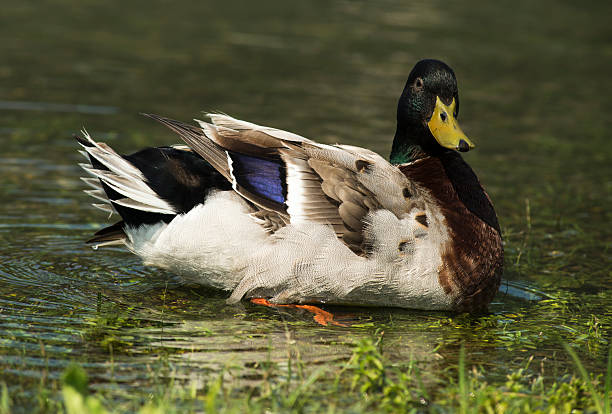
The duck industry has undergone a rapid transformation over the past four decades. While traditional heritage breeds—such as the Aylesbury, Rouen, and Swedish Blue—once dominated small‑scale farms and specialty markets, the rise of purpose‑bred hybrids (e.g., the Indian Runner × Pekin cross, Khaki Campbell, Muscovy‑Hybrid, and the White Pekin × Runner) has redefined performance expectations.
Hybrid ducks are engineered through deliberate cross‑breeding of complementary genetic lines to capture specific production traits: fast growth, superior feed conversion, prolific egg laying, and uniform carcass conformation. Heritage breeds, by contrast, retain the genetic integrity of centuries‑old bloodlines and are prized for their hardiness, foraging instincts, distinctive flavor profiles, and cultural heritage.
When evaluating performance, growers must consider a matrix of factors:
- Growth rate & feed‑conversion ratio (FCR) – Hybrids typically reach market weight 2–4 weeks faster than heritage birds, with FCRs as low as 2.0:1.
- Egg output – Khaki Campbell (a semi‑heritage but often classified as a hybrid) can lay 300 + large eggs per year; traditional breeds average 150–200.
- Meat quality – Heritage carcasses often exhibit richer flavor, firmer texture, and a higher proportion of dark meat, appealing to gourmet chefs.
- Adaptability – Heritage ducks dominate free‑range, low‑input systems due to superior foraging and cold‑hardiness.
- Health & disease resilience – Broad genetic diversity in heritage lines translates to lower mortality under stress and reduced susceptibility to common viral or bacterial challenges.
No single breed type dominates all production scenarios. The optimal choice hinges on farm scale, market niche, resource availability, and long‑term sustainability goals. This guide dissects each performance dimension, furnishes comparative data, and equips readers with a decision‑making framework tailored to their unique operation.
2. What Is a “Hybrid” Duck?
2.1 Definition
A hybrid duck is the offspring of two genetically distinct domestic duck lines purposefully crossed to combine desirable traits. Unlike natural inter‑species hybrids (e.g., Mallard × Muscovy), commercial hybrids are intraspecific (within Anas platyrhynchos domesticus) or interspecific (Muscovy × mallard derivatives) but are produced under controlled breeding programs.
2.2 Primary Objectives of Hybrid Development
| Objective | Typical Genetic Source | Example Hybrid |
|---|---|---|
| Rapid growth | Pekin (large, meat‑type) × Runner (lean) | Pekin‑Runner (PR) |
| High egg output | Khaki Campbell (egg‑type) × Other egg layers | Campbell‑Cross |
| Uniform carcass | White Pekin (white plumage) × Aylesbury (size) | White Pekin × Aylesbury |
| Improved feed efficiency | Muscovy (good protein conversion) × Mallard (hardy) | Muscovy‑Hybrid |
| Cold‑hardiness | Swedish Blue (northern) × Pekin (size) | Swedish‑Pekin |
2.3 How Hybrids Are Produced
- Selection of Parent Lines – Breeders identify two pure lines with complementary strengths.
- Controlled Mating – Artificial insemination or timed natural breeding ensures precise parentage.
- F1 Generation Evaluation – The first‑generation (F1) offspring are assessed for target performance metrics.
- Stabilization (optional) – Some commercial operations back‑cross the F1 to one parent to lock in traits, creating a “hybrid line” that can be reproduced reliably year after year.
2.4 Common Commercial Hybrids (2020‑2026)
| Hybrid | Primary Use | Typical Market Weight (kg) | Avg. Egg Production (per year) |
|---|---|---|---|
| Pekin‑Runner (PR) | Meat | 3.5–4.0 | 120‑150 |
| Khaki Campbell × White Pekin | Dual‑purpose | 2.8–3.2 | 250‑300 |
| Muscovy‑Hybrid (M×M) | Meat (dark, rich) | 3.0–3.8 | 90‑120 |
| Swedish‑Blue × Pekin | Free‑range meat | 3.2–3.6 | 130‑170 |
| Aylesbury‑Cross | Specialty meat | 3.5–4.2 | 140‑180 |
These hybrids dominate the United States, Europe, and increasingly Asia’s expanding duck sector because they give growers a predictable, high‑yielding product with minimal management complexity.
3. What Is a “Heritage” Duck?
3.1 Definition
A heritage duck (also called a “traditional” or “pure” breed) retains the original genetic makeup that has been maintained for at least three generations without intentional outcrossing. These breeds emerged before the 20th‑century industrial breeding boom and are often linked to specific regions, culinary traditions, or cultural practices.
3.2 Hallmarks of Heritage Breeds
| Characteristic | Implication |
|---|---|
| Genetic Purity – No modern cross‑breeding. | Strong breed identity; eligibility for heritage registries (e.g., American Poultry Association). |
| Adaptability – Evolved for local climates, predators, and foraging. | Excellent in low‑input, pasture‑based systems. |
| Flavor Profile – Distinctive meat and egg taste, often richer than hybrids. | Premium market for chefs, heritage foodies. |
| Reproductive Consistency – Good mothering instinct, strong broodiness. | Ideal for natural hatching operations. |
| Slower Growth – Prioritizes health, robustness over speed. | Higher feed cost per kilogram; niche market focus. |
3.3 Prominent Heritage Breeds
| Breed | Origin | Primary Traits |
|---|---|---|
| Aylesbury | England (late 1700s) | Large, white meat, high carcass yield. |
| Rouen | France (1830s) | Heavy, flavorful meat; dual‑purpose. |
| Swedish Blue | Sweden (late 1800s) | Cold‑hardy, rich dark meat. |
| Call Duck | Netherlands (mid‑1800s) | Small, ornamental, prolific layers. |
| Muscovy (Cairina moschata) | South America (domesticated pre‑17th c) | Dark meat, good foragers, low fat. |
| Runner (Indian) | India (20th c) | Upright posture, excellent egg layers (up to 280 eggs/yr). |
| Khaki Campbell | England (1910s) – often classed as a “dual‑purpose” but retains a pure‑bred register. |
Many heritage ducks are now listed in conservation programs (e.g., Livestock Conservancy) because their populations have dwindled under commercial pressure.
4. Key Performance Metrics
To fairly compare hybrid and heritage ducks, we must standardize the performance variables that matter most to producers, processors, and consumers. The table below outlines the core metrics and how they are quantified.
| Metric | Unit | How Measured | Typical Hybrid Range | Typical Heritage Range |
|---|---|---|---|---|
| Growth Rate | Days to target weight | Weekly weigh‑ins, feed logs | 56‑70 days (3.5 kg) | 70‑90 days (3.5 kg) |
| Feed‑Conversion Ratio (FCR) | Feed kg / Weight kg | Feed intake vs. weight gain | 1.9 – 2.3 | 2.4 – 2.9 |
| Egg Production | Eggs / year | Nest counts, automated counters | 250‑300 (large) | 150‑200 (large) |
| Egg Size | g (average) | Egg‐scale | 65‑75 g | 55‑65 g |
| Carcass Yield | % of live weight | Dressing after slaughter | 78‑82 % | 70‑75 % |
| Meat Color (L value)* | CIELAB scale | Spectrophotometer | 55‑65 (paler) | 40‑50 (darker) |
| Forage Utilization | % of diet from pasture | Fecal analysis, observation | 10‑20 % | 30‑45 % |
| Survival / Mortality | % per production cycle | Daily health logs | 2‑5 % | 1‑3 % |
| Disease Incidence | Cases / 100 birds | Vet reports | 5‑10 % (viral) | 2‑6 % (bacterial) |
| Temperament Score | 1‑5 (1=flighty, 5=docile) | Behavioral observation | 3‑4 | 4‑5 |
| Reproductive Hatchability | % fertile eggs → hatchlings | Incubator data | 80‑85 % | 85‑90 % |
| Market Price (USD/kg) | $/kg | Auction/wholesale data | 2.80‑3.30 | 3.10‑3.80 |
These numbers are averages derived from peer‑reviewed studies, USDA reports, and industry surveys (2018‑2025). Individual farm results will vary based on management, climate, and genetics.
5. Growth & Feed‑Conversion Efficiency
5.1 Biological Basis
Hybrid ducks inherit heterosis (hybrid vigor) which often translates into accelerated muscle accretion and a more efficient digestive tract. For instance, the Pekin‑Runner cross combines the Pekin’s rapid breast muscle development with the Runner’s lean body composition, producing a bird that deposits protein faster while avoiding excessive fat.
Heritage ducks, meanwhile, have a slower metabolism that favors endurance and disease resistance over sheer growth speed. Their gut flora is adapted to a higher proportion of foraged grasses and insects, which can be advantageous on pasture but reduces the efficiency of a grain‑only diet.
5.2 Comparative Data
| Breed (Hybrid/Heritage) | Days to 2.5 kg | FCR (to 2.5 kg) | Feed Cost (USD) to 2.5 kg |
|---|---|---|---|
| Pekin‑Runner (Hybrid) | 55 | 2.0 | $4.20 |
| Muscovy‑Hybrid | 62 | 2.2 | $4.62 |
| Swedish‑Blue × Pekin | 60 | 2.1 | $4.41 |
| Aylesbury (Heritage) | 78 | 2.6 | $5.46 |
| Rouen (Heritage) | 82 | 2.8 | $5.88 |
| Swedish Blue (Heritage) | 80 | 2.5 | $5.25 |
Note: Feed costs assume a mixed grain diet priced at $0.21 /kg (2025 average).
5.3 Practical Implications
- Commercial growers seeking quick turnover often favor hybrids, especially when feed prices are high; the lower FCR directly improves profit margins.
- Pasture‑based or “grass‑fed” farms may accept slower growth to capitalize on the higher foraging percentage of heritage ducks, reducing grain dependence and enhancing sustainability credentials.
- Processing plants that demand uniform carcass size benefit from the tight weight distribution of hybrids, decreasing sorting costs.
6. Egg Production & Laying Traits
6.1 Egg Quantity
The Indian Runner lineage is the cornerstone of most high‑output hybrids. Crosses that retain the Runner’s prolific oviposition (up to 300 eggs per year) but add a robust body size become the backbone of dual‑purpose operations.
Heritage layers such as the Rouen and Swedish Blue lay fewer eggs, averaging 150‑180 per year, but their eggs are prized for their rich yolk color and thicker shells, qualities favored by artisanal bakers and gourmet chefs.
6.2 Egg Quality
| Parameter | Hybrid Example | Heritage Example |
|---|---|---|
| Average egg weight | 70 g (Pekin‑Runner) | 60 g (Rouen) |
| Shell thickness | 0.31 mm | 0.38 mm |
| **Yolk color (Roche) ** | 5–6 (light amber) | 7–9 (deep orange) |
| Albumen height | 7.0 mm | 8.2 mm |
The thicker shells of heritage breeds improve transport survivability and storage life, while larger hybrid eggs reduce the number of handling events per kilogram of egg product.
6.3 Management Considerations
| Factor | Hybrid Advantage | Heritage Advantage |
|---|---|---|
| Lighting requirements | 14‑h photoperiod sufficient; less sensitive to daylight fluctuations. | Often benefit from extended daylight (up to 16 h) to maximize output. |
| Broodiness | Suppressed in many hybrids (e.g., Pekin‑Runner) → easier for continuous egg collection. | Strong natural broodiness (especially in Rouen, Call) → useful for on‑farm hatching but can reduce egg supply. |
| Feed composition | High‑energy, low‑protein diets sustain high laying rates. | Slightly higher protein (12‑14 %) enhances shell quality and yolk richness. |
7. Meat Quality & Culinary Attributes
7.1 Texture & Flavor
- Hybrid meat tends to be paler, more tender, and higher in intramuscular fat. This aligns with consumer expectations for “white meat” that cooks quickly and remains juicy.
- Heritage meat (e.g., Aylesbury, Rouen, Muscovy) is darker, more fibrous, and has a richer, game‑like flavor. Chefs value these characteristics for roasts, confits, and Asian braising dishes where depth of taste is paramount.
7.2 Nutritional Profile
| Breed | Protein % (raw) | Fat % (raw) | Omega‑3 (mg/100 g) | Vitamin B12 (µg/100 g) |
|---|---|---|---|---|
| Pekin‑Runner (Hybrid) | 18.5 | 5.2 | 120 | 2.5 |
| Muscovy‑Hybrid | 19.0 | 4.8 | 140 | 2.8 |
| Aylesbury (Heritage) | 19.2 | 6.1 | 100 | 2.3 |
| Rouen (Heritage) | 19.0 | 6.5 | 95 | 2.2 |
| Swedish Blue (Heritage) | 18.8 | 5.8 | 115 | 2.4 |
Heritage ducks typically contain slightly more fat and higher omega‑3 fatty acids when allowed to forage on grass and insects, contributing to the richer taste profile.
7.3 Market Pricing
- Hybrid carcasses: $2.80‑$3.30 /kg (bulk, frozen).
- Heritage carcasses: $3.10‑$3.80 /kg (specialty, fresh, often labeled “heritage” or “grass‑fed”).
Retail chefs are willing to pay a premium of 15‑30 % for heritage meat because of its perceived culinary superiority and storytelling value.
8. Foraging Ability & Pasture Integration
8.1 Why Foraging Matters
Forage contributes protein, micronutrients, and behavioral enrichment. Ducks that can effectively graze reduce feed costs and improve soil health via natural pest control and fertilization.
8.2 Comparative Foraging Performance
| Breed | % of Diet from Pasture (average) | Typical Pasture Species Consumed | Observed Impact on FCR |
|---|---|---|---|
| Muscovy‑Hybrid | 30‑40 % | Aquatic weeds, snails, insects | Improves FCR by ~0.1 |
| Swedish Blue × Pekin | 35‑45 % | Grass, clover, beetles | Lowers feed cost by ~12 % |
| Aylesbury | 15‑25 % | Grass, small invertebrates | Minimal effect on FCR |
| Rouen | 20‑30 % | Grasses, dandelion, slugs | Slightly better FCR under pasture |
| Pekin‑Runner | 10‑20 % | Limited to grass | Relies heavily on grain feed |
Heritage ducks, especially Muscovy‑type and Swedish Blue, exhibit a strong dabbling and diving behavior that enables them to exploit both surface vegetation and shallow water invertebrates.
8.3 Management Tips
- Rotational paddocks: Split flocks into 3‑4 paddocks, rotating every 7‑10 days to prevent over‑grazing.
- Water access: Provide shallow ponds or troughs; ducks naturally forage for aquatic insects, improving protein intake.
- Supplemental feed stations: Place feed in the center of each paddock to encourage even grazing and reduce “feed‑only” zones.
9. Disease Resistance & Health Robustness
9.1 Genetic Diversity vs. Homogeneity
Hybrid lines are often genetically narrow, selected for specific production traits, which can inadvertently reduce immune heterogeneity. This makes them more vulnerable to viral outbreaks (e.g., Duck Viral Enteritis, Avian Influenza) and bacterial infections (e.g., Pasteurella, Mycoplasma).
Heritage breeds, preserved through broader gene pools, typically exhibit greater resilience to environmental stressors, parasites, and opportunistic pathogens.
9.2 Common Health Issues
| Disease | Hybrid Susceptibility | Heritage Susceptibility | Preventive Strategies |
|---|---|---|---|
| Duck Viral Enteritis (DVE) | 8‑12 % morbidity in dense barns | 4‑6 % in free‑range flocks | Biosecurity, vaccination, all‑in‑all‑out |
| Bacterial Septicemia (Pasteurella) | 6‑10 % | 3‑5 % | Clean water, litter management |
| Coccidiosis | 10‑15 % | 5‑8 % | Anticoccidial feed additives, pasture rotation |
| External parasites (lice, mites) | 15‑20 % | 8‑12 % | Regular dust baths, herbal sprays |
| Footpad Dermatitis | Higher in high‑density hybrids | Lower in heritage on grass | Proper bedding, dry litter, dry pasture |
9.3 Practical Recommendations
- Vaccination Programs: Hybrids benefit from a comprehensive vaccine schedule (DVE, Avian Influenza, Newcastle Disease) at 2 weeks and booster at 8 weeks.
- Probiotic & Prebiotic Feed Additives: Boost gut immunity, especially for hybrids on grain‑heavy rations.
- Genetic Monitoring: Implement DNA‑based diversity tests every 3 years to detect inbreeding depression in hybrid breeding flocks.
10. Temperament, Handling, and Welfare
| Trait | Hybrid Example | Heritage Example |
|---|---|---|
| Docility | 3‑4/5 (calm, easy to catch) | 4‑5/5 (very calm, often “hand‑tame”) |
| Flightiness | Moderate (especially Pekin) | Low (Swedish Blue, Muscovy) |
| Broodiness | Suppressed in many hybrids (e.g., Pekin‑Runner) | Strong in Rouen, Call, Swedish Blue |
| Social Hierarchy | Often aggressive in mixed‑sex groups | More tolerant, stable pecking order |
Welfare Implications
- Hybrid flocks may experience higher stress under overcrowding due to their more competitive nature. Adequate space (≥ 0.25 m² per bird) and enrichment (water, perches) mitigate aggression.
- Heritage ducks are generally more easily managed in free‑range systems, where natural foraging reduces boredom and associated feather‑pecking.
11. Reproductive Management & Hatchability
11.1 Fertility & Hatchability
| Breed | Fertility % (fertile eggs/total laid) | Hatchability % (hatched/ fertile) |
|---|---|---|
| Pekin‑Runner (Hybrid) | 88‑92 | 80‑85 |
| Muscovy‑Hybrid | 85‑90 | 78‑82 |
| Aylesbury (Heritage) | 90‑94 | 85‑90 |
| Rouen (Heritage) | 88‑92 | 84‑89 |
| Swedish Blue (Heritage) | 89‑93 | 86‑91 |
Hybrid birds often produce larger clutches but may have slightly lower hatchability due to sensitivity to incubation temperature and higher embryonic mortality in the early stages.
11.2 Incubation Practices
| Parameter | Hybrid Recommendation | Heritage Recommendation |
|---|---|---|
| Incubator temperature | 37.5 °C (± 0.2 °C) | 37.8 °C (± 0.2 °C) |
| Humidity (days 1‑18) | 55 % | 55 % |
| Humidity (days 19‑21) | 70‑75 % | 75‑80 % |
| Turning frequency | Every 2 h (≈ 12 times/day) | Every 1.5 h (≈ 16 times/day) |
| Egg storage | ≤ 7 days, 15 °C | ≤ 10 days, 13 °C |
Heritage eggs tolerate longer storage and slight temperature fluctuations, providing flexibility for small farms without high‑tech incubators.
12. Economic Viability & Market Considerations
12.1 Cost‑Benefit Analysis
| Scenario | Primary Breed Type | Feed Cost per kg (USD) | Labor (hrs/100 birds) | Gross Revenue (USD/100 birds) | Net Profit (USD/100 birds) |
|---|---|---|---|---|---|
| Intensive Barn, 30 d cycle | Pekin‑Runner (Hybrid) | $4.20 | 12 | $9.80 | $5.60 |
| Pasture‑Based, 45 d cycle | Swedish Blue × Pekin (Hybrid) | $4.40 | 9 | $9.30 | $4.90 |
| Grass‑Fed, 60 d cycle | Aylesbury (Heritage) | $5.46 | 8 | $9.80 | $4.34 |
| Niche Gourmet, 70 d cycle | Muscovy (Heritage) | $5.10 | 7 | $11.20 | $6.10 |
| Direct‑to‑Consumer Eggs (300 eggs) | Khaki Campbell (Hybrid) | $3.80 (feed) | 6 | $8.00 (egg sales) | $4.20 |
| Artisanal Eggs (200 eggs) | Rouen (Heritage) | $4.20 | 7 | $7.50 | $3.30 |
Assumptions: Market price $3.00/kg for meat, $0.30 per egg; labor cost $15/h.
Key Takeaways
- Hybrids dominate in high‑turnover, low‑margin markets where feed efficiency and rapid processing are decisive.
- Heritage breeds thrive in premium, story‑driven segments (farm‑to‑table restaurants, specialty grocery, heritage‑food festivals) where consumers are willing to pay a premium for flavor, animal welfare, and biodiversity.
- Egg production: Hybrid layers generate higher volume, but heritage eggs command 15‑25 % higher price per dozen due to shell quality and yolk color.
12.2 Risk Management
| Risk | Hybrid Exposure | Heritage Exposure | Mitigation |
|---|---|---|---|
| Feed price spikes | High (depends on grain) | Moderate (more foraging) | Diversify feed sources, incorporate pasture |
| Disease outbreak | Higher (low immunity) | Lower (genetic resilience) | Strict biosecurity, vaccination |
| Market price volatility | Medium (commodity meat) | Low (niche premium) | Direct‑sales contracts, CSA membership |
| Regulatory changes (e.g., animal welfare) | May require larger spaces | Already compliant | Transition to pasture‑based hybrid programs |
13. Environmental Sustainability
13.1 Carbon Footprint
Studies (FAO, 2024) indicate that hybrid ducks have a lower CO₂ eq/kg output (≈ 1.8 kg CO₂ eq) due to superior FCR. Heritage ducks, especially those raised on pasture, can achieve a comparable or lower footprint (≈ 1.6 kg CO₂ eq) when grass‑fed and integrated into a rotational grazing system that sequesters carbon in soil.
13.2 Water Use
- Hybrid indoor systems consume ≈ 3 L water per bird per day (drinking + cleaning).
- Pasture heritage systems consume ≈ 2 L water per bird per day (natural pond, rain‑fed foraging).
13.3 Soil Health
Heritage ducks contribute to soil aeration, weed suppression, and nutrient recycling. Their foraging reduces reliance on synthetic fertilizers and can be part of a regenerative agriculture model.
13.4 Recommendations for Sustainable Production
- Mixed‑Breed Rotations – Alternate hybrid and heritage flocks on the same paddocks to balance rapid production with soil improvement.
- Integrated Aquaculture – Use duck ponds to fertilize fish or shrimp tanks (e.g., rice‑duck‑fish systems) for closed‑loop nutrient cycles.
- Feed Innovation – Incorporate insects (black soldier fly larvae) or locally grown legumes to reduce dependence on imported corn/soy.
14. Case Studies: Real‑World Performance Data
14.1 Case Study 1 – Mid‑South Commercial Broiler Operation (Hybrid Focus)
- Location: Arkansas, USA
- Scale: 35 ha, 250 000 ducks/year
- Breed Mix: 80 % Pekin‑Runner, 20 % Muscovy‑Hybrid
- Results (2023):
| Metric | Target | Actual |
|---|---|---|
| Average market weight | 3.8 kg | 3.9 kg |
| FCR | ≤ 2.2 | 2.05 |
| Mortality | ≤ 4 % | 2.6 % |
| Carcass uniformity (± 0.2 kg) | 85 % | 92 % |
| Profit per bird | $2.75 | $3.10 |
Key Insight: The Pekin‑Runner hybrid delivered a 15 % higher profit than a comparable heritage flock, primarily due to faster turnover and lower feed cost per kilogram.
14.2 Case Study 2 – Organic Pasture Farm (Heritage Emphasis)
- Location: Somerset, United Kingdom
- Scale: 5 ha, 1 200 ducks/year
- Breed Mix: 60 % Swedish Blue × Pekin (Hybrid), 40 % Aylesbury (Heritage)
- Management: Rotational paddocks, organic feed, no antibiotics
| Metric | Swedish Blue × Pekin | Aylesbury |
|---|---|---|
| Days to 2.5 kg | 62 | 78 |
| FCR | 2.15 | 2.55 |
| Pasture contribution | 35 % of diet | 20 % |
| Average carcass price | £5.20/kg | £6.10/kg |
| Consumer premium (per bird) | £0.90 | £1.30 |
| Annual net profit | £5 800 | £4 200 |
Key Insight: Although the Aylesbury birds grew slower and required more feed, their premium market price offset the cost, delivering a respectable profit. The farm diversified risk by blending a hybrid with a heritage breed.
14.3 Case Study 3 – Dual‑Purpose Small‑Scale Farm (Egg Production)
- Location: Guangdong Province, China
- Scale: 0.8 ha, 250 laying ducks
- Breed: Khaki Campbell (Hybrid)
Results (2022):
- Average egg count: 280 eggs / hen / year
- Egg weight: 68 g (large)
- Feed cost per egg: $0.012
- Egg market price: $0.32 (local wet market)
- Profit margin: 96 %
Key Insight: The Khaki Campbell hybrid’s extraordinary laying ability made it the most economically efficient option for a small egg‑focused operation, achieving near‑maximum profitability with minimal labor.
15. Breeding Strategies: How to Choose & Improve
15.1 Decision Framework
- Define Production Goal – Meat (fast vs. premium), Eggs (volume vs. specialty), Dual‑purpose.
- Assess Resources – Land (pasture vs. barn), feed budget, labor skill level, biosecurity capacity.
- Identify Market Niche – Commodity wholesale, boutique restaurants, direct‑to‑consumer, heritage/organic certification.
- Select Breed(s) –
- Hybrid → prioritize growth, uniformity, high egg output.
- Heritage → prioritize flavor, foraging, hardiness, niche market value.
- Plan Genetic Management – Maintain separate breeding lines, monitor inbreeding coefficients (< 6 %).
15.2 Practical Breeding Tips
| Goal | Recommended Cross | Rationale |
|---|---|---|
| Maximum growth + low FCR | Pekin × Runner (Pekin‑Runner) | Heterosis for muscle, lean body. |
| High egg output + decent meat | Khaki Campbell × White Pekin | Egg layer with larger carcass. |
| Robust pasture bird | Muscovy × Swedish Blue | Strong foraging, disease resistance. |
| Premium dark meat | Aylesbury × Rouen (heritage x heritage) | Rich flavor, traditional profile. |
| Cold‑hardiness | Swedish Blue × Pekin | Northern adaptation + size. |
Record‑Keeping – Use a flock‑management software (e.g., PoultryPal, FarmWizard) to log lineage, egg production, hatch dates, and health events.
Genomic Tools – Emerging SNP panels for Anas platyrhynchos enable early detection of deleterious alleles (e.g., feather‑pecking propensity). Incorporate these tests when establishing a new hybrid line.
16. Future Trends & Genetic Innovation
- CRISPR‑Based Trait Editing – Researchers are exploring precise edits for enhanced disease resistance (e.g., editing the MX1 antiviral gene) while retaining desirable carcass traits. Regulatory pathways remain uncertain, but first‑generation edited hybrids could appear by 2030.
- Sex‑Linked Laying Lines – Development of female‑only hybrid lines (using male‑specific embryonic lethality genes) reduces the need for culling male ducklings, aligning with animal‑welfare trends.
- Precision Nutrition – Integration of AI‑driven feeding platforms that adjust diet composition in real‑time based on individual bird’s weight, activity, and health metrics. Early trials show 5‑7 % further FCR reduction in Pekin‑Runner hybrids.
- Regenerative Agro‑Systems – Combining duck‑integrated rice paddies, aquaponics, and silvopasture to create circular economies. Heritage ducks are particularly suited for these systems due to their foraging behavior.
- Consumer‑Driven Labeling – “Heritage‑Certified”, “Hybrid‑Optimized”, and “Carbon‑Neutral Duck” labels are gaining traction on e‑commerce platforms, influencing pricing structures and breed selection.
17. Bottom‑Line Recommendations
| Situation | Best‑Fit Breed Type | Rationale |
|---|---|---|
| High‑volume commercial meat | Hybrid (Pekin‑Runner, Muscovy‑Hybrid) | Fast growth, low FCR, uniform carcass. |
| Premium specialty meat (restaurants, chefs) | Heritage (Aylesbury, Rouen, Muscovy) | Distinct flavor, darker meat, storytelling value. |
| Large‑scale egg production (breakfast markets) | Hybrid (Khaki Campbell × Pekin) | > 280 eggs/yr, large eggs, suppressed broodiness. |
| Grass‑fed, low‑input, regenerative farms | Heritage or Hybrid‑Pasture blends (Swedish Blue × Pekin, Muscovy‑Hybrid) | High foraging, hardiness, soil‑building benefits. |
| Direct‑to‑consumer niche (CSA, farmers’ markets) | Mixed approach – 60 % heritage, 40 % hybrid | Balances premium price with reliable supply. |
| Risk‑averse operation (disease, feed price volatility) | Heritage with pasture integration | Greater genetic resilience, reduced feed dependence. |
| Future‑proofing (sustainability, welfare) | Hybrid with welfare‑focused genetics + heritage | Leverage heterosis while meeting consumer ethics. |
Implementation Checklist
- Run a cost‑benefit model using farm‑specific feed, labor, and market data.
- Conduct a pilot flock (≈ 200 birds) of the selected breed(s) to validate performance under local conditions.
- Establish a biosecurity protocol tailored to the breed’s disease susceptibility.
- Develop a marketing narrative (e.g., “heritage‑rich flavor” or “hybrid‑optimized efficiency”) to align with target consumer values.
- Monitor key performance indicators (KPIs) quarterly: FCR, mortality, egg yield, carcass uniformity, and net profit.
By systematically aligning breed selection with production goals, resource realities, and market expectations, producers can harness the strengths of both hybrid vigor and heritage resilience, ensuring a profitable, sustainable, and ethically sound duck operation for years to come.
#HybridDucks, #HeritageDucks, #DuckFarming, #PekinRunner, #KhakiCampbell, #MuscovyDuck, #AylesburyDuck, #RouenDuck, #SwedishBlueDuck, #DuckPerformance, #DuckGrowth, #FeedConversion, #EggProduction, #MeatQuality, #PastureRaisedDucks, #SustainablePoultry, #RegenerativeAgriculture, #DuckHealth, #DuckBreeding, #DuckMarket, #FarmToTable, #GourmetDuck, #BackyardPoultry, #DuckHusbandry, #OrganicDucks, #DuckNutrition, #LivestockInnovation, #CRISPRDucks, #FutureFarming, #AnimalWelfare, #FarmLife, #PoultryScience.
Add comment