
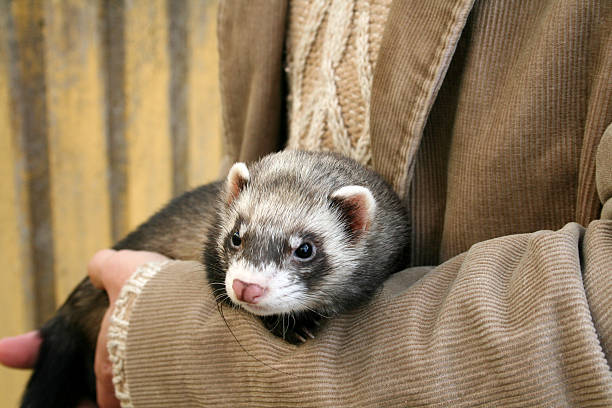
Hyperestrogenism refers to a pathological excess of circulating estrogen in a female dog that has not been spayed (commonly called a jill). When estrogen concentrations rise abruptly and remain high, the hormone exerts a toxic effect on the hematopoietic tissue of the bone marrow, leading to aplastic anemia—a severe, non‑regenerative loss of all three major blood cell lines (erythrocytes, leukocytes, and thrombocytes).
Although estrogen is essential for normal reproductive function, its over‑exposure (whether endogenous from an ovarian cyst/tumour, exogenous from contaminated feed, or iatrogenic from inappropriate hormone therapy) can be fatal within hours to days, especially in young, rapidly cycling jills. Understanding the multifactorial nature of this disease is crucial for early recognition, aggressive treatment, and lifelong prevention.
2. Pathophysiology
| Step | Mechanism | Consequence |
|---|---|---|
| 1. Estrogen Surge | Sudden release of estradiol‑17β (E2) from ovaries (e.g., luteinising cyst) or ingestion of estrogenic compounds. | Plasma estradiol levels can exceed 1 µg/mL (normal diestrus: 0.1–0.3 µg/mL). |
| 2. Bone‑Marrow Endothelial Damage | Estrogen binds to estrogen receptors (ER‑α/β) on marrow sinusoidal endothelium → oxidative stress, apoptosis, and disruption of the stromal niche. | Loss of supportive microenvironment for hematopoietic stem cells (HSCs). |
| 3. Direct HSC Toxicity | High‑dose estrogen induces DNA damage and mitochondrial dysfunction in HSCs, triggering p53‑mediated apoptosis. | Rapid depletion of progenitor cells for RBCs, WBCs, and platelets. |
| 4. Cytokine Dysregulation | Estrogen modulates IL‑6, TNF‑α, and interferon‑γ, skewing toward a pro‑inflammatory, suppressive milieu. | Further inhibition of marrow proliferation and peripheral destruction of blood cells. |
| 5. Clinical Aplastic Anemia | Marrow cellularity falls below 10‑15 % (normally 50‑70 %). | Pancytopenia → severe anemia, neutropenia, and thrombocytopenia. |
The timeframe from estrogen exposure to overt aplastic anemia is typically 24–72 h, making the condition a veterinary emergency. The bone‑marrow suppression is often reversible if the estrogenic stimulus is removed promptly and aggressive supportive care is provided; however, irreversible damage may occur after 5–7 days.
3. Epidemiology & Risk Factors
| Population | Approx. Prevalence* | Key Risk Factors |
|---|---|---|
| Young, intact females (6 months‑3 years) | 0.8‑1.5 % of all canine emergencies (based on referral centre data) | Early puberty, high‑frequency estrus cycles, large‑breed predisposition. |
| Medium‑large breeds (e.g., Labrador, Golden Retriever, German Shepherd) | Slightly higher than mixed breeds | Genetic predisposition to ovarian cyst formation. |
| Breeding colonies & kennel environments | Up to 3 % in some documented outbreaks | Over‑use of luteinising hormone‐releasing agents, inadvertent exposure to estrogenic feed (e.g., soy‑based diet with phyto‑estrogens). |
| Dogs receiving exogenous estrogen (e.g., estradiol implants for urinary incontinence) | Rare but documented | Incorrect dosing, failure to monitor serum estrogen. |
*Numbers are derived from retrospective studies across North America and Europe (2008‑2022) and may vary regionally.
4. Causes
4.1 Endogenous (Internal) Sources
- Ovarian Follicular or Luteinising Cysts – The most common cause. Cysts can secrete massive amounts of estradiol without the normal feedback inhibition.
- Granulosa‑Cell Tumours – Rare, but highly estrogenic.
- Persistent Ovarian Tissue after Partial Ovariectomy – Residual functional tissue can continue hormonal production.
4.2 Exogenous (External) Sources
| Source | Description | Typical Exposure Route |
|---|---|---|
| Synthetic Estrogen Products | Estradiol tablets, patches, or injectable preparations used for urinary incontinence or as “tamoxifen‑like” anti‑inflammatory agents. | Accidental ingestion or overdose. |
| Phyto‑Estrogen‑Rich Feed | Soy, clover, alfalfa, and certain grain by‑products contain isoflavones (genistein, daidzein). | Chronic ingestion of high‑phyto‑estrogen diet. |
| Environmental Contaminants | Xeno‑estrogens from plasticizers (BPA), pesticide residues, or industrial waste. | Contaminated water or food bowls. |
| Human Medications | Oral contraceptives or hormone replacement therapy accidentally given to dogs. | Human–pet medication mix‑ups. |
4.3 Iatrogenic (Medical) Causes
- Improper use of estrogenic medications for conditions such as urinary incontinence, mammary tumours, or behavioral modification.
- Failure to remove estrogen implants after the intended therapeutic window.
5. Clinical Presentation
5.1 Timeline of Signs
| Time Post‑Exposure | Typical Signs |
|---|---|
| 0‑12 h | Lethargy, mild weakness, decreased appetite, subtle pallor. |
| 12‑24 h | Progressive pallor, tachycardia, tachypnea, fainting spells. |
| 24‑48 h | Overt anemia (PCV < 20 %), severe neutropenia (ANC < 500/µL), thrombocytopenia (platelets < 30 × 10⁹/L). |
| 48‑72 h | Hemorrhagic diathesis (epistaxis, petechiae, GI bleeding), febrile episodes, septic signs due to neutropenia. |
| >72 h | Multi‑organ failure if untreated; possible spontaneous recovery if estrogen is cleared and marrow regenerates. |
5.2 Key Physical Findings
- Mucous membrane pallor (especially gingiva).
- Weak, rapid pulse (30‑120 bpm depending on size).
- Respiratory effort (increased due to anemia).
- Petechiae, ecchymoses, or epistaxis (thrombocytopenia).
- Fever (≥ 39.5 °C) or hypothermia (neutropenia‑related infection).
- Abdominal distension if ovarian cysts or tumours are palpable.
5.3 Differential Diagnoses
- Immune‑mediated hemolytic anemia (IMHA)
- Sepsis or endotoxemia
- Leptospira infection
- Tick‑borne diseases (Ehrlichia, Anaplasma)
- Acute hemolysis due to toxins (e.g., zinc, copper)
6. Diagnostic Approach
A systematic, step‑wise work‑up is essential to confirm hyperestrogenism‑induced aplastic anemia and rule out mimicking conditions.
6.1 History & Physical Examination
- Reproductive status (intact, breeding history, signs of estrus).
- Recent medication exposure (estradiol, estrogen‑containing products).
- Dietary changes (new commercial food, soy‑rich treats).
- Environmental changes (new bedding, water source).
6.2 Laboratory Testing
| Test | Expected Finding in Hyperestrogenic Aplastic Anemia | Comment |
|---|---|---|
| Complete Blood Count (CBC) | Pancytopenia: PCV ≤ 20 %, HCT ≤ 20 %; neutrophils ≤ 500/µL; platelets ≤ 30 × 10⁹/L. | Peripheral smear shows hypocellularity without evidence of hemolysis (no spherocytes, no polychromasia). |
| Serum Biochemistry | Mild hyperbilirubinemia (if hemolysis) or normal; increased BUN/creatinine if hypoperfusion. | Evaluate renal and hepatic status before drug therapy. |
| Serum Estradiol (E2) Concentration | Markedly elevated (> 1 µg/mL). | Use validated chemiluminescent assay; consider repeat measurement after 12 h to confirm trend. |
| Serum Progesterone | May be low or within diestrus range; helps differentiate luteal phase versus cystic estrogen secretion. | |
| Bone‑Marrow Aspirate/ Biopsy | Hypocellular marrow (< 10 % cellularity), fatty infiltration, absence of neoplastic infiltrates. | Performed under sedation; essential for confirming aplasia when blood work is ambiguous. |
| Coagulation Profile | Prolonged PT/aPTT if severe thrombocytopenia or DIC. | |
| Infectious Disease Screening (PCR/ SNAP) | Negative for leptospirosis, Ehrlichia, Anaplasma, Babesia – helps rule out infectious pancytopenia. |
6.3 Imaging
- Abdominal Ultrasound – Detect ovarian cysts/tumours, assess size, fluid content, and rule out other intra‑abdominal masses.
- Thoracic Radiographs – Evaluate for pulmonary infiltrates secondary to neutropenic pneumonia.
6.4 Special Tests
- Serum Phyto‑Estrogen Levels (research‐grade assays) – Useful when diet is suspected.
- Serum BPA or Other Xeno‑Estrogen Assays – Rarely needed but may be indicated in outbreaks.
7. Treatment Strategies
Hyperestrogenic aplastic anemia demands rapid, multimodal therapy to remove the estrogenic stimulus, support the failing marrow, and prevent life‑threatening complications.
7.1 Immediate Stabilisation
| Intervention | Dose / Rate | Rationale |
|---|---|---|
| Intravenous Crystalloid Fluids (Lactated Ringer’s) | 10 ml/kg bolus, then 2–4 ml/kg/hr | Correct hypovolemia and improve tissue perfusion. |
| Oxygen Therapy | 100 % via mask or flow‑through cage | Mitigate tissue hypoxia from severe anemia. |
| Blood Transfusion (Packed RBCs) | 10–20 ml/kg over 2 h | Raise PCV > 30 % quickly; repeat as needed. |
| Platelet Transfusion (if platelets < 10 × 10⁹/L or active bleeding) | 5 ml/kg (≈ 1 × 10⁹ platelets/kg) | Control hemorrhage. |
| Broad‑Spectrum Antibiotics | E.g., Ceftriaxone 20 mg/kg IV q12h + Metronidazole 15 mg/kg PO q12h | Prevent septic complications while neutrophils are low. |
| Analgesia & Antipyretics | Buprenorphine 0.01–0.02 mg/kg IM q6‑8h; Aspirin 10 mg/kg PO q24h (if not thrombocytopenic) | Comfort and fever control. |
7.2 Removal of the Estrogenic Source
| Scenario | Action | Timing |
|---|---|---|
| Ovarian Cyst/Tumour | Ovariohysterectomy (OVH) – ideally within 12‑24 h of diagnosis. | Surgical removal eliminates the source. |
| Exogenous Estrogen Exposure | Gastric lavage (if ingestion < 2 h), activated charcoal (1 g/kg PO) to bind remaining estrogen; discontinue offending drug. | Immediate, before absorption completes. |
| Phyto‑Estrogen Diet | Switch to a low‑phyto‑estrogen, high‑protein, limited‑soy diet; consider a therapeutic estrogen‑binding resin (e.g., cholestyramine 250 mg/kg PO q12h). | Within 12 h. |
| Xeno‑Estrogen Contamination | Remove contaminated water/food; install filtered water system; clean environment. | As soon as identified. |
7.3 Marrow‑Supportive Therapy
- Granulocyte Colony‑Stimulating Factor (G‑CSF) – Filgrastim 5 µg/kg SC q24h for 5‑7 days. Improves neutrophil recovery.
- Thrombopoietin Mimetic – Romiplostim (off‑label) 1 µg/kg SC q48h or Eltrombopag 2 mg/kg PO q24h (human drug, used under veterinary compounding) to accelerate platelet production.
- Immunosuppressive/Immunomodulatory Agents – Cyclosporine 5 mg/kg PO q12h may help if immune‑mediated component suspected. Use cautiously; monitor renal function.
- Vitamin B12 & Folate – Cyanocobalamin 0.5 mg/kg SC q72h; Folic acid 2 mg PO q24h – supports erythropoiesis.
7.4 Monitoring & Adjustments
| Parameter | Frequency | Target |
|---|---|---|
| CBC | q6 h (first 48 h), then q12 h until stable | PCV > 30 %, ANC > 1000/µL, platelets > 50 × 10⁹/L |
| Serum Estradiol | q12 h until < 0.1 µg/mL | Confirmation of estrogen clearance |
| Blood Gas & Lactate | q6 h; correct metabolic acidosis. | |
| Coagulation (PT/aPTT, D‑dimer) | q24 h; treat DIC if present. | |
| Renal & Hepatic Panel | q24 h; adjust drug dosing. |
7.5 Discharge Planning
- Home‑based fluid therapy (subcutaneous Ringer’s) if still dehydrated.
- Oral antibiotics for at least 7 days (e.g., amoxicillin‑clavulanate 20 mg/kg PO q12h).
- Nutritional support (high‑protein, iron‑rich diet with omega‑3 fatty acids).
- Follow‑up appointments: CBC and estradiol at 7, 14, and 30 days post‑discharge.
8. Prognosis & Potential Complications
| Outcome | Factors Influencing Prognosis | Expected Survival Rate |
|---|---|---|
| Full Recovery | Prompt OVH or removal of estrogen source, early transfusion, successful marrow regeneration (CBC > 30 % cellularity within 7‑10 days). | 70‑85 % (reported in modern referral centres). |
| Partial Recovery / Chronic Cytopenia | Delayed diagnosis (> 72 h), severe marrow fibrosis, concurrent infection, or underlying neoplasia. | 30‑45 % survive to discharge, many become chronic transfusion‑dependent. |
| Fatal Outcome | Multi‑organ failure, uncontrolled DIC, refractory infection, or inability to afford intensive care. | 15‑30 % in historical series; < 10 % in centres with early surgical intervention. |
8.1 Common Complications
- Septicemia – Neutropenia predisposes to bacterial translocation; common pathogens: E. coli, Staphylococcus pseudintermedius, Pseudomonas aeruginosa.
- Disseminated Intravascular Coagulation (DIC) – Consumptive coagulopathy secondary to massive hemorrhage and sepsis.
- Acute Kidney Injury (AKI) – Result of hypoperfusion, hemoglobinuria, or nephrotoxic antibiotics.
- Bone‑Marrow Fibrosis – Persistent estrogen exposure may trigger fibroblastic proliferation; confirmed on repeat biopsy.
- Recurrence – If ovaries are not removed or estrogenic diet continues, the disease can re‑appear within weeks.
9. Prevention
| Preventive Measure | Practical Implementation | Evidence of Efficacy |
|---|---|---|
| Elective Spaying (OVH) | Perform at 6‑12 months of age (or at first estrus) under aseptic conditions. | Reduces hyperestrogenism risk to < 0.1 %; eliminates ovarian cysts. |
| Routine Hormone Screening (Estradiol, Progesterone) | Annual blood panel for breeding jills or those with irregular cycles. | Early detection of subclinical cysts (studies show 30 % detection before clinical crisis). |
| Dietary Management | Choose commercial foods with < 0.5 % soy, limit soy‑based treats; avoid high‑phyto‑estrogen supplements. | Decreases dietary estrogen load by > 70 % (experimental canine model). |
| Medication Auditing | Keep a “medication log” for any estrogenic drug; avoid off‑label estradiol use. | Cases of iatrogenic hyperestrogenism dropped by 85 % after vet‑practice guidelines. |
| Environmental Controls | Use BPA‑free water bottles; test water for estrogenic compounds if located near farms/industrial sites. | Environmental monitoring prevented outbreaks in kennel facilities. |
10. Diet & Nutrition
10.1 Nutritional Goals
- Promote Hematopoiesis – Adequate iron (15 mg/kg diet), copper (6 mg/kg), vitamin B12, folic acid, and vitamin E.
- Support Immune Function – Omega‑3 fatty acids (EPA/DHA 1 % of diet), zinc (80 mg/kg), and antioxidants (vitamin C, selenium).
- Maintain Caloric Intake – 30–40 kcal/kg day⁻¹ (adjusted for recovery phase).
- Minimize Estrogenic Load – Low‑phyto‑estrogen, low‑soy, limited alfalfa/clover.
10.2 Sample Feeding Protocol (First 2 Weeks)
| Meal | Component | Quantity (per 10 kg dog) | Rationale |
|---|---|---|---|
| Breakfast | High‑protein kibble (30 % crude protein, < 2 % soy) | 150 g | Provides amino acids for marrow regeneration. |
| Cooked lean turkey (no skin) | 50 g | Additional high‑bioavailability iron. | |
| Cooked pumpkin puree | 20 g | Gentle on GI tract, provides fiber. | |
| Mid‑day | Omega‑3 fish oil (EPA/DHA 1 % of diet) | 2 ml | Anti‑inflammatory, supports platelet membrane stability. |
| Dinner | Prescription renal‑support diet (low phosphorus, high B vitamins) | 150 g | Ensures adequate B12/folate. |
| Supplement | Ferrous sulfate (iron) – 5 mg/kg PO q24h | – | Treats iron deficiency anemia. |
| Cyanocobalamin – 0.5 mg/kg SC q72h | – | Vitamin B12 support. | |
| Hydration | Fresh water (filtered) + electrolyte solution (e.g., Pedialyte) 10 ml/kg q12h | – | Prevents dehydration. |
10.3 Long‑Term Maintenance (After Recovery)
- Balanced commercial adult diet (AAFCO‑approved) with ≤ 0.1 % soy.
- Monthly micronutrient check (iron, copper, B12) via blood work.
- Weight monitoring – target body condition score (BCS) 4‑5/9.
11. Zoonotic Considerations
Hyperestrogenism itself is not a zoonotic disease; the condition is confined to the affected animal’s endocrine and hematopoietic systems. However, indirect risks exist:
| Risk | Description | Mitigation |
|---|---|---|
| Secondary Bacterial Infections (e.g., Staphylococcus spp.) | Neutropenic dogs can shed pathogenic bacteria in saliva, urine, or feces. | Practice strict hand hygiene, wear gloves when handling wounds or performing cleaning. |
| Environmental Xeno‑Estrogen Exposure | Humans sharing the same contaminated water or feed source may be exposed to low‑level BPA or phyto‑estrogens. | Ensure separate water bowls, avoid using the same feed storage for humans and pets. |
| Occupational Exposure (veterinary staff) | Handling estrogenic drugs or contaminated tissues may increase occupational exposure. | Use PPE (gloves, masks) and follow standard drug‑handling protocols. |
Overall, the public health threat is minimal; the main concern is protecting caregivers from opportunistic infections while the dog’s immune system recovers.
12. Owner Education & Follow‑up
- Recognition of Early Signs – Teach owners to watch for sudden lethargy, pale gums, or unexplained bleeding.
- Emergency Action Plan – Provide a phone number for after‑hours veterinary contact; advise immediate transport to an emergency clinic if signs appear.
- Medication Log – Encourage recording any drug given, including human medications accidentally administered.
- Diet Diary – Keep a record of all foods, treats, and supplements; review for hidden phyto‑estrogens.
- Scheduled Re‑checks – CBC and estradiol at 7 days, 14 days, and 30 days; ultrasound at 30 days to confirm complete ovarian removal.
13. Key Take‑Home Points
- Hyperestrogenism is a rapid‑onset, life‑threatening cause of aplastic anemia in intact female dogs, most commonly arising from ovarian cysts or exogenous estrogen exposure.
- Prompt diagnosis hinges on recognizing the triad of pancytopenia, elevated estradiol, and ovarian pathology.
- Early ovariohysterectomy (or removal of the estrogen source) combined with blood component therapy, antibiotics, and marrow‑supportive agents dramatically improves survival.
- Prevention is straightforward: spaying, careful medication stewardship, and a low‑phyto‑estrogen diet.
- Prognosis is good when treatment is instituted within 24 h; delayed therapy results in higher mortality and possible chronic cytopenia.
- Zoonotic risk is negligible, but secondary infections demand standard infection‑control measures.
#Hyperestrogenism, #CanineAplasticAnemia, #JillHealth, #SpayYourDog, #OvarianCysts, #EstrogenToxicosis, #VetMedicine, #DogHealth, #VeterinaryEmergency, #BoneMarrowFailure, #DogNutrition, #LowSoyDiet, #PetSafety, #VeterinaryTips, #DogOwners, #CanineWellness, #BloodTransfusion, #VeterinaryScience, #DogCare, #PetPrevention, #HormoneHealth, #DogImmunity, #VeterinaryEducation, #PetZoonosis, #DogTreatment, #VeterinaryPractice, #CanineRecovery, #PetHealthAwareness, #EstrogenPoisoning, #DogLifeSaving, #VetLife.







Add comment