
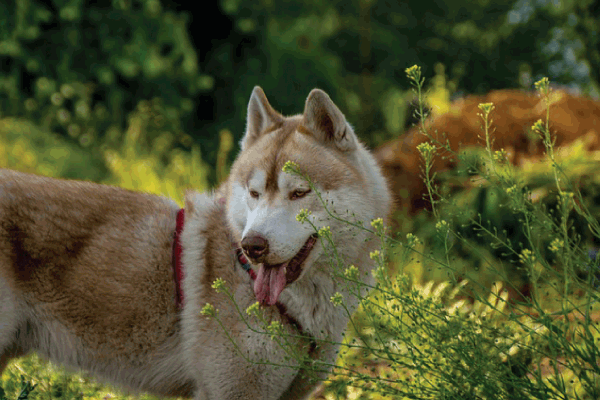
Hyposthenuria, a condition characterized by the inability of the kidneys to concentrate urine effectively, is essentially a chemical imbalance within a dog’s urine. This means that the urine produced is dilute, even when the dog is dehydrated or when the body needs to conserve water. The kidneys, specifically the renal tubules and the collecting ducts, are responsible for reabsorbing water back into the bloodstream, thus concentrating the urine. When this process is impaired, a large volume of dilute urine is excreted, leading to excessive thirst and urination.
Causes of Hyposthenuria in Dogs:
The underlying causes of hyposthenuria are diverse and can range from simple physiological responses to serious underlying diseases. Understanding these causes is crucial for accurate diagnosis and effective treatment.
- Physiological Causes (Temporary Hyposthenuria):
- Excessive Water Intake (Polydipsia): This is the most common and often the simplest cause. If a dog drinks an excessive amount of water, their kidneys will naturally excrete the excess fluid to maintain fluid balance. This is a normal physiological response and not a disease. However, persistent excessive drinking can sometimes be a sign of an underlying issue.
- Dietary Factors: Diets high in sodium or protein can lead to increased water intake to help the body excrete the excess solutes. Certain medications, like diuretics, also work by increasing urine output.
- Pathological Causes (Persistent Hyposthenuria):
- Diabetes Mellitus (Uncontrolled): In dogs with poorly controlled diabetes, high blood glucose levels spill into the urine. The kidneys try to excrete this excess glucose, but the high solute concentration draws more water into the urine, leading to increased urine volume and dilution. This is often accompanied by significant thirst.
- Diabetes Insipidus (DI): This is a more specific condition affecting water regulation. There are two main types:
- Central Diabetes Insipidus (CDI): This results from a deficiency in the production or release of antidiuretic hormone (ADH), also known as vasopressin, from the pituitary gland. ADH is responsible for signaling the kidneys to reabsorb water. Without sufficient ADH, the kidneys cannot concentrate urine. Causes can include brain tumors, head trauma, congenital defects, or idiopathic (unknown) reasons.
- Nephrogenic Diabetes Insipidus (NDI): This occurs when the kidneys are unable to respond to ADH, even if it is present. The kidney tubules are resistant to ADH’s effects, preventing water reabsorption. Causes can include genetic mutations, chronic kidney disease, certain medications (e.g., some chemotherapy drugs, glucocorticoids), electrolyte imbalances (e.g., hypercalcemia, hypokalemia), and certain toxins.
- Chronic Kidney Disease (CKD) / Renal Insufficiency: As kidney function declines due to chronic disease, the kidneys lose their ability to concentrate urine. The remaining functional nephrons become overwhelmed, and the reabsorption of water and solutes becomes less efficient. This is a progressive condition.
- Electrolyte Imbalances:
- Hypercalcemia (High Blood Calcium): Elevated calcium levels can affect kidney function, including their ability to concentrate urine. This can be caused by various underlying conditions such as hyperparathyroidism, certain cancers (lymphoma, anal sac adenocarcinoma), or vitamin D toxicity.
- Hypokalemia (Low Blood Potassium): Low potassium levels can impair the kidney’s concentrating ability. This can be a consequence of other diseases, vomiting, diarrhea, or certain medications.
- Liver Disease (Hepatic Encephalopathy): Severe liver disease can lead to the accumulation of toxins in the bloodstream that affect brain function and can also impact kidney function, leading to a reduced concentrating ability of the urine.
- Certain Medications: Diuretics (like furosemide), steroids (corticosteroids), and some chemotherapy drugs can directly affect kidney function and lead to increased urine output and a less concentrated urine.
- Post-Obstructive Diuresis: After the relief of a urinary tract obstruction (e.g., bladder stones, urethral blockage), the kidneys may initially produce large volumes of dilute urine as they attempt to restore fluid and electrolyte balance.
- Primary Polydipsia (Behavioral): In some cases, dogs may drink excessively due to behavioral reasons or anxiety, which then leads to secondary dilute urine. However, it’s crucial to rule out medical causes first.
Signs and Symptoms of Hyposthenuria in Dogs:
The clinical signs of hyposthenuria are primarily related to the excessive loss of water and the body’s compensatory mechanisms.
- Polyuria (Excessive Urination): This is the hallmark sign. Dogs will urinate more frequently and in larger volumes than usual. You might notice more frequent trips outside, accidents in the house, or a significant increase in the amount of urine in the litter box or yard.
- Polydipsia (Excessive Thirst): To compensate for the constant loss of fluid through dilute urine, dogs with hyposthenuria will drink a lot of water. You may observe them drinking from their water bowl more often, returning to their bowl multiple times, or even seeking out other water sources like puddles or toilets.
- Dilute Urine: The urine will appear pale yellow or even colorless. This is a key diagnostic indicator, though it can only be confirmed through urinalysis.
- Dehydration (in severe cases or if water intake is insufficient): Despite excessive drinking, if the underlying cause is severe or the dog cannot access enough water, they can still become dehydrated. Signs include dry gums, sunken eyes, lethargy, and poor skin turgor (when you gently pinch the skin on their back, it doesn’t snap back into place quickly).
- Weight Loss: If the underlying cause is a serious disease like uncontrolled diabetes or advanced kidney disease, weight loss can occur despite a good appetite.
- Lethargy and Weakness: As the underlying condition progresses, dogs may become less energetic and show signs of weakness.
- Vomiting and Diarrhea: These can be symptoms of the underlying cause, such as kidney disease or electrolyte imbalances, and can also contribute to further fluid and electrolyte loss.
- Changes in Appetite: Appetite can vary depending on the underlying cause. Some dogs may have an increased appetite (e.g., uncontrolled diabetes), while others might have a decreased appetite due to illness.
Dog Breeds at Risk for Hyposthenuria:
While hyposthenuria can affect any dog, certain breeds are predisposed to specific underlying conditions that can lead to this problem.
- Dachshunds: These dogs are genetically predisposed to nephrogenic diabetes insipidus (NDI). Their kidneys have a reduced ability to respond to ADH, leading to the excretion of dilute urine. This is a significant concern in the breed and often requires lifelong management.
- Siberian Huskies and Alaskan Malamutes: These breeds are known to have a higher incidence of central diabetes insipidus (CDI), often due to a genetic predisposition. This means their pituitary gland may not produce or release enough ADH, impairing the kidneys’ ability to concentrate urine.
- German Shepherds: While not exclusively linked to hyposthenuria itself, German Shepherds have a higher prevalence of chronic kidney disease and immune-mediated kidney disorders, which are common causes of impaired urine concentrating ability as the kidneys deteriorate.
- Beagles: Beagles can be prone to certain renal tubular dysfunctions that can affect their ability to concentrate urine. This can manifest as hyposthenuria, often due to impaired water reabsorption in the renal tubules.
- Poodles (all sizes): Poodles are susceptible to various kidney issues, including renal dysplasia and chronic kidney disease, which can lead to a loss of urine concentrating ability over time. Their tendency for certain autoimmune conditions could also indirectly impact kidney function.
- Yorkshire Terriers: This breed can be prone to hyperadrenocorticism (Cushing’s disease), which can cause increased thirst and urination, and in some cases, affect the kidneys’ ability to concentrate urine. They can also be at risk for nephrogenic diabetes insipidus, though less commonly than Dachshunds.
It’s important to note that breed predisposition does not mean other breeds are immune. The genetic makeup and individual health of any dog can lead to hyposthenuria. However, being aware of breed-specific risks can help owners and veterinarians be more vigilant in monitoring these dogs for early signs of kidney dysfunction or diabetes insipidus.
Hyposthenuria in Puppy vs. Adult vs. Older Dogs:
The age of a dog can influence the likelihood of certain causes of hyposthenuria.
- Puppies: Hyposthenuria in puppies is less common but can be serious. Congenital abnormalities of the kidneys, genetic defects leading to forms of diabetes insipidus (especially NDI in Dachshunds or CDI in Huskies), or early-onset renal dysplasia are potential causes. Severe dehydration from infectious diseases like parvovirus can also temporarily affect urine concentrating ability. Their developing renal systems might also be more sensitive to certain toxins.
- Adult Dogs: In healthy adult dogs, hyposthenuria is most often a transient issue due to excessive water intake or dietary factors. However, this is also the age when diabetes mellitus typically develops. Central diabetes insipidus can also manifest in young to middle-aged adult dogs. Acquired kidney disease can begin to develop.
- Older Dogs: Hyposthenuria is more commonly seen in older dogs. This is often a symptom of chronic kidney disease (CKD) or renal insufficiency as the kidneys naturally age and their function declines. Metabolic diseases like hypercalcemia or conditions that affect electrolyte balance, which are more prevalent in senior dogs, can also contribute. Diabetes mellitus can also be diagnosed in older dogs.
Diagnosis of Hyposthenuria:
Diagnosing hyposthenuria involves a multi-step approach to identify the underlying cause.
- Veterinary History and Physical Examination: The veterinarian will ask detailed questions about drinking habits, urination patterns, appetite, energy levels, and any other observed changes. A thorough physical exam will assess for signs of dehydration, underlying organ dysfunction, or abnormalities.
- Urinalysis: This is the cornerstone of diagnosing hyposthenuria.
- Specific Gravity (USG): The most critical measurement is the urine specific gravity (USG). In normal, healthy dogs, the USG should range from 1.015 to 1.045 (though it can vary). A USG below 1.007 to 1.010 in the presence of dehydration or high serum osmolality strongly indicates hyposthenuria.
- Other Urinalysis Parameters: The urinalysis will also check for the presence of glucose (suggesting diabetes mellitus), protein (indicating kidney damage), ketones, blood, and signs of infection.
- Blood Work (Serum Chemistry Panel and Complete Blood Count – CBC):
- Serum Chemistry: This evaluates kidney function (BUN, creatinine), electrolyte levels (sodium, potassium, calcium, chloride), glucose levels (to diagnose diabetes mellitus), liver enzymes, and blood urea nitrogen (BUN).
- CBC: This can help detect infection or inflammation and provide information about red and white blood cell counts.
- Water Deprivation Test (for Diabetes Insipidus): This is a specialized test used to differentiate between central and nephrogenic diabetes insipidus and primary polydipsia. The dog is carefully monitored to see how they respond to a controlled period of water restriction. Urine and blood samples are taken at intervals to assess changes in USG, osmolality, and ADH levels. This test must be performed under strict veterinary supervision due to the risk of severe dehydration.
- Imaging Studies:
- Ultrasound: Renal ultrasound can assess the size, shape, and structure of the kidneys, identifying any signs of chronic kidney disease, tumors, or other abnormalities.
- X-rays: Can be useful for identifying kidney stones or other urinary tract abnormalities.
- Hormone Testing: In cases where diabetes insipidus is suspected, specific hormone levels (e.g., ADH) might be measured.
- Urine Concentrating Ability Test (Less Common for Hyposthenuria): Sometimes, if the cause is unclear and the dog is not overtly dehydrated, a simpler test might involve collecting a urine sample after a period of restricted food intake (which typically leads to some degree of dehydration and therefore concentrated urine). A persistently dilute USG would be indicative of a problem.
Treatment of Hyposthenuria:
Treatment for hyposthenuria is entirely dependent on the underlying cause. The goal is to address the root problem rather than just the symptom of dilute urine.
- For Diabetes Insipidus:
- Central Diabetes Insipidus (CDI): Treatment involves replacing the missing ADH. This is typically done with a synthetic analog of ADH called desmopressin acetate (DDAVP). It can be administered as eye drops, nasal spray, or injections. Dosage needs to be carefully managed to avoid over-administration.
- Nephrogenic Diabetes Insipidus (NDI): Treating NDI is more challenging as the kidneys don’t respond to ADH. Management focuses on reducing the water loss as much as possible. This often involves:
- Thiazide Diuretics: Paradoxically, these diuretics can reduce urine volume in NDI by altering electrolyte transport in the kidneys.
- Low Sodium Diet: Reducing sodium intake helps decrease the solute load the kidneys need to excrete, thereby reducing water loss.
- Adequate Water Access: Ensuring the dog always has access to fresh water is paramount.
- Potassium Supplementation: If hypokalemia is present, it needs to be corrected.
- For Diabetes Mellitus: Management involves insulin therapy, a controlled diet, and regular exercise to regulate blood glucose levels.
- For Chronic Kidney Disease: Treatment focuses on slowing the progression of the disease and managing symptoms. This includes:
- Dietary Management: Prescription diets low in phosphorus and protein, and sometimes supplemented with omega-3 fatty acids and B vitamins.
- Fluid Therapy: Intravenous or subcutaneous fluids may be needed to maintain hydration.
- Medications: Phosphate binders, medications to control blood pressure, and treatments for anemia may be prescribed.
- For Electrolyte Imbalances:
- Hypercalcemia: Treatment depends on the cause but may involve fluid therapy, medications to lower calcium levels, and addressing the underlying condition (e.g., surgery for hyperparathyroidism, chemotherapy for cancer).
- Hypokalemia: Potassium supplementation is administered orally or intravenously.
- For Liver Disease: Treatment involves managing the underlying liver condition and supporting liver function with specialized diets and medications.
- For Medication-Induced Hyposthenuria: If a medication is suspected, the veterinarian may adjust the dosage or switch to an alternative drug.
- For Primary Polydipsia: Behavior modification techniques and counseling with a veterinary behaviorist may be recommended after medical causes have been ruled out.
Prognosis and Complications:
The prognosis for dogs with hyposthenuria varies significantly depending on the underlying cause and how well it is managed.
- Favorable Prognosis:
- Physiological hyposthenuria due to temporary excessive water intake has an excellent prognosis once the excess water is removed.
- Well-controlled Diabetes Mellitus can allow dogs to live relatively normal, comfortable lives for many years.
- Central Diabetes Insipidus (CDI) managed with desmopressin can have a good prognosis, allowing dogs to maintain a normal quality of life.
- Guarded to Poor Prognosis:
- Nephrogenic Diabetes Insipidus (NDI) is generally more challenging to manage, and the prognosis can be guarded, especially if the underlying cause is progressive or cannot be effectively treated.
- Advanced Chronic Kidney Disease has a poor prognosis, as kidney function cannot be restored. The focus shifts to palliative care and maintaining the best quality of life for as long as possible.
- Severe electrolyte imbalances or advanced liver disease can have a poor prognosis if not effectively addressed or if the underlying disease is untreatable.
Complications:
If left untreated or poorly managed, hyposthenuria can lead to several complications:
- Dehydration: Despite excessive drinking, if the kidneys cannot retain enough water, severe dehydration can occur, leading to organ damage and potentially death.
- Electrolyte Imbalances: The constant loss of dilute urine can disrupt the body’s electrolyte balance, leading to serious health issues.
- Urinary Tract Infections (UTIs): While not a direct cause, the increased production of dilute urine can sometimes create an environment conducive to bacterial growth, increasing the risk of UTIs.
- Bladder Enlargement and Atony: Chronic overfilling of the bladder due to excessive fluid intake can lead to the bladder losing its muscle tone and elasticity.
- Kidney Damage: Certain underlying causes, like uncontrolled diabetes or chronic infections, can further damage the kidneys.
- Secondary Complications of Underlying Disease: The complications of the primary disease (e.g., neurological signs in advanced liver disease, bone fractures in severe hypercalcemia) will also be present.
Prevention of Hyposthenuria:
Preventing hyposthenuria is often synonymous with preventing the underlying diseases that cause it.
- Regular Veterinary Check-ups: Routine wellness exams, especially for dogs in predisposed breeds, can help detect early signs of kidney disease, diabetes, or electrolyte imbalances before they become severe.
- Balanced Diet: Feeding a high-quality, balanced diet appropriate for your dog’s age, breed, and activity level can support overall health, including kidney function.
- Adequate Hydration: Always ensure your dog has constant access to fresh, clean water.
- Monitoring Water Intake: Be observant of any sudden or significant changes in your dog’s drinking habits. Excessive thirst should always be investigated by a veterinarian.
- Weight Management: Maintaining a healthy weight can reduce the risk of developing metabolic diseases like diabetes.
- Avoid Toxins: Keep your dog away from potential kidney toxins, such as certain plants, human medications, antifreeze, and pesticides.
- Genetic Counseling (for predisposed breeds): For breeds known to have genetic causes of diabetes insipidus, responsible breeders should screen for these conditions.
- Prompt Treatment of Illnesses: Any illness that can affect kidney function or fluid balance (e.g., infections, vomiting, diarrhea) should be treated promptly.
Diet and Nutrition:
Diet plays a critical role in managing and sometimes preventing hyposthenuria, depending on the cause.
- For Diabetes Mellitus: A diet that is low in simple carbohydrates and high in fiber is generally recommended. The goal is to slow down glucose absorption and prevent rapid spikes in blood sugar. Prescription diets formulated for diabetic dogs are often beneficial.
- For Chronic Kidney Disease (CKD): Low phosphorus and moderate protein diets are crucial. High phosphorus levels in CKD can exacerbate the disease, and reducing protein intake lowers the workload on the kidneys. Diets are often supplemented with omega-3 fatty acids to reduce inflammation and B vitamins to compensate for losses in urine.
- For Diabetes Insipidus (especially Nephrogenic DI): Low sodium diets are often recommended. Reducing sodium intake helps decrease the amount of solute the kidneys need to excrete, which can reduce water loss.
General Dietary Recommendations:
- High-Quality Protein: Ensure the protein source is highly digestible and of good quality, especially for puppies and growing dogs.
- Adequate Fatty Acids: Omega-3 and omega-6 fatty acids are important for skin, coat, and reducing inflammation.
- Vitamins and Minerals: A balanced intake of all essential vitamins and minerals is vital for overall health.
- Fiber: Fiber aids in digestion and can help regulate blood sugar.
- Avoid High Sodium Foods: Limit treats and table scraps that are high in sodium.
- Always Provide Fresh Water: This cannot be stressed enough, especially for dogs with conditions that cause increased thirst or fluid loss.
It is essential to work closely with your veterinarian to determine the most appropriate diet for your dog based on their specific condition and overall health. Prescription diets are often formulated to meet the unique nutritional needs of dogs with kidney disease, diabetes, or other metabolic disorders.
Zoonotic Risk of Hyposthenuria:
Hyposthenuria itself is not a zoonotic disease. This means it cannot be transmitted from dogs to humans.
However, some of the underlying causes of hyposthenuria in dogs can be associated with zoonotic risks or can be exacerbated by conditions that also affect humans. For example:
- Leptospirosis: While not a direct cause of hyposthenuria, Leptospirosis is a bacterial disease that can affect dogs and is zoonotic. It can cause kidney and liver damage, leading to renal insufficiency. If a dog has kidney damage from Leptospirosis, it could lead to hyposthenuria. Strict hygiene and vaccination protocols for dogs can reduce the risk of Leptospirosis.
- Diabetes Mellitus: Diabetes itself is not zoonotic. However, managing diabetes in dogs requires careful monitoring, and poorly controlled diabetes can lead to complications that could potentially be indirectly linked to increased susceptibility to other infections.
- Urinary Tract Infections (UTIs): Some bacteria that cause UTIs in dogs (e.g., E. coli) can also cause UTIs in humans. While hyposthenuria itself doesn’t directly increase the risk of zoonotic UTI transmission, if secondary UTIs are a complication, then good hygiene during handling of urine or cleaning up accidents is always advisable.
In summary, the chemical imbalance of urine in hyposthenuria is specific to the dog’s physiology and is not a direct threat to human health. The focus remains on diagnosing and treating the underlying condition in the dog.
Conclusion:
Hyposthenuria is a complex condition in dogs characterized by the kidneys’ inability to concentrate urine, leading to increased thirst and urination. It is crucial to recognize that this is a symptom, not a disease in itself, and a thorough veterinary investigation is necessary to pinpoint the underlying cause. From physiological responses to serious conditions like diabetes insipidus and chronic kidney disease, the range of potential origins necessitates a tailored diagnostic and treatment approach. With prompt diagnosis, appropriate veterinary care, and vigilant owner monitoring, many dogs with hyposthenuria can achieve a good quality of life, while others may require lifelong management to control their condition and prevent complications.
#Hyposthenuria #DogHealth #CanineHealth #KidneyFunction #DogUrine #VetMed #DogCare #PetHealth #Polyuria #Polydipsia #DiabetesInsipidus #ChronicKidneyDisease #DogLove #PetWellness #VeterinaryMedicine #DogSymptoms #DiluteUrine #CanineCare #HealthyDog #DogAdvice #PetCareTips #DogBreaks #WaterIntake #Dehydration #PetHealthTips #VetTok #DogEducation #CanineWellness #UrinaryHealth







Add comment