
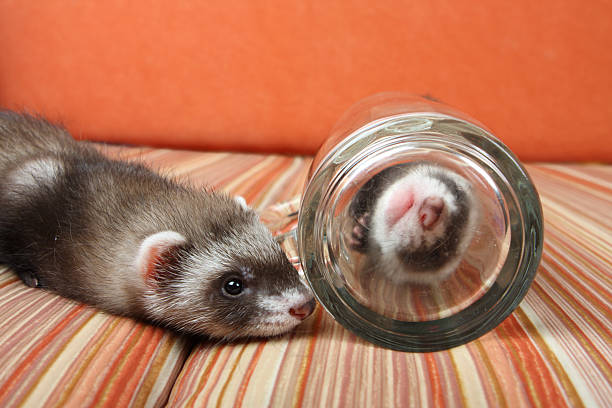
Hypothermia is a medical condition in which the body’s core temperature drops below the level required for normal physiological functioning. In mammals, including ferrets, normal body temperature ranges between 100°F to 104°F (37.8°C to 40°C). Hypothermia occurs when this temperature falls below 99°F (37.2°C), and becomes life-threatening when it drops below 95°F (35°C).
Frostbite is the freezing of skin and underlying tissues, typically affecting extremities such as ears, tail, nose, feet, and scrotum (in intact males). It results from prolonged exposure to freezing temperatures, especially in wet or windy conditions. Frostbite is both a localized injury and a potential complication of hypothermia.
While humans can often recognize early signs of cold stress and take shelter, ferrets cannot. They rely entirely on their owners to monitor environmental conditions and protect them from extreme weather. Even short periods of exposure to cold can be dangerous due to their small body size, high surface area-to-volume ratio, and lack of insulating subcutaneous fat.
2. Causes and Risk Factors
Environmental Causes:
- Cold ambient temperatures: Ferrets are susceptible to cold when temperatures drop below 50°F (10°C), and at-risk conditions intensify when temperatures approach freezing (32°F or 0°C).
- Wet conditions: Rain, snow, or damp fur significantly increase heat loss by conduction and evaporation.
- Wind chill: Even moderately cold temperatures become dangerous with strong winds, as wind accelerates convective heat loss.
- Lack of shelter: Ferrets left outdoors without insulated, draft-free housing are at high risk.
Physiological and Behavioral Factors:
- High metabolic rate: Ferrets have one of the highest metabolic rates among domestic animals. While this gives them energy bursts, it also means they generate heat rapidly but lose it just as quickly.
- Limited fat reserves: Ferrets (especially younger or underweight individuals) lack subcutaneous fat to act as insulation.
- Short fur: Most domestic ferrets have relatively short, single-layered coats (except for angora varieties), which offer minimal protection from cold.
- Age: Very young kits and senior ferrets are more vulnerable due to immature or declining thermoregulatory systems.
- Medical conditions: Ferrets with diabetes, adrenal disease, insulinoma, or cardiac issues are less able to regulate body temperature effectively.
Behavioral Risks:
- Ferrets love to explore and dig. They may burrow into snow or hide in cold, enclosed spaces with poor ventilation.
- They may not return to shelter when cold, especially if excited or hunting prey (e.g., mice or insects).
- Curiosity can override instinct, especially in young ferrets.
3. Signs and Symptoms of Hypothermia
Hypothermia in ferrets progresses through stages, each with distinct clinical signs:
Mild Hypothermia (95°F – 99°F; 35°C – 37.2°C):
- Lethargy and decreased activity
- Shivering (though not always visible due to small size)
- Cold ears, feet, and tail
- Weakness or unsteady gait
- Increased heart rate and breathing initially
Moderate Hypothermia (90°F – 95°F; 32.2°C – 35°C):
- Shivering stops (loss of thermogenic ability)
- Muscle stiffness and reduced coordination
- Depressed mental state (lethargy, unawareness)
- Slowed heart rate (bradycardia) and shallow breathing
- Pale or bluish gums (cyanosis)
- Weak pulse
Severe Hypothermia (Below 90°F; 32.2°C):
- Loss of consciousness
- Very slow or undetectable heart and respiratory rates
- Rigid muscles
- Dilated pupils
- Incontinence
- Coma
- Cardiac arrest
Note: In severe cases, ferrets may appear lifeless. Do not assume death—gently warm and seek immediate veterinary care, as recovery is still possible.
4. Signs and Symptoms of Frostbite
Frostbite often accompanies hypothermia but can occur independently in localized areas exposed to extreme cold.
Early Signs:
- Pale, white, or grayish skin on ears, nose, tail, paws
- Coldness to touch in affected areas
- Swelling or puffiness
- Pain or flinching when touched
Late Signs (After Rewarming):
- Skin turns blue or black as tissue dies (necrosis)
- Blistering
- Dry, hard skin (dry gangrene)
- Sloughing or shedding of dead tissue (days to weeks after injury)
- Susceptibility to secondary infections
Frostbite is classified by depth:
- First-degree: Superficial skin damage; redness and pain; full recovery likely.
- Second-degree: Blisters form; healing with scarring possible.
- Third-degree: Damage to all skin layers; permanent tissue loss.
- Fourth-degree: Deep tissue, muscle, and bone involvement; often requires amputation.
5. Diagnosis in Veterinary Practice
Veterinarians diagnose hypothermia and frostbite through clinical evaluation and temperature measurement.
Hypothermia Diagnosis:
- Rectal temperature measurement: Essential for accurate assessment.
- Physical exam: Check for bradycardia, weak pulses, poor mentation, and cold extremities.
- Blood tests: May reveal metabolic imbalances like hypoglycemia (common in ferrets), acidosis, or electrolyte disturbances.
- ECG: To evaluate cardiac function, as hypothermia can cause arrhythmias.
Frostbite Diagnosis:
- Based on history of cold exposure and visual inspection of affected areas.
- The true extent of tissue damage may not be apparent for several days.
- The vet may use Doppler ultrasound to assess blood flow in the affected region.
- Radiographs may be needed if bone involvement is suspected.
Veterinarians often treat hypothermia and frostbite simultaneously, especially if both conditions are suspected.
6. Emergency Treatment and First Aid
Immediate action can save a ferret’s life.
For Hypothermia:
Step 1: Remove from Cold Environment
- Bring the ferret indoors immediately.
- Wrap in a dry, soft blanket to prevent further heat loss.
Step 2: Gradual Warming
- Do not use direct heat sources like heating pads, hair dryers, or hot water bottles, which can cause burns or thermal injury due to poor sensation in hypothermic animals.
- Use warm (not hot) towels soaked in water around 100°F to 105°F (37.8°C to 40.5°C).
- Place the warm towels around the ferret’s body, avoiding direct contact with skin.
- Replace towels as they cool.
Step 3: Monitor Temperature
- Check rectal temperature every 10–15 minutes.
- Goal: Gradually raise temperature to at least 99°F, then stop active warming to avoid overheating.
Step 4: Warm Fluids (If Conscious)
- Offer warm (not hot) water or a dilute electrolyte solution (e.g., unflavored Pedialyte).
- Do not force fluids if unconscious—risk of aspiration.
Step 5: Seek Veterinary Care Immediately
- Even with improvement, internal organ damage may have occurred.
- Veterinary treatment may include warmed IV fluids, oxygen therapy, cardiac monitoring, and antibiotics if infection is suspected.
For Frostbite:
Step 1: Prevent Further Cold Exposure
- Keep the affected area dry and protected.
- Do not rub or massage the area—this can cause further tissue damage.
Step 2: Slow Rewarming
- Immerse the affected area in warm water (100°F to 105°F / 37.8°C to 40.5°C) for 15–30 minutes.
- Avoid rapid warming.
- Wrap in sterile gauze after rewarming to prevent contamination.
Step 3: Pain Management
- Frostbite is painful during rewarming. Veterinary-prescribed pain relief (e.g., buprenorphine) is crucial.
Step 4: Prevent Secondary Infection
- Keep the area clean.
- Avoid applying lotions or ointments unless directed by a vet.
Step 5: Veterinary Evaluation
- A vet may prescribe antibiotics, anti-inflammatory drugs, or vasodilators to improve circulation.
- Surgical removal of dead tissue may be needed weeks later.
7. Prognosis and Complications
Prognosis for Hypothermia:
- Mild cases: Excellent prognosis with prompt treatment.
- Moderate to severe: Guarded prognosis. Recovery depends on speed of intervention and presence of underlying conditions.
- Prolonged hypothermia can lead to multi-organ failure, irreversible brain damage, or death.
Prognosis for Frostbite:
- Mild (first-degree): Good prognosis; full recovery expected.
- Moderate to severe: Poor prognosis. Necrotic tissue may require amputation of ears, tail, or toes.
- Cosmetic and functional impairments (e.g., balance issues if tail is lost, difficulty eating if nose is affected).
Long-Term Complications:
- Chronic pain from nerve damage.
- Increased sensitivity to cold: Affected areas may be more vulnerable in future cold exposure.
- Behavioral changes: Due to pain or disfigurement.
- Secondary infections: Bacterial infections in necrotic tissue.
- Auto-amputation: Dead tissue may fall off on its own, increasing infection risk.
8. Prevention Strategies
Preventing hypothermia and frostbite is far more effective than treating them.
Environmental Management:
- Avoid outdoor exposure in cold weather: Especially when temperatures are below 50°F (10°C).
- Supervised outdoor time only: Use a secure, enclosed playpen or harness and leash.
- Provide a warm shelter: If housing outdoors is necessary (not recommended), use an insulated, elevated, dry hutch with bedding such as fleece or straw.
- Avoid glass or metal enclosures that retain cold.
- Use heated pads safely: Only use ferret-safe, low-wattage heating devices with chew-proof cords. Avoid electric blankets or hot water bottles without supervision.
Protective Gear:
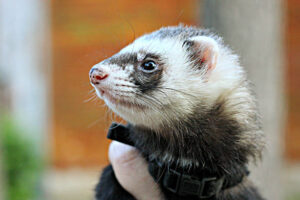
- Consider ferret-safe winter coats or sweaters during brief outdoor excursions.
- Ensure the garment fits snugly but allows movement and doesn’t restrict breathing.
Monitoring and Routine Care:
- Limit outdoor time to under 15–20 minutes in cold weather.
- Watch for signs of distress: shivering, hunching, slow movement.
- Dry the ferret immediately if wet.
- Never leave unattended outdoors.
Indoor Environment:
- Keep indoor temperature between 68°F to 75°F (20°C to 24°C).
- Avoid drafts from windows, doors, or air conditioning.
9. Diet and Nutrition for Cold Weather Resilience
While diet cannot prevent hypothermia, proper nutrition supports thermoregulation and overall health.
High-Quality Ferret Diet:
Ferrets are obligate carnivores and require a diet high in animal protein (30–40%) and fat (15–20%).
Best Diet Components:
- Ferret-specific kibble or high-quality kitten food (grain-free, high-protein).
- Raw or cooked meat (chicken, turkey, lamb) as occasional treats.
- Organ meats (liver, kidney) for essential vitamins.
Key Nutrients for Cold Resistance:
- Fat: Provides concentrated energy for heat production.
- Protein: Supports metabolic rate and muscle function.
- Vitamin E and Omega-3 fatty acids: Improve skin and coat health, enhancing insulation.
- Taurine: Essential for heart and eye health; especially critical in ferrets.
Feeding Adjustments in Cold Weather:
- Increase food intake by 10–20% during colder months if outdoor exposure is unavoidable.
- Offer small, frequent meals to maintain energy and body temperature.
- Ensure constant access to fresh, unfrozen water. Use heated water bowls if necessary.
Foods to Avoid:
- Sugary treats (risk of insulinoma).
- Dairy (ferrets are lactose intolerant).
- Plant-based proteins (hard to digest).
10. Zoonotic Risk Assessment
Zoonotic diseases are infections that can be transmitted from animals to humans.
Do Hypothermia and Frostbite Pose Zoonotic Risks?
- No. Hypothermia and frostbite are not infectious conditions—they are physical responses to environmental cold.
- Therefore, they cannot be transmitted to humans or other animals.
Secondary Zoonotic Concerns:
While the conditions themselves aren’t zoonotic, secondary complications might involve pathogens:
- Bacterial infections from frostbitten tissue (e.g., Staphylococcus, Pseudomonas): These bacteria are common in the environment and could infect humans with open wounds—but transmission from ferrets is rare and preventable with hygiene.
- Fungal infections (e.g., ringworm): More likely in debilitated animals, but not directly related to cold injury.
Preventive Hygiene Measures:
- Wash hands before and after handling a sick ferret.
- Wear gloves when treating frostbitten areas.
- Disinfect cages, bedding, and tools.
- Isolate recovering ferrets from other pets.
Conclusion: The zoonotic risk associated with hypothermia and frostbite in ferrets is negligible. However, good hygiene is always recommended when managing any animal illness.
11. When to See a Veterinarian
Immediate veterinary care is essential if any of the following occur:
- Body temperature below 99°F (37.2°C).
- Loss of consciousness or severe lethargy.
- Signs of frostbite (pale, cold extremities).
- Difficulty breathing.
- Seizures or muscle rigidity.
- No improvement after first-aid warming.
Early intervention greatly improves survival and recovery chances.
12. Breeds and Individual Variability
While there are no distinct ferret “breeds” recognized like dogs, variations exist:
- Standard ferrets: Most common; moderate fur length.
- Angora (or “hooded”) ferrets: Have longer, thicker fur; slightly more cold-tolerant but still at risk.
- Albino ferrets: May have less pigmentation and potentially reduced thermoregulatory capacity.
- Skeletal size: Larger ferrets may retain heat slightly better than smaller ones.
Regardless of variation, no ferret is truly cold-adapted.
13. Myths and Misconceptions
Myth 1: “Ferrets are fine outdoors because they’re related to wild polecats.”
- False. Domestic ferrets are highly adapted to indoor living. Wild polecats have thicker winter coats and natural shelters; domestic ferrets do not.
Myth 2: “If my ferret is active, they’re not cold.”
- False. Ferrets may appear playful even as their core temperature drops. Behavioral signs lag behind physiological changes.
Myth 3: “A sweater is enough protection.”
- Partially true. Sweaters help, but they don’t replace warmth from the environment. Wet or windblown sweaters lose effectiveness.
Myth 4: “Frostbite only happens in sub-zero weather.”
- False. Frostbite can occur at temperatures as high as 32°F (0°C), especially with wind and moisture.
14. Recovery and Rehabilitation
Post-Hypothermia Care:
- Continue monitoring body temperature.
- Provide a warm, quiet recovery space.
- Offer highly palatable, nutrient-dense food.
- Follow vet-prescribed medications.
Post-Frostbite Care:
- Clean affected areas gently as directed.
- Monitor for infection (redness, swelling, pus).
- Limit activity to prevent trauma to healing tissue.
- Administer pain medication regularly.
- Attend follow-up vet visits to assess tissue viability.
Amputations, if needed, are typically performed 2–4 weeks post-injury when the extent of necrosis is clear.
15. Conclusion
Hypothermia and frostbite are serious, life-threatening conditions for outdoor ferrets. Their small size, high metabolism, and lack of natural insulation make them extremely vulnerable to cold environments. While brief, supervised outdoor time can be enriching, owners must understand the dangers and take proactive steps to prevent exposure.
Key Takeaways:
- Ferrets should not be kept outdoors in cold weather.
- Recognize early signs of hypothermia and frostbite.
- Use slow, gentle rewarming techniques—no direct heat.
- Seek veterinary care immediately.
- Proper diet and safe housing are essential for prevention.
- Zoonotic risks are minimal, but hygiene is important.
With proper knowledge and preventive care, ferrets can enjoy safe, healthy lives—indoors, where they belong.
#FerretCareGuide, #FerretHealthTips, #FerretEmergencyResponse, #HypothermiaTreatment, #FrostbiteInAnimals, #FerretSafetyVideo, #PetFirstAidTutorial, #WinterPetCare, #FerretOwnerEducation, #FerretVlog, #FerretChannel, #SmallPetHealth, #FerretTemperature, #FerretWinterTips, #HowToCareForFerrets

Add comment