
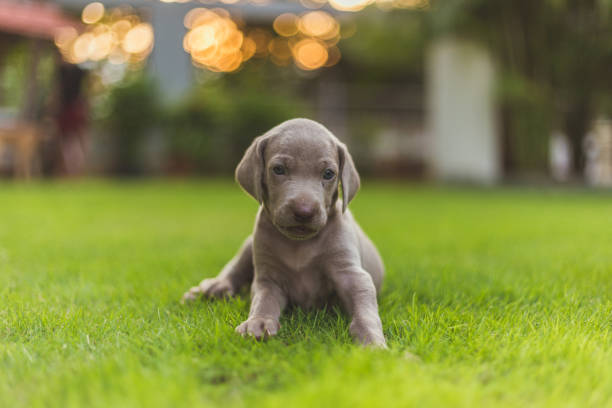
Hypothermia in dogs is a medical condition characterized by a significant drop in core body temperature, typically below the normal range of 38.3 to 39.2 degrees Celsius. When a dog’s body fails to generate enough heat to maintain its internal temperature, it can lead to a cascade of health issues that may become life-threatening if not addressed promptly. This condition is particularly concerning for canines, as their thermoregulation systems can be affected by various factors, including environmental conditions, age, and existing health problems. Understanding hypothermia is crucial for dog owners, as early recognition and intervention can significantly improve a dog’s chances of recovery and long-term well-being.
The severity of hypothermia can vary from mild to severe, with symptoms ranging from shivering and lethargy to more serious signs like weakness and confusion. A dog experiencing mild hypothermia may appear sluggish and may seek out warm places, while severe cases can lead to life-threatening complications such as cardiac arrhythmias and organ failure. The risk of hypothermia is influenced by multiple factors, including a dog’s breed, age, coat condition, and health status. For instance, small breeds, elderly dogs, and those with thin coats are more susceptible to cold-related ailments. Recognizing these risk factors can empower dog owners to take proactive steps in preventing hypothermia, such as providing appropriate shelter, ensuring regular veterinary check-ups, and monitoring their pets’ behavior during cold weather.
This guide will delve into the causes of hypothermia in dogs, the breeds most at risk, and the age ranges most vulnerable to this condition. It will also explore the importance of early diagnosis, effective treatment options, and the prognosis associated with hypothermia. Additionally, we will discuss preventive measures, dietary considerations, and the zoonotic risk related to this condition. By equipping dog owners with comprehensive knowledge, this article aims to enhance their ability to safeguard their pets against the potentially serious consequences of hypothermia. 🚨
Causes of Hypothermia in Dogs
Hypothermia in dogs can arise from a variety of causes, often stemming from environmental, physiological, or pathological factors that disrupt the body’s ability to regulate temperature. One of the most common environmental causes is prolonged exposure to cold and wet conditions. When dogs are left in cold, damp environments without sufficient shelter, they can lose body heat rapidly. This is particularly dangerous during inclement weather, such as heavy rain or snowfall, where moisture can conduct heat away from the body more efficiently than air. Dogs that are in outdoor settings without access to a dry and warm resting area are at a higher risk of developing hypothermia.
Age is another significant factor. Elderly dogs are more susceptible to hypothermia due to a natural decline in metabolic rate and thermoregulatory ability. As they age, their bodies may struggle to generate the necessary heat to maintain a stable core temperature, especially in colder environments. Similarly, puppies, whose thermoregulatory systems are still developing, are also vulnerable to this condition. The immaturity of their temperature regulation can lead to a lower production of heat, making them prone to heat loss when exposed to cold.
Underlying health conditions can also contribute to the development of hypothermia. Dogs suffering from chronic illnesses such as hypothyroidism, diabetes, or infectious diseases may experience impaired heat production and regulation. For example, canine hypothyroidism can lead to a reduced metabolic rate, making it challenging for a dog to maintain an optimal body temperature. Additionally, puppies and senior dogs with weaker immune systems may contract infections that weaken their body’s ability to combat cold stress, further increasing the risk of hypothermia.
Trauma is another critical cause of hypothermia in dogs. Injuries that result in shock can lead to a rapid drop in body temperature. When a dog experiences significant blood loss or trauma from accidents, its blood vessels may dilate, allowing heat to escape more quickly. This condition is exacerbated by the body’s focus on prioritizing energy for survival rather than maintaining temperature. For instance, a dog involved in a car accident may not only suffer from physical injuries but also experience a drop in body temperature due to the combined effects of blood loss and shock.
Other factors can contribute to hypothermia as well. Prolonged exposure to cold water during activities like swimming or being submerged in icy conditions can lead to a significant loss of body heat. Moreover, dogs that have undergone sedation or anesthesia are at risk, as these medications can suppress the dog’s ability to generate heat and regulate its temperature effectively. Additionally, dogs with hypoglycemia (low blood sugar) are more prone to hypothermia, as their bodies may lack the energy required to maintain normal temperature regulation.
In summary, understanding the multifaceted causes of hypothermia in dogs is essential for pet owners. Environmental conditions, age-related vulnerabilities, health status, trauma, and other contributing factors can all play a role in this condition. By recognizing these causes, owners can take proactive measures to protect their dogs from cold-related illnesses, ensuring their pets remain safe and healthy, particularly during the colder months. 🐾
Dog Breeds at Risk of Hypothermia
Certain dog breeds are more susceptible to hypothermia due to their physiological characteristics and specific vulnerabilities. Small dog breeds, such as Chihuahuas and York Terriers, are at a heightened risk because of their low body mass. Their smaller size equates to a higher surface area-to-volume ratio, which means they lose heat more quickly than larger breeds. This can lead to a rapid drop in body temperature when exposed to cold environments, making them particularly vulnerable to hypothermia.
Elderly dogs also face a significant risk due to the natural decline in their metabolic rate and thermoregulatory capabilities as they age. As their bodies age, their ability to generate and retain heat diminishes, leaving them more prone to cold stress. In addition, senior dogs may suffer from age-related health conditions that further compromise their ability to regulate temperature effectively. This combination of factors can make even mild cold exposure a serious threat for older canines.
Dogs with poor coat conditions are at risk as well. Breeds with thin coats or those that have been clipped (often for grooming purposes) lose their natural insulation. This includes breeds such as Whippets and Greyhounds, which are already relatively lean and lack the thick fur that would otherwise protect them from the cold. When these dogs are exposed to cold weather, they are more likely to experience a rapid loss of body heat, increasing the likelihood of hypothermia.
In addition, certain breeds with specific anatomical features may be at higher risk. For example, breeds with brachycephalic (flat-faced) characteristics, like Pugs and Bulldogs, may struggle with thermoregulation due to their breathing difficulties. Their inability to pant effectively can hinder their capacity to regulate body temperature in cold environments. Furthermore, breeds prone to obesity can also be at risk, as excess weight can insulate them adequately but may lead to other health issues that complicate their temperature regulation.
Understanding these breed-specific vulnerabilities is essential for responsible dog ownership. By recognizing the unique needs and risks associated with different breeds, owners can take targeted measures to protect their pets from the dangers of hypothermia, such as providing appropriate shelter and clothing during cold weather. This awareness can ultimately contribute to better health outcomes and a safer environment for their canine companions. 🐾
Age Groups Vulnerable to Hypothermia
Hypothermia in dogs can affect various age groups, each with distinct risks and vulnerabilities associated with this condition. Puppies are particularly susceptible due to their underdeveloped thermoregulatory systems. Their small size and immature metabolic functions mean they cannot generate and retain body heat efficiently compared to adult dogs. This makes them more prone to cold stress, especially in environments that expose them to cold temperatures or moisture. Puppies may not exhibit typical signs of hypothermia, such as shivering and lethargy, due to their youthful energy, which can complicate early detection and intervention.
Adult dogs, while generally more resilient due to their developed thermoregulatory systems and greater body mass, can still be at risk if they have underlying health conditions or are exposed to extreme weather. Conditions like hypothyroidism or diabetes can impair an adult dog’s ability to regulate body temperature effectively. Additionally, if an adult dog experiences trauma or illness that leads to shock, it may develop hypothermia even in moderate temperatures. It is crucial for owners to consider any changes in behavior or energy levels, especially during colder months, as early indicators of a potential health issue.
Older dogs are another significant group vulnerable to hypothermia, primarily due to the age-related decline in their metabolic and physiological functions. As their metabolism slows down, their capacity to generate internal heat decreases, leaving them more susceptible to cold environments. Chronic health conditions prevalent in senior dogs, such as arthritis or heart disease, can further compromise their body’s ability to regulate temperature. This makes it vital for owners to provide additional care and protection for older dogs, including ensuring they have warm, dry spaces to rest and monitoring their behavior for signs of discomfort or cold exposure.
Recognizing these age-related differences is essential for dog owners to implement appropriate preventive measures tailored to each stage of a dog’s life. By understanding the unique vulnerabilities of puppies, adults, and senior dogs, owners can enhance their pets’ safety and well-being during cold weather, ultimately contributing to a healthier and more enjoyable life for their canine companions. 🐾
Diagnosis of Hypothermia in Dogs
Diagnosing hypothermia in dogs requires a systematic approach that involves assessing clinical signs and utilizing diagnostic tools to confirm the condition and identify any underlying causes. The first step is to observe the dog for symptoms that may indicate a drop in body temperature. Common signs of hypothermia in canines include shivering, lethargy, weakness, confusion, and a decreased response to stimuli. In severe cases, dogs may exhibit extreme muscle rigidity, seizures, or even coma. Recognizing these symptoms is crucial for prompt intervention, as early detection can significantly impact the dog’s prognosis.
Once the symptoms are identified, the next step is to measure the dog’s body temperature using a rectal thermometer, as this is the most accurate method for determining if the dog’s temperature falls below the normal range of 38.3 to 39.2 degrees Celsius. If the temperature is indeed low, it is essential to consider the context in which the hypothermia occurred. For instance, does the dog appear to have been exposed to cold or wet conditions recently? This contextual information can help determine the cause and guide subsequent treatment.
After confirming the presence of hypothermia, veterinarians typically perform a thorough physical examination to look for signs of underlying conditions that may have contributed to the hypothermia. This includes checking for injuries, evidence of shock, and any signs of illness that could be linked to the temperature drop. For example, trauma or infection might be the root cause, and identifying these can influence both the treatment plan and the overall management of the condition.
Diagnostic tools play a vital role in the assessment process. Blood tests can reveal important information about the dog’s overall health, including electrolyte imbalances, blood cell counts, and the presence of any infections. For instance, a complete blood count (CBC) can indicate if there is an underlying infection or anemia, while a biochemistry profile can assess the function of organs that may be affected by the hypothermia, such as the liver and kidneys. In cases where trauma is suspected, imaging techniques like X-rays or ultrasounds may be utilized to detect internal injuries or abnormalities that could be contributing to the condition.
In addition to these diagnostic methods, monitoring the dog’s response to initial treatments can also provide valuable insight. If the dog begins to show signs of improvement after being warmed up, this can help confirm that hypothermia is the primary issue rather than a more complex underlying condition. However, in more severe cases, further diagnostics may be necessary to assess for complications such as cardiac dysrhythmias or organ failure, which can arise from prolonged hypothermia.
By employing a comprehensive approach to diagnosis, including observation of symptoms, physical examination, and utilization of diagnostic tools, veterinarians can effectively determine the cause of hypothermia in dogs. This enables the implementation of a targeted treatment plan that addresses not only the symptoms but also any underlying health issues contributing to the condition. Early and accurate diagnosis is paramount in ensuring the best possible outcome for the canine patient. 🐾
Treatment of Hypothermia in Dogs
The treatment of hypothermia in dogs involves a multifaceted approach aimed at rewarming the body, managing any complications, and addressing underlying causes. Immediate action is critical, as the risk of severe health complications or death increases significantly if the condition is left untreated or if treatment is delayed.
One of the first steps in treating a dog with hypothermia is to begin the rewarming process. The primary goal is to gradually increase the dog’s body temperature to a safe range. This can be done using a combination of external and internal rewarming techniques. External rewarming may involve the application of warm, dry towels or blankets to the body, particularly focusing on the core areas such as the chest, back, and abdomen. It’s important to avoid using direct heat sources like heating pads, which can cause burns if applied inappropriately. Additionally, gently placing the dog in a warm environment, such as a heated crate or bed, can help facilitate passive rewarming. It is crucial to ensure that the dog is kept dry during this process, as wet fur can conduct heat away from the body and exacerbate the condition.
For dogs experiencing moderate to severe hypothermia, internal rewarming methods may be necessary. This can include the administration of warm intravenous fluids, which helps to raise the body temperature from the inside out. The fluids should be warmed to approximately 40 degrees Celsius, as this minimizes the risk of further chilling the dog. In some cases, heated humidified oxygen may also be delivered via an oxygen mask or nasal cannula, which helps to provide warmth while also correcting any potential oxygen deficiency that may accompany hypothermia. However, it is essential to monitor the dog’s response to these interventions, as rapid rewarming can lead to adverse effects such as vasodilation and the subsequent drop in blood pressure.
In addition to rewarming efforts, managing any associated complications is vital. Dogs with hypothermia may experience shock, which can result in a decrease in blood pressure and poor circulation. To counteract shock, supportive care such as fluid therapy can help stabilize the dog’s cardiovascular system. Monitoring the dog’s vital signs, including heart rate, respiratory rate, and temperature, is essential throughout the treatment process. If the dog exhibits signs of distress or worsening symptoms, the treatment plan may need to be adjusted accordingly.
Addressing the underlying causes of hypothermia is another critical aspect of treatment. For instance, if the hypothermia resulted from trauma or an existing health condition, the root issue must be treated simultaneously. This may involve surgical intervention for injuries or medication for chronic illnesses such as hypothyroidism. In cases of infectious diseases that have led to hypothermia, appropriate antibiotics or antiviral treatments should be initiated as soon as possible. Furthermore, if the dog is experiencing hypoglycemia (low blood sugar), which can be a contributing factor to hypothermia, glucose solutions may be administered to stabilize the dog’s energy levels and support its thermoregulation.
Post-recovery care is equally important in ensuring the dog’s long-term health. After the dog’s body temperature has been successfully restored to a normal range, it should be closely monitored for any residual effects of the hypothermia. This may include keeping the dog in a warm, controlled environment and continuing to provide supportive care, such as nutritional support and hydration, to aid in the recovery process. Gradually reintroducing normal activities and routines can help the dog adjust and regain its strength.
In summary, the treatment of hypothermia in dogs requires a thoughtful and comprehensive approach that includes immediate rewarming, managing complications, and addressing underlying causes. By implementing these strategies effectively, pet owners and veterinarians can work together to enhance the chances of a full recovery and prevent additional health issues from arising. 🐾
Prognosis and Complications of Hypothermia in Dogs
The prognosis for a dog suffering from hypothermia is contingent upon several critical factors, primarily the severity of the condition and the promptness of treatment. In mild cases, where the dog’s body temperature is just slightly below the normal range and there are no underlying health issues, the prognosis is generally favorable. With immediate intervention and careful rewarming, these dogs can often recover fully without long-term complications. However, the situation becomes increasingly dire in moderate to severe cases, particularly when the dog has experienced prolonged exposure to cold or is suffering from an underlying health condition.
In moderate hypothermia, where the dog’s core temperature has significantly dropped and the animal exhibits symptoms such as lethargy, weakness, and confusion, the recovery process may take longer and can be more complex. Dogs in this category may require not only rewarming but also support for associated complications like dehydration or electrolyte imbalances. For instance, if a dog is experiencing shock due to the cold, it may require intravenous fluids to stabilize blood pressure and protect vital organs. The success of treatment in moderate cases still hinges on timely intervention; if left unaddressed, these conditions can rapidly progress to life-threatening complications.
Severe hypothermia, characterized by a dangerously low body temperature and the potential for organ failure, poses the most significant risks. Dogs with severe hypothermia can exhibit extreme symptoms such as cardiac arrhythmias, altered mental status, and respiratory distress. Additionally, the risk of complications such as hypoglycemia, which can arise from the body’s inability to generate energy in cold conditions, increases dramatically. This can lead to further health declines, as the dog may struggle to maintain essential bodily functions. In the worst scenarios, without immediate veterinary care, the prognosis can be grim, and the dog may succumb to the effects of hypothermia.
Complications that can arise from hypothermia in dogs include not only cardiovascular and respiratory issues but also secondary infections, which can occur if the immune system is compromised due to the hypothermic state. Moreover, prolonged exposure to cold can lead to tissue necrosis, particularly in extremities such as paws, leading to long-term mobility issues if not addressed early. It is essential for owners to recognize the signs of hypothermia and seek veterinary care promptly to mitigate these potential complications and improve the dog’s chances of a full recovery. Ultimately, the key to a favorable prognosis lies in immediate intervention, close monitoring during the recovery process, and addressing any underlying conditions that may have contributed to the hypothermia. 🐶
Preventing Hypothermia in Dogs
Preventing hypothermia in dogs is essential, particularly during the colder months or when the animal is exposed to harsh weather conditions. One of the primary strategies involves ensuring that dogs are not left outside for extended periods during cold weather. Owners should provide a warm, dry shelter that is insulated and protected from wind and moisture. This is especially important for small breeds and short-haired dogs, which are more susceptible to the cold. Creating an indoor area with a heat source, such as a heated bed or space heater, can significantly reduce the risk of hypothermia.
In addition to shelter, clothing can be a valuable asset in preventing hypothermia. Selecting appropriate dog coats or sweaters is crucial, especially for dogs with thin fur or breeds known for their vulnerability to cold. These garments should be well-fitted and made from insulating materials to provide warmth without restricting movement. It is essential to monitor the dog for signs of discomfort or overheating if they are dressed in clothing, as not all dogs may be comfortable with it.
Maintaining a balanced diet is another critical aspect of preventing hypothermia. A high-calorie, nutrient-rich diet helps dogs maintain their energy levels and body heat. Ensuring that the dog has access to clean, fresh water at all times is also vital, as hydration plays a pivotal role in thermoregulation. In particular, foods rich in protein and healthy fats can contribute to a dog’s ability to generate internal heat. Supplements, such as omega-3 fatty acids, can further support overall health and resilience against cold-related illnesses.
Lastly, regular health check-ups with a veterinarian are essential for monitoring a dog’s well-being and addressing any underlying health issues that may increase their susceptibility to hypothermia. By implementing these preventive measures—ensuring appropriate shelter, clothing, nutrition, and veterinary care—owners can significantly reduce the risk of hypothermia in their dogs and promote a safer, healthier environment during cold weather. 🐾
Diet and Nutrition for Dogs Recovering from Hypothermia
A well-balanced diet plays a crucial role in the recovery of dogs who have experienced hypothermia. Nutritional support is essential for restoring the dog’s energy reserves, promoting thermoregulation, and supporting overall health following the stress caused by the condition. A high-calorie, protein-rich diet is particularly important, as it helps replenish the energy stores that may have been depleted during the hypothermic episode. Lean meats like chicken, turkey, and fish, which are rich in proteins and essential amino acids, can aid in rebuilding muscle mass and boosting the dog’s metabolic functions.
In addition to protein, incorporating complex carbohydrates into the diet can provide sustained energy to support the dog’s thermoregulation. Whole grains such as brown rice, oats, and barley are excellent sources of fiber and carbohydrates that contribute to a steady release of energy. These carbohydrates not only help maintain body temperature but also support digestive health, allowing for better nutrient absorption. Furthermore, including vegetables like sweet potatoes and carrots can provide essential vitamins and minerals that enhance the immune system and aid in recovery.
Hydration is another critical component of a dog’s recovery from hypothermia. Dehydrated dogs are at a higher risk for complications, so ensuring access to clean, fresh water at all times is paramount. If the dog is reluctant to drink, adding a bit of low-sodium broth to their water can encourage consumption while also providing additional nutrients. Moreover, some dog owners may consider using probiotics or digestive enzymes to support gastrointestinal health and enhance the absorption of nutrients, which is especially important following an illness like hypothermia.
Supplements may also play a role in the dog’s recovery. Omega-3 fatty acids, found in fish oil, can help reduce inflammation and support cardiovascular health, which is vital for dogs recovering from the stress of hypothermia. Similarly, vitamins such as B-complex can enhance energy metabolism and promote overall well-being. It is essential to consult with a veterinarian to determine the appropriate supplements for the dog based on its individual needs and health status.
By focusing on a diet that promotes energy, hydration, and overall health, dog owners can significantly aid in the recovery of their pets following an episode of hypothermia. This nutritional support not only helps restore the dog’s physical condition but also contributes to improved well-being and resilience against future health challenges. 🐾
Zoonotic Risk of Hypothermia in Dogs
Hypothermia itself is not considered a zoonotic disease, meaning it does not pose a direct risk of transmission from dogs to humans or vice versa. However, it is essential to recognize that while the condition does not transfer between species, the underlying health issues that may lead to hypothermia in dogs can potentially impact human health in indirect ways. For example, a dog with an infectious disease that has compromised its immune system may be more vulnerable to cold-related illnesses, including hypothermia. In such cases, if the disease is transmissible to humans, like certain types of bacterial infections or viruses, it becomes crucial for owners to monitor their dogs closely and seek veterinary care promptly.
Moreover, while hypothermia in dogs is not contagious, the context in which it occurs can sometimes raise concerns. For instance, if a dog is exhibiting signs of hypothermia due to exposure to a pathogen that affects both dogs and humans, such as the canine parvovirus, it is important for owners to practice good hygiene to minimize the risk of transmission. This includes cleaning up after their pets, washing hands thoroughly after handling a sick dog, and keeping the living area clean to reduce the risk of cross-contamination.
Additionally, when a dog is recovering from hypothermia, it can serve as a reminder for owners to be vigilant about their own health, especially during cold weather. Ensuring that both pets and people are well-insulated and maintaining a warm environment for all can help prevent hypothermia in both species. It is also wise to be aware of the signs of hypothermia in oneself or family members, as recognizing and addressing the condition early can lead to better outcomes for everyone involved.
Ultimately, while hypothermia in dogs may not be zoonotic, understanding the relationship between the health of pets and their owners is vital. By focusing on the overall health of their dogs and being mindful of potential underlying issues, owners can create a safer, healthier environment for both their pets and themselves. 🐾
Conclusion
Hypothermia in dogs is a serious condition that demands immediate attention to prevent life-threatening complications. Understanding the causes, such as prolonged exposure to cold, age-related vulnerabilities, health conditions, and trauma, is essential for pet owners to recognize the risks their dogs may face. By identifying at-risk breeds and age groups, owners can implement proactive measures to safeguard their pets from cold-related illnesses.
Diagnosing hypothermia early is crucial for effective treatment, which involves gradual rewarming and addressing underlying health issues. Prognosis varies depending on the severity of the condition and the speed of intervention, highlighting the importance of prompt veterinary care. Preventing hypothermia requires strategies such as providing adequate shelter, dressing dogs appropriately in cold weather, and ensuring a balanced diet that supports their thermoregulation.
Furthermore, understanding the non-zoonotic nature of hypothermia but recognizing the potential for related health issues to impact both pets and owners emphasizes the importance of holistic care. The role of diet and nutrition in recovery is vital, as it supports the dog’s energy levels and overall health during the healing process.
In conclusion, by adhering to these guidelines and remaining vigilant, dog owners can create a safer environment for their pets, especially during the colder months. Engaging with the information provided in this comprehensive guide will help ensure that pets remain healthy and protected against the dangers of hypothermia, fostering a safer and healthier relationship between canines and their caretakers.
#DogHypothermia, #CanineHealth, #DogEmergencyCare, #PetHealth, #HypothermiaInDogs, #DogFirstAid, #VetTips, #DogSafety, #CanineWellness, #DogTemperature, #DogHealthcare, #PuppyHypothermia, #SeniorDogCare, #DogNutrition, #ThermoregulationInDogs, #DogRecovery, #DogOwner, #PetCareTips, #ZoonoticDiseases, #DogEmergency






Add comment