
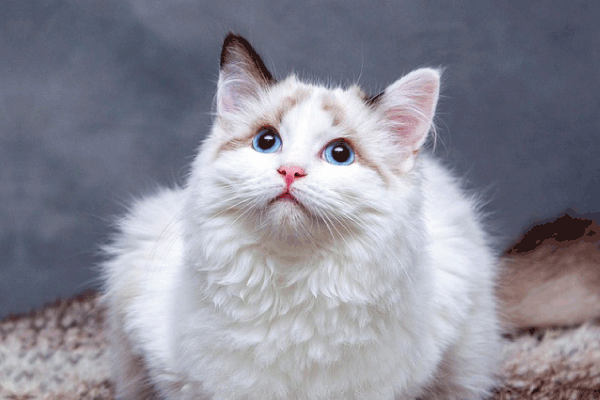
The immune system of the domestic cat (Felis catus) is a marvel of evolutionary engineering, a complex, interconnected biological network designed to defend the body against pathogens, foreign invaders, and rogue endogenous cells (like cancerous ones). Unlike a single organ, the immune system is dispersed throughout the cat’s body, utilizing specialized tissues, circulating cells, and sophisticated chemical signaling molecules to detect, neutralize, and remember threats.
This guide provides an exhaustive look into the anatomy, cellular components, functional mechanisms, and critical clinical significance of feline immunology, detailing the dual nature of its defenses: the rapid, nonspecific Innate Immunity and the precise, memory-based Adaptive Immunity.
I. INTRODUCTION TO FELINE IMMUNOLOGY
The fundamental purpose of the feline immune system is the maintenance of internal homeostasis, achieved through three primary tasks:
- Surveillance: Continuously monitoring the body for signs of invasion or damage.
- Defense: Mobilizing resources to neutralize or eliminate the threat.
- Memory: Recording the identity of the threat to mount a faster, more effective response upon subsequent exposure (immunological memory).
Feline immunity faces unique challenges, particularly the prevalence of immunosuppressive retroviruses like Feline Immunodeficiency Virus (FIV) and Feline Leukemia Virus (FeLV), which specifically target and disrupt key components of the immune landscape, underscoring the delicate balance required for feline health.
The system is broadly categorized into two overlapping arms:
| Immune System Arm | Speed | Specificity | Memory | Components |
|---|---|---|---|---|
| Innate (Nonspecific) | Immediate (minutes/hours) | Low/General | None | Physical barriers, Phagocytes, Complement proteins |
| Adaptive (Specific) | Slow (days/weeks) | High/Targeted | Strong | Lymphocytes (T and B cells), Antibodies |
II. ANATOMY AND STRUCTURE OF THE FELINE IMMUNE SYSTEM
The architecture of the feline immune system is comprised of specialized tissues known as lymphoid organs, which are responsible for the generation, maturation, and activation of immune cells. These organs are divided into primary and secondary categories.
A. Primary Lymphoid Organs (Cell Genesis and Maturation)
These organs are where immune cells are created and educated to distinguish “self” from “non-self.”
1. Bone Marrow
The bone marrow, particularly in long bones, is the site of hematopoiesis—the continuous process of generating all blood cell lineages, including red blood cells, platelets, and all immune cells (leukocytes).
- Stem Cell Origin: Pluripotent hematopoietic stem cells differentiate into either myeloid progenitors (giving rise to innate phagocytes, mast cells, and granulocytes) or lymphoid progenitors (giving rise to T cells, B cells, and NK cells).
- B-Cell Maturation: In cats, dogs, and humans, B lymphocytes (the antibody producers) largely mature and are selected within the bone marrow itself, ensuring they do not react against the cat’s own tissues before release.
2. Thymus
Located in the cranial chest (mediastinum), the thymus is most prominent and active in kittens and young cats, undergoing gradual atrophy (involution) as the cat matures.
- T-Cell Education: Immature T-lymphocytes (thymocytes) migrate from the bone marrow to the thymic cortex. Here, they undergo rigorous positive and negative selection processes to mature into functional T-cells.
- Positive Selection: Ensures the T-cell receptor (TCR) can recognize the cat’s own Major Histocompatibility Complex (MHC) molecules.
- Negative Selection: Eliminates T-cells that bind too strongly to self-antigens, a crucial step in preventing autoimmune disease (clonal deletion).
B. Secondary Lymphoid Organs (Cell Activation and Response)
These are the battlegrounds where mature, naive immune cells encounter antigens and launch an adaptive response.
1. Lymph Nodes
Lymph nodes are critical, encapsulated, bean-shaped structures distributed throughout the cat’s body, filtering interstitial fluid (lymph) drained from various tissues.
- Structure:
- Cortex: Contains B cell follicles, which become germinal centers when activated by antigen.
- Paracortex: Populated mainly by T-cells and antigen-presenting cells (APCs), especially dendritic cells. This is the primary site of T-cell activation.
- Medulla: Contains plasma cells (activated B cells) and macrophages, which release antibodies into the efferent lymph vessel.
- Function: They serve as meeting points, concentrating antigens collected from infected sites, allowing APCs to present these antigens efficiently to T and B cells, initiating a specific immune cascade.
2. Spleen
The cat’s spleen is a large, abdominal organ that filters the blood rather than the lymph. It is the major site for the initiation of immune responses against blood-borne pathogens.
- White Pulp: Structurally analogous to a lymph node, surrounding arterioles. It contains periarteriolar lymphoid sheaths (PALS) rich in T-cells, and marginal zones containing B-cell follicles. This is the immune center of the spleen.
- Red Pulp: Primarily involved in filtering old or damaged red blood cells (RBCs) and storing platelets. It contains vast networks of macrophages responsible for clearing cellular debris and bacteria from the bloodstream.
3. Mucosa-Associated Lymphoid Tissue (MALT)
MALT represents the diffuse lymphoid tissue strategically positioned beneath mucous membranes, serving as the largest and most constantly challenged site of defense.
- GALT (Gut-Associated Lymphoid Tissue): Includes Peyer’s Patches in the small intestine, critical for managing the vast microbial load of the gut. It is essential for IgA production, providing ‘secretory immunity’ at mucosal surfaces.
- BALT (Bronchial-Associated Lymphoid Tissue): Guards the respiratory tract against inhaled pathogens.
- NALT (Nasal-Associated Lymphoid Tissue): Protects the upper respiratory system.
III. THE CELLULAR COMPONENTS OF THE FELINE IMMUNE SYSTEM
The immune system relies on a diverse army of white blood cells (leukocytes), each with distinct roles in surveillance, phagocytosis, and specific targeting.
A. Phagocytic Cells (The First Responders)
These are cells specialized in engulfing (phagocytosing) and destroying pathogens or cellular debris.
1. Neutrophils
- Abundance and Role: The most numerous type of circulating white blood cell in the cat (and mammals). They are the rapid responders, arriving first at acute sites of inflammation.
- Action: They engulf bacteria and fungi and destroy them using potent antimicrobial enzymes and reactive oxygen species sequestered within their granules. Their primary method of self-destruction after killing a pathogen contributes to the formation of pus.
2. Monocytes and Macrophages
- Monocytes: Circulate in the blood and migrate into tissues, where they differentiate into macrophages.
- Macrophages (“Big Eaters”): Large, long-lived cells that reside in specific tissues (e.g., Kupffer cells in the liver, alveolar macrophages in the lungs). They are powerful phagocytes, clearing debris and acting as crucial Antigen-Presenting Cells (APCs), linking innate and adaptive immunity. They also produce inflammatory cytokines.
3. Dendritic Cells (DCs)
- Function: DCs are the most potent APCs. They survey the environment (especially skin and mucosa), capture antigens, process them, and then migrate to the nearest lymph node.
- Activation: Once in the paracortex of the lymph node, they display the antigen fragments on their MHC molecules, activating naive T-cells—the critical step needed to initiate adaptive immunity.
B. Lymphocytes (The Architects of Specific Immunity)
Lymphocytes are responsible for highly specific, memory-based defense mechanisms.
1. B Lymphocytes (B Cells)
- Origin and Location: Mature in the bone marrow, reside in lymphoid follicles of the spleen and lymph nodes.
- Function: When activated by an antigen (often with T-Helper cell assistance), B cells differentiate into:
- Plasma Cells: Factory cells that rapidly produce and secrete massive amounts of specific antibodies (immunoglobulins).
- Memory B Cells: Long-lived cells that remain dormant. Upon subsequent exposure to the same pathogen, they immediately differentiate into plasma cells, yielding a faster, stronger secondary response.
2. T Lymphocytes (T Cells)
- Origin and Location: Mature in the thymus, reside primarily in the paracortex of lymph nodes and the PALS of the spleen. They employ cell-to-cell contact rather than antibodies for defense.
- Subtypes:
- Helper T Cells ($T_H$ or $CD4^+$ cells): The central command of the adaptive system. They release cytokines that regulate and boost the activity of virtually all other immune cells (macrophages, B cells, and Cytotoxic T cells). They are the prime targets of FIV, leading to profound immunosuppression when depleted.
- Cytotoxic T Lymphocytes ($T_C$ or $CD8^+$ cells): Specialized assassins. They recognize and kill host cells that are internally infected (e.g., by viruses or intracellular bacteria) or have become cancerous. They induce apoptosis (programmed cell death) in the target cell.
- Regulatory T Cells ($T_{reg}$ cells): Crucial for maintaining immune tolerance. They suppress the activity of other T cells, preventing excessive or autoimmune responses after a pathogen has been cleared or ensuring the immune system ignores harmless self-antigens.
3. Natural Killer (NK) Cells
- Classification and Function: Part of the innate lymphoid compartment. NK cells are designed to recognize and kill cells that lack or downregulate their MHC Class I molecules—a common evasive strategy used by viruses and cancer cells. They are a critical, non-specific surveillance mechanism against internal threats.
IV. FUNCTIONS OF INNATE IMMUNITY (THE NONSPECIFIC DEFENSE)
The innate system is the cat’s immediate line of defense, ready to act within minutes to hours.
A. Physical and Chemical Barriers
The skin and mucous membranes form the physical walls that prevent entry.
- Skin: Provides a tough, keratinized barrier.
- Mucosa: The epithelial lining of the respiratory, digestive, and urogenital tracts.
- Mechanical Actions: Cilia sweep pathogens out of airways, coughing and sneezing expel particles, and peristalsis clears the gut.
- Chemical Defenses: Stomach acid eliminates most ingested microbes. Lysozyme in tears and saliva breaks down bacterial cell walls. Defensins (small antimicrobial peptides) are secreted by epithelial cells.
B. The Inflammatory Response
If pathogens breach the external barriers, inflammation is the immediate, localized, vascular, and cellular reaction.
- Initiation: Tissue damage or pathogen recognition (via Pattern Recognition Receptors, PRRs) triggers the release of chemical mediators (histamine, prostaglandins, leukotrienes) from mast cells.
- Vascular Changes: Vasodilation increases blood flow (causing redness and heat), and increased capillary permeability allows fluid (exudate) and plasma proteins to leak into the tissue (causing swelling).
- Cellular Recruitment: Chemokines direct neutrophils and, later, monocytes/macrophages to the site, where they phagocytose the invaders and damaged tissue.
- Purpose: To localize the infection, prevent its spread, and set the stage for tissue repair.
C. The Complement System
The complement system is a cascade of over 30 plasma proteins synthesized primarily by the liver, functioning as a sophisticated amplification system for innate immunity. It can be activated by three pathways: Classical (antibody-dependent), Alternative (pathogen surface-dependent), and Lectin (sugar molecule-dependent).
- Primary Functions:
- Opsonization: Complement proteins (especially C3b) coat the pathogen, making it highly recognizable and palatable to phagocytes (enhancing phagocytosis thousands of times).
- Inflammation: Generate potent inflammatory molecules (C3a, C5a) that recruit and activate leukocytes.
- Cell Lysis: Formation of the Membrane Attack Complex (MAC), a pore-like structure that inserts into the pathogen’s cell membrane, leading to osmotic rupture and death.
V. FUNCTIONS OF ADAPTIVE IMMUNITY (THE SPECIFIC DEFENSE)
The adaptive system is characterized by specificity, diversity, and memory. It divides its efforts into two major branches that often cooperate.
A. Humoral Immunity (B Cell-Mediated)
This system targets extracellular pathogens (e.g., bacteria, toxins, circulating viruses) primarily through the production of antibodies.
1. Antibody Structure and Classes (Immunoglobulins, Ig)
Antibodies are Y-shaped proteins that bind specifically to antigens. Cats possess five main classes of antibodies, critical for specialized defense:
- IgG (Immunoglobulin G): The most abundant antibody in circulation. It is responsible for long-term immunity, neutralization of toxins, opsonization, and activating the classical complement pathway. It is critical for the secondary (memory) immune response.
- IgM (Immunoglobulin M): The largest antibody, structured as a pentamer. It is the first antibody produced during a primary exposure; highly efficient at agglutinating (clumping) microbes and activating complement.
- IgA (Immunoglobulin A): Found predominantly in secretions (saliva, tears, milk, gut mucus). IgA provides secretory immunity, protecting mucosal surfaces where pathogens first attempt entry.
- IgE (Immunoglobulin E): Involved in defense against large parasites (helminths) and is the key mediator of allergic hypersensitivity reactions (binding to mast cells and basophils).
- IgD: Present in trace amounts, mainly found on the surface of naive B cells, acting as an antigen receptor.
2. Mechanisms of Antibody Action
- Neutralization: Antibodies bind to critical sites on toxins or pathogens, preventing them from binding to host cells.
- Opsonization: Antibodies (especially IgG) act like flags, signaling phagocytes to engulf the marked target.
- Complement Activation: Antibodies trigger the classical complement cascade, leading to lysis or enhanced inflammation.
B. Cell-Mediated Immunity (T Cell-Mediated)
This system targets internal threats, such as virus-infected cells, intracellular bacteria, and cancer cells, using direct cell-to-cell contact.
1. Major Histocompatibility Complex (MHC)
T-cells cannot recognize free antigens; they must have them presented by MHC molecules—the cat’s individual cellular ID tags.
- MHC Class I: Found on virtually all nucleated cells. Presents endogenous (intracellular) antigens (e.g., viral proteins synthesized inside an infected cell). Recognized by $CD8^+$ (Cytotoxic) T cells.
- MHC Class II: Found only on professional Antigen-Presenting Cells (APCs—Dendritic cells, Macrophages, B cells). Presents exogenous (extracellular) antigens (e.g., bacteria internalized via phagocytosis). Recognized by $CD4^+$ (Helper) T cells.
2. The Clonal Selection Theory
When a T-cell or B-cell receptor binds specifically to its corresponding antigen (presented by an APC), that specific lymphocyte is “selected.” It undergoes rapid proliferation (clonal expansion) and differentiation, creating a large army of identical effector cells and a smaller population of memory cells ready for future attacks.
VI. IMMUNE REGULATION AND COMMUNICATION
The immense power of the immune system requires tight control to prevent collateral damage (autoimmunity or chronic inflammation).
A. The Cytokine Network
Cytokines are small protein messengers (polypeptides) released by immune cells that act as local hormones, regulating the intensity, duration, and type of immune response.
- Interleukins (ILs): Mediate communication between leukocytes (e.g., IL-2 promotes T-cell growth, IL-4 promotes IgE production).
- Interferons (IFNs): Primarily antiviral, secreted by infected cells to warn neighboring cells and inhibit viral replication. IFN-gamma is a key activator of macrophages and T-helper 1 responses.
- Chemokines: Cytokines with a primary function of chemoattraction, guiding specific cells (like neutrophils or lymphocytes) to the site of infection via concentration gradients.
B. Maternal and Passive Immunity in Kittens
The immune system of a newborn kitten is functionally immature. Protection is initially provided by passive immunity—the transfer of pre-formed maternal antibodies (IgG).
- Colostrum Transfer: Crucially, most maternal antibodies are transferred through the first milk (colostrum) consumed shortly after birth. Kittens have a limited window (about 24 hours) where their intestines can absorb these large protein molecules intact.
- Waning Immunity: These maternal antibodies provide protection for 6 to 12 weeks, gradually fading (waning). This period dictates the necessity and timing of initial kitten vaccination protocols, as the maternal antibodies can interfere with the kitten’s ability to generate its own active immune response.
VII. CLINICAL SIGNIFICANCE: IMMUNE SYSTEM DISORDERS IN FELINES (3500+ Word Emphasis)
The sophistication of the feline immune system means that defects or dysregulation can lead to severe and complex diseases.
A. Immunodeficiency States
Immunodeficiency results in failure to fight common infections, leading to chronic or opportunistic diseases.
1. Primary (Congenital) Immunodeficiencies
These are rare, inherited defects in the development or function of immune cells.
- Example: Chediak-Higashi Syndrome (in Blue Smoke Persians): A defect in lysosomal trafficking, impairing the ability of phagocytes (neutrophils and macrophages) to kill internalized bacteria, leading to recurrent infections and bleeding disorders.
2. Secondary (Acquired) Immunodeficiencies
Far more common and clinically significant in cats, often caused by external factors.
- Feline Immunodeficiency Virus (FIV): A lentivirus that is structurally and functionally similar to human HIV. FIV specifically targets and destroys $CD4^+$ Helper T-cells. The progressive depletion of $CD4^+$ cells dismantles the central command structure of the adaptive immune system, leaving the cat susceptible to a cascade of opportunistic infections (stomatitis, chronic diarrhea, persistent URI).
- Feline Leukemia Virus (FeLV): A retrovirus that integrates into the cat’s genome. FeLV can cause profound immunosuppression, not just by directly damaging lymphocytes, but also by interfering with bone marrow production (myelosuppression), leading to low counts of all circulating immune cells (lymphopenia, neutropenia) and making the cat vulnerable to lymphomas, anemias, and severe secondary infections.
Elaborate Depth on FeLV/FIV: The difference in immune impact is key. FIV causes failure of activation (the $CD4^+$ cells cannot mount a campaign), while FeLV causes failure of production (the bone marrow cannot supply enough soldiers). Managing these requires meticulous barrier nursing, proactive treatment of secondary infections, and often the use of immunomodulatory drugs.
B. Hypersensitivity Reactions (Allergies)
Hypersensitivity is an undesirable, excessive, or amplified immune response to harmless environmental antigens (allergens). Allergies are classified into four types (I, II, III, IV), but Type I and Type IV are most prevalent in cats.
1. Type I Hypersensitivity (Immediate/Anaphylactic)
Mediated by IgE antibodies bound to mast cells. Upon re-exposure to the allergen, mast cells degranulate, releasing massive amounts of histamine and other inflammatory mediators.
- Clinical Examples in Cats:
- Feline Asthma: An allergic response, often to inhaled particles (dust, smoke). Mast cell degranulation in the bronchial walls causes immediate bronchoconstriction and airway inflammation.
- Food Allergies: Can result in acute gastrointestinal signs (vomiting, diarrhea) or dermatological signs (pruritus).
- Anaphylaxis: A rare but life-threatening systemic reaction (e.g., to an insect sting or vaccination), causing rapid collapse, shock, and potentially death.
2. Type IV Hypersensitivity (Delayed-Type)
Mediated by T-cells and macrophages, requiring 24–72 hours to develop.
- Clinical Example: Feline Allergic Dermatitis (Eosinophilic Plaque/Granuloma Complex): Often a reaction to flea saliva (Flea Allergy Dermatitis, FAD) or environmental contact allergens. $T_H$ cells recruit eosinophils and macrophages to the skin, causing chronic, highly inflammatory lesions.
C. Autoimmune Disorders
These occur when the immune system mistakenly targets and attacks the cat’s own body tissues, losing the essential state of immunological tolerance. The failure often stems from defects in regulatory T-cells or inappropriate antigen presentation.
- Feline Pemphigus: A group of rare autoimmune skin diseases where the immune system generates antibodies against desmosomes (cellular adhesion molecules) in the skin and mucous membranes. This causes visible vesicles, pustules, and crusting.
- Systemic Lupus Erythematosus (SLE) in Cats (Rare): A severe systemic disorder where autoantibodies attack multiple organ systems (joints, kidneys, blood cells), resulting in polyarthritis, fever, and kidney damage.
D. Immunoregulation via Vaccination
Vaccination relies entirely on eliciting a controlled, prophylactic adaptive immune response.
- Mechanism: Vaccines introduce harmless antigens (inactivated viruses, modified live viruses, or recombinant proteins). The cat’s APCs present these antigens in the lymph nodes, triggering B and T cell activation.
- Outcome: The primary response generates effector cells for short-term protection and, crucially, establishes a robust population of T and B memory cells. If the cat later encounters the true, virulent pathogen, the memory cells launch an immediate, massive secondary immune response (the anamnestic response) that neutralizes the threat before clinical disease develops.
VIII. MAINTAINING FELINE IMMUNE HEALTH
The robustness of the feline immune system is highly dependent on environmental and internal factors.
- Nutrition: Proper diet provides the necessary substrates (amino acids, essential fatty acids, vitamins like A, D, E, C, and trace minerals like zinc and selenium) required for optimal cell production, antibody synthesis, and cytokine function. Malnutrition, especially protein deficiency, quickly leads to immunosuppression.
- Stress Management: Chronic stress (e.g., inter-cat conflict, environmental changes, noise) elevates circulating cortisol (a glucocorticoid). While acute cortisol responses are regulatory, chronic elevation is immunosuppressive, inhibiting lymphocyte proliferation and function, making stressed cats more susceptible to viral reactivation (like Feline Herpesvirus) and upper respiratory infections.
- Environmental Integrity: Minimizing exposure to toxins, providing a stable, clean environment, and ensuring appropriate veterinary care (including annual check-ups and parasite control) are integral to supporting continuous immune surveillance without unnecessary activation or fatigue.
#FelineImmuneSystem, #CatHealth, #VeterinaryMedicine, #FelineImmunology, #VetMed, #CatScience, #FIV, #FeLV, #CatImmunity, #PetHealth, #NonspecificDefense, #AdaptiveImmunity, #LymphNodes, #CatAnatomy, #ImmuneCells, #FelineCare, #VetEducation, #CatAllergies, #FelineDiseasePrevention, #KittenImmunity.

Add comment