
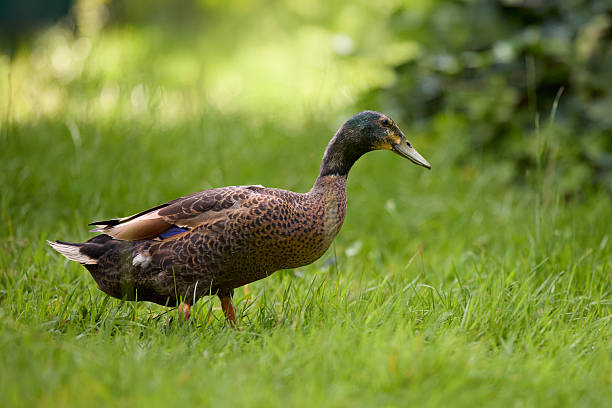
The Indian Runner Duck is one of the most distinctive and fascinating domestic duck breeds in the world. Revered for its unique upright posture, energetic personality, and exceptional egg-laying capabilities, this breed stands out not only in form but in function. With a lineage tracing back centuries and a presence across continents, the Indian Runner Duck has captured the interest of poultry keepers, homesteaders, commercial farmers, and backyard enthusiasts alike.
Unlike most ducks that waddle, the Indian Runner moves with a quick, strutting gait that resembles a penguin on the move—earning it affectionate nicknames and a place in the hearts of many. Originally developed in Southeast Asia, the breed was introduced to the Western world in the 19th century and has since been refined through selective breeding. Today, it is recognized by the American Poultry Association (APA) and is popular in both exhibition and utility contexts.
The Indian Runner Duck is prized not only for its productivity but also for its adaptability, hardiness, and relatively low maintenance. Its diet-efficient nature and excellent foraging instincts make it an ideal candidate for permaculture systems and sustainable agriculture initiatives. Whether kept for eggs, pest control, ornamental appeal, or simply as a delightful pet, the Indian Runner Duck proves to be one of the most versatile and rewarding waterfowl breeds to raise.
Other Names & Synonyms
The Indian Runner Duck goes by several alternative names and colloquial terms around the world, reflecting its wide geographical reach and storied history. Common synonyms include:
- Runner Duck
- Indian Runner
- Penguin Duck (due to its upright stance)
- Malay Runner
- Javanese Runner
- Top-heavy Duck
- Wargil (a term used in parts of Asia)
While “Indian Runner” is the most widely accepted name in English-speaking countries, it’s important to note that the breed did not originate in India but rather in the Indonesian Archipelago, particularly Java. The term “Indian” was historically used by Western explorers and traders to refer to regions in South and Southeast Asia, leading to the misnomer. However, the name has stuck and is now standardized internationally.
Primary Breed Purpose
The Indian Runner Duck is primarily a dual-purpose breed, though it leans more toward egg production than meat. The main purposes for raising this breed include:
- Egg Production – The Indian Runner is one of the most prolific egg-laying duck breeds. A single female (hen) can lay between 200 to 300 eggs per year, depending on strain, nutrition, and management. Their eggs are slightly larger than chicken eggs and are valued for their rich flavor and sturdy shells.
- Pest Control – With their natural foraging behavior, Indian Runners are excellent at controlling insect populations, slugs, snails, and garden pests. They are often used in organic farming and integrated pest management systems.
- Lawn and Garden Maintenance – Their grazing habits make them ideal for maintaining grass and weeds without damaging plant roots, as long as they’re managed properly.
- Exhibition and Shows – The breed is recognized in multiple color varieties by poultry associations and is a frequent participant in duck exhibitions.
- Ornamental and Pet Use – Due to their quirky appearance and friendly disposition, Indian Runners are popular in backyard settings and zoos.
- Conservation Grazing – In eco-friendly farming models, they are used to manage vegetation in sensitive ecological zones.
Despite their utility, Indian Runners are not ideal for meat production. Their lean, upright bodies yield less meat compared to meat-type ducks like Pekins or Muscovies. However, their eggs and labor contributions more than compensate for this.
Physical Characteristics
The Indian Runner Duck is easily distinguishable from other duck breeds due to its unique physical conformation:
- Posture: The most notable feature is its near-vertical stance. The body is elongated and held at a 60–90 degree angle to the ground, making it appear almost top-heavy.
- Body Shape: Long, tubular body with a horizontal back. The chest is narrow, and the wings are carried low, close to the body.
- Head & Neck: The head is small and oval-shaped with a straight, slender bill. The neck is long and thin, contributing to the bird’s elegant profile.
- Legs & Feet: Legs are set far back on the body, which aids in propulsion while swimming but contributes to the characteristic waddling or “running” gait on land.
- Plumage: Available in numerous color varieties, including White, Fawn & White, Chocolate, Black, Grey (Light and Dark), Buff, Apricot, and more. The APA recognizes 18 color varieties, though some are rarer than others.
- Sexual Dimorphism: Males (drakes) are generally larger, have deeper voices, and may display iridescent green feathers on the head in certain color varieties (e.g., Black Runners). Hens are slightly smaller with softer quacks.
- Size: Indian Runners are medium-sized ducks, typically weighing between 3.5 to 5 pounds (1.6–2.3 kg), depending on sex and strain.
Weight & Growth Curve
Understanding the weight progression of Indian Runner Ducks is crucial for proper feeding and management.
- Day-old duckling: 40–50 grams
- 1 week: 100–150 grams
- 2 weeks: 200–250 grams
- 4 weeks: 400–500 grams
- 6 weeks: 700–900 grams
- 8 weeks: 1.1–1.4 kg (2.5–3 lbs)
- 12 weeks: 1.5–1.8 kg (3.3–4 lbs)
- Adult Weight (20+ weeks):
- Hens: 1.4–1.8 kg (3.1–4.0 lbs)
- Drakes: 1.6–2.3 kg (3.5–5.0 lbs)
Growth is relatively rapid during the first 8 weeks, after which it tapers off. They reach sexual maturity and begin laying eggs at around 5–7 months of age, depending on nutrition and daylight exposure. Proper nutrition and housing during the growth phase are essential to ensure optimal egg production later.
Climatic Tolerances
Indian Runner Ducks are naturally adaptable and thrive in a wide range of environments, but they do have preferences:
- Temperate Climates: Ideal, with mild summers and cool winters. They perform best in regions with temperatures between 50°F and 80°F (10°C–27°C).
- Hot Climates: They cope well with heat due to their light body mass and ability to forage actively. However, shade, cool water, and ventilation are essential to prevent heat stress. Provide ample water for splashing and misters in extreme heat.
- Cold Climates: Indian Runners tolerate cold reasonably well, especially if acclimated. They do not have heavy feathering or fat reserves, so supplemental housing with dry bedding and wind protection is crucial below freezing. Access to unfrozen water is necessary to maintain health.
- Humidity & Rain: They handle humidity well, given their tropical origins. Wet conditions are not a problem as long as shelter is available during storms or prolonged downpours.
- Wind Sensitivity: Due to their tall, narrow build, they can be top-heavy in strong winds. Secure outdoor runs or natural windbreaks (hedges, fences) are recommended.
Overall, they are hardy but benefit from proper shelter and management in extreme weather.
Reproduction & Egg Production
Indian Runner Ducks are excellent layers and can begin laying as early as 4–5 months in optimal conditions. However, most begin at 6–7 months.
- Annual Egg Production: 200–300 eggs per hen per year. Some top-producing strains exceed 300 eggs annually.
- Egg Characteristics:
- Size: Medium to large (60–70 grams)
- Color: Varies by individual and genetics—white, blue, green, or tinted
- Shell: Thick and strong
- Nutrient Density: High in protein, omega-3s, and vitamins compared to chicken eggs
- Laying Cycle: Laying is influenced by daylight hours. Most hens lay consistently in spring and summer, reducing or pausing in winter unless artificial lighting is used.
- Broodiness: Indian Runners are generally not broody. They rarely sit on eggs, making natural incubation difficult. This trait is advantageous for continuous egg collection but requires artificial incubation for breeding.
- Fertilization & Hatching: Drake-to-hen ratio should be 1:4 to 1:6. Fertile eggs incubate for 28 days at 99.5°F (37.5°C) with 55% humidity for the first 25 days, increasing to 65% for the last 3 days. Turn eggs 3–5 times daily.
- Chick Survival: Ducklings hatch strong and active, but require careful brooding for the first 4–6 weeks.
Flying Ability
Indian Runner Ducks are non-flying or very limited fliers. While they possess wings, their anatomy does not support sustained flight:
- Their wings are relatively small in proportion to their body.
- Their center of gravity is high due to upright posture.
- They may flutter or hop short distances (up to 3 feet) to escape threats or reach elevated perches.
Because of their limited flight capability, wing clipping is generally unnecessary. However, they are agile runners and can cover large distances quickly on foot, so secure fencing (at least 3 feet high) is recommended to prevent escape. Electric netting or mesh-covered runs are ideal.
Breed History & Origin
The Indian Runner Duck’s roots lie in Maritime Southeast Asia, particularly Java, Bali, and Lombok in present-day Indonesia. For centuries, local farmers bred ducks for egg production and pest control, selecting individuals with the most upright stance and high egg yields.
The breed was introduced to the United Kingdom in the mid-19th century. One famous account involves Captain J. Keast, who brought a flock from the East Indies to England around 1835. Later, the breed gained popularity at poultry shows and was refined for uniformity and color standards.
Despite the name “Indian,” the breed has no strong connection to India. The misnomer arose due to colonial-era trade routes where goods from the East Indies were often labeled as coming from “the Indies” or “India.”
The American Poultry Association accepted the Indian Runner into the Standard of Perfection in 1898. Over time, selective breeding led to the development of various color strains and improved productivity.
Today, the breed is cherished worldwide for its utility and charm. Conservation efforts are ongoing to preserve rare color varieties and maintain genetic diversity.
Life Expectancy
With proper care, Indian Runner Ducks typically live 8 to 12 years, and some individuals have been known to live up to 15 years.
Factors influencing lifespan:
- Diet: Balanced nutrition prevents deficiencies and obesity.
- Predator Protection: Secure housing reduces mortality from foxes, raccoons, dogs, and birds of prey.
- Health Management: Regular checks for parasites and diseases extend life.
- Stress Reduction: Calm environments and consistent routines improve longevity.
- Genetics: Quality breeding stock tends to produce hardier, longer-lived birds.
Older hens often continue laying into their 6th or 7th year, though production declines over time.
Common Health Issues
While Indian Runners are generally hardy, they are susceptible to the same health challenges as other domestic ducks:
- Avian Influenza & Respiratory Infections
- Symptoms: Nasal discharge, coughing, swollen eyes
- Prevention: Biosecurity, isolation of new birds, clean water
- Parasites (Internal & External)
- Worms, lice, mites can cause weight loss and anemia
- Treat with poultry-safe dewormers and dusts; maintain clean bedding
- Botulism (Limberneck)
- Caused by toxins in rotting vegetation or stagnant water
- Provide fresh, clean water and remove decaying matter
- Bumblefoot
- Bacterial infection from cuts or abrasions on feet
- Keep surfaces smooth; treat with antibiotics if severe
- Egg Binding
- More common in high-producing hens
- Caused by calcium deficiency, stress, or oversized eggs
- Provide oyster shell, reduce layer stress, monitor diet
- Nutritional Deficiencies
- Lack of niacin can cause leg weakness and poor growth
- Use duck-specific feed with adequate vitamins
- Predation Stress
- Even non-fatal attacks cause long-term stress and illness
- Ensure secure coops and runs
Regular observation, clean living conditions, and preventive veterinary care are key to maintaining health.
Breeding & Genetics – Tips for the Advanced Keeper
For breeders aiming to improve or preserve Indian Runner lines, a deep understanding of genetics and breeding strategies is essential.
Genetic Traits to Consider
- Color Genetics: Indian Runners exhibit a wide range of plumage colors governed by complex gene interactions. For example:
- Chocolate is a sex-linked recessive trait.
- Fawn & White is associated with specific dilution genes.
- Black requires homozygous dominant alleles for solid color.
- Egg Color: Egg color is not reliably breed-specific. It varies individually and can range from white to greenish-blue.
- Body Conformation: Select for upright carriage, balanced proportions, and active movement.
Breeding Strategies
- Line Breeding
Mate closely related birds (e.g., sire to daughter) to fix desirable traits, but monitor for inbreeding depression. - Outcrossing
Introduce unrelated stock every few generations to maintain genetic vigor and avoid deformities. - Culling
Remove birds with poor conformation, low production, or health issues from the breeding pool. - Record Keeping
Track lineage, egg output, health, and physical characteristics to make informed breeding decisions. - Hatch Rate Optimization
Maintain fertility by ensuring proper drake-to-hen ratios and collecting eggs daily. - Sex-Linking for Early Identification
Some strains can be bred to produce ducklings with visible down color differences by sex (e.g., lighter females, darker males), aiding early sexing. - Preservation of Rare Colors
Collaborate with breed clubs or conservation groups to maintain rare varieties like Apricot, Chocolate, or Blue.
Incubation Best Practices
- Use a forced-air incubator for consistent temperature.
- Candle eggs on Day 7 and Day 14 to check development.
- Stop turning on Day 25 and increase humidity.
- Do not assist hatching unless absolutely necessary.
Nutritional Requirements
Indian Runner Ducks have specific dietary needs that differ from chickens:
Life Stage Nutrition
- Ducklings (0–2 weeks):
- Starter feed with 18–20% protein (crumbled, not medicated—chick starter meds can be toxic to ducklings)
- Supplement with niacin (50–60 mg/kg) to prevent leg deformities
- Provide swimming water (shallow, supervised) for eye and nostril cleaning
- Growers (3–18 weeks):
- Transition to 15–16% protein feed
- Free-choice calcium only after 18 weeks to avoid kidney damage
- Offer foraging opportunities
- Layers (18+ weeks):
- 16–18% protein layer feed
- Free-choice calcium (crushed oyster shell) for strong eggshells
- Fresh greens, insects, and grit for digestion
Supplemental Foods
- Cooked eggs, mealworms, peas, chopped lettuce, and small fish
- Avoid bread, salty snacks, avocado, or chocolate
Water Needs
- Always provide clean, fresh water for drinking and head-dipping
- Water helps them maintain eye, bill, and respiratory health
Foraging Benefits
- 50–70% of their diet can come from foraging, reducing feed costs
- Excellent at controlling slugs, mosquitoes, and weeds
Housing & Environmental Design
Proper housing ensures health, safety, and productivity.
Coop Requirements
- Size: 3–4 sq ft per duck inside the coop
- Ventilation: High vents for airflow without drafts
- Bedding: Straw, wood shavings, or hemp—changed regularly
- Nesting Boxes: 1 box per 3–4 hens; line with soft straw
- Roosting: Not essential, but some ducks may use low perches
Run & Outdoor Access
- Fencing: Minimum 3–4 feet high; use hardware cloth to deter diggers
- Space: At least 10 sq ft per duck in run; more if free-ranging
- Shade & Shelter: Natural trees or tarps to protect from sun and rain
- Water Feature: Small pond, kiddie pool, or automatic waterer (changed daily)
Winter Preparation
- Insulate walls if in freezing zones
- Use deep litter method (layering bedding) for natural heat
- Prevent water from freezing with heated bases (use GFCI outlets)
Predator-Proofing
- Lock coop at night
- Bury wire 12 inches underground to prevent digging
- Use motion-sensor lights or guard animals (e.g., donkeys, livestock guardian dogs)
Behavioral Traits & Enrichment
Indian Runners are intelligent, active, and social animals.
Behavioral Characteristics
- Highly Social: Thrive in flocks; isolation causes stress
- Curious & Inquisitive: Will explore new objects and areas
- Vocal: Hens quack frequently; drakes make raspier sounds
- Territorial Drakes: May become aggressive during breeding season
- Foraging Instinct: Spend hours searching for food in grass and soil
Enrichment Strategies
- Scatter feed or hide treats in straw
- Provide logs, rocks, or ramps for exploration
- Introduce shallow pools or sprinklers for play
- Rotate grazing areas to prevent boredom
- Use puzzle feeders or treat balls designed for poultry
Ducks that are mentally and physically stimulated are healthier and more productive.
Economic Considerations
Raising Indian Runner Ducks can be economically viable in multiple models:
Backyard/Small-Scale
- Low startup cost: $20–$50 per duckling
- Feed cost: $8–$12 per duck per month
- Egg value: 200+ eggs/year = $100–$150 value at $0.50–$0.75/egg (farmers market price)
- Return on investment: 6–10 months
Commercial Egg Production
- Higher initial investment in housing and incubators
- Labor for collection, cleaning, and packaging
- Niche markets for duck eggs (baking, gourmet food) offer premium pricing
Value-Added Products
- Fertilized eggs for hatching ($5–$10 per egg)
- Exhibition birds for show circuits
- Duck manure as organic fertilizer (high nitrogen content)
Cost-Saving Benefits
- Natural pest control reduces pesticide costs
- Lawn maintenance replacement
- Integrated farming synergy (ducks + vegetables, orchards, fish ponds)
Overall, Indian Runners offer excellent returns for smallholders and homesteaders.
Environmental Impact
Indian Runner Ducks can play a positive role in sustainable agriculture:
- Low Carbon Footprint: Efficient feed converters; require less grain than chickens per egg.
- Soil Health: Manure enriches soil but must be composted to avoid burning plants.
- Biodiversity Support: Natural foraging encourages insect diversity and reduces chemical use.
- Water Use: Need constant water access but consume less than larger livestock.
- Weed & Pest Control: Reduce reliance on herbicides and pesticides.
- Methane Emissions: Negligible compared to ruminants.
When managed responsibly, Indian Runners contribute to regenerative farming systems.
Conclusion
The Indian Runner Duck is a remarkable breed that combines functionality, charm, and resilience. From its striking penguin-like posture to its exceptional egg-laying abilities, it stands out as one of the most valuable and entertaining ducks to keep. Whether you’re a backyard hobbyist, a sustainable farmer, or a breeder aiming to preserve heritage genetics, the Indian Runner offers unmatched versatility.
With proper care, nutrition, and housing, these ducks thrive in diverse climates and contribute meaningfully to ecological and economic sustainability. Their low-maintenance nature, pest-controlling prowess, and affectionate personalities make them ideal companions for any poultry enthusiast.
As interest in self-sufficiency and ethical animal husbandry grows, the Indian Runner Duck is poised to remain a favorite for generations to come. By understanding and appreciating their unique needs and strengths, keepers can ensure these quirky, productive birds continue to run—both literally and figuratively—toward a brighter, more sustainable future.
Frequently Asked Questions (FAQs)
Q: Do Indian Runner Ducks need a pond?
A: No, they don’t need a full pond. A kiddie pool or shallow water container for splashing and cleaning their eyes/nostrils is sufficient. They swim less than other ducks.
Q: Are they noisy?
A: Hens can be vocal, especially when laying or excited. Drakes are generally quieter.
Q: Can they live with chickens?
A: Yes, but monitor interactions. Ducks are messier and may outcompete chickens for food. Provide separate water sources.
Q: How many eggs do they lay per week?
A: Around 5–7 eggs per week during peak season.
Q: Do they need a male to lay eggs?
A: No. Hens lay eggs without a drake, but they won’t be fertile.
Q: Are they good mothers?
A: Generally no. Indian Runners rarely go broody, so use an incubator for hatching.
Q: Can they survive winter?
A: Yes, with proper shelter, unfrozen water, and protection from wind and moisture.
Q: How long do they lay eggs?
A: 5–7 years, with peak production in the first 3 years.
Q: Are they good for beginners?
A: Yes, but they require attention to diet (niacin) and water needs.
Q: Do they fly away?
A: No, they can’t fly, but they are fast runners and may wander—secure fencing is essential.
#IndianRunnerDuck, #RunnerDucks, #PenguinDuck, #BackyardDucks, #DuckKeeping, #Homesteading, #SustainableFarming, #DuckCare, #DuckEggs, #PoultryKeeping, #DuckBreeding, #UrbanHomestead, #Permaculture, #EggLayingDucks, #DuckLife, #DuckLovers, #DuckFarm, #DuckBehavior, #DuckHousing, #DuckHealth, #DuckNutrition, #DuckChickens, #DuckForaging, #DuckTips, #DuckEnrichment, #DuckCoop, #Ducklings, #RaisingDucks, #DuckVideo, #DuckCommunity, #DuckPerks, #EcoFriendlyFarming
Add comment