
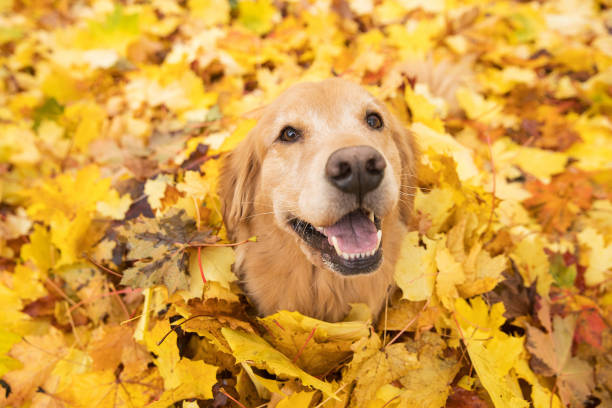
Golden Retrievers, with their sunny dispositions, boundless energy, and keen intelligence, are among the most beloved canine companions. Their heritage as working dogs, bred for retrieving fowl over long distances, imbues them with a natural need for both physical exertion and mental engagement. While outdoor adventures are often the go-to for satisfying these needs, there are countless scenarios – from inclement weather and limited outdoor access to a dog recovering from an injury or an owner simply needing a break from the elements – where indoor activities become not just convenient, but essential.
This elaborate guide delves deep into a wide array of indoor activities designed to keep your Golden Retriever happy, healthy, and holistically fulfilled. We’ll explore options that stimulate their minds, engage their bodies (safely within four walls), reinforce their training, and strengthen the incredible bond you share. Reaching over 3500 words, this resource aims to be your definitive handbook for indoor Golden Retriever enrichment.
Understanding Your Golden Retriever’s Needs Indoors
Before diving into activities, it’s crucial to understand why these activities are so important for a Golden.
- High Energy Levels: Goldens are energetic dogs. Even indoors, they need outlets for that energy to prevent boredom, destructive behaviors, and stress.
- Intelligence and Work Ethic: They are smart and eager to please. Their minds need challenges just as much as their bodies. Without mental stimulation, they can become restless, anxious, or develop undesirable habits.
- Strong Bonding Instincts: Goldens thrive on interaction with their human families. Indoor activities provide prime opportunities for one-on-one engagement, strengthening your relationship.
- Weather and Environmental Constraints: Rain, snow, extreme heat, poor air quality, or even just a busy schedule can limit outdoor time. Indoor alternatives ensure consistency in their daily routine.
- Age and Health Considerations: Puppies, senior dogs, or those recovering from illness or injury might have limited outdoor mobility. Tailored indoor activities can keep them engaged without overexertion.
Section 1: Mental Stimulation and Puzzle Games (The Golden Mind at Work)
Golden Retrievers excel at problem-solving and love to use their noses. Mental games are paramount for tiring out their brains, often more effectively than purely physical exercise.
1. Scent Work and “Find It” Games
Scent work taps into a Golden Retriever’s primal instincts and incredible olfactory sense. It’s incredibly enriching and calming.
- How-To: Start simple. Hide a highly coveted treat (or a favorite toy) in an obvious spot while your dog watches. Give a command like “Find it!” or “Search!” and let them retrieve it. Praise enthusiastically. Gradually increase the difficulty by hiding treats in less obvious spots, under objects, or in different rooms. As they get better, send them out of the room or distract them while you hide multiple treats.
- Variations:
- Shell Game: Place three opaque cups upside down. Show your Golden a treat, place it under one cup, shuffle the cups slightly, and let them nose out the correct one.
- Hide and Seek (with you!): When your dog’s “stay” is solid, have them stay in one room while you hide in another. Call their name and reward them generously when they find you. This also reinforces their recall.
- Scent Trials at Home: Use specific essential oils (diluted and safe for dogs, like birch) on cotton swabs in small tins. Hide these “scent articles” and train your dog to indicate when they’ve found the target scent. This is a robust sport you can train for entirely indoors.
- Benefits for Goldens: Engages their powerful noses, builds confidence, burns mental energy, satisfies their natural retrieving drive, and can be easily scaled in difficulty. It’s also very calming for many dogs.
- Safety Tips: Ensure hiding spots are safe and accessible. Avoid areas where they might get stuck or knock things over. Use treats they can easily consume without choking.
2. Puzzle Feeders and Snuffle Mats
These tools transform mealtime into a stimulating game, slowing down rapid eaters and engaging their minds.
- How-To:
- Puzzle Feeders: These come in various designs, from simple treat-dispensing balls to complex mazes and sliding compartments. Start with beginner-level puzzles and gradually introduce more challenging ones. Load them with a portion of your Golden’s kibble or high-value treats.
- Snuffle Mats: These fabric mats have numerous fleece strips sewn onto them, creating pockets and folds. Sprinkle kibble or small treats deep within the fabric strips. Your Golden uses their nose and paws to “snuffle” and find the hidden food.
- Benefits for Goldens: Prevents boredom, slows down eating (aids digestion), provides appropriate mental challenge, encourages independent play, and satisfies their foraging instincts. It’s an excellent alternative to a plain food bowl.
- Safety Tips: Choose durable puzzles appropriate for your Golden’s size and chewing strength. Supervise initial use to ensure they don’t ingest parts of the puzzle or become frustrated. Clean regularly to prevent bacteria buildup.
3. Learning New Tricks and Commands
Goldens are highly trainable and love to learn. Indoor sessions are perfect for teaching new behaviors or refining existing ones.
- How-To: Break down new tricks into small, manageable steps (shaping). Use positive reinforcement (treats, praise, toys). Keep sessions short (5-10 minutes), positive, and fun.
- Basic to Intermediate: “Shake a paw,” “high five,” “crawl,” “spin,” “bow,” “fetch specific toys by name.”
- Advanced: “Clean up toys” (teaching them to put toys in a bin), “retrieve a specific item” (e.g., “Bring me your leash!”), “play dead,” “weave through legs.”
- Concept Training: Teach them concepts like “touch” (targeting your hand or an object), “wait” and “stay” with increasing duration and distraction, or “go to your mat.”
- Benefits for Goldens: Provides immense mental stimulation, strengthens cognitive skills, builds confidence, enhances communication between dog and owner, offers a positive outlet for their intelligence, and reinforces good manners.
- Safety Tips: Always use positive reinforcement. Avoid physically forcing your dog into positions. If your dog gets frustrated, end the session on an easy, successful command. Ensure the training area is free of distractions and hazards.
4. “Which Hand?” Game
A simple yet effective game for mental engagement.
- How-To: Show your Golden a small treat. Close your hands over the treat, then place both fists in front of your dog. Say “Which hand?” and let them nose or paw at the hand they believe holds the treat. If they choose correctly, open your hand and reward them. If incorrect, show them the correct hand and try again.
- Benefits for Goldens: Enhances observation skills, introduces simple problem-solving, and strengthens the owner-dog bond through positive interaction.
- Safety Tips: Use soft, easily consumable treats. Keep nails trimmed if they tend to paw forcefully.
Section 2: Physical Exercise (Safe Indoors)
While not a substitute for outdoor runs, these activities can burn off excess energy and keep your Golden’s muscles engaged when outdoor space is limited. Always prioritize safety and ensure you have clear, non-slip flooring.
1. Indoor Fetch or Tug
Modified versions of classic games for indoor spaces.
- How-To:
- Indoor Fetch: Use a soft, lightweight toy (e.g., a soft plush ball, a fleece toy, or a rolled-up sock) that won’t damage furniture or walls. Use a shorter throwing distance in a long hallway or a clear room. Emphasize a calm return and drop.
- Tug-of-War: Use a sturdy, safe tug toy. Establish rules: the game starts and stops on command (“Take it,” “Drop it”), and your dog’s teeth should never touch your skin. Tug horizontally, not vertically, to protect their neck and back.
- Benefits for Goldens: Satisfies their natural retrieving instincts, provides an excellent energy outlet, strengthens jaw muscles (tug), and reinforces impulse control (drop it). It’s a great bonding activity.
- Safety Tips:
- Fetch: Clear the play area of breakable items, sharp corners, and slippery rugs. Ensure your dog has good traction. Avoid over-exercising young puppies or senior dogs with fetch.
- Tug: Play on a non-slip surface. Avoid harsh jerking motions that could strain your dog’s neck or back. Always ensure you are in control of the game.
2. Indoor Agility Course (DIY)
A fun way to combine physical movement with mental direction.
- How-To: Create a simple course using household items.
- Hurdles: Use broomsticks laid across low stacks of books or small upside-down laundry baskets. Start very low.
- Weave Poles: Set up a line of upright soda bottles or traffic cones for your Golden to weave through.
- Tunnel: Use a child’s play tunnel or even a large cardboard box with both ends open.
- Pause Table: A sturdy, low ottoman or step stool where your dog learns to jump up and “stay.”
- Benefits for Goldens: Improves coordination, balance, strengthens muscles, builds confidence, and provides excellent mental stimulation as they learn the course. It’s highly engaging for Goldens who love to please and follow directions.
- Safety Tips: Ensure all obstacles are stable and won’t tip over easily. Start small and low to prevent injury. Always supervise closely. Use only non-slip flooring. Don’t force your Golden over or through obstacles; lure them with treats and praise. Be mindful of their joints, especially with jumps.
3. Stair Climbing (Supervised)
If you have stairs, they can be a useful tool for physical exercise.
- How-To: Walk your Golden up and down the stairs a few times, ensuring they take each step deliberately. Keep it controlled and on-leash initially if needed. Gradually increase repetitions.
- Benefits for Goldens: Strengthens hind leg muscles, improves endurance, and provides a good cardiovascular workout in a limited space.
- Safety Tips: This is not suitable for puppies (can damage developing joints), senior dogs with arthritis or mobility issues, or dogs with pre-existing joint conditions (e.g., hip or elbow dysplasia). Always supervise to prevent falls. Ensure good traction on stairs. Keep sessions short to avoid overexertion.
4. Doga (Dog Yoga)
While not intense physical exercise, doga can improve flexibility and body awareness.
- How-To: Incorporate your Golden into your own yoga routine. They can lie down beside you during savasana, sit or stay during your poses, or even be gently guided into stretching positions (e.g., “downward dog” for a stretch, or using their weight for gentle resistance during your own poses). Focus on gentle stretching rather than forced movements.
- Benefits for Goldens: Can improve flexibility, body awareness, and mental calm. It’s a unique bonding experience and can mimic some of the therapeutic benefits of massage.
- Safety Tips: Never force a pose. Consult with a vet or certified canine fitness expert if you have concerns about your dog’s mobility. Keep it gentle and fun.
Section 3: Training and Skill Building (Beyond Basic Commands)
Indoor environments are ideal for focused training without outdoor distractions.
1. Cooperative Care Training
This is about training your Golden to willingly participate in husbandry tasks.
- How-To: Use positive reinforcement to teach your Golden to be comfortable with nail trims, ear cleaning, brushing, paw handling, and even vet visits.
- Nail Trims: Start by simply touching their paws, then touching the clippers to their paws, then gently clipping one nail, rewarding generously at each step.
- Brushing: Introduce the brush slowly, rewarding for calm acceptance. Gradually increase the duration and area brushed.
- Muzzle Training: Essential for many vet procedures or emergencies. Desensitize them to wearing a muzzle by pairing it with high-value treats.
- Benefits for Goldens: Reduces stress and anxiety for both dog and owner during necessary care. Builds trust and makes veterinary visits less traumatic.
- Safety Tips: Always make it a positive experience. Never force them. Go at their pace. If they show signs of stress (lip licking, yawning, turning head away), go back to an easier step.
2. Impulse Control Games
Crucial for a well-mannered Golden, these games teach patience and self-control.
- How-To:
- “Leave It”: Place a treat on the floor. When your dog moves towards it, cover it with your hand and say “Leave it.” When they look away from the treat, reward them with a different, more valuable treat from your other hand. Gradually increase temptation and duration.
- “Wait” at the Door/Bowl: Before opening a door or putting down their food bowl, ask your Golden to “Wait.” Reward them for holding still until you give a release command like “Okay!”
- “Take It, Drop It” (Tug with Rules): As mentioned in the physical activities, this is also a powerful impulse control game.
- Benefits for Goldens: Teaches self-regulation, prevents unwanted behaviors (e.g., counter surfing, snatching food), improves manners, and strengthens the owner’s leadership role in a positive way.
- Safety Tips: Start in a distraction-free environment. Use high-value rewards for success. Be consistent with your cues and expectations.
3. Ring the Bell for Potty Breaks
A practical skill that can prevent accidents and improve communication.
- How-To: Hang a bell on the doorknob where your Golden exits for potty breaks. Every time you take them out, gently guide their nose or paw to touch the bell, then open the door and praise them. Over time, they’ll associate ringing the bell with going outside.
- Benefits for Goldens: Provides a clear way for your dog to communicate their needs, empowering them and reducing frustration for both of you.
- Safety Tips: Ensure the bell is securely hung and not a choking hazard.
Section 4: Comfort, Relaxation, and Bonding
Beyond activity, every Golden needs quiet time and secure bonding moments.
1. Grooming and Massage Sessions
Goldens are known for their beautiful coats, which require regular grooming. Make it a relaxing ritual.
- How-To:
- Brushing: Use an appropriate brush (slicker, undercoat rake). Create a calm atmosphere. Start with short sessions, rewarding your Golden for standing or lying patiently. Pay attention to areas where mats might form (behind ears, under legs).
- Massage: Gently massage their muscles, especially after play. Use long, soothing strokes. Pay attention to their reaction – some dogs love belly rubs, others prefer their back or ears. This can help you identify any tender spots.
- Benefits for Goldens: Maintains coat health, prevents matting, improves circulation, deepens the bond between you, provides a sense of calm and relaxation, and allows for early detection of skin issues or lumps.
- Safety Tips: Be gentle. If your dog shows any discomfort, stop and try again later or consult a vet. Introduce grooming tools slowly and positively.
2. Cuddle Time and Quiet Storytelling
Sometimes the best indoor activity is simply being together.
- How-To: Set aside dedicated time for snuggles on the couch or floor. You can gently pet them, or even read aloud to them. The sound of your voice, combined with gentle physical contact, is incredibly soothing.
- Benefits for Goldens: Deepens your emotional bond, reduces stress, provides comfort and security, and reinforces their place as a cherished family member.
- Safety Tips: Ensure your Golden is comfortable with close contact. Never force cuddles if they prefer a bit more space.
3. Designated Resting Spots
Ensure your Golden has a comfortable, safe space of their own.
- How-To: Provide a soft, comfortable dog bed or crate that is their personal sanctuary. Equip it with cozy blankets and perhaps a favorite toy. Encourage them to use it for naps and downtime.
- Benefits for Goldens: Provides a sense of security and belonging. Gives them a place to retreat to when overstimulated or tired.
- Safety Tips: Keep their resting spot in a quiet area, away from high-traffic zones. Ensure bedding is clean and supportive.
Section 5: DIY and Homemade Games
You don’t need fancy equipment for enrichment. Everyday household items can become exciting toys or puzzles.
1. Cardboard Box Destruction
A safe, constructive way to allow directed destruction.
- How-To: Get a clean, empty cardboard box (e.g., cereal box, tissue box, Amazon box). Place a few treats or a favorite toy inside, fold or lightly tape the flaps shut. Let your Golden go to town tearing it apart to get the prize.
- Benefits for Goldens: Satisfies their natural urge to chew and tear, provides mental stimulation as they figure out how to access the treats, and is an excellent stress reliever. It’s a constructive outlet for destructive tendencies.
- Safety Tips: Use only clean, non-toxic cardboard. Remove any plastic, tape, or labels that could be ingested. Supervise to ensure they don’t eat large pieces of cardboard. Small amounts are generally harmless, but too much can cause digestive upset.
2. Towel or Blanket Games
Simple items can become engaging puzzles.
- How-To:
- Knot a Treat: Spread out an old towel or blanket. Place treats strategically on it, then roll it up tightly or tie it in loose knots. Your Golden has to unroll/untie it to get the treats.
- Hide Under Blanket: Place a treat under a blanket or towel. Encourage your Golden to use their nose and paws to “dig” it out.
- Benefits for Goldens: Engages their problem-solving skills, satisfies their foraging drive, and can be easily varied in difficulty.
- Safety Tips: Ensure the towel/blanket is clean and won’t unravel into threads that could be ingested. Supervise to prevent them from ingesting large amounts of fabric.
3. Muffin Tin Game
A classic DIY puzzle.
- How-To: Take a standard muffin tin. Place a treat in each cup. Cover each cup with a tennis ball (or other dog-safe ball that fits snugly). Your Golden has to remove the balls to get the treats.
- Benefits for Goldens: Provides mental challenge, encourages dexterity, and is a fun way to dispense food.
- Safety Tips: Ensure the balls are too large to be swallowed. Supervise to prevent them from chewing on the muffin tin itself.
Section 6: Addressing Specific Golden Retriever Needs & Considerations
1. For Golden Retriever Puppies
Puppies have short attention spans and developing bodies. Indoor activities should be short, low-impact, and highly positive.
- Focus On: Puppy-safe chew toys, very simple scent games, short training sessions (sit, stay, come, potty training), gentle fetch with soft toys, lots of cuddle time, and early cooperative care training.
- Avoid: High-impact jumps, prolonged stair climbing, or intense agility that could harm developing joints.
2. For Senior Golden Retrievers
Older Goldens may have reduced mobility, arthritis, or lower energy levels.
- Focus On: Gentle scent games (less physical strain), puzzle feeders (mental stimulation without movement), short, slow-paced training sessions for known tricks, extensive gentle grooming and massage, soft bedding, and focused cuddle time.
- Avoid: High-intensity fetch, jumping, or activities that put strain on their joints. Adapt games to their comfort level.
3. For Goldens with Limited Space
Even in an apartment, many activities are possible.
- Focus On: Scent work (can be done in a tiny space), puzzle feeders, training new tricks (requires minimal movement), cooperative care, short tug sessions, and quiet bonding time. Focus more on mental enrichment than extensive physical exercise.
4. Managing Energy Levels
Goldens can have a lot of energy. A common misconception is that all exercise needs to be physical. Mental exercise is often more tiring and satisfying for them indoors.
- Balance is Key: Aim for a mix of mental challenges, short bursts of controlled physical activity, and quiet downtime. A tired mind often leads to a tired dog.
General Safety Tips and Best Practices
- Clear the Area: Before any active indoor play, ensure the space is clear of obstacles, breakable items, and slippery rugs.
- Appropriate Toys: Use toys designed for indoor use – soft, lightweight, and durable enough for your Golden’s chewing power without damaging household items.
- Supervision is Key: Always supervise your dog during indoor activities, especially with new games or toys, to prevent accidents or ingestion of non-food items.
- Know Your Dog: Pay attention to your Golden’s body language. If they look stressed, frustrated, or overly fatigued, it’s time to stop.
- Positive Reinforcement: Always use praise, treats, and positive encouragement. This makes activities fun and strengthens your bond.
- Hydration: Keep fresh water available, even during indoor play.
- Vary Activities: Keep things fresh by rotating games and challenges to prevent boredom.
- Non-Slip Surfaces: If you have hardwood or tile floors, consider putting down non-slip mats or rugs for certain activities to prevent slips and potential injury.
Conclusion
Engaging your Golden Retriever indoors is not just about filling time; it’s about enriching their lives, stimulating their intelligent minds, maintaining their physical well-being, and deepening the incredible bond you share. Goldens thrive on interaction and purpose, and by providing a diverse repertoire of indoor activities, you ensure they remain happy, well-adjusted, and a joyful part of your family, regardless of what the weather or circumstances bring. Remember, a tired Golden is a good Golden, and a mentally stimulated Golden is an even better one. Embrace the opportunities your home offers to keep that golden spirit shining bright, day in and day out.
#GoldenRetrieverLife, #IndoorDogFun, #DogEnrichment, #MentalStimulationForDogs, #GoldenRetriever, #DogGames, #IndoorDogActivities, #PuppyPlaytime, #SeniorDogLife, #TrainingDogs, #DogBrainGames, #HappyDogHappyLife, #GoldenRetrieverLove, #DogActivities, #PositiveReinforcement, #ScentWork, #PuzzleDogs, #DIYDogToys, #DogFitness, #CanineEnrichment, #DogTrainingTips, #GoldenHour, #LifeWithAGolden, #DogMom, #DogDad, #ActiveDog, #SmartDog, #IndoorAdventuresForDogs, #RainyDayFun, #DogHealthAndWellness






Add comment