
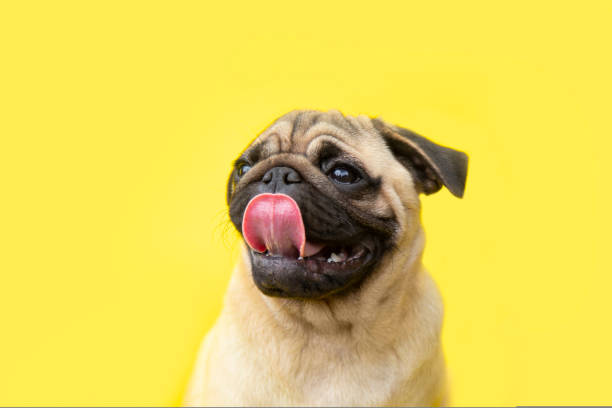
Pugs, with their endearing wrinkled faces, curly tails, and charming personalities, are much more than just adorable companions; they are intelligent, sensitive, and often quite playful creatures. While their brachycephalic (short-nosed) nature limits their ability for strenuous outdoor exercise, it by no means eliminates their need for physical activity, mental stimulation, and enriching engagement. Indeed, for a pug, indoor activities are not just a convenient option; they are a vital component of a happy, healthy, and well-adjusted life, protecting them from the elements, reducing the risk of overheating, and providing a safe space for exploration and bonding.
This extensive guide delves deep into a myriad of indoor activities meticulously designed for pugs, taking into account their unique physiological and psychological needs. From brain-teasing puzzles to gentle physical play, and from comforting relaxation techniques to creative DIY adventures, we will explore how to keep your pug entertained, stimulated, and deeply connected to you, all within the safety and comfort of your home. Our aim is to provide practical, elaborate, and actionable advice to ensure your pug thrives indoors, reinforcing the incredible bond you share.
I. Understanding Your Pug’s Unique Needs: The Foundation of Indoor Fun
Before diving into specific activities, it’s crucial to understand the inherent characteristics of pugs that dictate the types of play and engagement best suited for them. Tailoring activities to these needs ensures safety, enjoyment, and optimal well-being.
- Brachycephalic Syndrome: This is arguably the most significant consideration. Pugs’ flattened faces and compacted airways make them prone to respiratory issues. They can overheat very quickly, even indoors, and strenuous exercise can lead to breathing distress. This means all activities must be low-impact, short in duration, and performed in a cool, well-ventilated environment. Monitoring for excessive panting is paramount.
- Low Stamina, High Energy in Bursts: Pugs are not endurance athletes. They typically have short bursts of playful energy followed by extended periods of napping. Activities should be designed to accommodate these short bursts rather than prolonged exertion.
- Intelligence & Curiosity: Despite their sometimes-clownish demeanor, pugs are intelligent dogs who require mental stimulation to prevent boredom and destructive behaviors. Puzzle-solving, scent work, and training are excellent outlets for their minds.
- Love for Comfort & Attention: Pugs are companion animals above all else. They thrive on human interaction, cuddles, and being included in household activities. Many of their favorite “activities” involve simply being near their people.
- Food Motivation: A pug’s love for food is legendary. This can be a powerful tool for training and engaging them in puzzle games, but it also means moderation in treats is essential to prevent obesity, a common issue in the breed.
- Prone to Obesity: Their love for food combined with their low exercise tolerance makes pugs susceptible to weight gain. Choosing healthy treats and portion control for activity rewards is critical for their joint health and overall longevity.
- Sensitive to Temperature: Pugs are sensitive to both heat and cold. Indoors, ensure the room temperature is comfortable, especially during play. High humidity can also exacerbate breathing difficulties.
By keeping these foundational aspects in mind, we can craft an indoor environment and activity schedule that genuinely caters to your pug’s specific needs, leading to a happier, healthier, and more engaged furry family member.
II. Pre-Activity Checklist: Ensuring Safety & Success
Before initiating any indoor activity with your pug, a quick check of a few key elements can prevent mishaps and maximize enjoyment for both of you.
- Health Check: Briefly observe your pug. Are they bright, alert, and moving freely? Any signs of limping, unusual lethargy, or excessive panting even before activity suggest postponing play and potentially consulting a vet.
- Environment Scan: “Pug-proof” the play area. Remove any small objects that could be choked on, secure electrical cords, put away fragile items, and ensure there are no toxic plants within reach. Clear adequate space for the chosen activity.
- Comfortable Temperature: Maintain a cool, well-ventilated room. If you’re feeling warm, your pug is likely feeling warmer. Air conditioning or a fan can be beneficial, especially during more active games.
- Hydration: Always have fresh, cool water readily available. Offer water breaks during and after play.
- Appropriate Gear: For some training or gentle indoor walks, a comfortable harness (never a collar that puts pressure on their throat) might be useful. Non-slip rugs or runners can prevent slips and falls on hard floors, protecting their joints.
- Short & Sweet Principle: Remember, quality over quantity. Keep all activity sessions brief, typically 5-15 minutes, depending on the pug’s energy levels and the intensity of the game. It’s better to end an activity while your pug is still enthusiastic than to push them to exhaustion or boredom.
- Positive Reinforcement: Have a supply of small, high-value, healthy treats ready, along with enthusiastic verbal praise and gentle physical affection. Pugs thrive on positive feedback.
- Observe Your Pug: Throughout any activity, constantly watch your pug for cues. Signs of fatigue (heavy panting, slowing down), disinterest (walking away, lying down), or stress (lip licking, yawning excessively, avoiding eye contact) mean it’s time to stop and rest.
With these considerations in place, you’re ready to embark on a journey of enriching indoor fun with your pug!
III. Categories of Engaging Indoor Activities
Let’s explore a diverse range of activities, categorized for easier navigation, ensuring a holistic approach to your pug’s indoor well-being.
A. Mental Stimulation & Puzzle Games (The Brain Boosters)
Pugs are thinkers, and engaging their minds is just as important as gentle physical exercise. These activities tap into their problem-solving abilities and natural instincts.
- Snuffle Mat Sniffing Adventure:
- Benefit: These fabric mats, designed with multiple layers and pockets, encourage natural foraging behavior. Sniffing is a powerful mental workout for dogs, reducing stress, improving focus, and providing a sense of accomplishment. It’s a low-impact activity perfect for pugs.
- How to Play: Sprinkle a small handful of your pug’s kibble or tiny, healthy treats deep within the fabric strips of the snuffle mat. Place it on the floor and let your pug use their nose to find every last morsel.
- Variations: You can DIY a snuffle mat from an old rubber mat with holes (like a sink mat) and strips of fleece. Vary the type of treats (different smells for more challenge).
- Tip: Start with an easier setup, allowing them to quickly find rewards, then gradually increase the difficulty by burying treats deeper or using less aromatic options. Always supervise to ensure they don’t ingest fabric.
- Food Dispensing Puzzles & Interactive Toys:
- Benefit: These toys require your pug to manipulate them in various ways (nudging, rolling, pawing) to release treats. This provides sustained mental engagement, slows down eating (beneficial for fast eaters), and prevents boredom.
- Types:
- Kongs: Stuff with peanut butter (xylitol-free!), plain yogurt, wet dog food, or even frozen pumpkin puree. Freezing makes the challenge last longer.
- Puzzle Balls: Balls with internal baffles that release kibble as they are rolled.
- Wobble Feeders: Toys that wobble and dispense treats when pushed.
- Slider Puzzles: Boards with sliding compartments that hide treats.
- How to Play: Choose a puzzle appropriate for your pug’s skill level. Demonstrate how it works a few times, then let them figure it out. Always ensure the treat openings are large enough to prevent frustration but small enough to require effort.
- Safety: Select toys made from durable, non-toxic materials. Ensure no small parts can be chewed off and swallowed. Wash regularly to maintain hygiene.
- “Find the Treat” (Scent Games):
- Benefit: This game leverages your pug’s incredible sense of smell, providing intense mental stimulation and building their confidence as they “hunt” for rewards. It’s excellent for focus and impulse control.
- How to Play:
- Beginner: Show your pug a treat, let them sniff it. Place it on the floor a few feet away, in plain sight, and say “Find it!” or “Where’s the treat?” Reward them when they get it.
- Intermediate: Have your pug “stay” (or simply observe from a distance). Hide treats under an overturned cup (start with one, then add more empty cups as decoys). Release them with your command.
- Advanced: Hide treats in various locations around a single room (under a blanket, behind a cushion, inside a shoe). Release your pug to search.
- Expert: Hide treats in different rooms, leading them on a “scent safari.”
- Variations: Use different types of covers or hiding spots. Make it a multi-stage hunt.
- Tip: Use high-value, aromatic treats to keep interest high. Always praise enthusiastically when they succeed.
- Basic Obedience & Trick Training:
- Benefit: Training isn’t just for puppies; it’s a fantastic mental workout for pugs of all ages. It strengthens your bond, improves communication, builds confidence, and provides a structured way to engage their intelligence.
- Examples: Reinforce “Sit,” “Stay,” “Down,” and “Come.” Teach fun tricks like “Paw,” “Spin,” “Speak” (if your pug is vocal), or a gentle “Fetch” (with soft toys). Even teaching them to go to their bed on command is a valuable skill.
- How to Train: Keep sessions short (2-5 minutes) and frequent. Use positive reinforcement (treats, praise). The “lure-and-reward” method works well: use a treat to guide them into the desired position, then reward.
- Pug-Specific: Pugs can be a bit stubborn, so patience and consistency are key. Avoid harsh corrections; focus entirely on positive reinforcement to make training a fun, rewarding experience for them. Celebrate every small success.
B. Gentle Physical Play (The Happy Wiggles)
While pugs require low-impact exercise, they still need to move their bodies to maintain muscle tone, joint health, and overall agility. These activities are designed for safe, gentle physical exertion indoors.
- Indoor Fetch (Soft Toys Only):
- Benefit: This classic game provides short bursts of cardio, satisfies a natural retrieve instinct, and is excellent for interactive play without requiring much space.
- How to Play: Choose soft, lightweight toys like plushies, crinkle balls, or soft fabric knots. Designate a clear area in your living room or hallway. Make short, gentle throws, encouraging your pug to retrieve. Keep the throws low to the ground to avoid unnecessary jumping.
- Safety: Avoid hard or heavy toys that could hurt their mouth or joints. Never throw up or down stairs. Monitor for panting and stop immediately if it becomes excessive. Ensure the floor isn’t slippery; use non-slip mats if necessary.
- Variations: Roll the toy along the floor instead of throwing. Have two toys and play “trade” to make it a little more interactive.
- Tug-of-War (Gentle Version):
- Benefit: A good outlet for natural energy and a great way to bond. When played correctly, it can build confidence and teach impulse control.
- How to Play: Use a soft rope toy or a sturdy fabric toy. Keep the tugging low to the ground and gentle. Allow your pug to “win” frequently, as this builds their confidence. Incorporate “Drop It” and “Take It” commands to teach them manners during play.
- Rules: The game should always remain fun and in control. If your pug’s teeth touch your hand, the game immediately stops. You initiate and end the game. Keep sessions short.
- Caution: Avoid rough tugging that could strain their neck or jaw. Pugs have delicate airways, so avoid any game that might restrict their breathing.
- “Hide and Seek” (Human Version):
- Benefit: This game combines mental stimulation (locating you) with light physical movement (searching). It reinforces recall and strengthens the bond between you and your pug in a playful way.
- How to Play:
- Beginner: Call your pug’s name from behind a piece of furniture or a doorway. When they find you, give enthusiastic praise and a treat.
- Intermediate: Have someone distract your pug while you hide in another room. Call their name and reward them when they successfully track you down.
- Advanced: Hide in more challenging spots, or have multiple family members hide, turning it into a group game.
- Tip: Start in a small, familiar area. Make sure your pug is engaged and having fun. If they seem confused or frustrated, make your hiding spots easier.
- Laser Pointer / Flashlight Tag (with Caution):
- Benefit: This can provide quick bursts of chasing and pouncing, satisfying a pug’s natural prey drive.
- How to Play: Use a low-intensity laser pointer or a small flashlight to create a moving dot on the floor or wall. Let your pug chase it for very brief periods (1-2 minutes).
- Crucial Caution: Many vets and trainers advise against laser pointers because the inability to “catch” the prey can lead to frustration and obsessive behaviors (e.g., staring at walls, chasing shadows).
- To Mitigate Risk: Always end the game by directing the light onto a physical toy or a treat that your pug can “catch” and be rewarded for. This provides a satisfying conclusion to the hunt. Use sparingly and observe your pug for any signs of compulsive behavior. If seen, discontinue the game.
C. Relaxation & Comfort Activities (The Zen Pug)
Pugs are masters of relaxation, and incorporating dedicated comfort time enhances their well-being, strengthens your bond, and fulfills their deep need for connection.
- Cuddle & Petting Sessions:
- Benefit: This is perhaps the most fundamental and cherished activity for any pug owner. Physical affection strengthens the human-animal bond, releases oxytocin (the “love hormone”) in both you and your pug, reduces stress, and promotes a sense of security and belonging.
- How to Play: Simply invite your pug onto the couch, bed, or floor next to you. Offer gentle strokes, ear rubs, belly rubs (if they enjoy them), and quiet conversation. Let them lean into you, enjoy the warmth, and drift off to sleep.
- Pug-Specific: Pugs crave physical touch and are often referred to as “velcro dogs.” Make these sessions a regular, non-negotiable part of your day, even if it’s just for a few minutes.
- Gentle Grooming & Massaging:
- Benefit: Regular grooming keeps their coat healthy, allows for early detection of skin issues or lumps, and is another opportunity for bonding. A gentle massage can relax muscles, improve circulation, and be incredibly soothing.
- How to Groom: Use a soft-bristled brush or a grooming glove to gently remove loose fur. Pay special attention to their facial folds, cleaning them regularly with a damp cloth to prevent infections. Check their ears and paws.
- How to Massage: Use gentle, circular motions with your fingertips across their shoulders, back, and hips. Observe their reactions to find their favorite spots. A massage can also be a calming ritual before naptime or bedtime.
- Tip: Introduce grooming slowly and positively from an early age, associating it with treats and praise, so your pug sees it as a pleasant experience.
- Quiet Observation / Window Watching:
- Benefit: For many pugs, simply watching the world go by can be incredibly enriching. It provides sensory stimulation (sights and sounds) without any physical exertion, satisfying their curiosity and keeping their minds gently engaged.
- How to Facilitate: Provide a safe, comfortable perch for your pug near a window – a dog bed, a soft cushion, or a designated spot on the couch. Ensure the window is securely closed and there’s no risk of accidental falls or escapes.
- Tip: If outside activity is limited due to weather or your pug’s health, this can be a wonderful mental “outing.” Supervise to ensure they don’t get overstimulated by barking at passersby; if they do, perhaps choose a calmer window or use a window film.
- Listening to Calming Sounds:
- Benefit: Just like humans, dogs can be affected by ambient sounds. Playing calming music or nature sounds can reduce anxiety, mask stressful household noises, and create a tranquil environment, especially during periods of rest.
- Examples: Classical music, reggae, specific “dog calming” playlists available on streaming services, or nature sounds like gentle rain or ocean waves.
- How to Use: Play the chosen sounds softly in the background. Observe your pug’s reaction; some dogs prefer silence, while others visibly relax with certain types of music.
- Tip: This can be particularly helpful if your pug is prone to separation anxiety, or during thunderstorms or fireworks if they are sensitive to loud noises.
D. Enrichment & Sensory Exploration (Engaging All Senses)
Pugs experience the world through more than just sight. Engaging their senses of touch, smell, and even taste (via safe exploration) creates a richer, more stimulating indoor environment.
- Explore New Textures:
- Benefit: Introducing various textures provides novel sensory input, preventing sensory deprivation and building your pug’s comfort with different surfaces.
- How to Play: Create a “texture trail” or a “texture corner.” Lay down different blankets (silky, fluffy, bumpy), an old bath mat, a piece of artificial turf, or even a sheet of bubble wrap (supervised, to ensure no ingestion). Let your pug walk on, sniff, and experience each one.
- Safety: Ensure all materials are non-toxic, clean, and cannot be easily ingested or torn into small, dangerous pieces. Supervise closely.
- Variations: Hide a treat under a new texture to encourage exploration.
- Scent Safari (Household Scents):
- Benefit: Your pug’s nose is incredibly powerful. Introducing novel (and safe) household scents provides immense mental stimulation, allowing them to “read” their environment in a new way.
- How to Play:
- Herbs: Place tiny pinches of dog-safe herbs like parsley, mint, or basil on a plate and let your pug sniff.
- Novel Items: Let them safely sniff an old (clean) sock of yours, a new (unscented) item of clothing, an empty tea bag (black or herbal), or a piece of crumpled paper that has been handled by different family members.
- “Find the Scent”: Hide a tiny drop of a safe scent (e.g., diluted vanilla extract on a cotton ball, carefully placed) and have them find it.
- Caution: Extreme care is needed here. Many essential oils are highly toxic to dogs. Stick to natural, recognizable, and non-irritating scents. Avoid strong perfumes, cleaning products, or anything potentially harmful. Always supervise to prevent ingestion.
- Box Fun / Digging Box:
- Benefit: Satisfies a pug’s natural instinct to dig and explore, provides mental enrichment, and can be a fantastic way to burn off a little energy in a constructive manner.
- How to Create: Take a sturdy cardboard box (large enough for your pug to comfortably sniff around in). Fill it with crumpled paper (packing paper, newspaper), old towels, soft fabric scraps (ensure they can’t fray into long threads), or even clean, dog-safe leaves. Hide treats or small toys deeper inside.
- How to Play: Present the box to your pug and encourage them to “dig” for the hidden treasures.
- Safety: Supervise constantly to ensure your pug doesn’t try to eat the paper or fabric. Remove any pieces that get ingested. Change out the contents regularly to keep it novel.
- Bubble Blowing (Dog-Safe Bubbles):
- Benefit: Chasing bubbles provides light, engaging physical activity and visual stimulation. It’s often a source of great amusement for both pugs and their owners.
- How to Play: Purchase bubbles specifically formulated for dogs (often flavored with peanut butter or bacon, and non-toxic). Blow a few bubbles at a time in a clear area and let your pug gently chase and “pop” them.
- Caution: Never use regular dish soap or children’s bubbles, as these can contain ingredients harmful if ingested or irritating to their eyes. Keep sessions very short, as popping too many bubbles can lead to a soapy stomach.
E. Creative & DIY Activities (Homemade Fun)
Unleash your inner crafter! Many engaging activities can be created using common household items, adding a personalized touch to your pug’s indoor entertainment.
- DIY Obstacle Course (Pug Edition):
- Benefit: A homemade obstacle course offers a mental challenge (figuring out how to navigate) and gentle physical activity, building confidence and coordination.
- How to Create: Use household items to set up a low-impact course:
- Hurdles: Stack a couple of pillows or blankets to create very low “jumps” (encourage stepping over, not jumping).
- Tunnels: Drape a blanket over a few chairs to create a short, inviting tunnel.
- Weave Poles: Place water bottles or small cones a few feet apart for your pug to weave through.
- Balance Beam: Lay a wide, flat book or yoga mat on the floor as a “balance beam” to walk across.
- Pug-Specific: Keep all obstacles extremely low and stable. Avoid anything that requires actual jumping or intense balancing. The goal is gentle movement and mental engagement, not agility competition. Reward every successful navigation.
- Homemade Treat Dispenser:
- Benefit: Transforms everyday recyclables into engaging puzzle toys, providing sustained mental stimulation and a rewarding way to get treats.
- How to Create & Play:
- Toilet Paper/Paper Towel Roll: Fold in one end of an empty cardboard roll, drop a few treats inside, then fold in the other end. Your pug has to figure out how to unfold or tear the ends to get the treats.
- Plastic Bottle: Wash a small, empty plastic water bottle thoroughly. Cut a few small holes in the sides and/or top (large enough for kibble to fall out, but small enough to require effort). Put kibble inside, put the cap back on, and let your pug roll it around.
- Safety: Supervise constantly. Ensure your pug doesn’t ingest significant amounts of cardboard or plastic. Discard items once they start to break down. Make sure there are no sharp edges on plastic.
- Indoor Walk / “Pug Parade”:
- Benefit: While not a substitute for outdoor potty breaks, an indoor walk can provide a change of scenery, gentle exercise, and practice for leash manners in a controlled environment.
- How to Play: Put your pug on a harness and leash (even indoors). Walk them through different rooms of your house. Practice turns, stops, and “heeling” gently around furniture. Visit different areas – the kitchen, bedroom, hallway – as if you were truly exploring.
- Tip: Use this as an opportunity to reinforce loose-leash walking, or to practice a “figure-8” around your legs or furniture. It’s especially useful on rainy or very hot days when outdoor walks are impossible.
F. Social & Bonding Activities (The Heart of the Home)
Pugs are deeply social creatures. Activities that foster connection, communication, and a sense of belonging are crucial for their emotional well-being.
- Conversational Interaction:
- Benefit: Simply talking to your pug strengthens your bond, makes them feel included, and helps them understand human speech patterns and tones. While they don’t understand every word, they certainly pick up on your mood and intentions.
- How to Do It: Narrate your day (“I’m going to make coffee now,” “Let’s go to the bedroom”), ask them questions (“Are you hungry?”), or simply engage in comforting baby talk. Use different tones – an excited tone for play, a soft tone for reassurance.
- Pug-Specific: Pugs are incredibly attuned to their human companions. They often sit and “listen” intently, tilting their heads. Embrace this unique connection.
- Structured Playdates (with other calm, vaccinated dogs):
- Benefit: Socialization is important for dogs, and structured indoor playdates can provide an opportunity for pugs to interact with well-matched canine friends in a safe, controlled environment.
- How to Plan: Invite one or two other calm, vaccinated dogs (ideally similar in size and play style, or those who are gentle with smaller dogs) to your home. Introduce them slowly, on-leash at first, in a neutral area if possible. Have plenty of toys and water available.
- Caution: Supervise constantly. Pugs can be easily overwhelmed or even injured by larger, boisterous dogs. Ensure all dogs are healthy, up-to-date on vaccinations, and have a good temperament. Have separate spaces or crates available if breaks are needed. Always prioritize your pug’s comfort and safety.
- “Follow the Leader” (Gentle Movement):
- Benefit: This simple game reinforces your pug’s connection to you, encourages gentle movement around the house, and offers a fun way for them to focus on your cues.
- How to Play: Start walking slowly around your house, moving from room to room, changing directions. Encourage your pug to follow you. Use verbal cues like “Come on!” or “Follow me!” When they follow, reward them with praise and an occasional treat.
- Tip: Make it unpredictable. Suddenly change direction, speed up slightly (always gently), or hide briefly behind a door. This keeps them engaged and attentive to your movements.
IV. Tips for Maximizing Indoor Fun
To ensure these activities are always a success and contribute positively to your pug’s life, keep these overarching principles in mind:
- Keep it Short & Sweet: This cannot be overstressed for pugs. Their short snouts and low stamina mean that brief, frequent sessions are far better than one long, exhausting one. Aim for 5-15 minutes per activity, several times a day.
- Observe & Adapt: Your pug will communicate what they enjoy, what they tolerate, and what they prefer to avoid. Pay close attention to their body language. If they seem bored, stressed, or overly tired, stop the activity and try something else. Don’t force them.
- Variety is Key: Just like people, dogs can get bored with the same routine. Rotate activities, introduce new toys, and change up the order of play to keep things fresh and exciting.
- Positive Reinforcement: Always use praise, treats, and affection. Pugs are eager to please and respond best to encouragement. Never punish mistakes or lack of interest during play.
- Consistency: Short, regular bursts of activity throughout the day are more beneficial than sporadic, intense sessions. A consistent routine helps your pug anticipate and enjoy their playtimes.
- Safety First, Always: Before starting any activity, revisit the pre-activity checklist. Your pug’s health, comfort, and safety should be the top priority in all your indoor adventures.
V. Troubleshooting: When Your Pug Isn’t Interested
Sometimes, despite your best efforts, your pug might not seem enthusiastic about a particular activity. Don’t get discouraged! Here’s how to troubleshoot:
- Check Their Health: The first step is always to rule out any underlying health issues. If your pug is unusually lethargic or uninterested in anything, a vet visit might be necessary.
- Lower Expectations / Start Simpler: Is the activity too complex or too demanding? Simplify it. For “Find the Treat,” hide it in plain sight. For puzzles, start with easy-to-release treats.
- Higher-Value Rewards: Is the treat or toy motivating enough? Try a new, extra-tasty treat or their absolute favorite squeaky toy to pique their interest.
- Change Time of Day: Your pug might be too sleepy, too hot, or simply not in the mood. Try again later when they seem more alert and playful. Some pugs are morning adventurers, others prefer evening engagement.
- Change the Activity: Maybe they just don’t enjoy that specific game. Pugs have individual personalities and preferences. If they’re not into fetch, try a sniff game instead.
- Patience & No Pressure: Never force your pug to play. If they walk away, let them. Try again another time, another day. Positive associations are built on willing participation, not coercion.
Conclusion
Engaging your pug in a rich tapestry of indoor activities is not merely a way to pass the time; it is a profound expression of your love and commitment to their holistic well-being. By understanding their unique needs as a brachycephalic breed and embracing their intelligent, affectionate, and sometimes comical nature, you can create an environment that caters to their physical, mental, and emotional health.
From the quiet contemplation of a window perch to the focused hunt on a snuffle mat, from the gentle tug of a rope toy to the comforting embrace of a cuddle session – each indoor activity becomes an opportunity to strengthen your bond, prevent boredom, and ensure your beloved pug lives a life full of joy and contentment. Remember, a happy pug is not necessarily one that runs miles, but one who feels loved, understood, and consistently engaged in meaningful ways, right there by your side. Celebrate their unique spirit and cherish every moment of your indoor adventures together.
#PugLife #IndoorPugActivities #PugsofInstagram #PugPlaytime #MentalStimulationForDogs #BrachycephalicDogs #LowImpactDogExercise #PugLover #HappyPug #DogEnrichment #PugGames #PugTraining #PugComfort #DIYDogToys #PugMoments #DogScentWork #PugHealth #PugWellbeing #PetCare #DogOwnerLife #WrinklyFace #PugLove #HomeActivitiesForDogs #FurbabyFun #CanineEnrichment





Add comment