
PART I: THE AKITA INDOOR DILEMMA: UNDERSTANDING THE BREED’S NEEDS
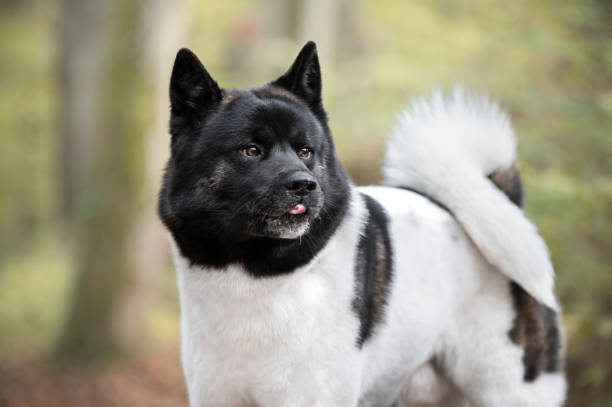
The American Akita is a majestic, powerful, and stoic breed. Originating from the snowy mountainous regions of Japan (as the root stock of the Akita Inu), the American variation is typically larger, heavier-boned, and exhibits a wider variety of coat colors. They possess a dense, double coat that makes them particularly susceptible to overheating, making indoor activity not just a convenience, but often a necessity, especially during hot summers or periods of inclement weather.
The primary characteristic that dictates successful indoor living with an Akita is their unique blend of high intelligence and low-to-moderate indoor energy. A well-exercised Akita is often quite content to be a magnificent, immobile rug. An Akita lacking mental stimulation, however, is a large, powerful, and highly destructive force. Achieving indoor harmony relies almost entirely on mastering mental fatigue over physical exertion.
The Critical Need for Mental Stimulation
While a Golden Retriever might be satisfied by an hour of fetching, the Akita requires purpose, problem-solving, and a challenge worthy of their intellect. If their powerful minds are not actively engaged, they will invent their own tasks, which often involve dismantling the house to assess its structural integrity. Indoor activities must therefore focus on three pillars:
- Cognitive Load: Activities that require focused thought and problem-solving (e.g., advanced puzzles).
- Impulse Control: Exercises that reinforce ‘Stay,’ ‘Wait,’ and ‘Leave It,’ essential for managing a large breed in confined spaces.
- Bonding and Trust: Low-pressure activities that strengthen the handler-dog relationship, crucial for this often independent and reserved breed.
PART II: COGNITIVE GAMES & MENTAL FORTIFICATION (The Cornerstones of Akita Happiness)
Mental stimulation is exponentially more effective at tiring out an Akita than physical running. The following activities leverage their keen senses and high intelligence, turning downtime into brain-building time.
1. Advanced Scent Work and Nose Games
An Akita’s sense of smell is highly acute and utilizing it taps directly into their canine instinct, providing immense satisfaction. Forcing them to track and search reduces anxiety and sharpens focus.
1.1. The Shell Game and Treat Puzzles
Concept: This is the canine version of musical chairs, requiring high levels of focus and impulse control. Implementation:
- Start with three opaque cups (plastic or durable containers, avoiding anything easily chewed).
- Show the Akita the treat and place it under one cup while they watch.
- The cue is “Find it!”—they must indicate the correct cup (not necessarily knock it over, but nudge or stare).
- Progression and Depth (300+ Words): For the Akita, the introductory phase is too simple. Rapidly move to the advanced stages:
- The Shuffle: Once the treat is placed, smoothly and slowly shuffle the cups while the Akita watches. This forces them to track movement and resist the urge to simply knock over the most exciting target.
- The Blind Search: Place the treat, then place the Akita in a ‘Stay’ position behind a barrier (a chair or door) while you shuffle the cups. Release them with “Find it!” This incorporates memory and scent.
- The Distraction Multiplier: Introduce minor environmental distractions during the shuffle, such as tapping your foot, speaking a neutral phrase, or tossing a small, non-food item nearby. This proofs their focus against minor ambient interference, critical for an Akita’s often single-minded focus.
- Duration and Repetition: An Akita can handle 10–15 minutes of continuous, complex scent work. Keep the reward high-value (e.g., dried liver or a small raw piece of carrot) to maintain engagement, as their drive for frivolous games is lower than in high-energy sporting breeds.
1.2. Hide-and-Seek (Person or Toy)
This classic game is excellent for strengthening the relationship and reinforcing the ‘Come’ command in a low-stakes environment.
Methodology:
- Variant A (Person): Have a secondary helper hold the dog while you sprint to a hiding spot (closet, behind the sofa, under a blanket). The cue is often the Akita’s name or “Ready!”
- Akita Adaptation: Due to their size, the hiding spots must be feasible. More importantly, the Akita tends to default to visual tracking. To ensure they use their nose, hide in a spot that breaks the line of sight (e.g., around two corners) or where you can lightly spritz a unique scent (like a mild perfume or a piece of cheese) to lead the way.
- Variant B (Toy): Use a favorite, highly durable toy (Akitas are powerful chewers). Show them the toy, use the cue “Go find [toy name],” and hide it while they are in a ‘Stay.’ Start easy (under a corner of a rug) and graduate to deep hiding spots (under a pile of laundry or in a laundry basket). The sheer joy of the discovery is the reward.
2. Strategic Food Dispensing and Lick Therapy
Food puzzles are not just ways to slow down eating; they are essential therapeutic tools that employ natural canine foraging behaviors.
2.1. The Snuffle Mat Challenge
A snuffle mat is a modern Akita necessity. The dense fabric strips force the dog to use its nose to root out every piece of kibble. Akita Specifics: Purchase a heavy-duty, large mat that won’t easily slide across the floor. For an Akita, use the entire meal portion, scattering treats deep within the folds. This activity can occupy them for 20–30 minutes, turning mealtime into productive work.
2.2. Frozen KONGs and Durable Dispenser Toys
Because Akitas are heavy chewers, weak plastic toys are useless and dangerous. Focus must be on ultra-durable, rubber toys like KONG Extremes.
- The High-Difficulty Stuffing: Simple peanut butter lasts mere minutes. For an Akita, the stuffing must be dense and frozen.
- Layer 1 (The Plug): A dab of peanut butter or cream cheese sealing the small hole.
- Layer 2 (The Core): Soaked and mashed kibble mixed with plain yogurt or broth.
- Layer 3 (The Treat): Small pieces of carrot or dense cheese pressed into the mix.
- Freezing: Freeze overnight. The dog must methodically lick and work the frozen block, providing 45–90 minutes of focused, low-impact mental work.
2.3. Lick Mats and Calming Therapy
Licking is a self-soothing behavior that releases endorphins, effectively lowering the dog’s heart rate and cortisol levels.
- Application: Lick mats, spread with soft, appealing substances (plain pumpkin puree, plain yogurt, or unsalted broth), are perfect for use immediately after a period of high excitement (like opening the door for a guest) or during necessary, non-preferred activities (like grooming or nail trims). The focused licking provides a cognitive distraction from the stressor.
PART III: LOW-IMPACT PHYSICAL ENGAGEMENT (Movement Without Mayhem)
The indoor physical activity goal for an American Akita is not cardiovascular endurance, but muscle engagement, balance, and controlled movement. We must avoid activities that encourage high-speed racing or excessive jumping, which are destabilizing and potentially hazardous indoors.
1. Controlled Indoor Fetch and Rolling Games
If you have a long hallway or a large open room, controlled fetch can be executed safely.
The Strategy:
- Avoid the Sprint: The goal is not to throw the toy across the room. Instead, roll a durable ball or heavy rubber toy a short distance (5–10 feet) down the hall.
- The ‘Walk/Trot’ Rule: The Akita must walk or trot to the toy, pick it up, and bring it back—no full-speed sprinting. This reinforces the ‘Walk’ cue indoors, preventing crashes.
- The Retrieve and Release: Use this time to reinforce a ‘Drop’ cue. Since Akitas can be possessive, practicing dropping the toy back into your hand repeatedly, with a high-value verbal reward, reinforces compliance.
2. Balance and Proprioception Exercises
Proprioception (the sense of where the body is in space) is vital for large, powerful dogs, preventing accidental slips or falls, and strengthening core muscles.
2.1. Cavaletti Poles on the Floor
Setup: Use objects that are low but sturdy, such as old PVC pipes, broomsticks, or even thick books, laid horizontally across the floor, 2–3 feet apart. The Walkthrough: Leash the Akita and slowly walk them over the ‘poles.’ They must lift their feet one by one to avoid tripping. This engages the core stabilizers and rear-end muscles. Advanced Progression: Introduce small, subtle height differences in the poles (e.g., propping one end up on a yoga block) to increase the focus required.
2.2. The Back-Up Game
Backing up is surprisingly difficult for dogs and requires high awareness of rear limb placement.
- Method: Stand directly in front of the Akita in a narrow space (like a hallway). Hold a treat at their chest level, and gently move toward them while issuing the “Back up!” cue.
- Reward: Reward immediately for even one step backward. This exercise is low-impact but highly mentally demanding, teaching body control.
3. Stair Climbs (If Medically Appropriate)
If your Akita is young and healthy (consultation with a vet is mandatory for older dogs or puppies), using a short flight of stairs can provide excellent, low-duration muscle building.
- Protocol: Use the ‘Wait’ cue at the bottom. Send them up 5–10 stairs, have them ‘Wait’ again, and then call them down. This should be done slowly, one step at a time, to focus on deliberate muscle engagement rather than simply bounding up and down the steps.
PART IV: SKILL DEVELOPMENT & OBEDIENCE REFINEMENT
The Akita’s intelligence makes them highly receptive to training, but their independent nature demands consistency and clear, authoritative communication. Use indoor time to perfect foundational commands and introduce advanced concepts.
1. Proofing Foundational Cues
‘Proofing’ means practicing a known command under increasing levels of distraction, duration, and distance (the 3 Ds). Indoor time offers a controlled environment to build reliable obedience before facing the chaos of the outdoors.
1.1. Advanced ‘Stay’ and Duration Work
The Akita Challenge: Akitas are masters of the slow creep. Use the ‘Stay’ cue and introduce duration challenges:
- Start with 30 seconds, 1 minute, 5 minutes.
- The Distraction Test: While the Akita is in a stay:
- Walk around the house (out of sight, then return).
- Drop a spoon loudly in the kitchen.
- Bring out a high-value toy, but don’t offer it.
- Have another person walk through the ‘Stay’ zone.
- The Reward: Instead of immediate treats, occasionally introduce a 5-minute ‘release’ to their favorite sleeping spot or water bowl, making the release itself the reward.
1.2. Generalization and Location Specificity
Practice the same command in 5–10 different locations inside the home (the bedroom, the bathmat, the kitchen, etc.). A dog may know “Sit” in the living room, but fail when asked in the laundry room. Generalizing the command ensures compliance regardless of the environment.
2. Introducing Useful Household Skills
Akitas thrive when they have a job. Teaching them tasks that genuinely help around the house provides immense satisfaction.
2.1. The “Tidy Up” Command (Putting Toys Away)
This skill capitalizes on the Akita’s propensity to carry items.
- Procedure: Place a toy basket on the floor. Hold a treat near the basket. Ask the Akita to pick up a toy. When they approach the basket, cue “Tidy Up” or “Drop It.” When the toy lands in the basket, reward heavily.
- Progression: Increase the distance from the basket, or ask them to retrieve a specific toy by name.
2.2. Delivery Tasks (“Go Get Max’s Leash”)
Teach the Akita to retrieve designated items they can easily carry. This is an excellent way to practice object identification.
- Start by teaching the name of key items (leash, specific toy, sock).
- Ask them to go retrieve the item and bring it back, reinforcing the ‘Fetch’ and ‘Drop’ cues simultaneously.
3. Shaping and Advanced Clicker Mechanics
Shaping involves rewarding successive approximations of a desired behavior, forcing the dog to figure out the behavior on their own. This is mentally exhausting.
- Targeting: Teach the Akita to touch their nose to a specific target (a spoon, a sticky note, your hand). Once mastered, you can use this indoors to guide them into position without physical force (e.g., guiding them to the center of a mat, or closing a cabinet door).
PART V: RELAXATION, COMFORT & GROOMING RITUALS
Not all indoor time is about high-intensity activity. A large portion of a healthy Akita’s day should be dedicated to structured rest and maintenance, which are equally important for mental balance and bonding.
1. The Mat Protocol (“Place” Training)
The ‘Place’ or ‘Mat’ command is arguably the most crucial indoor skill for a large, independent dog like the Akita. It teaches them to relax in a designated spot regardless of household activity.
Execution:
- Use a comfortable, durable mat or bed.
- Lure or guide the Akita onto the mat, issuing the cue “Place.”
- Reward heavily, not just for getting on the mat, but for lying down and staying calm.
- Duration Work: Once they are stationary, practice ignoring them. Walk around, make food, answer the phone. If they break, gently lead them back and reset. The goal is boredom and rest.
- The Akita’s Calm: A well-proofed ‘Place’ command allows the Akita to be near the family without being underfoot, preventing potential resource guarding or territorial issues often exacerbated in confined indoor spaces.
2. The Structured Grooming Session
Grooming—brushing, checking paws, light massage—should be a positive, daily activity, not a battle. This is crucial for Akitas due to their dense coats.
2.1. Desensitization to Handling
Many Akitas are wary of handling, especially around their feet and mouth. Use indoor quiet time to practice:
- The Spa Session: Lay the Akita down on their mat. Use long, slow strokes, focusing on the high-shed areas (rump and neck).
- Paw Drills: Slowly touch and massage each toe, rewarding with treats. This habit is invaluable for nail trims and injury checks.
- Muzzle Acceptance: Practice gently holding the muzzle or lifting the lips, pairing it with high-value treats.
3. Canine Massage and Therapeutic Touch
A large dog’s muscles can become stiff. Learning basic canine massage techniques can deepen the bond and provide crucial physical checks.
- Focus on large muscle groups (shoulders and hindquarters).
- Use slow, steady pressure. Pay attention to their reaction—if they lean into the touch, you are hitting the right spot. If they pull away, lighten the pressure. This is a quiet, bonding activity perfect for the evening.
PART VI: SPECIALIZED SCENARIOS AND SAFETY CONSIDERATIONS
Indoor life with a powerful breed like the American Akita requires specific safety protocols and adjustments for different life stages.
1. Managing Puppyhood Indoors
Akita puppies are powerful, land-shark chewers with high, short bursts of energy.
- Crate Training is Non-Negotiable: The crate provides a safe space where the Akita cannot destroy dangerous items or practice inappropriate behaviors. It is their den.
- Enforced Naps: Akita puppies need 18–20 hours of sleep. If they become manic or destructive indoors, they are overtired, not bored. Use the crate for enforced, calming naps.
- Teething Solutions: Indoor activities must revolve around teething: frozen KONGs, large frozen carrots, and large, durable Nylabones. Avoid small, soft toys that present a choking hazard.
2. Indoor Adjustments for Senior Akitas
A senior Akita requires minimal physical exertion, emphasizing comfort and low-impact cognitive work.
- Soft Surfaces: Ensure all resting spots are heavily cushioned to protect joints. Consider orthopedic mats.
- Simplified Puzzles: Lower the difficulty of cognitive games. Use bowls with wide openings for scent work, and avoid deep snuffle mats that require excessive neck-straining.
- Temperature Control: Seniors are often less efficient at regulating body temperature. Ensure they are resting in a cool, well-ventilated area, especially if they have joint pain that prevents them from easily moving to find cooler spots.
3. Home Safety and Damage Control
The size and power of the Akita mean that accidental damage is a constant risk.
- Securing the Perimeter: Everything within the Akita’s reach should be either durable, non-toxic, or firmly secured. Electrical cords must be blocked or covered. Small, breakable decorative items should be placed on high shelves.
- Flooring: Slick flooring (hardwood or tile) is dangerous, particularly for quickly moving puppies or seniors. Use large area rugs to provide traction for sudden start-and-stop movements.
- Emergency Cool Down: Always have a cool space available. During indoor play, if the Akita begins panting heavily, immediately stop, move them to a cool tile floor, and offer water. Their thick coat makes overheating a grave risk.
4. Noise Sensitivity and Indoor Reaction Management
Akitas are naturally watchful and territorial. Indoor activities should occasionally involve desensitizing them to home sounds.
- The Unexpected Knock: Use recordings of doorbells, knocking, or street noise at low volume while the Akita is engaged in a puzzle toy. Reward them for ignoring the noise and continuing their work. Gradually increase the volume. This helps mitigate reactive barking and frantic window patrol indoors.
PART VII: THE 24-HOUR AKITA INDOOR SCHEDULE FRAMEWORK
A successful indoor Akita structure requires blending focused work periods with long rest periods. This is a sample schedule for a day when outdoor activity is limited due to heat or weather:
| Time Slot |
Duration |
Activity Type | Specific Activity Focus | Goal Achieved |
|---|---|---|---|---|
| 7:00 AM | 30 mins | Pre-Meal Cognitive | Breakfast served entirely via a frozen KONG or large puzzle ball. | Mental fatigue; slow eating; calm start. |
| 8:30 AM | 15 mins | Skill Development | 5-minute ‘Stay’ proofing in the kitchen. 10 minutes of ‘Tidy Up.’ | Impulse control; relationship building. |
| 9:00 AM | 3 hours | Structured Rest | Crate time or ‘Place’ command drill. | Lower cortisol; deep rest; boredom prevention. |
| 12:00 PM | 20 mins | Low-Impact Physical/Bonding | 10 minutes of controlled hallway fetches (rolling the ball). 10 minutes of backup and balance exercises. | Muscle engagement; joint health. |
| 1:00 PM | 2 hours | Independent Work | Lick mat or large chew bone, supervised. | Self-soothing; jaw work. |
| 3:00 PM | 30 mins | Scent Work | Advanced Shell Game (3 cups, 2 shuffles) or complex hide-and-seek with a toy. | High cognitive load; olfactory satisfaction. |
| 4:30 PM | 10 mins | Grooming/Bonding | Gentle brush down and paw massage on the mat. | Desensitization; maintenance; relaxation. |
| 6:30 PM | 30 mins | Dinner/Cognitive | Second meal served via a snuffle mat or slow feeder bowl. |
Foraging behavior; mental reset. |
| 8:00 PM | 15 mins | Nighttime Practice | Review of most difficult cues (e.g., ‘Touch’ or “Go to Bed”). | Reinforce training; clear communication. |
| 8:30 PM | Continuous | Quiet Time | Family passive time; Akita must be in ‘Place’ or resting nearby. | Relaxation; acceptance of ambient stimuli. |
CONCLUSION
The American Akita is fundamentally a working breed, and their need for mental engagement does not dissipate simply because they are indoors. By prioritizing strategic cognitive challenges, controlled physical activity, and rigorous obedience proofing, the indoor environment can become a sanctuary of structure and positive stimulation. Success lies not in wearing the dog out physically, but in exhausting their powerful minds, which leads to a calm, satisfied, and magnificent companion, regardless of the weather outside.
#AkitaIndoorWorkout #MentalExerciseForDogs #HowToTrainAnAkita #AkitaBrainGames #LargeDogActivityGuide #AkitaCare #DogEnrichmentIdeas #KONGStuffingHacks #AkitaObedience #AkitaGram #IndoorDogActivities #PuzzleDog #BrainGamesForDogs #BigDogProblems #AkitaPuppy #DogTrainingGoals #StoicAkita #SnowDogLife #HomeWithMyDog #AmericanAkitaLife #IndoorDogGames #AkitaTrainingTips #MentalStimulationForDogs #LargeBreedLiving #WorkingDogTraining #AkitaLove #DogEnrichment #ResponsibleDogOwnership #PowerfulDogsIndoors






Add comment