
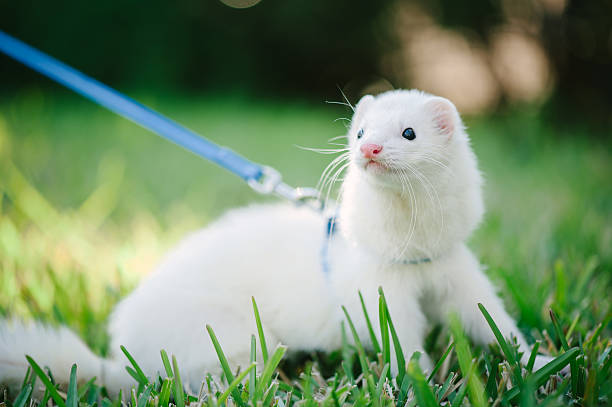
Inflammatory Bowel Disease (IBD) is a chronic gastrointestinal disorder affecting various species, including humans, dogs, cats, and ferrets. In ferrets (Mustela putorius furo), IBD is one of the most common and challenging gastrointestinal conditions faced by owners and veterinarians. It is characterized by persistent or recurrent inflammation of the gastrointestinal tract, leading to malabsorption, weight loss, diarrhea, and other systemic signs. Unlike acute gastrointestinal infections, IBD is a long-term condition that requires careful diagnosis, management, and ongoing care.
This comprehensive guide covers all aspects of Inflammatory Bowel Disease in ferrets, including its causes, clinical signs, diagnostic methods, treatment options, prognosis and potential complications, prevention strategies, dietary and nutritional support, and the zoonotic risk associated with the condition. This resource is designed to assist ferret owners, veterinary professionals, and animal care enthusiasts in better understanding and managing IBD in ferrets.
What Is Inflammatory Bowel Disease (IBD) in Ferrets?
Inflammatory Bowel Disease (IBD) in ferrets is a non-infectious, immune-mediated disorder wherein the lining of the gastrointestinal (GI) tract becomes inflamed. This inflammation disrupts the normal digestive and absorptive functions of the intestines. While IBD can affect any part of the GI tract—stomach, small intestine, and/or colon—its severity and distribution vary between individuals.
IBD is not a single disease but rather a group of disorders with similar clinical signs and histological features. Common forms seen in ferrets include lymphocytic-plasmacytic enteritis, eosinophilic gastroenteritis, and granulomatous enteritis. The disease is progressive and often results in chronic illness if left untreated.
It’s important to differentiate IBD from other conditions that mimic its symptoms, such as gastrointestinal parasites, Helicobacter infections, intestinal lymphoma, foreign body obstructions, or food intolerances. Accurate diagnosis is key to proper management.
Causes of Inflammatory Bowel Disease in Ferrets
The exact cause of IBD in ferrets is not fully understood, but it is believed to result from a complex interaction between genetic predisposition, immune system dysfunction, environmental factors, diet, and gut microbiota. The following are contributing factors:
1. Immune System Dysregulation
IBD is largely considered an immune-mediated condition. In healthy ferrets, the immune system tolerates beneficial gut flora while attacking pathogens. In IBD, this balance is disrupted, and the immune system mounts an inappropriate and persistent inflammatory response against food antigens or commensal bacteria in the gut. This leads to chronic inflammation and tissue damage.
2. Dietary Factors
Ferrets are obligate carnivores, meaning their digestive systems are designed to process high-protein, low-fiber diets. Diets containing grains, plant proteins, or excessive carbohydrates can irritate the GI tract and potentially trigger or worsen IBD. Low-quality kibble, fillers, and artificial ingredients are common culprits. Sudden dietary changes or feeding inappropriate human foods can also contribute.
3. Gut Microbiome Imbalance (Dysbiosis)
The gut microbiota plays a crucial role in immune regulation and digestive health. Disruptions in the balance of beneficial and harmful bacteria—due to antibiotics, stress, diet, or infections—can lead to inflammation and IBD-like symptoms. Ferrets with IBD often show altered microbial profiles in the intestines.
4. Genetic Predisposition
While no definitive genetic markers have been identified in ferrets, there is anecdotal evidence suggesting certain bloodlines may be more prone to developing IBD. This is consistent with findings in other species, such as dogs and humans.
5. Environmental Stress
Ferrets are sensitive animals, and prolonged stress—due to poor housing conditions, excessive noise, lack of enrichment, or social isolation—can compromise immune function and exacerbate gastrointestinal issues, including IBD.
6. Underlying Infections
Chronic infections such as Helicobacter mustelae (a bacterium commonly found in ferrets) can cause gastritis and act as a trigger for IBD. Other pathogens like Cryptosporidium, Giardia, or Clostridium may also contribute to gut inflammation.
7. Age-Related Immune Changes
IBD is more commonly diagnosed in middle-aged to older ferrets (typically 3–6 years old), suggesting that immune senescence or age-related changes in gut function may play a role.
Signs and Symptoms of IBD in Ferrets
Clinical signs of IBD can be subtle initially but tend to become more severe over time. Symptoms may wax and wane, making diagnosis difficult. Common signs include:
1. Chronic Diarrhea
Frequent, loose, or watery stools are one of the hallmark symptoms. The stool may contain mucus or undigested fat (steatorrhea), and it often has a foul odor.
2. Weight Loss and Muscle Wasting
Despite a normal or increased appetite, ferrets with IBD often lose weight because the inflamed intestine cannot properly absorb nutrients. This is especially noticeable in the hindquarters due to muscle atrophy.
3. Poor Coat Condition
A dull, dry, or rough coat may develop due to malnutrition and poor fat absorption.
4. Lethargy and Weakness
Chronic malnutrition and inflammation can lead to general weakness, reduced activity, and reluctance to play.
5. Vomiting
Some ferrets may vomit frequently, especially after eating. This can be due to delayed gastric emptying or irritation of the stomach lining.
6. Increased Appetite (Polyphagia)
Because nutrients aren’t being absorbed efficiently, ferrets may eat more than usual in an attempt to compensate. This paradoxical increase in appetite amidst weight loss is a red flag.
7. Abdominal Discomfort
Ferrets may show signs of discomfort such as hunching, teeth grinding, or reluctance to be handled around the abdomen.
8. Dehydration
Chronic diarrhea can lead to fluid loss and dehydration, evident by dry gums, sunken eyes, and decreased skin elasticity.
9. Bloody Stools (Less Common)
While not typical, blood in the stool may occur if the colon is severely inflamed.
10. Bad Breath (Halitosis)
Due to gastritis or poor digestion, some ferrets develop persistent halitosis.
It’s essential to note that many of these symptoms overlap with other diseases, such as insulinoma, adrenal disease, or lymphoma. A thorough diagnostic workup is necessary to confirm IBD.
Diagnosis of IBD in Ferrets
Diagnosing IBD in ferrets is challenging and often involves ruling out other conditions. There is no single definitive test for IBD; instead, diagnosis is based on a combination of clinical signs, laboratory testing, imaging, and histopathology.
1. Physical Examination
A veterinarian will perform a thorough physical exam, assessing body condition, hydration status, and abdominal palpation for pain, thickening of intestinal loops, or masses.
2. Fecal Examination
Fecal floatation and direct smears are used to rule out parasites such as Giardia, Coccidia, and Cryptosporidium. Fecal culture may help detect bacterial pathogens.
3. Blood Work
A complete blood count (CBC) and serum biochemistry panel can reveal:
- Anemia (chronic inflammation or blood loss)
- Hypoalbuminemia (low albumin due to protein loss through the gut)
- Elevated liver enzymes (if secondary hepatic involvement)
- Hypoglycemia (to rule out insulinoma, which can coexist)
4. Abdominal Ultrasound
Ultrasound is a non-invasive imaging technique that allows visualization of the intestinal wall. In IBD, the intestinal wall may appear thickened, layered, or irregular. Ultrasound can also help assess other abdominal organs.
5. Endoscopy
Gastrointestinal endoscopy allows direct visualization of the stomach and upper intestines. Biopsies can be collected via endoscopic forceps for histopathological examination—the gold standard for diagnosing IBD. However, endoscopy in ferrets is technically challenging due to their small size and requires specialized equipment and expertise.
6. Biopsy and Histopathology
A definitive diagnosis of IBD requires histopathological examination of intestinal tissue. Biopsies reveal the type, location, and severity of inflammatory cell infiltration:
- Lymphocytic-plasmacytic enteritis: Most common type; characterized by infiltration of lymphocytes and plasma cells.
- Eosinophilic gastroenteritis: Presence of eosinophils, sometimes associated with allergies or parasitic infections.
- Granulomatous enteritis: Rare; involves macrophages forming granulomas.
Biopsies help differentiate IBD from intestinal lymphoma, which can look similar clinically and microscopically.
7. Trial Therapies
In some cases, if IBD is suspected but biopsy isn’t feasible, a therapeutic trial with immunosuppressive drugs and dietary changes may be used. Improvement in symptoms supports an IBD diagnosis.
Treatment of IBD in Ferrets
The goal of treatment is to reduce inflammation, control clinical signs, improve nutrient absorption, and enhance quality of life. Treatment is typically lifelong and requires a multimodal approach.
1. Dietary Management
Diet is the cornerstone of IBD management in ferrets.
- High-Quality, Easily Digestible Diet: Feed a commercial ferret food or high-protein kitten food with animal-based protein (e.g., chicken, turkey, or lamb) as the first ingredient. Avoid plant proteins, grains, corn, soy, or artificial additives.
- Limited Ingredient Diets: Used to identify and eliminate food allergens. Hydrolyzed protein diets or novel protein sources (e.g., rabbit, venison) may be beneficial.
- Raw or Cooked Whole Prey Diets: Some owners opt for raw feeding (e.g., raw meat, organs, bones) under veterinary supervision. However, this requires strict hygiene and nutritional balance.
- Small, Frequent Meals: Feeding 4–6 small meals per day can reduce digestive burden.
- Avoiding Treats: Eliminate sugary, starchy, or dairy-based treats during flare-ups.
2. Medications
- Corticosteroids: Prednisone or prednisolone are commonly used to suppress the immune response and reduce inflammation. Initial doses are higher and tapered slowly based on response. Long-term use requires monitoring for side effects (e.g., immunosuppression, diabetes).
- Other Immunosuppressants: For steroid-resistant cases, drugs like cyclosporine or azathioprine may be used, though they require careful monitoring due to toxicity risks.
- Antibiotics: Metronidazole or tylosin may be prescribed to modulate gut flora and reduce bacterial overgrowth. Metronidazole also has anti-inflammatory effects on the gut.
- Gastroprotectants: Omeprazole or famotidine can reduce stomach acid and treat concurrent gastritis.
- Anti-nausea Medications: Maropitant (Cerenia) may help control vomiting.
- Probiotics and Prebiotics: While evidence in ferrets is limited, certain probiotic strains (e.g., Lactobacillus, Bifidobacterium) may help restore gut microbiome balance and reduce inflammation.
3. Fluid Therapy
Subcutaneous or intravenous fluids may be needed to correct dehydration, especially during acute flare-ups.
4. Nutritional Supplements
- Vitamin B12 (Cobalamin) Supplementation: Chronic IBD can lead to cobalamin deficiency due to intestinal damage. Regular B12 injections (weekly or monthly) can improve appetite and energy.
- Digestive Enzymes: Pancreatic enzyme supplements may assist digestion in some cases.
- Omega-3 Fatty Acids: Found in fish oil, these have anti-inflammatory properties and may support gut health (use under veterinary guidance).
5. Environmental and Stress Management
Reducing stress through proper housing, enrichment, consistent routines, and minimizing environmental changes can improve outcomes.
Prognosis and Complications
Prognosis
The prognosis for ferrets with IBD varies. With early diagnosis and aggressive management, many ferrets can live for years with a good quality of life. However, IBD is a chronic, progressive disease, and some ferrets may not respond well to treatment or experience frequent relapses.
Factors that influence prognosis:
- Response to dietary changes
- Severity of inflammation
- Presence of complications
- Owner compliance with long-term treatment
Ferrets that maintain weight, have controlled diarrhea, and remain active generally have a better outlook.
Complications
Untreated or poorly managed IBD can lead to:
- Severe Malnutrition and Cachexia: Chronic nutrient loss leads to muscle wasting and weakness.
- Hypoproteinemia: Low blood protein levels can cause edema (fluid accumulation in tissues).
- Intestinal Ulceration and Bleeding: Prolonged inflammation may erode the intestinal lining.
- Secondary Infections: Immunosuppressive therapy increases susceptibility to bacterial, viral, or fungal infections.
- Intestinal Lymphoma: There is some debate whether chronic IBD predisposes ferrets to lymphoma, but both conditions can coexist.
- Liver or Pancreatic Disease: Chronic inflammation may affect adjacent organs.
Prevention of IBD in Ferrets
While not all cases of IBD can be prevented, the following strategies can reduce risk or delay onset:
- Feed a Species-Appropriate Diet: Provide high-protein, low-carbohydrate ferret food from an early age. Avoid feeding dog food, cat food with fillers, or human junk food.
- Gradual Diet Transitions: Always switch foods slowly over 7–10 days to avoid GI upset.
- Minimize Stress: Provide a safe, enriched environment with toys, tunnels, and social interaction.
- Routine Veterinary Care: Annual check-ups help detect early signs of illness.
- Parasite Control: Regular fecal exams and deworming prevent parasitic infections that can trigger inflammation.
- Avoid Unnecessary Antibiotics: Use antibiotics only when prescribed and complete the full course to prevent dysbiosis.
- Hygiene and Sanitation: Clean cages regularly with ferret-safe disinfectants to reduce pathogen load.
Diet and Nutrition in IBD Management
Nutrition plays a central role in both the development and management of IBD. Key considerations include:
Ideal Dietary Composition for Ferrets
- Protein: 30–40% (animal-based)
- Fat: 15–20%
- Fiber: <3%
- Carbohydrates: Minimal to none
Recommended Foods
- Premium ferret kibble (e.g., Marshall, Kaytee Forti Diet)
- High-protein kitten food (e.g., Wellness, Blue Buffalo Wilderness)
- Raw diets (for experienced owners; must be balanced and safe)
Foods to Avoid
- Fruits and vegetables (ferrets cannot digest fiber)
- Milk and dairy products (lactose intolerance)
- Sugary treats or candies
- Grains (corn, wheat, soy)
- Raw fish or eggs (risk of bacteria)
Feeding Strategies
- Food Trials: To identify food intolerances, introduce one novel protein at a time and monitor for 6–8 weeks.
- Hand-Feeding: During severe flare-ups, ferrets may need hand-feeding with blended food or critical care formulas (e.g., Hill’s a/d, Oxbow Carnivore Care).
- Hydration: Always ensure access to fresh, clean water. Syringe-watering may be needed in debilitated animals.
Critical Care Nutrition
In cases of refusal to eat, nutritional support is vital. Options include:
- Syringe Feeding: Use of high-calorie liquid foods every 2–4 hours.
- Feeding Tubes: In severe cases, a veterinarian may place a temporary esophagostomy tube.
Zoonotic Risk of IBD in Ferrets
Inflammatory Bowel Disease itself is not zoonotic. This means IBD cannot be transmitted from ferrets to humans. It is an immune-mediated condition unique to the individual animal.
However, some underlying causes or concurrent conditions associated with GI symptoms in ferrets may pose a zoonotic risk:
- Salmonella: Ferrets can carry Salmonella bacteria asymptomatically and shed it in feces. This can infect humans, especially children, elderly, or immunocompromised individuals.
- Giardia: While Giardia in ferrets is usually species-specific, rare human infections have been reported.
- Cryptosporidium: Can be zoonotic, particularly in immunocompromised people.
- Campylobacter: Another potential zoonotic pathogen found in the GI tract.
Precautions for Owners
- Practice good hygiene: Wash hands after handling ferrets or cleaning cages.
- Wear gloves when cleaning feces or soiled bedding.
- Keep ferrets away from food preparation areas.
- Regular veterinary check-ups and fecal testing help detect and treat potential zoonotic pathogens early.
Ferret owners with weakened immune systems should consult a physician before acquiring a ferret.
Conclusion
Inflammatory Bowel Disease (IBD) in ferrets is a complex, chronic condition that requires vigilant care and lifelong management. While the exact cause remains elusive, a combination of genetic, immunological, dietary, and environmental factors contributes to its development. Early recognition of symptoms—such as chronic diarrhea, weight loss, and poor appetite—is crucial for timely intervention.
Diagnosis involves a multi-step approach, including clinical evaluation, laboratory tests, imaging, and often intestinal biopsies. Treatment centers on dietary modification, immunosuppressive therapy, and supportive care, with the goal of reducing inflammation and improving quality of life.
Although IBD is not curable, many ferrets respond well to treatment and can live comfortably for years. Prevention through proper nutrition, stress reduction, and routine veterinary care can help reduce the incidence. Importantly, while IBD itself is not transmissible to humans, owners should remain aware of potential zoonotic pathogens and practice good hygiene.
With advances in veterinary medicine and increasing awareness among pet owners, the outlook for ferrets with IBD continues to improve. By understanding this condition thoroughly, caregivers can provide the best possible care for their beloved pets.
#FerretIBD, #FerretHealth, #InflammatoryBowelDisease, #FerretCare, #FerretNutrition, #IBDinFerrets, #FerretLover, #FerretOwner, #FerretDiet, #ChronicDiarrhea, #FerretVet, #FerretWellness, #FerretMedicine, #FerretLife, #FerretRescue, #FerretTips, #PetHealth, #SmallPets, #FerretCommunity, #GutHealth, #FerretTreatment, #FerretSupport, #AnimalHealth, #FerretRecovery, #FerretEducation, #IBDAwareness, #FerretGutHealth, #FerretLiving, #FerretOwnerGuide, #FerretDiseases




Add comment