
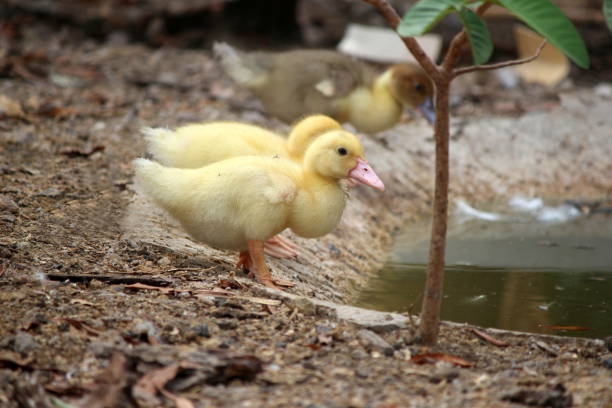
Ducks, like all living creatures, are susceptible to a variety of injuries, particularly fractures and lacerations. These traumatic conditions can arise from numerous environmental, behavioral, or management-related causes and, if not promptly and properly addressed, can lead to severe consequences, including chronic pain, infection, disability, and even death. This guide provides a detailed, in-depth examination of injuries—fractures and lacerations—in ducks, covering their causes, clinical signs, risk factors, diagnosis, treatment, prognosis, complications, prevention strategies, nutritional considerations, zoonotic risks, and more. By understanding these critical aspects, duck keepers, veterinarians, and poultry enthusiasts can better safeguard the health and well-being of these valuable birds.
1. Causes of Fractures and Lacerations in Ducks
Fractures (Broken Bones): Fractures in ducks occur when the structural integrity of a bone is compromised due to direct trauma, excessive force, or underlying weakness. Common causes include:
- Predation or Attack: One of the leading causes of both fractures and lacerations. Predators such as foxes, raccoons, dogs, and birds of prey can snatch ducks, leading to broken limbs or vertebrae, especially in flightless domestic breeds.
- Falls from Height: Ducks housed on elevated perches or platforms without proper safety measures may fall, resulting in leg, wing, or keel bone fractures.
- Aggressive Behavior: In overcrowded or poorly managed environments, aggressive ducks may attack others, causing physical trauma such as fractures.
- Accidental Injuries: Getting limbs trapped in fencing, gates, or equipment can lead to fractures, particularly in the legs or wings.
- Poor Nutrition (especially calcium deficiency): Ducks fed imbalanced diets, especially deficient in calcium, phosphorus, or vitamin D3, develop weaker bones (a condition known as nutritional secondary hyperparathyroidism or “metabolic bone disease”), making them prone to spontaneous or stress fractures.
- High-Stocking Densities: Overcrowding increases the risk of physical altercations and accidental injuries during movement.
- Breeding Trauma: Male ducks (drakes) can be overly aggressive during mating, potentially causing fractures or injuries to female ducks’ legs or wings.
Lacerations (Deep Cuts or Tears in Skin or Tissue): Lacerations are deep wounds caused by sharp or tearing forces. Common causes include:
- Predation Attempts: Even brief attacks by predators can leave deep cuts or tears, particularly on the back, neck, or legs.
- Sharp Objects in Enclosure: Exposed nails, wire, broken fencing, metal edges, or jagged wood can cause lacerations when ducks move around.
- Fights Between Ducks: Territorial disputes, especially among males during breeding season, often result in pecking, biting, or scratching that can cause lacerations.
- Improper Handling: Rough handling during medical examination, transportation, or routine care can result in accidental cuts or tears.
- Entanglement: Ducks entangled in fishing lines, netting, or plastic debris may self-inflict lacerations trying to free themselves.
Understanding the causes is crucial for prevention, prompt diagnosis, and the implementation of safe management practices.
2. Signs and Symptoms of Fractures and Lacerations
Recognizing early signs of injury is essential for timely intervention and better outcomes. Ducks are prey animals and often conceal pain and injury until conditions become severe—a survival trait that complicates early diagnosis.
Signs of Fractures:
- Lameness or Inability to Stand/Walk: A duck may favor one leg, hop on one foot, or refuse to bear weight. This is common with leg or pelvic fractures.
- Wing Droop or Asymmetry: A drooping or non-functional wing suggests a fracture of the humerus, radius, or ulna.
- Abnormal Posture or Swaying Gait: Ducks with spinal or pelvic fractures may walk with an unsteady, waddling gait or appear “splayed.”
- Swelling or Deformity at the Injury Site: Visible swelling, angulation, or crepitus (grating sound from bone ends rubbing) may be present.
- Pain Response to Touch: Ducks may vocalize (hissing, squawking) or attempt to flee when the affected area is touched.
- Decreased Mobility or Reluctance to Move: The duck may remain stationary, isolate itself, or avoid flying (if capable).
- Loss of Appetite and Lethargy: Due to pain and stress, injured ducks often eat less and become inactive.
- Feather Loss Over Injury Site: Feathers near a fracture may be broken or missing due to trauma.
Signs of Lacerations:
- Visible Open Wounds: Skin breaks, cuts, or tears, often accompanied by oozing blood or fluid.
- Bleeding: Range from minor oozing to severe hemorrhage, depending on depth and location.
- Tissue Damage or Muscle Exposure: Deep lacerations may expose muscle, tendons, or bone.
- Matted Feathers or Clotted Blood: Blood may coagulate around feathers, making the injury difficult to see initially.
- Discharge or Pus: If infected, lacerations may produce yellow or green pus, with a foul odor.
- Swelling and Heat Around the Wound Site: Inflammation indicates tissue response to injury and possible infection.
- Behavioral Changes: Ducks may become irritable, hide, or show signs of distress such as rapid breathing or panting.
- Feather Pecking at the Wound: Some ducks may peck at their wounds, worsening the injury or introducing infection.
Early detection through careful observation is key. Regular health checks, especially in high-risk environments, can help identify injuries before complications arise.
3. Duck Breeds at Risk (With Paragraph Explanation)
While all ducks are vulnerable to fractures and lacerations, certain breeds are at higher risk due to their physiology, size, temperament, or typical management practices.
Pekin Ducks: Pekin ducks are among the most popular domestic breeds raised for meat and eggs. They are large, heavy-bodied birds with limited flight capability. Their size predisposes them to leg and keel bone fractures, especially when housed on slippery or uneven surfaces. Due to rapid growth rates and intensive feeding, Pekins are also prone to metabolic bone disease if calcium and vitamin D3 are insufficient in their diet, making bones fragile. Their docile nature can also make them targets for bullying by more aggressive breeds.
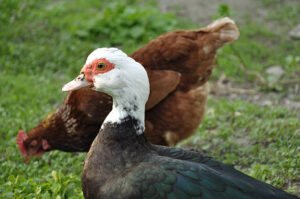
Muscovy Ducks: Known for their size and aggressive tendencies—especially males—Muscovy ducks often engage in territorial fights. Male drakes can inflict serious lacerations on other ducks with their sharp claws and bills. They are also strong fliers, increasing the risk of collisions with fences or netting, leading to fractures. Additionally, their tendency to roost in high trees increases the risk of falls.
Runner Ducks: These slender, upright birds have a unique gait and comparatively fragile bone structure. Their high center of gravity and fast movement make them prone to tripping and falling, resulting in leg fractures. They are also active and curious, increasing their likelihood of encountering hazardous objects in their environment.
Khaki Campbells: While generally hardy, Khaki Campbells are active foragers and may roam into areas with broken glass, sharp metal, or predator zones, increasing laceration risks. Their lighter build does not protect them from predation-related trauma.
Call Ducks: As miniature breeds, Call ducks have delicate skeletons. Despite their small size, they can jump or fly poorly, leading to falls from modest heights. Their tiny bones break more easily, and lacerations from scrapes or bites can be proportionally more severe.
Indian Runner Ducks: Similar to Runners, Indian Runners have slender legs and an upright posture, making them prone to leg injuries when slipping on wet surfaces or being trampled by larger ducks. They are also more likely to develop stress fractures due to constant movement.
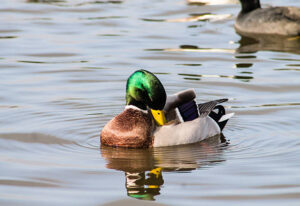
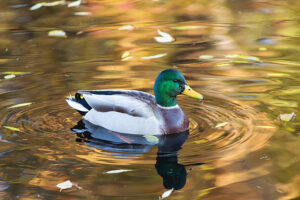
Mallards and Wild-Type Ducks: Although more agile and capable of flight, these ducks kept in captivity may crash into enclosures, leading to head or wing fractures. Wild ducks may also be injured during capture or relocation.
In summary, heavier, domesticated breeds like Pekins and Muscovies face higher fracture risks due to size and behavior, while active, slender breeds like Runners and Calls are prone to accidental falls and trauma. Aggressive breeds increase laceration risks through fighting, and all types are susceptible when environmental safety is compromised.
4. Affected Life Stages
Injuries can occur at any age, but certain life stages are more vulnerable due to physiological and behavioral factors.
Ducklings (0–8 weeks):
- Most susceptible to fractures due to underdeveloped bones and cartilage.
- Nutritional deficiencies (especially calcium and vitamin D3) can lead to rickets or weak bones, increasing fracture risk.
- Ducklings are curious and may squeeze into tight spaces, becoming trapped and breaking limbs.
- Lacerations can result from rough flooring, wire mesh, or predator attacks.
- Their small size makes even minor wounds life-threatening due to rapid blood loss and infection.
Juvenile Ducks (8–20 weeks):
- Rapid growth phase increases calcium demand; imbalanced diets can lead to metabolic bone issues.
- More active and exploratory, increasing risks of falls and entanglements.
- Onset of sexual maturity triggers aggression, especially in males, raising laceration rates from fighting.
Adult Ducks (>20 weeks):
- Most commonly affected by traumatic injuries due to full size and social dynamics.
- Breeding season increases risk of mating-related injuries and fights.
- Adult females, especially high-production layers, are prone to calcium depletion, weakening bones and predisposing them to fractures (e.g., pelvic or keel fractures).
- Older adult ducks may suffer from degenerative joint disease or osteoporosis, making bones more fragile.
Geriatric Ducks (4+ years):
- Age-related bone loss and reduced mobility increase fall and fracture risks.
- Healing is slower, and complications from injuries are more common.
- Chronic conditions such as arthritis may indirectly contribute to trauma by impairing balance.
Thus, ducklings and geriatric ducks are at high biological risk, while juveniles and adults face greater exposure due to activity and social behavior.
5. Diagnosis of Fractures and Lacerations
Accurate diagnosis is critical for appropriate treatment and recovery. Diagnosis involves both physical examination and diagnostic tools.
Physical Examination: A thorough hands-on assessment is the first step. The veterinarian or experienced keeper should:
- Observe the duck’s gait, posture, and behavior.
- Gently palpate limbs, wings, and the keel for swelling, heat, crepitus (grating sensation), or instability.
- Check joint range of motion and symmetry.
- Inspect skin for open wounds, bruising, or hemorrhage.
- Assess for signs of pain (e.g., vocalization, resistance).
Imaging:
- Radiography (X-rays): The gold standard for diagnosing fractures. X-rays reveal the location, type (simple, compound, comminuted), and alignment of bone breaks. Portable X-ray units can be used in avian clinics.
- Ultrasound: Useful for evaluating soft tissue damage associated with lacerations, such as tendon or muscle injury.
Laboratory Testing:
- Blood Work: Complete blood count (CBC) and biochemistry panel can reveal infection (elevated white blood cells), dehydration, or metabolic imbalances (e.g., low calcium).
- Wound Culture: If infection is suspected, a swab from the laceration site can identify causative bacteria (e.g., E. coli, Salmonella, Staphylococcus).
Differential Diagnosis: Other conditions that mimic fractures or lacerations include:
- Bumblefoot (pododermatitis): Can cause lameness and swelling, mistaken for leg fractures.
- Arthritis or joint infection: Causes stiffness and pain similar to fractures.
- Neurological disorders (e.g., Marek’s disease in poultry): May present with paralysis or uncoordinated movement.
- Tumors or abscesses: Can cause localized swelling and dysfunction.
A detailed history (e.g., recent predator attack, fall, or fight) helps guide diagnosis. Immediate veterinary consultation is recommended for complex or severe injuries.
6. Treatment of Fractures and Lacerations
Treatment depends on the severity, location, and type of injury. Early intervention improves outcomes.
Fracture Treatment:
- Stabilization and Immobilization:
- Small fractures (e.g., toes) may heal with rest and cage confinement.
- Larger fractures (leg, wing) require splinting or casting. Materials like padded aluminum splints, tongue depressors, or custom braces are used.
- Wings are typically held against the body in a “figure-eight” wrap or Velpeau sling.
- Leg fractures may require external fixation or tape-based splints.
- Pain Management:
- Analgesics such as meloxicam (a non-steroidal anti-inflammatory drug) are commonly prescribed.
- Avoid human painkillers like acetaminophen (toxic to birds).
- Antibiotics:
- Used if open fracture (bone pierces skin) or contamination is likely.
- Common antibiotics include enrofloxacin or ceftiofur, administered under veterinary guidance.
- Surgical Intervention:
- Severe or compound fractures may need surgery—pinning, plating, or external fixation.
- Typically performed by an avian-experienced veterinarian.
- Cage Rest and Supportive Care:
- Injured ducks should be housed in a quiet, padded enclosure to prevent further trauma.
- Provide soft bedding (e.g., clean towels, straw), easy access to food and water.
- Monitor for pressure sores, especially in immobile birds.
- Calcium and Vitamin Supplementation:
- Especially important for ducks with metabolic bone disease.
- Injectable calcium gluconate may be given acutely; oral supplements follow.
Laceration Treatment:
- Wound Cleaning:
- Irrigate with sterile saline or diluted chlorhexidine (0.05–0.1%) to remove debris and bacteria.
- Avoid hydrogen peroxide, as it damages tissue.
- Debridement:
- Removal of dead or contaminated tissue to promote healing.
- Suturing:
- Deep or large lacerations may require sutures (stitches) by a veterinarian.
- Smaller wounds may be left open to heal by secondary intention.
- Topical Treatments:
- Antibiotic ointments (e.g., silver sulfadiazine) reduce infection risk.
- Honey (medical-grade) has natural antibacterial and wound-healing properties.
- Bandaging:
- Used cautiously in ducks; improper bandages can restrict movement or lead to pressure sores.
- Waterproof dressings may be used for leg or foot injuries.
- Systemic Antibiotics:
- Given for deep lacerations, bite wounds, or signs of infection.
- Duration typically 5–10 days.
- Fly Strike Prevention:
- Open wounds attract flies; apply fly repellent (e.g., permethrin-based products, with vet approval) or use fly screens.
- Keep enclosure clean.
Supportive Care:
- Maintain hydration with electrolyte solutions.
- Ensure balanced nutrition.
- Minimize stress and isolate the injured duck if necessary.
7. Prognosis and Complications
The outcome depends on injury severity, timeliness of treatment, and overall health.
Fractures:
- Good Prognosis: Simple, non-displaced fractures in young, healthy ducks often heal in 3–6 weeks with proper care.
- Guarded Prognosis: Compound fractures, spinal injuries, or fractures with vascular/nervous damage have higher risks of non-union or chronic lameness.
- Poor Prognosis: Severe pelvic or spinal fractures may result in permanent disability or euthanasia.
Lacerations:
- Good Prognosis: Small, clean wounds treated early heal well.
- Guarded: Deep or infected lacerations may lead to abscesses or septicemia.
Common Complications:
- Infection: Open wounds or fractures can become infected, leading to cellulitis, septic arthritis, or septicemia.
- Osteomyelitis: Bone infection from untreated fractures.
- Non-Union or Malunion: Bones fail to heal or heal in incorrect alignment.
- Chronic Pain or Lameness: Especially after pelvic or leg fractures.
- Systemic Illness: Septicemia can lead to multi-organ failure.
- Euthanasia: Severe injuries with poor quality of life may necessitate humane euthanasia.
Early treatment greatly improves prognosis.
8. Prevention Strategies
Prevention is the best approach to minimizing injuries.
- Secure Enclosures: Use predator-proof fencing (buried at least 12 inches) and covered runs.
- Remove Hazards: Eliminate sharp wires, nails, broken netting, and toxic materials.
- Provide Safe Flooring: Use non-slip surfaces (rubber mats, dry bedding) to prevent slips.
- Avoid Overcrowding: Follow stocking density guidelines (e.g., 3–4 sq ft per duck indoors, 10+ sq ft outdoors).
- Monitor Behavior: Separate aggressive ducks; introduce new members gradually.
- Nutritional Management: Feed a balanced, species-appropriate diet with adequate calcium (3–4% for layers), phosphorus, and vitamin D3.
- Supplement if Needed: Offer oyster shell or limestone grit free-choice for laying ducks.
- Regular Health Checks: Inspect birds weekly for injuries.
- Safe Handling: Use two hands to support body and wings when lifting.
- Provide Flight Nets: For flying breeds, use aviary netting to prevent crash injuries.
- Control Breeding Ratios: Maintain proper drake-to-duck ratios (1:4–6) to reduce mating trauma.
9. Diet and Nutrition
Nutrition plays a critical role in bone health and wound healing.
Key Nutrients:
- Calcium: Essential for bone strength. Deficiency leads to weak bones and fractures. Laying ducks need significantly more.
- Phosphorus: Works with calcium; imbalance (especially high phosphorus) interferes with calcium absorption.
- Vitamin D3: Enables calcium absorption. Ducks synthesize D3 from sunlight; indoor or shade-confined birds need supplementation.
- Protein: Required for tissue repair and feather growth. Injured ducks may need higher protein temporarily.
- Vitamin C & E: Antioxidants that support immune function and healing.
- Zinc and Copper: Cofactors in collagen synthesis and bone mineralization.
Recommended Diets:
- Starter Feed (0–8 weeks): 18–20% protein, crumbled or finely ground.
- Grower/Finisher (8–20 weeks): 15–16% protein.
- Layer Pellets (20+ weeks): 16% protein, 3–4% calcium, with D3.
- Supplements: Grit, oyster shell, and fresh greens (e.g., kale, spinach) provide nutrients.
- Fresh Water: Always available; ducks need water to eat and digest.
Avoid feeding only bread or scratch grains—these lack essential nutrients and cause deficiencies.
10. Zoonotic Risk
While fractures and lacerations themselves are not zoonotic, the associated infections can pose risks to humans.
- Bacterial Infections: Wounds in ducks may harbor zoonotic bacteria such as:
- Salmonella spp.: Causes salmonellosis in humans (diarrhea, fever, cramps).
- E. coli: Some strains can cause illness.
- Staphylococcus aureus (including MRSA): Rare but possible.
- Campylobacter: Another cause of gastrointestinal disease.
- Tetanus: Although rare in ducks, Clostridium tetani from soil-contaminated wounds poses a risk to humans with open cuts.
Prevention of Zoonotic Transmission:
- Wear gloves when handling injured ducks.
- Wash hands thoroughly with soap after contact.
- Disinfect tools and surfaces.
- Avoid face contact while handling birds.
- Seek medical attention if you develop symptoms after exposure.
Proper hygiene minimizes risk.
Conclusion
Fractures and lacerations are common but preventable injuries in ducks. They result from environmental hazards, predation, social conflict, or nutritional deficiencies. Early recognition of signs—lameness, swelling, open wounds, or behavioral changes—enables prompt treatment. Diagnosis involves physical exams and imaging, while treatment includes immobilization, wound care, antibiotics, and supportive nutrition. Prognosis is generally favorable with timely care, but complications like infection or chronic disability can occur. Prevention through safe housing, proper nutrition, and vigilant management is key. Duck keepers must also observe biosecurity and hygiene to reduce zoonotic risks. By understanding the full scope of these injuries, we can ensure healthier, longer lives for our avian companions.
#DuckCare, #DuckHealth, #DuckInjuries, #FracturesInDucks, #LacerationsInDucks, #DuckFirstAid, #DuckHusbandry, #BackyardDucks, #DuckVet, #DuckNutrition, #DuckSafety, #DuckEnclosure, #DuckPredators, #MetabolicBoneDisease, #DuckRecovery, #AvianHealth, #DuckTreatment, #DuckHygiene, #ZoonoticRisk, #DuckOwnerTips, #PoultryHealth, #DuckMedicine, #DuckFractureCare, #DuckWoundHealing, #DuckHydration, #DuckSupplements, #DuckBehavior, #DuckAggression, #DuckBreeding, #DuckHygieneTips, #DuckLifespan, #DuckRescue, #DuckRehabilitation, #DuckKeepers, #DuckLovers, #DuckVideos
Add comment