
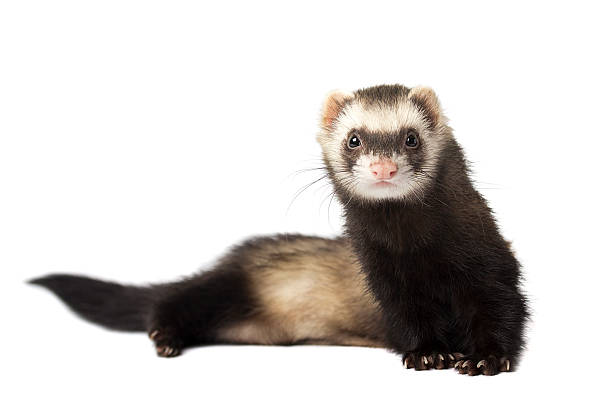
Insulinoma is the most common neoplasia in domestic ferrets (Mustela putorius furo), characterized by the development of malignant islet cell tumors in the pancreas. These tumors secrete excessive insulin, leading to chronic hypoglycemia (low blood sugar), which can cause severe clinical signs and, if untreated, become life-threatening. While insulinomas are relatively rare in other animals and humans, they are highly prevalent in ferrets, particularly in those aged 3 to 5 years. The condition is often linked to a combination of genetic, dietary, and environmental factors, making it a critical concern for ferret owners and veterinary professionals. This guide provides an in-depth exploration of insulinoma in ferrets, covering its causes, clinical signs, diagnostic methods, treatment options, prognosis, prevention strategies, dietary management, and zoonotic risk considerations. By understanding this condition comprehensively, pet owners can take proactive steps to recognize symptoms early, seek appropriate veterinary care, and improve their ferret’s quality of life.
Causes of Insulinoma in Ferrets
Genetic Predisposition
While the exact cause of insulinoma in ferrets remains elusive, genetic factors are believed to play a significant role. Breeding studies have shown that certain bloodlines may have a higher incidence of insulinoma, suggesting a hereditary component. However, no single gene has been definitively linked to the disease.
Dietary Factors
Diet is one of the most studied potential contributors to insulinoma in ferrets. Ferrets are obligate carnivores, requiring high-protein, low-fiber diets. However, the commercialization of “ferret food” has led to products with excessive protein and fat, which may affect pancreatic function. Some researchers propose that a diet high in animal protein may accelerate beta-cell hyperplasia (which could progress to tumor formation). Conversely, a high-carbohydrate diet—commonly fed to ferrets due to the availability of ferret-specific kibble—may lead to chronic hyperinsulinemia, further contributing to tumor development.
Environmental and Lifestyle Factors
Environmental stressors, such as overcrowding, improper cage conditions, or lack of stimulation, may weaken the ferret’s immune system, potentially promoting tumor growth. Additionally, the use of synthetic hormones in breeding or deworming practices has been speculated, though evidence remains inconclusive.
Hormonal Imbalances
Insulinomas are functional tumors, meaning they produce excess insulin. The mechanism by which insulin is dysregulated is not fully understood, but it is hypothesized that chronic hyperinsulinemia and subsequent insulin resistance may set the stage for tumor formation.
Signs and Symptoms of Insulinoma in Ferrets
Clinical Presentation
The hallmark symptom of insulinoma is hypoglycemia, which manifests differently in individual ferrets. Common signs include:
- Weakness and Lethargy: Ferrets may appear listless, lose interest in play, or become difficult to rouse.
- Muscle Twitching and Tremors: Sudden, involuntary muscle spasms are often observed during episodes of low blood sugar.
- Seizures and Coma: Severe hypoglycemia can lead to generalized seizures or unconsciousness, which may be life-threatening.
- Anorexia and Weight Loss: Loss of appetite and gradual weight loss are common due to gastrointestinal upset or systemic weakness.
- Increased Thirst and Urination: Paradoxically, some ferrets may drink and urinate more, possibly due to metabolic changes.
Progression of Symptoms
Symptoms often worsen at night or after prolonged fasting (e.g., during sleep). Ferrets may wake to seizures or appear disoriented in the morning. In advanced stages, symptoms become constant, and the ferret may be unable to regain strength without prompt treatment.
Differential Diagnosis
Other conditions that mimic insulinoma include:
- Pancreatic insufficiency
- Liver disease
- Addison’s disease (hypoadrenocorticism)
- Dental infections or systemic bacterial infections
A thorough diagnostic workup is essential to differentiate insulinoma from these conditions.
Diagnosis of Insulinoma in Ferrets
Clinical Evaluation and Blood Testing
Diagnosis begins with a comprehensive physical examination and history of clinical signs. Blood work typically reveals:
- Low blood glucose levels (<40-50 mg/dL)
- Elevated insulin concentrations (insulin:glucose ratio >0.6)
- Normal liver enzymes (to rule out hepatic disease)
Fasting Glucose Test
A 12-hour fast is often performed to assess glucose tolerance. Ferrets with insulinoma typically develop severe hypoglycemia within 4–6 hours, whereas healthy ferrets maintain glucose levels above 60 mg/dL.
Imaging Modalities
- Abdominal Ultrasound: This non-invasive imaging technique is the gold standard for detecting pancreatic masses. Ultrasound can identify hypoechoic (dark) nodules in the pancreas and assess for metastasis (e.g., to the liver or ovaries).
- Endoscopy: In some cases, endoscopic examination of the GI tract is used to rule out concurrent diseases.
Histological Confirmation
Surgical excision of suspected pancreatic masses allows for histopathological confirmation via biopsy. Microscopically, insulinomas appear as well-demarcated, circumscribed tumors composed of islet cells.
Treatment of Insulinoma in Ferrets
Medical Management
Medication is the cornerstone of insulinoma treatment, especially in cases where surgery is not feasible. Common pharmacological interventions include:
- Prednisolone: A glucocorticoid that increases gluconeogenesis (glucose production) by the liver. Dosing is typically 0.1–0.2 mg/kg every 12 hours. Side effects include polydipsia, polyuria, and increased appetite.
- Diazoxide: A potassium channel blocker that inhibits insulin secretion. Doses range from 5–10 mg/kg twice daily. It is often used in conjunction with prednisolone.
- Glucagon: Emergency treatment for acute hypoglycemia. Subcutaneous injections of 5–10 µg can rapidly stabilize glucose levels during a crisis.
Surgical Interventions
Surgical resection of the pancreatic tumor is curative in some cases and involves:
- Pancreatic Wedge Resection: Removal of the affected portion of the pancreas. Success depends on tumor size and location.
- Adrenalectomy: If an insulinoma is associated with adrenal tumors (as in some older ferrets), removal of the adrenal glands may be necessary.
- Laparoscopic Surgery: A minimally invasive approach for smaller tumors, offering faster recovery.
Chemotherapy
Due to the aggressive nature of insulinomas, some protocols use streptozocin or doxorubicin. However, these drugs are rarely used in ferrets due to high toxicity risks and limited efficacy data.
Prognosis and Complications
The prognosis for insulinoma in ferrets varies depending on the treatment modality:
- Surgery: Median survival time ranges from 6 to 12 months, with some ferrets surviving up to 2 years.
- Medical Management: Survival times are shorter (3–6 months), but quality of life can be significantly improved.
Complications include:
- Recurrence of tumors within months of surgery.
- Development of insulin resistance due to chronic medication use.
- Anesthetic risks during diagnostic imaging or surgery (especially in older ferrets).
- Long-term side effects of prednisolone, such as diabetes mellitus or Cushing’s syndrome.
Prevention Strategies
While insulinoma cannot always be prevented, the following measures may reduce risk:
- Genetic Screening: Avoid breeding ferrets with a history of insulinoma in their line.
- Dietary Management:
- Feed a high-protein, low-carbohydrate diet (e.g., raw meat or ferret-specific kibble with ≤20% carbohydrates).
- Offer small, frequent meals (every 4–6 hours) to prevent overnight hypoglycemia.
- Supplement with glucosamine (a natural precursor to insulin regulation) in some cases, though evidence is anecdotal.
- Avoid Obesity: Maintain a healthy body weight to reduce strain on the pancreas.
- Stress Reduction: Provide enrichment and a clean, spacious cage to support overall health.
Diet and Nutrition for Ferrets with Insulinoma
A specialized diet is critical for managing insulinoma:
- High-Protein, Low-Carbohydrate: Target 30–40% protein and ≤10% carbohydrates. Commercial diets like Oxbow or ferret-specific raw diets meet these criteria.
- Glucose Stabilizers: Incorporate complex carbohydrates (e.g., oats or root vegetables) for gradual glucose release.
- Supplements: Vitamin B complex and taurine may support metabolic health.
- Frequent Feeding: Offer 4–6 small meals daily to maintain stable glucose levels.
Foods to Avoid:
- High-fat treats
- Ferret foods with artificial fillers (e.g., corn, soy)
- High-sugar fruits or dried meats
Zoonotic Risk Considerations
Insulinoma is not a zoonotic disease and cannot be transmitted to humans. However, ferrets with insulinomas may have secondary infections (e.g., from repeated blood collection for testing) that could pose minor risks to handlers. Standard hygiene practices (e.g., handwashing after cleaning enclosures) are sufficient for prevention.
#FerretHealth, #Insulinoma, #FerretCare, #PancreaticTumor, #PetHealth, #FerretDiet, #ExoticPets, #AnimalOncology, #Hypoglycemia, #FerretSurvival, #VeterinaryScience, #PetNutrition, #FerretSymptoms, #TumorTreatment, #AnimalCancer, #FerretDisease, #PetMedicine, #FerretOwners, #ExoticAnimalCare, #PancreaticCancer, #FerretWellness, #PetConditions, #FerretNutritionTips, #FerretMedicine, #FerretLife, #ExoticPetHealth, #FerretSymptoms, #AnimalHealthTips







Add comment