
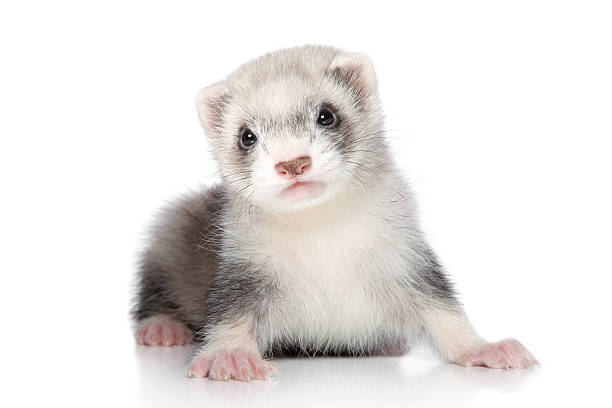
Ferrets are energetic, curious, and highly popular pets known for their playful nature and keen intelligence. However, like all animals, they are susceptible to certain diseases, one of the most prevalent being insulinoma—a condition characterized by tumors in the insulin-producing beta cells of the pancreas. Insulinoma is a significant and increasingly common endocrine disorder in middle-aged to older ferrets, typically those over the age of three. This comprehensive guide delves into the causes, signs and symptoms, diagnosis, treatment options, prognosis, complications, prevention strategies, dietary management, and zoonotic risk associated with insulinoma in ferrets. Whether you’re a ferret owner, veterinarian, or animal care professional, this guide provides in-depth, evidence-based insights into this life-threatening condition.
Understanding Insulinoma in Ferrets
Insulinoma refers to the development of neoplastic (abnormal and often malignant) growths in the beta cells of the pancreas, which are responsible for producing insulin—the hormone that regulates blood glucose (sugar) levels. In insulinoma, these tumors secrete excessive amounts of insulin, even when blood glucose levels are already low. This leads to persistent or recurrent episodes of hypoglycemia (low blood sugar), which can cause neurological dysfunction, seizures, and, if left untreated, death.
This condition is one of the most frequent causes of illness and mortality in ferrets over the age of four. Studies suggest that up to 50% of ferrets over five years old may develop insulinoma to some degree. Unlike in dogs or cats, where insulinomas are rare and often malignant, insulinomas in ferrets are typically multiple small nodules in the pancreas, with a high incidence of malignancy upon histopathological evaluation.
Causes of Insulinoma in Ferrets
The exact cause of insulinoma in ferrets remains not fully understood, but several contributing factors have been identified through clinical and research observations:
- Age
Insulinoma is an age-related disease, with the risk increasing significantly after the age of three. Most cases are diagnosed in ferrets aged 4–7 years. - Dietary Factors
A major hypothesis suggests that a high-carbohydrate diet contributes to the development of insulinoma. Ferrets are obligate carnivores, meaning their digestive systems are designed to process high-protein, high-fat, and low-carbohydrate diets. Feeding ferrets commercial foods, treats, or human foods rich in carbohydrates (such as sugars and grains) can lead to frequent insulin spikes and chronic pancreatic stimulation. Over time, this stimulation may promote hyperplasia (abnormal cell growth) and eventually tumor development in beta cells. - Pancreatic Hyperplasia and Neoplasia
In many cases, insulin-related disease in ferrets begins as diffuse beta cell hyperplasia—an overgrowth of insulin-producing cells—before progressing to discrete insulinoma nodules. The transition from hyperplasia to neoplasia is not completely defined but may involve genetic or epigenetic changes. - Genetic and Environmental Factors
While no specific genetic markers have been conclusively linked to ferret insulinoma, selective breeding practices and limited genetic diversity in captive ferret populations might contribute to increased disease susceptibility. Environmental stressors and chronic inflammation may also play a role, though evidence is anecdotal. - Commercial Diets and Lifestyle
Many commercial ferret foods contain plant-based fillers like corn, soy, or wheat—which are inappropriate for a carnivore’s digestive physiology. This mismatch between diet and natural nutritional needs may drive metabolic dysfunction and hormonal imbalances, increasing insulin demand and beta cell stress.
Signs and Symptoms of Insulinoma
The clinical signs of insulinoma are directly related to hypoglycemia and its impact on the brain, which relies heavily on glucose for energy. Symptoms can be subtle at first and progressively worsen over time. Recognizing early warning signs is crucial for timely intervention and improved outcomes.
Early Signs:
- Lethargy or excessive sleeping: Ferrets may appear weak, less playful, or disinterested in their surroundings.
- Pawing at the mouth or “gumming” behavior: A classic sign linked to neuroglycopenia (low glucose in the brain), where the ferret appears to be chewing or pawing at the face.
- Staring blankly or appearing “spacey”: The ferret may seem dissociated or unresponsive for brief periods.
- Drooling or hypersalivation: Often observed during episodes of low blood sugar.
- Unsteadiness or ataxia: Wobbly gait, imbalance, or falling when walking.
Moderate to Severe Signs:
- Seizures: Ranging from mild tremors to full-body convulsions.
- Collapse: The ferret may fall unconscious or be unable to stand.
- Stargazing: A fixed upward gaze, often seen just before or during a seizure.
- Weakness in the hind limbs: Hind-end weakness is a common finding.
- Weight loss: Despite normal or increased appetite.
- Nausea or vomiting: Less common but may occur during hypoglycemic episodes.
Triggers for Episodes:
- Prolonged fasting or delayed meals
- Stressful situations
- Physical exertion
- Illness or concurrent disease
Crucially, symptoms may be intermittent. A ferret may seem perfectly normal one day and severely affected the next. This variability can make diagnosis challenging.
Diagnosis of Insulinoma in Ferrets
A definitive diagnosis of insulinoma requires a combination of clinical signs, physical examination, blood tests, and sometimes imaging or biopsy.
1. Blood Glucose Testing (Primary Screening Tool)
The most accessible and initial diagnostic test is fasting blood glucose measurement.
- A blood glucose level below 60 mg/dL (3.3 mmol/L) is considered abnormal in ferrets.
- Levels below 50 mg/dL (2.8 mmol/L) combined with clinical signs strongly suggest insulinoma.
- However, it is important to note that blood glucose can fluctuate, and a single normal reading does not rule out the disease. Multiple measurements over time may be necessary.
2. Insulin and C-Peptide Levels
Measuring serum insulin concentration can support the diagnosis:
- Inappropriately high insulin levels in the presence of low blood glucose confirm the diagnosis.
- C-peptide, a byproduct of insulin production, may also be elevated, indicating endogenous insulin overproduction.
However, insulin assays are not routinely available in all veterinary clinics and may require submission to specialized laboratories. Additionally, insulin levels can be transient and may not be elevated during every test.
3. Fructosamine Test
Fructosamine provides an average of blood glucose over the previous 1–2 weeks. In insulinoma, fructosamine is often low or low-normal, reflecting chronic hypoglycemia. This test helps differentiate insulinoma from transient hypoglycemia due to fasting or illness.
4. Imaging (Ultrasound)
Abdominal ultrasound can detect enlarged pancreatic nodules or masses. However, because insulinomas in ferrets are often small and multifocal, ultrasound may fail to identify tumors in early stages. It is a useful tool for surgical planning but not definitive for diagnosis.
5. Exploratory Laparotomy (Surgical Exploration)
In some cases, especially when considering surgical treatment, direct visualization of the pancreas during surgery is the most reliable method to identify tumors. The surgeon examines the pancreas for nodules, which appear as pale, firm, raised areas on the surface.
6. Histopathology
Definitive diagnosis requires biopsy and microscopic examination of pancreatic tissue, which confirms the presence of beta cell neoplasia. This is typically done during exploratory surgery.
Differential Diagnoses
Other conditions can mimic insulinoma, and must be ruled out:
- Hypoglycemia due to fasting or malnutrition
- Liver disease
- Adrenal disease (common in ferrets and may present with similar lethargy)
- Lymphoma or other cancers
- Toxic ingestion
- Neurological disorders
A complete workup, including blood chemistry, CBC, and imaging, is often necessary to exclude other diseases.
Treatment Options for Insulinoma
Treatment aims to control hypoglycemic episodes, improve quality of life, and extend survival time. Options include medical management, surgical intervention, or a combination of both.
1. Medical Management
Medical therapy is often the first-line approach, especially in older ferrets or those with multiple tumors. It does not cure insulinoma but helps manage symptoms.
A. Diazoxide
- Mechanism: Inhibits insulin release from beta cells.
- Dosage: 5–15 mg/kg orally twice daily.
- Efficacy: Effective in about 60–80% of cases.
- Side Effects: Anorexia, vomiting, polyuria (increased urination), fluid retention. Some ferrets may develop skin lesions or lethargy.
- Monitoring: Regular blood glucose checks are essential to assess response.
B. Prednisone or Prednisolone
- Mechanism: Increases blood glucose by promoting gluconeogenesis (glucose production in the liver) and reducing tissue glucose uptake.
- Dosage: 0.25–0.5 mg/lb twice daily, adjusted based on response.
- Benefits: Inexpensive, readily available, and often effective.
- Side Effects: Increased appetite, thirst, urination; immune suppression with long-term use; potential to mask infections.
- Note: Prednisone is often used first due to its lower cost and similar efficacy in many cases.
C. Octreotide (Somatostatin Analog)
- Mechanism: Suppresses insulin secretion.
- Usage: Less commonly used due to high cost and need for subcutaneous injections.
- Effectiveness: Variable, with some ferrets showing good response.
D. Frequent Feeding and Emergency Glucose Administration
- Frequent small meals (4–6 times/day) help maintain stable blood glucose levels.
- Owners should keep corn syrup or glucose gel (e.g., Karo syrup) on hand to administer orally during hypoglycemic episodes (e.g., rubbing on gums during seizures).
2. Surgical Management
Surgical removal of visible pancreatic nodules is recommended, especially in younger ferrets or those with isolated tumors.
Procedure:
- Exploratory laparotomy under general anesthesia.
- Surgeons remove all visible nodules and may debulk affected areas.
- Partial pancreatectomy may be performed, though care is taken to avoid damaging the ductal system.
Success and Limitations:
- Surgery can provide temporary relief and improve quality of life.
- Recurrence is common because microscopic disease often remains.
- Mortality during or shortly after surgery is low in experienced hands.
- Postoperative care includes pain management, fluid therapy, and blood glucose monitoring.
Best Candidates for Surgery:
- Younger ferrets with good overall health.
- Ferrets with one or a few large, resectable nodules.
- No evidence of metastasis (rare but possible).
3. Combination Therapy
Many ferrets benefit from surgery followed by medical management, as this approach addresses both visible tumors and residual microscopic disease.
Prognosis and Complications
The prognosis for ferrets with insulinoma varies widely depending on disease severity, response to treatment, and owner compliance with management protocols.
Prognosis:
- With treatment, many ferrets survive 12–24 months after diagnosis.
- Some may live for 3 years or more with aggressive medical and dietary management.
- Without treatment, the disease is progressive and fatal, with death often resulting from seizures or irreversible brain damage.
Factors Improving Prognosis:
- Early diagnosis
- Younger age at diagnosis
- Good response to medication
- Strict dietary control
- Regular veterinary monitoring
Common Complications:
- Recurrent hypoglycemic episodes: Despite treatment, low blood sugar can return.
- Seizure-related brain injury: Repeated seizures can lead to permanent neurological deficits.
- Medication side effects: Long-term use of prednisone or diazoxide may necessitate dose adjustments.
- Tumor progression: Tumors may grow, multiply, or spread (metastasize), most commonly to lymph nodes, liver, or spleen.
- Poor quality of life: Advanced disease leads to reduced mobility, appetite, and interaction.
Prevention of Insulinoma
While insulinoma cannot always be prevented, risk can be minimized through proactive care and lifestyle choices.
1. Appropriate Diet
This is the most crucial preventive measure.
- Feed a high-protein, high-fat, low-carbohydrate diet.
- Choose commercial ferret foods with >35% protein and >18% fat, and minimal or no plant-based carbohydrates.
- Avoid cat foods with grains, fillers, or high carbohydrate content.
- Do not feed fruits, vegetables, sugary treats, or human snacks.
2. Frequent Small Meals
Encourage eating 4–6 small meals per day to prevent blood glucose drops, especially in senior ferrets.
3. Regular Veterinary Checkups
Ferrets over three years should have annual or biannual wellness exams, including blood glucose screening.
4. Avoid Stress and Ensure Enrichment
Minimize stressors and provide a stimulating environment to support overall health.
5. Early Screening for At-Risk Ferrets
For ferrets over four with subtle behavior changes, periodic blood glucose checks (especially after fasting) can detect early hypoglycemia.
Diet and Nutrition in Insulinoma Management
Diet plays a central role in both prevention and long-term management of insulinoma.
Key Dietary Principles:
- High Animal-Based Protein:
- Chicken, turkey, eggs, and organ meats are excellent sources.
- Aim for 35–40% crude protein in the diet.
- High Fat Content:
- Fat provides a slow-releasing energy source and does not stimulate insulin release.
- Target 18–25% fat in the diet.
- Very Low Carbohydrates:
- Carbohydrates cause rapid blood glucose spikes, triggering insulin release.
- Ferrets lack salivary amylase and have a short digestive tract, making them poorly equipped to process carbs.
- Ideal diet: <5% carbohydrates, excluding fiber.
- Avoid Sugars and Starches:
- No fruits, carrots, grains, cereals, or sugary treats.
Recommended Feeding Strategies:
- Multiple small meals per day (every 3–4 hours) to maintain blood glucose.
- Offer food overnight for older ferrets prone to fasting hypoglycemia.
- Use soft or blenderized diets for ferrets with dental issues or difficulty eating.
Commercial Diets:
- High-quality ferret-specific diets (e.g., Marshall Premium, Totally Ferret).
- High-protein kitten foods (e.g., Wellness Kitten, Instinct Kitten, or ZiwiPeak) can be used if ferret-specific food is unavailable.
Homemade Diets (Barf or Whole Prey):
- Some owners feed raw or cooked meat-based diets (e.g., whole mice, chicks, or ground meat blends).
- Must be balanced and vet-approved to prevent deficiencies.
- Not recommended for novice owners due to complexity.
Supplements:
- Taurine: May support heart and brain health (ferrets cannot synthesize taurine efficiently).
- Probiotics: May aid digestion, especially in older ferrets.
- Omega-3 fatty acids: For anti-inflammatory effects.
Avoid multivitamins with carbohydrates or sugar-based binders.
Zoonotic Risk
Insulinoma is not a zoonotic disease.
- This means it cannot be transmitted from ferrets to humans or other animals.
- The tumors are specific to the ferret’s pancreatic tissue and are not caused by infectious agents.
- Owners can safely handle and care for insulinoma-affected ferrets without risk of contagion.
However, good hygiene practices—such as handwashing after handling sick animals and proper disposal of bodily fluids—are always recommended, particularly if the ferret has other concurrent infections or is on medication.
Living with a Ferret with Insulinoma: Owner Tips
Managing a ferret with insulinoma requires dedication, vigilance, and education. Here are practical steps for owners:
- Learn to Recognize Hypoglycemic Episodes
Know the early signs: pawing, drooling, staring, unsteadiness. - Always Have Emergency Supplies
Keep corn syrup, glucose gel, syringes, and a logbook for tracking episodes and medications. - Schedule Regular Vet Visits
Monitor blood glucose and adjust treatment as needed. - Maintain a Consistent Routine
Feed at regular intervals and minimize stress. - Create a Safe Environment
Ferrets may collapse or seize; ensure they are in safe enclosures without high perches. - Educate Family Members or Caregivers
Anyone handling the ferret should know how to respond to an emergency. - Consider Quality of Life
Euthanasia may be a compassionate choice when seizures become frequent and unresponsive to treatment.
Conclusion
Insulinoma is a serious, progressive, and common disease in middle-aged and older ferrets. It results from excessive insulin production by pancreatic beta cell tumors, leading to life-threatening hypoglycemia. While the exact cause remains multifactorial, diet—particularly high carbohydrate intake—plays a significant role in disease development.
Early recognition of symptoms, prompt diagnosis through blood glucose and insulin testing, and appropriate treatment with medication, surgery, and strict dietary management are key to prolonging life and maintaining quality of living. Preventive strategies, especially feeding a high-protein, low-carbohydrate diet from a young age, can significantly reduce risk.
With dedicated care, many ferrets can live for months to years after diagnosis. However, the disease is ultimately progressive, and owners must be prepared for challenges and difficult decisions.
By increasing awareness and promoting best practices in ferret care, we can improve the health and longevity of these beloved pets. Veterinarians, breeders, and owners must work together to combat insulinoma through education, responsible feeding, and proactive health monitoring.
#InsulinomaInFerrets, #FerretHealth, #FerretCare, #LowBloodSugarFerret, #FerretTumors, #FerretDiabetes, #FerretNutrition, #FerretOwnerTips, #FerretVet, #FerretLovers, #FerretRescue, #FerretLife, #ExoticPets, #FerretDiet, #FerretSurgery, #FerretSeizures, #FerretAwareness, #BetaCellTumors, #FerretWellness, #FerretMedicalCare, #InsulinomaTreatment, #SeniorFerrets, #ExoticPetVet, #PetHealthEducation, #FerretCommunity




Add comment