
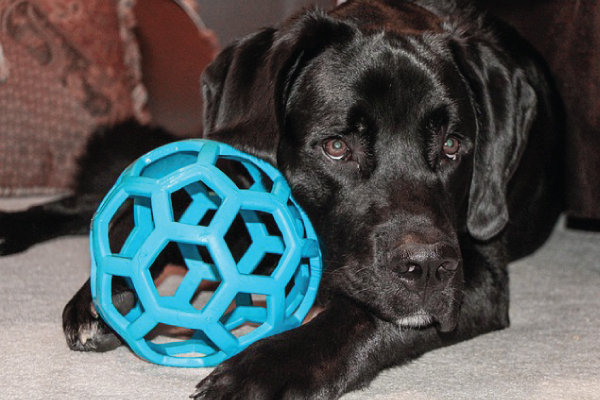
Dogs are naturally curious and social animals, thriving on interaction and stimulation. However, not all dogs have the same capacity for physical activity. While some can run, jump, and fetch with ease, others may have limited mobility due to age, injury, or chronic illness. For these dogs, traditional play methods that involve running or leaping may not be feasible or comfortable. Instead, interactive play with everyday household items can provide a fun and enriching alternative, tailored to their physical and mental capabilities. This approach not only helps maintain their cognitive engagement but also strengthens the bond between the pet and their owner. By utilizing simple yet effective strategies, pet owners can ensure their less mobile dogs remain stimulated, happy, and engaged without putting unnecessary strain on their bodies.
One of the primary benefits of interactive play is its ability to provide mental stimulation, which is essential for a dog’s overall well-being. Dogs that are unable to participate in high-energy activities may become bored or anxious if left without engagement. By repurposing household items into play tools, owners can create stimulating challenges that encourage problem-solving and keep the dog’s mind active. For example, a plastic bottle filled with treats and strategically sealed can become a puzzle toy that the dog must figure out how to access the reward. Such activities are particularly beneficial for senior or arthritic dogs, as they can enjoy play without needing to use their legs extensively. Additionally, interactive play can help reduce behavioral issues, such as excessive barking or destructive chewing, by redirecting the dog’s energy into more constructive and engaging experiences.
Moreover, interactive play using household items is a cost-effective solution for pet owners, eliminating the need for expensive commercial toys or equipment. Most homes already have an abundance of materials that can be repurposed into engaging playthings, from cardboard boxes and plastic containers to soft fabrics and kitchen utensils. These items not only provide a sense of novelty but also allow for customization, enabling owners to adjust the difficulty and intensity of the games based on their dog’s abilities. By incorporating these play forms, pet owners can ensure their dogs receive the mental and emotional stimulation they need to maintain a high quality of life. The next section will delve into the importance of understanding a dog’s physical and mental state before introducing new play activities.
Assessing Your Dog’s Physical and Mental Capabilities
Before engaging in any form of interactive play, it is essential to understand your dog’s physical and mental condition. This assessment will help determine the types of games that are both enjoyable and manageable for them. Start by observing your dog’s mobility—can they sit up, lie on their side, or move around independently? If your dog has limited movement or chronic discomfort, you will need to avoid activities that require excessive physical exertion. Instead, focus on play methods that align with their physical abilities, such as games that can be played while the dog is in a seated or reclined position. It is also important to consider your dog’s energy levels. Some dogs may have bursts of enthusiasm followed by periods of rest, so short and low-intensity games may be more appropriate than prolonged activity sessions.
In addition to physical factors, your dog’s mental state plays a crucial role in determining the success of interactive play. Dogs that are naturally curious and eager to engage may respond well to challenging brain games, such as hide-and-seek with treats or puzzle feeders. On the other hand, dogs with anxiety or cognitive decline may benefit from simple, predictable games that reduce stress and provide a sense of calm. Pay attention to your dog’s reactions—do they show excitement or frustration? Are they easily distracted or overly stimulated? These observations will help you tailor the gameplay to your dog’s cognitive strengths. For dogs with neurological issues, such as seizures or poor coordination, the goal should be low-stimulation, gentle play that minimizes sensory overload while still providing mental engagement.
It is equally important to be aware of any pre-existing health conditions or illnesses your dog may have. Arthritis, for example, can cause pain during movement, making it necessary to avoid play that involves jumping, climbing, or fast movements. Chronic conditions like heart disease or respiratory problems may also limit the dog’s ability to engage in certain activities. If your dog is recovering from an injury, it is crucial to follow your veterinarian’s advice and avoid any activity that could exacerbate their condition. Consulting with a professional, such as a veterinarian or canine physical therapist, can provide valuable insight into what play activities are safe and beneficial for your dog. They can also suggest specific toys or tools that can help maintain joint mobility or provide gentle sensory stimulation without causing harm.
Creating an inclusive and safe play environment is paramount for less mobile or ill dogs. Choose a quiet, secure space where the dog can play without the risk of slipping or being startled by loud noises. Ensure that all household items used for play are non-toxic, durable, and easy to clean. Avoid using sharp corners or rough edges that could injure the dog’s body or paws. Additionally, be prepared to modify the activity based on your dog’s feedback—if they seem uncomfortable or uninterested, it is best to try a different approach. The goal is to create a positive and enjoyable experience that encourages engagement without causing stress or physical strain.
Ensuring Safety During Interactive Play
When engaging in interactive play with household items, especially for less mobile or ill dogs, safety must remain a top priority. Dogs with limited movement or chronic health conditions are more susceptible to injuries, so it is essential to create a play environment that minimizes risks while still providing stimulation. One of the first steps is to avoid any activity that could cause overexertion. This means steering clear of games that require rapid movements, jumping, or excessive force. Instead, focus on low-impact play that aligns with the dog’s physical capabilities. For example, use soft, lightweight toys that can be manipulated easily without causing strain on the joints or muscles.
Another critical consideration is the use of household items that are safe for the dog to interact with. Many objects can be repurposed as playthings, but it is vital to ensure they are non-toxic and durable. For instance, cardboard boxes, plastic containers, and fabric scraps can be transformed into obstacle courses, chew toys, or puzzle feeders. However, always check for sharp edges or small parts that the dog could swallow or get stuck on. Avoid using items that are overly fragile or easily damaged, as these may break into pieces that pose a choking hazard. Additionally, opt for soft, cushioned materials for any ground-based activities, such as placing the dog on a padded towel or thick blanket to prevent discomfort or pressure sores.
Monitoring the dog’s physical and emotional responses during play is equally important. If the dog shows signs of pain, such as limping, stiffness, or reluctance to participate, it is best to stop the activity immediately. Some dogs may experience discomfort after a few minutes of play, even if it seems mild at first. Observing the dog’s behavior closely allows the owner to adjust the game accordingly. For example, if the dog is struggling to balance or seems disoriented, consider modifying the activity to something flatter or more secure. Similarly, a dog with chronic pain may need frequent breaks or a change in the type of activity to avoid worsening their condition.
Incorporating calming elements can also enhance the safety of interactive play. For dogs with anxiety or neurological issues, a quiet, familiar environment is ideal. Consider playing in a room with minimal distractions, such as a living room or a sunlit bedroom. Using soft lighting, gentle music, or familiar scents can create a soothing atmosphere that encourages relaxation. Avoid games that are overly stimulating or involve loud noises, as these may cause distress. Instead, opt for quiet, predictable activities that allow the dog to focus without feeling overwhelmed. By prioritizing safety and comfort, interactive play can be a positive and enriching experience for less mobile or ill dogs without posing unnecessary risks.
Simple, Engaging Games Using Household Items
Interactive play with household items not only provides mental stimulation for dogs but also encourages problem-solving and engagement without physical strain. For less mobile or ill dogs, the key is to design games that are gentle, comfortable, and easy to modify. One excellent game is a modified version of hide-and-seek, where the owner hides small treats or kibble between household objects like pillows, folded towels, or boxes. This game can be adapted for dogs with different levels of mobility by using objects that are within reach or by placing the treats in shallow crevices that the dog can gently sniff out without needing to move far. The element of surprise and the reward of finding the treat can be incredibly rewarding for the dog, keeping them alert and engaged without physical exertion.
Another accessible activity involves using a soft, lightweight toy or a crumpled-up ball to encourage gentle play. Instead of throwing the toy, the owner can place it on the floor near the dog and let them explore it at their leisure. If the dog is unable to get up to reach it, the owner can roll the toy toward them using a rolling motion with household items like a smooth-sided cup or a cloth-covered stick. This approach allows the dog to interact with the toy without needing to move much. Over time, the difficulty can be adjusted by changing the distance or angle at which the toy is rolled to add variety. This game not only provides mental stimulation but also mimics the experience of chasing, which is instinctual for many dogs, even if they can no longer run.
A variation of this activity involves using a household item as a puzzle toy. For example, an empty yogurt container can be cut open and filled with small treats, then covered with a piece of plastic wrap anchored by a rubber band. The dog can then try to figure out how to access the treats by pushing, licking, or nibbling the container. This type of puzzle toy is low-impact and can be customized for dogs with joint issues, as they are not required to move their bodies in any specific way. As the dog becomes more adept at solving simple puzzles, the level of difficulty can be increased by using more complex designs or multiple layers of plastic wrap to encourage problem-solving and mental engagement.
For dogs that enjoy tactile exploration, an interactive tug-of-war with a soft fabric item can be both safe and stimulating. Instead of using a traditional rope or ball that may require stretching or reaching, the owner can repurpose a sock, T-shirt, or small towel into a soft tug toy. The game can be played while the dog is on the floor or on a cushion, with the owner gently tugging the fabric and allowing the dog to respond. The goal is not to create a competitive game but to encourage gentle interaction and social bonding. This activity can be especially beneficial for dogs with neurological issues, as it helps them maintain muscle engagement without overextending.
For dogs that enjoy scent-based play, an exciting option is to create a scent trail using a common item like a rolled-up sock or a piece of fabric. The owner can gently rub the item on a favorite spot, such as a couch cushion or a blanket that smells familiar, and then hide it for the dog to find. This activity relies on the dog’s sense of smell rather than physical movement, making it ideal for less mobile animals. As the dog follows the scent trail, they remain mentally engaged and rewarded for their efforts, all while staying in a comfortable position. This game can be repeated in different locations to provide variety and maintain the dog’s interest.
Another accessible activity involves setting up a small obstacle course using household items like low stools, soft pillows, or stacked books. The goal is not to make the dog jump or climb but to encourage slow, controlled movement through the course. For example, a dog with limited mobility can be placed on a low cushion and guided through the course using treats or verbal cues to move to each new object. This game helps keep the dog mentally active and can be adjusted based on their comfort level by making the course shorter or simpler. It also allows the dog to feel a sense of accomplishment as they navigate the environment at their own pace.
Finally, an engaging activity that combines both physical and mental stimulation is using a treat-based puzzle challenge with a modified food bowl. If the dog struggles to eat from a standard bowl or has difficulty reaching their food, an owner can create a puzzle by placing kibble pieces in the grooves of a textured plate or inside a crinkled plastic container with small openings. This requires the dog to use their paws or nose to nudge the food out, providing both a challenge and a reward. This game is especially beneficial for dogs with joint or mobility issues, as it encourages gentle movement without requiring them to strain their bodies.
These household-based interactive games not only provide mental stimulation for less mobile or ill dogs but also allow for creative adaptation based on the dog’s needs. By focusing on simple, low-impact activities, pet owners can ensure their dog remains engaged and entertained without putting unnecessary strain on their bodies.
Adapting Play for Dogs with Specific Health Conditions
For dogs with certain health conditions, standard play activities may need to be modified to accommodate their physical limitations and ensure their comfort. For example, dogs with arthritis or joint pain often experience stiffness and discomfort, making it difficult for them to run or jump. In such cases, low-impact play that minimizes movement while still providing mental stimulation is ideal. A great option is to use puzzle feeders or treat-based games that encourage the dog to figure out how to retrieve food from a confined space. One example is a soft-sided food puzzle made from a repurposed plastic bottle or a crumpled-up paper roll, which can be filled with kibble and sealed with a rubber band. This allows the dog to push or manipulate the object without needing to move their joints excessively.
For dogs with neurological conditions, such as seizures or poor coordination, safety is paramount. Play activities should be designed to minimize the risk of injury and reduce overstimulation. For instance, rather than incorporating fast-paced or unpredictable movement, owners can focus on gentle, predictable games. A soft, cushioned hide-and-seek variation is a suitable alternative, where the dog can find treats placed in familiar spots, such as under a folded towel or inside a hollowed-out cardboard box. This game is low intensity and can be tailored to the dog’s ability to move or remain in one place. Additionally, using a blanket or a low-lying cushion can provide a comfortable space for the dog to lie or sit while playing.
Dogs with chronic conditions like heart or lung disease may also require special considerations when engaging in play. These animals often have limited stamina and can become easily fatigued, so it is essential to create play scenarios that do not require sustained effort. One effective approach is to use a treat-dispensing toy placed on a cushion or a non-slip mat, allowing the dog to play with it while lying down. The toy can be designed to release food with minimal movement, such as a crumpled sandwich bag filled with treats and sealed loosely, so the dog can push the treat out without any significant physical exertion. Additionally, incorporating gentle sensory play, such as using a soft blanket or a piece of fabric with a familiar scent, can provide comfort and engagement without the need for physical activity.
Dogs recovering from surgery or injury also benefit from playful yet safe activities that encourage gentle movement and coordination. For example, owners can use soft, lightweight toys placed within reach on a firm but cushioned surface, such as a folded towel or a thick blanket. The dog can use their nose or paws to nudge the toy around without straining their muscles or joints. Another excellent option is a slow, controlled version of a tug-of-war game with a soft fabric strip or a sock, where the owner gently moves the toy back and forth, allowing the dog to stay in a seated or reclined position. This not only provides mental stimulation but also helps the dog maintain muscle engagement at a comfortable level.
For diabetic or other medically managed dogs, interactive play can be integrated with feeding time to encourage slower eating and mental engagement. A simple way to achieve this is by using a slow feeder bowl made from repurposed materials, such as a crumpled up plastic bottle or a textured plate that requires the dog to work for their food. Alternatively, hiding small kibble portions in a low, enclosed area, like a shallow cardboard box or a fabric pouch, can provide both a challenge and a reward. This helps prevent rapid eating while still offering an enjoyable and mentally stimulating experience.
By tailoring play activities to a dog’s specific health condition, owners can ensure that their pet remains mentally engaged and physically comfortable. The key is to focus on low-intensity, adaptable play that encourages gentle interaction and problem-solving without causing stress or discomfort. Whether it’s a dog with mobility limitations, a neurological condition, or a recent injury, there are many ways to create an interactive and enjoyable experience that meets their unique needs.
Innovative and Creative Ideas for Interactive Play
When it comes to interactive play, creativity is key, especially for less mobile or ill dogs. By thinking outside the box, pet owners can design unique and low-impact activities that not only entertain their dogs but also provide mental stimulation. One innovative idea is to create DIY interactive toys using everyday household items. For instance, repurposing a cardboard box into a treat-filled maze can offer a fun challenge. Cut small holes in the box and fill it with kibble, then let the dog explore the maze by nudging or pawing at the box to retrieve the food. Alternatively, the box can be transformed into a hide-and-seek space by placing treats or toys inside different compartments, encouraging the dog to investigate each section.
Another creative approach is to develop sensory-based activities that engage a dog’s sense of touch and smell. For example, wrap small treats in crumpled foil or plastic wrap and place them in a shallow container filled with dry oatmeal or rice. The dog can then use their paws or nose to work the food out of the mixture, combining tactile and olfactory stimulation. This activity is particularly beneficial for dogs with limited mobility, as it allows them to stay in one place while working gently for a reward. Similarly, a gentle scent trail can be created using a rolled-up sock scented with peanut butter or another favorite treat. By placing the sock at a short distance from the dog and gradually moving it closer, the dog can follow the scent using their nose, making for a relaxed and engaging game.
For dogs that enjoy playing with textures, owners can create a cozy sensory blanket or mat using soft fabrics and household materials. Fill an old T-shirt with crumpled paper or small treats, then close the open seam. This makes a soft, crinkly toy that the dog can chew or manipulate without needing to move much. Additionally, a fabric pouch filled with crinkly materials, like a plastic bag or crumpled magazine, can serve as a gentle sensory toy that stimulates the dog’s sense of touch and sound. These types of toys are ideal for dogs with arthritis or joint pain, as they require minimal movement and provide a soothing experience.
Creating an interactive play space with household items can also offer a fun and engaging way for dogs to explore. For example, build a simple obstacle course using low cushions or folded towels placed around the room. The dog can navigate the course while lying on their back, using their paws to push the objects aside and reach treats placed at the end. Alternatively, use a large, soft pillow as a base and scatter small toys or treats around it, encouraging the dog to roll or shift slightly to retrieve the items. This activity promotes gentle movement and keeps the dog mentally engaged without putting stress on their joints or muscles.
Another imaginative idea is to repurpose kitchen items into interactive play tools. A large, empty yogurt container with the lid removed can be cut into pieces and filled with kibble, then covered with a piece of cling wrap anchored by a rubber band. The dog can then use their paws or nose to push, lick, or nibble at the container to access the food. This game is low-impact and can be customized for dogs with different physical abilities by adjusting the difficulty level—such as using fewer layers of cling wrap or increasing the amount of food inside. For dogs with limited mobility, this type of treat puzzle allows them to stay in one position while working for their reward, making it both mentally stimulating and physically comfortable.
For dogs that enjoy gentle movement, a soft tug-of-war game using household items can be a safe and enjoyable activity. Instead of a traditional rope, use a thin piece of fabric, like a sock or a cut-up T-shirt, to play a slow, controlled version of tug. The owner can gently hold one end while encouraging the dog to pull with their nose or paws. This game can be played while sitting on the floor, with the dog lying on their side or back, making it a low-stress way to engage in social play.
A fun and interactive game that supports mental stimulation is a treat-dispensing ball made from a repurposed balloon or a crumpled-up plastic bottle. Fill the object with kibble and seal it with a rubber band or tape, then place it on the floor for the dog to roll or manipulate. The dog can use their paws or nose to nudge the object, causing it to move slightly and release the food. This game is especially enjoyable for dogs with limited mobility, as they can interact with the toy without needing to run or jump.
Finally, one of the most creative ideas is to use a sensory blanket as an interactive tool. Simply wrap the dog in a soft, warm blanket and let them lie on a cushioned surface while exploring the texture with their paws. If the blanket is sprinkled with crumpled-up paper or contains a hidden treat, the dog can enjoy a gentle, tactile experience without putting any strain on their body. This type of activity is ideal for dogs with anxiety or neurological conditions, as it provides a calm and comfortable space for engagement.
By incorporating these innovative play ideas, pet owners can create a rich and varied play experience for their less mobile or ill dogs. These activities not only provide mental stimulation but also encourage gentle interaction and bonding, ensuring that the dog remains engaged and happy without the need for high-energy movements.
Conclusion: Enhancing Your Dog’s Life Through Interactive Play
Interactive play with household items is a valuable and accessible way for pet owners to engage their less mobile, elderly, or ill dogs in a meaningful way. By adapting play to fit the dog’s physical and mental capabilities, owners can provide stimulation, enjoyment, and a sense of purpose without overexerting their pets. These activities not only help maintain cognitive engagement but also strengthen the bond between the pet and the owner, fostering a sense of connection and companionship. Furthermore, using everyday items makes these games not only affordable but also easily customizable to suit the unique needs of each dog, whether they have arthritis, neurological issues, or simply limited mobility.
The benefits of interactive play extend beyond mere entertainment. For less mobile dogs, these engaging activities can have a significant positive impact on their mental and emotional well-being. By keeping their minds active with puzzles, scent trails, and hide-and-seek games, dogs can avoid boredom and the potential behavioral issues that come with it. Additionally, these games encourage gentle movement and coordination, supporting muscle engagement and joint health in a safe and comfortable way. For dogs living with chronic conditions, interactive play provides a low-stress way to stay involved in daily life, helping them maintain their sense of agency and reducing feelings of isolation or frustration.
As a pet owner, it is essential to approach interactive play with patience and flexibility. Every dog is unique, and their response to different activities will vary based on their comfort level, personality, and health. It is important to observe the dog’s reactions, adjust the games as needed, and prioritize their comfort and safety above all else. If a particular play method does not seem to be effective, it is perfectly acceptable to try an alternative approach. The goal is not perfection but rather creating an enjoyable and enriching experience tailored to the dog’s specific needs.
By incorporating these play strategies into daily routines, pet owners can significantly improve the quality of life for their less mobile or ill dogs. Whether it’s a modified hide-and-seek game or a gentle treat puzzle, these activities offer a meaningful way to engage the dog’s senses and intellect while ensuring their comfort. With creativity, patience, and adaptability, pet owners can help their cherished companions enjoy interactive play in a way that brings joy, stimulation, and security.
#SeniorDogPlay #InteractiveDogToys #LowImpactPlay #AdaptiveDogplay #SeniorDogEnrichment #CanineMentalStimulation #DogCognitiveEnrichment #ArthriticDogPlay #MobilityChallenges #SeniorDogActivities #PetWellness #SafeDogPlay #CanineStimulation #NonSlipPlay #GentleDogGames #CognitiveEngagementForDogs #CanineMentalEngagement #PetMentalStimulation #DogBrainGames #GentleInteractivePlay #SensoryEnrichmentForDogs #DogPlayIdeas #LowEnergyDogActivities #CanineWellness #SeniorDogInteraction #PetMentalWellness #GentlePlayForDogs #PetMentalStimulation #LowImpactDogPlay #CanineMentalGames #SeniorDogWellness #DogSensoryPlay #PetEngagement #PetCognitivePlay #SeniorDogGentlePlay #DogEnrichmentAtHome #LowMobilityDogGames #CanineMentalStimulation #SafeSeniorDogPlay #GentleDogActivities #LowImpactDogToys #PetMentalEnrichment #SeniorDogCognitivePlay #CanineSensoryGames #LowEnergyPlayingWithDogs #GentleCanineInteractions #SoftSurfacePlay #PetMentalWellbeing #DogMentalStimulation #LowMobilityDogPlay #GentlePlayForAgingDogs #SeniorDogMentalPlay #PetMentalActivity #LowImpactCanineGames #CanineCognitiveEnrichment #SeniorDogBrainGames #PetMentalEngagement #GentleDogEnrichment #CanineMentalStim #LowEffortDogPlay #SeniorDogMentalGames #AnimalMentalWellbeing #PetMentalEngagementAtHome #GentleInteractionWithSeniorDogs #CanineMentalPlay #PetStimulationAtHome #SeniorDogMindGames #LowImpactPetActivities #DogMentalEnrichment #GentleCanineGames #CanineLowEnergyPlay #PetCognitiveStimulation #SeniorDogCognitiveGames #GentleActivePlayForDogs #PetMentalEnrichmentGames #LowMobilityDogToys #SeniorDogEngagement #GentleDogInteraction #CanineLowImpactGames #PetMentalWellbeingAtHome #SeniorDogMentalPlay #LowEffortMentalStimForDogs #PetCognitiveEngagement #GentleCanineMentalPlay #PetMentalGamesAtHome #SeniorDogMentalStimulation #LowImpactPlayForDogs #GentleDogBrainGames #CanineMentalStimulationGames #PetMentalEngagementForSeniorDogs #LowMobilityDogEnrichment #GentleCanineGamesAtHome #PetMentalStimAtHome #SeniorDogStim #PetMentalStimulationForDogs #GentleBrainGamesForDogs #LowImpactDogEnrichment #PetMentalInteraction #SeniorDogBrainplay #GentleCanineMentalStimulation #PetMentalPlayAtHome #LowMobilityDogGamesAtHome #SeniorDogCognitiveEnrichment #GentleDogMentalPlay #PetMentalStimAtHome #CanineLowImpactEnrichment #SeniorDogMentalEngagement #GentleInteractiveGamesForDogs #PetCognitivePlayAtHome #LowEnergyCanineActivities #SeniorDogMentalGamesAtHome #GentleMentalPlayForDogs #PetMentalEnrichmentForSeniorDogs #LowMobilityDogMentalPlay #SeniorDogMentalStimulationAtHome #GentleMentalGamesForDogs #PetCognitiveEngagementAtHome #LowImpactMentalStimForDogs #SeniorDogPetEnrichment #GentleCanineMentalGames #PetMentalStimForSeniorDogs #LowEnergyMentalPlayForDogs #SeniorDogCanineMentalGames #GentleBrainGamesForSeniorDogs #PetMentalEnrichmentForDogs #LowMobilityPetActivities #SeniorDogMentalStimulationGames #GentleMentalEngagementForDogs #PetMentalStimGamesAtHome #LowImpactCanineMentalPlay #SeniorDogMentalEnrichmentAtHome #GentleMentalStimForSeniorDogs #PetCognitiveGamesAtHome #LowMobilityCanineActivities #SeniorDogMentalStimAtHome #GentleMentalInteractionsForDogs #PetMentalPlayGames #LowImpactMentalGamesForDogs #SeniorDogCognitiveStimulationAtHome #GentleCanineMentalStimAtHome #PetMentalEngagementAtHome #LowMobilityDogMentalGames #SeniorDogMentalActivity #GentleMentalStimAtHome #PetCognitiveEngagementForSeniorDogs #LowEnergyMentalGamesForDogs #SeniorDogBrainergyGames #GentleMentalEnrichmentForDogs #PetMentalStimGames #LowImpactMentalPlayForDogs #SeniorDogMentalGamesAtHome #GentleCanineMentalPlayAtHome #PetCognitiveStimulationAtHome #LowMobilityDogMentalEnrichment #SeniorDogMentalStimAtHome #GentleBrainplayForDogs #PetMentalInteractionAtHome #LowImpactMentalGamesForSeniorDogs #SeniorDogMentalEngagementAtHome #GentleMentalStimGamesForDogs #PetMentalEnrichmentForSeniorDogs #LowMobilityCanineMentalPlay #SeniorDogMentalStimAtHome #GentleMentalPlayGames #PetCognitiveMentalStim #LowEnergyMentalPlayForSeniorDogs #SeniorDogMentalGames #GentleMentalStimulationForSeniorDogs #PetMentalStimAtHome #LowImpactMentalStimForDogs #SeniorDogMentalActivityHome #GentleMentalGamesForSeniorDogs #PetCognitiveMentalGames #LowMobilityDogMentalGamesAtHome #SeniorDogMentalStimulationHome #GentleMentalGamesForDogsAtHome #PetMentalStimulationSeniorDogs #LowEnergyMentalStimForDogsHome #SeniorDogMentalEngagementHome #GentleCanineMentalGamesHome #PetCognitiveMentalStimulationHome #LowMobilityMentalPlayDogsHome #SeniorDogMentalStimulationHome #GentleMentalGamesForDogsHome #PetMentalStimAtHomeDogs #LowImpactMentalStimulationForSeniorDogs #SeniorDogMentalStimAtHome #GentleMentalPlayForDogsHome #PetCognitiveGamesHome #LowMobilityCanineMentalGamesHome #SeniorDogCognitivePlayHome #GentleMentalEngagementForSeniorDogsHome #PetMentalStimGamesHome #LowEnergyPlayForSeniorDogsHome #SeniorDogMentalPlayHome #GentleMentalInteractionForDogsHome #PetMentalstimulationCanineHome #LowMobilityDogMentalPlayHome #SeniorDogMentalStimHome #GentleMentalGamesSeniorDogsHome #PetCognitiveStimulationHome #LowImpactMentalPlayForSeniorDogsHome #SeniorDogMentalGamesHome #GentleBrainplayForSeniorDogsHome #PetMentalStimForSeniorDogsHome #LowEnergyMentalStimulationSeniorDogsHome #SeniorDogCognitiveMentalPlayHome #GentleMentalStimulationForSeniorDogsHome #PetMentalplayHome #LowMobilityMentalStimDogsHome #SeniorDogMentalGamesHome #GentleMentalStimAtHomeDogs #PetCognitiveMentalPlayHome #LowImpactMentalGamesSeniorDogsHome #SeniorDogMentalStimulationHome #GentleMentalEngagementSeniorDogsHome #PetMentalStimGamesSeniorDogsHome #LowEnergyMentalStimHome #SeniorDogMentalPlayHome #GentleMentalGamesDogsHome #PetCognitiveStimAtHomeSeniorDogs #LowMobilityMentalStimForDogsHome #SeniorDogMentalStimAtHome #GentleMentalStimulationAtHomeSeniorDogs #PetMentalPlayGamesHome #LowImpactMentalPlaySeniorDogsHome #SeniorDogMentalGamesAtHome #GentleMentalPlayHome #PetCognitiveMentalStimHomeSeniorDogs #LowMobilityMentalGamesHome #SeniorDogMentalStimHome #GentleMentalActivityForSeniorDogsHome #PetMentalStimHomeSeniorDogs #LowEnergyMentalEngagementHome #SeniorDogMentalPlayHomeSeniorDogs #GentleMentalGamesHomeSeniorDogs #PetCognitiveMentalPlaySeniorDogsHome #LowImpactMentalStimHomeSeniorDogs #SeniorDogMentalStimulationsHome #GentleMentalStimulation







Add comment