
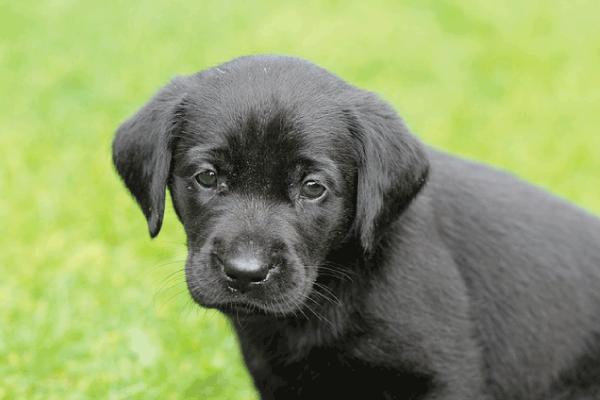
Bringing a new puppy into your home is an exciting time! Amidst the whirlwind of potty training and playful antics, it’s crucial to remember a vital aspect of their early development: grooming socialization. During their critical socialization period, typically between 3 and 16 weeks of age, puppies are incredibly receptive to new experiences. This is your golden opportunity to introduce them to grooming in a positive and stress-free way, setting the foundation for a lifetime of comfortable and cooperative grooming sessions.
This comprehensive guide will walk you through how to make grooming a positive experience for your puppy, even if they’re a little hesitant.
Why is Grooming Socialization So Important?
Think of grooming as more than just keeping your puppy looking and smelling good. It’s an essential part of their overall health and well-being, and early positive exposure can prevent a lifetime of fear and anxiety around these necessary procedures.
- Health and Hygiene: Regular brushing, nail trims, ear cleaning, and dental care are vital for preventing health issues like matting, skin infections, ear infections, and dental disease.
- Bonding and Trust: Gentle grooming sessions can strengthen the bond between you and your puppy. When they associate your touch with positive experiences, it builds trust and confidence.
- Preventing Future Problems: A puppy who learns to tolerate and even enjoy grooming from a young age is far less likely to develop phobias of groomers, veterinarians, or even your own handling later in life. This can lead to less stressful vet visits and professional grooming appointments.
- Safety: Familiarity with being handled can make it easier to check your puppy for lumps, bumps, parasites, or injuries.
Understanding the Critical Socialization Period
The critical socialization period is a window of time when puppies are most open to new people, places, sounds, and experiences. During this time, their brains are like sponges, forming strong associations with what they encounter.
- 3-6 Weeks: This is primarily the breeder’s responsibility, where puppies begin to experience handling and exposure to basic sounds.
- 6-12 Weeks (and beyond, up to 16 weeks): This is the crucial period for new owners. Your puppy is exploring their world, and their reactions to new stimuli will shape their future behavior. This is the prime time to start grooming introductions.
Important Note: It’s crucial to ensure your puppy has received at least their first set of vaccinations before exposing them to areas where other unvaccinated dogs may have been. Discuss with your veterinarian about safe environments for socialization.
Gradual and Positive Introduction to Grooming Tools and Techniques
The key to successful grooming socialization is patience, positive reinforcement, and a slow, step-by-step approach. Never force your puppy into anything they’re uncomfortable with.
1. Desensitization to Touch and Handling
Before introducing any tools, get your puppy accustomed to being touched all over their body.
- Start Slow: Begin with gentle strokes while your puppy is relaxed, perhaps during a cuddle session.
- Explore Their Body: Gradually touch their paws, ears, tail, belly, and mouth. Be particularly gentle with sensitive areas like paws and ears.
- Positive Reinforcement: As you touch each area, offer a small, high-value treat, praise, or a gentle word. The goal is for them to associate your touch with good things.
- Short Sessions: Keep these initial sessions very short – just a few seconds to a minute at a time.
2. Introducing Brushes and Combs
- Choose the Right Tool: Start with a soft-bristled brush or a grooming mitt. Avoid harsh brushes initially.
- Let Them Investigate: Place the brush on the floor and let your puppy sniff and investigate it on their own terms. Reward their curiosity with treats.
- Brush Near Them (No Touching): Hold the brush and make gentle brushing motions nearby, without touching your puppy. Pair this with treats and praise.
- Gentle Brushing: Once they seem comfortable with the brush’s presence, start with a very light stroke or two on their back. Immediately follow with a treat and praise.
- Gradual Progression: Slowly increase the duration and frequency of brushing, always pairing it with positive reinforcement. Work your way around their body, being extra gentle on sensitive areas.
- If They React: If your puppy shows any signs of discomfort (tensing up, trying to move away, growling), stop the session immediately. Go back a step and make it even slower.
3. Nail Trimming Exposure
Nail trimming can be a source of anxiety for many dogs. Early desensitization is key.
- Handling Paws: As mentioned, get your puppy comfortable with you touching and holding their paws. Gently massage their paws and toes.
- Introduce the Clippers: Let your puppy see and sniff the nail clippers. Place them on the floor near where you’re giving treats, and reward their calm behavior.
- “Touch” with Clippers: Briefly and gently touch the clippers to their nails without actually trimming. Immediately reward.
- The “Click”: Some trainers advocate pressing the clippers (without touching the nail) to make the “click” sound and immediately rewarding. This helps desensitize them to the noise.
- The First Trim: Aim to trim just one nail, or even just the very tip of one nail, on your first attempt. Make it quick and follow with a jackpot of treats and praise!
- One Nail at a Time: Don’t try to do all nails in one session initially. You can aim for one or two nails per day until they are comfortable.
- Positive Association: Always end nail trimming sessions on a positive note, even if you only managed one nail.
4. Ear Cleaning and Examination
Regular ear checks are important, especially for certain breeds.
- Gentle Ear Handling: Gently lift your puppy’s ears and let them hang for a few seconds. Offer treats.
- Introduce Ear Cleaner: Let your puppy sniff the bottle of ear cleaner.
- “Cleaning” Motion (No Liquid): Gently rub the outside of their ear with your finger or a cotton ball, mimicking the cleaning motion. Reward.
- Using the Cleaner (Very Sparingly): On a later session, use just a drop or two of cleaner, gently massage the base of the ear (as per product instructions), and immediately reward.
- Focus on Comfort: The goal is for them to allow you to touch and clean their ears without fuss.
5. Dental Care and Mouth Handling
Starting dental care early can prevent major issues down the line.
- Mouth and Lip Handling: Gently lift your puppy’s lips to expose their teeth and gums. Do this for brief moments and reward with treats.
- Introduce Toothbrush/Finger Brush: Let them sniff and lick the brush.
- Toothpaste Tasting: Let them taste a small amount of dog-specific toothpaste.
- Gentle Brushing: Start by just touching the toothbrush to their teeth for a second. Gradually increase the duration.
- Focus on Positive Associations: Make these sessions short, fun, and rewarding.
6. Bath Time Exposure
Even if your puppy doesn’t need a bath immediately, introduce them to the idea of bathing.
- Familiarize with the Bathroom: Let your puppy explore the bathroom when it’s dry and quiet.
- Introduce the Tub/Shower: Let them stand in the empty tub or shower for a few seconds. Reward with treats.
- Gentle Water Introduction: Start by wetting their paws with lukewarm water. If they’re comfortable, gradually wet their back.
- Use Lukewarm Water: Always test the water temperature.
- Gentle Shampoo: Use a mild, dog-specific shampoo.
- Keep it Short and Sweet: Aim for short, positive experiences, even if it’s just getting them wet and drying them off.
- Post-Bath Treats: Have high-value treats ready for immediately after the bath.
7. Introducing the Hair Dryer (with Extreme Caution)
The noise of a hairdryer can be very intimidating.
- Start with the Dryer Off: Let your puppy see the dryer. Turn it on for a few seconds at a distance, then immediately turn it off and reward them for remaining calm.
- Gradually Reduce Distance: Over many sessions, slowly bring the dryer closer, always keeping it on a low, cool setting.
- Focus on One Area: Try aiming the air flow at their back first.
- Positive Reinforcement is Crucial: This takes time and patience. Never force it. If your puppy is fearful, stop and try again another day, perhaps with an even greater distance.
Key Principles for Success:
- Positive Reinforcement: This is the cornerstone of all training. Use high-value treats, praise, and gentle petting.
- Short and Frequent Sessions: Little and often is more effective than long, drawn-out sessions that can overwhelm your puppy.
- End on a High Note: Always finish each session while your puppy is still engaged and feeling positive, even if you accomplished very little.
- Read Your Puppy’s Body Language: Pay attention to signs of stress, such as lip licking, yawning, turning their head away, whale eye, or tense body. Back off if you see these.
- Never Punish: Punishment will only create fear and aversion to grooming.
- Be Patient: Every puppy is an individual. Some will take to grooming more readily than others.
- Consistency: Regularly practice these introductions throughout the socialization period and beyond.
- Make it Fun! Use a cheerful tone of voice and enthusiastic praise.
What to Do if Your Puppy is Already Fearful?
If you’ve missed the peak socialization window or your puppy has had a negative experience, don’t despair! You can still work on building positive associations, just with more caution and potentially professional help.
- Go Back to Basics: Start with just the tools present, rewarding calm behavior.
- Desensitization and Counter-Conditioning: Pair the presence of the grooming tool or activity with something your puppy loves (treats, toys).
- Seek Professional Help: A certified professional dog trainer or a veterinary behaviorist can provide tailored strategies for overcoming fear and anxiety.
Conclusion
Introducing your puppy to grooming during their critical socialization period is one of the most valuable investments you can make in their future well-being and your relationship with them. By approaching grooming with patience, positivity, and a slow, consistent method, you’ll set your puppy up for a lifetime of comfortable and cooperative grooming experiences, contributing to their overall health, happiness, and your peace of mind. Embrace this precious window of opportunity and enjoy the journey of building a confident and well-adjusted companion!
==================
#PuppyGrooming, #PuppySocialization, #DogGrooming, #GroomingTips, #NewPuppy, #PuppyTraining, #EarlyGrooming, #PetCare, #PositiveGrooming, #HappyPuppy, #DogHealth, #DogBehavior, #FearFreeGrooming, #PuppyOwner







Add comment