
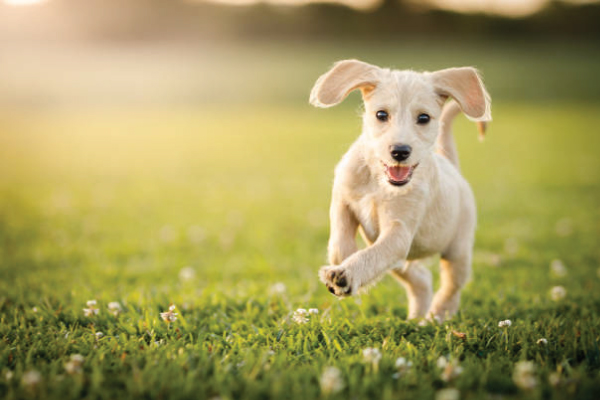
It’s a common question among dog owners: “Is my dog too stinky?” The answer isn’t always a simple yes or no. While dogs naturally have a certain scent, a persistent and overpowering odor often indicates it’s time for a bath. Fortunately, recognizing the signs and knowing how to address them can help keep your canine companion smelling fresh and clean.
Why Do Dogs Get Stinky?
Before diving into the signs, it’s helpful to understand the common culprits behind a dog’s odor:
- Natural Skin Oils (Sebum): Dogs produce sebum, an oily substance, which moisturizes their skin and coat. While beneficial, it can accumulate and, when exposed to air, oxidize, creating that “doggy” smell.
- Bacteria and Yeast: The skin, ears, and paws are all home to various bacteria and yeast. When these microorganisms proliferate, they can produce unpleasant odors.
- Diet: What a dog eats can influence their body odor. Certain ingredients or digestive issues can lead to gas or changes in skin oil production.
- Medical Conditions: Underlying health problems can manifest as strong odors.
- Environmental Factors: Rolling in something foul (like dead animals, feces, or pond scum), swimming in stagnant water, or even exposure to damp conditions can lead to a strong smell.
- Anal Glands: Dogs have anal glands that release a strong-smelling fluid for marking territory. If these glands become impacted or infected, they can emit a very potent, fishy odor.
Signs Your Dog Is Too Stinky and Needs a Bath:
Here are the tell-tale signs that it’s time to break out the dog shampoo:
1. The Obvious: The Overpowering “Doggy” Smell
This is the most straightforward indicator. If you consistently notice a strong, musky, or unpleasant odor clinging to your dog, even when they haven’t been out doing anything particularly messy, it’s likely time for a bath. This isn’t just a subtle hint; it’s a scent that permeates your home and possibly even your car.
2. Persistent Itching and Scratching
While itching can have many causes, a dog that is constantly scratching, biting, or licking themselves can be a sign of skin irritation. This irritation can be exacerbated by accumulated oils, dirt, or the presence of yeast or bacteria, which contribute to odor. Bathing can help remove irritants and soothe the skin.
3. Greasy or Clumpy Coat
If your dog’s fur feels oily to the touch, looks dull, or clumps together, it’s a sign that the natural oils are building up excessively. This buildup traps dirt and can become a breeding ground for odor-causing microbes.
4. Ear Odor
Your dog’s ears are a common hotspot for odor. If you notice a foul, yeasty, or even slightly sweet smell emanating from their ears, it’s a strong indication of an ear infection or an overgrowth of yeast or bacteria. This often requires a bath and potentially veterinary attention.
- Signs of ear issues include: head shaking, pawing at ears, redness, discharge, and pain.
5. Skin Irritations or Redness
When you’re petting or grooming your dog, check their skin. If you notice red, inflamed, or irritated patches, it could be a sign of an underlying issue contributing to odor. These areas are often more susceptible to bacterial or yeast overgrowth.
6. Foot Odor
Dog paws can accumulate dirt, sweat, and moisture, making them prone to developing a distinct, sometimes cheesy or corn-chip-like smell. If your dog’s feet smell particularly strong, it might be time for a paw wash or a full bath. Yeast and bacteria love to thrive in the moist environment between paw pads.
7. Increased Shedding with Odor
While shedding is normal, if you notice that the shed fur has a strong odor, it suggests that the odor is deeply embedded in their coat and skin.
8. After Wetting the Coat, the Smell Intensifies
This is a classic sign. When a dog’s coat is dry, the odor might be less apparent. However, once it gets wet, the smell can become significantly more pungent. This is because the water helps to release the volatile compounds responsible for the odor.
9. Visible Dirt and Grime
This might seem obvious, but sometimes we become desensitized to our dog’s smell. However, if you can visibly see dirt, mud, or debris caked in their fur, especially after outdoor adventures, it’s a clear sign they need a bath to remove the offending substances.
10. Changes in Behavior Related to Grooming
If your dog suddenly seems uncomfortable with being petted or groomed, it could be because their skin or coat is irritating them due to an odor-related issue. Conversely, if they seem unusually listless or unwell, it’s always worth investigating for underlying health concerns that might be contributing to their smell.
When to Seek Veterinary Help:
While regular baths are a good solution for general doggy odor, some smells warrant a trip to the veterinarian. Contact your vet if you notice:
- A Sudden and Very Strong, Foul Odor: This could indicate an infection, particularly if it’s accompanied by discharge or redness.
- A Distinctly Fishy Odor: This is often associated with impacted or infected anal glands.
- A Sweet or Fruity Odor: This could be a sign of diabetes or a yeast infection that needs professional treatment.
- Persistent Ear Infections: If ear odors are accompanied by pain, discharge, or head shaking, veterinary intervention is crucial.
- Skin Lesions or Sores: Any open wounds or significant skin changes should be examined by a vet.
- Changes in Appetite or Energy Levels: If your dog’s odor is accompanied by other signs of illness, it’s important to rule out underlying medical conditions.
How Often Should You Bathe Your Dog?
The frequency of bathing depends on several factors:
- Breed and Coat Type: Some breeds have oilier coats than others. Long-haired breeds may need more frequent brushing, which can help distribute oils and reduce odor.
- Activity Level: Dogs that spend a lot of time outdoors or get dirty quickly will need baths more often.
- Skin Conditions: Dogs with allergies or skin sensitivities may require specific bathing schedules or medicated shampoos recommended by a vet.
- Your Tolerance: Ultimately, how often you bathe your dog is also a matter of personal preference and how much you can tolerate their natural scent.
As a general guideline, most dogs benefit from a bath every 4-8 weeks. Over-bathing can strip away natural oils and lead to dry, itchy skin.
Bathing Tips for a Fresh-Smelling Pooch:
- Use a Dog-Specific Shampoo: Human shampoos have the wrong pH level for a dog’s skin and can cause irritation.
- Brush Before Bathing: This helps remove loose hair and mats, making bathing more effective.
- Clean Ears and Eyes: Gently clean your dog’s ears with a veterinarian-approved ear cleaner and be careful not to get water or shampoo in their eyes.
- Rinse Thoroughly: Ensure all shampoo is rinsed out to prevent skin irritation.
- Dry Properly: Towel dry your dog thoroughly. In colder weather, you might consider a dog-specific blow dryer on a cool setting.
- Consider Dental Hygiene: Bad breath can contribute to overall odor. Regular teeth brushing is essential.
- Dietary Review: If your dog has persistent odor issues, discuss their diet with your veterinarian.
By paying attention to these signs, you can ensure your furry friend is not just clean, but also healthy and comfortable. A regular bath, coupled with good grooming habits and an eye for potential health issues, will keep both you and your dog happy and odor-free.
#SmellyDog, #DogGroomingTips, #PetCare, #DogHygiene, #StinkyDog, #WhenToBatheYourDog, #DogOdor, #HealthyDog, #DogLife, #PetParent, #CleanDog, #DogLover, #CanineCare, #DogHealth, #DogBathingFrequency, #HowOftenToBatheYourDog, #DogHygiene, #DogGrooming, #PetCareTips, #CanineBathing, #BathingYourDog, #DogHealth, #SkinCareForDogs, #DogCoatCare, #DogBathingGuide, #OptimalDogBath, #WhenToBatheYourDog, #DogWashing, #DogBathingRoutine, #AtHomeDogBath, #ProfessionalGrooming, #HealthyDogSkin, #CleanDog, #HappyDog, #DogBathBenefits, #HowToBatheADog, #DogGroomingProducts, #DogBathingMistakes, #PuppyBathing, #SeniorDogBathing, #BreedSpecificBathing, #BathingFrequencyFactors, #OdorControl, #FleaAndTickPrevention, #SensitiveSkinDog, #OilyCoatDog, #DrySkinDog, #ShortHairDog, #LongHairDog, #PuppyBathSchedule, #AdultDogBathing, #SeniorDogBath, #FirstDogBath, #DogBathingAndAllergies, #DogBathingAndShedding, #DogMatting, #DogParasites, #DogSkinInfections, #DogOdor, #DogComfort, #DogBonding, #DogBathTips, #DogGroomingHacks, #DogEssentials, #DogBathingMyths, #DogBathingFacts, #HealthyCoat, #CleanPet, #HappyCompanion, #AllDogBreeds, #AllAges, #AllLifestyles, #DogWellness, #NewDogOwnerTips, #DogGroomingSecrets






Add comment