
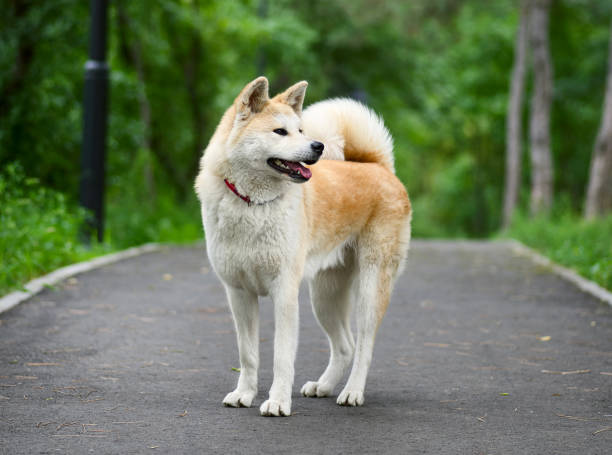
The Akita Inu. The very name evokes images of ancient Japan, of stoic loyalty, and of a raw, untamed dignity. This magnificent breed, renowned globally for the legendary Hachiko, is far more than just a historical figure; it is a living embodiment of strength, courage, and an unparalleled devotion to its chosen family. But beneath that profound loyalty lies a complex temperament and a demanding set of needs that require an equally profound commitment from an owner.
If you’re captivated by the Akita Inu’s magnetic presence, this guide is your definitive resource. We will journey deep into the heart of this Japanese treasure, exploring its ancient origins, distinctive characteristics, unique care requirements, and ultimately, help you determine if the Akita Inu is the right companion to share your life with. Prepare to uncover the layers of a breed that is as challenging as it is rewarding, a dog whose silent gaze can speak volumes, and whose loyalty, once earned, knows no bounds.
Other Names
While globally recognized as the Akita Inu, this breed goes by a few other names that reflect its origin and purpose:
- Akita: This is the most common shortened name, often used interchangeably with Akita Inu.
- Japanese Akita: Used to distinguish it from its American counterpart, the American Akita, which developed independently after World War II.
- Akita Ken: “Ken” is another Japanese word for dog, making “Akita Ken” synonymous with Akita Inu.
Breed History & Origin
The Akita Inu’s history is as rich and ancient as Japan itself, deeply intertwined with the cultural and social fabric of its homeland. This is a breed that has literally walked through centuries, adapting, surviving, and ultimately thriving to become the iconic symbol it is today.
Ancient Origins and the Matagi Dog: The ancestors of the modern Akita Inu trace back to the mountainous, snowy regions of Akita Prefecture in northern Japan, dating back at least to the 17th century, potentially even earlier. These strong, hardy dogs were originally known as “Matagi Inu” or “Matagi-ken,” meaning “hunting dog” or “hunter’s dog.” Their primary role was to assist the Matagi, the traditional Japanese winter hunters, in tracking and taking down large game. This wasn’t just small game; Matagi dogs were instrumental in hunting formidable prey such as wild boar, Sika deer, and even the formidable Yezo bear, Japan’s largest land mammal.
To accomplish such dangerous tasks, these early Akita ancestors possessed immense physical strength, keen senses, incredible endurance, and an unshakeable courage. They worked in small packs, cornering game and holding it until the hunter arrived. This heritage of independence, bravery, and tenacious focus on a task remains a fundamental part of the Akita Inu’s character today.
The Rise of Dog Fighting and Near Extinction: During the Edo period (1603-1868) and especially into the Meiji era (1868-1912), dog fighting became a popular, albeit brutal, sport in Japan. The Matagi dogs, with their powerful builds and fearless temperaments, were increasingly bred for these contests. To make them even more formidable, they were often crossbred with larger, more aggressive Western breeds like Mastiffs, Great Danes, and Tosa Inu. While this increased their fighting prowess, it also led to a significant dilution of the pure Matagi bloodline, threatening the distinct characteristics of the native Japanese dog.
By the turn of the 20th century, concerns about the purity of native Japanese dog breeds, including the Akita, grew. Efforts began to preserve these unique natural monuments. In 1931, the Akita Inu was officially designated as one of Japan’s seven National Natural Monuments, with a concerted effort to restore the breed to its original type.
World War II and the Struggle for Survival: The darkest period for the Akita Inu, and indeed for many dog breeds globally, came during World War II. Food shortages were rampant, and animal pelts were desperately needed for military uniforms. A government order was issued to seize and cull all dogs except German Shepherds, which were being used for military purposes. Many dedicated Akita owners resorted to extreme measures to save their dogs, hiding them in remote mountain villages or disguising them as German Shepherds. Some even released their dogs into the wild, hoping they might survive.
This harrowing period pushed the Akita Inu to the brink of extinction. Only a handful of purebred Akitas survived, leading to a severe bottleneck in their genetic diversity.
Post-War Revival and the American Akita: After the war, a few dedicated individuals embarked on the monumental task of rebuilding the breed from the few surviving lines. Three distinct types emerged: the Matagi Akita (the original hunting dog type), the Dewa Akita (influences from German Shepherds and Mastiffs, common in the immediate post-war period), and the Ichinoseki Akita (another specific bloodline).
A pivotal moment occurred when American servicemen, stationed in Japan during the occupation, became enamored with the Akita. Helen Keller had received an Akita as a gift in 1937, which further piqued American interest. Many soldiers brought Akitas, particularly those of the Dewa strain, back to the United States. These dogs formed the foundation of the Akita breed in America.
Over subsequent decades, the Japanese continued their efforts to refine the Akita Inu, striving to eliminate foreign influences and restore the breed to its pure Japanese form, emphasizing specific characteristics like the “Urajiro” markings and a more compact, fox-like head. The American Akita, however, developed along a different path, favoring a larger, more varied-color dog, often with a broader head and a less pronounced “Urajiro.”
Today, the Akita Inu (Japanese Akita) and the American Akita are recognized as distinct breeds by many international kennel clubs, including the FCI (Fédération Cynologique Internationale). The Akita Inu remains a cherished national symbol of Japan, embodying the spirit of courage, dignity, and unwavering loyalty. Its history is a testament to its resilience and the enduring bond between humans and these magnificent dogs.
Characteristics & Temperament
The Akita Inu’s temperament is a fascinating blend of profound loyalty and fierce independence, making it a breed that demands respect, understanding, and consistent guidance.
- Loyal to a Fault: This is perhaps the Akita’s most revered trait. Once an Akita accepts you as its family, its devotion is absolute and unwavering. They form intense bonds, often with one primary person, but extend their loyalty to the entire household. This profound bond is what makes stories like Hachiko’s so resonant.
- Dignified and Reserved: Akitas possess an inherent dignity. They are not typically boisterous or overly effusive with their affection, preferring a calm, quiet demeanor. They rarely bark without reason, and their expressions often convey a sense of nobility and deep thought.
- Courageous and Fearless: Stemming from their bear-hunting heritage, Akitas are incredibly courageous. They will not back down from a perceived threat to their family or territory, making them excellent, natural guardians. This fearlessness, however, requires careful management to prevent aggression.
- Affectionate (on Their Terms): While not demonstratively affectionate with everyone, Akitas show their love in subtle ways. They enjoy being near their family, leaning against them, or offering a gentle head nudge. They can be incredibly cuddly and playful with their closest humans behind closed doors, but tend to maintain their composure in public.
- Aloof with Strangers: True to their guardian nature, Akitas are naturally wary and reserved around unfamiliar people. They will observe silently, often with a piercing gaze, and will not readily accept petting or overtures from strangers. This aloofness is not aggression, but rather a protective instinct and a discerning nature.
- Strong Prey Drive: Their history as hunting dogs means Akitas possess a high prey drive. Small, fast-moving animals (cats, squirrels, rabbits, even small dogs) can trigger this instinct. This makes off-leash excursions in unsecured areas highly risky and requires careful management in multi-pet households.
- Dominant and Assertive: Akitas are born leaders and inherently dominant. They will test boundaries and expect to be in charge if given the opportunity. This trait is particularly pronounced with other dogs, especially those of the same sex.
- Intelligent but Stubborn: Akitas are highly intelligent, capable of learning commands quickly. However, their intelligence is often coupled with a strong will and an independent streak. They don’t mindlessly obey; they need to understand the purpose of a command and may choose not to comply if they see no benefit or if it conflicts with their own agenda. Training an Akita requires consistency, patience, and a deep understanding of canine psychology.
- Clean and Fastidious: Akitas are remarkably clean dogs. They often groom themselves like cats and have a relatively low doggy odor. They are typically easy to house-train.
- Good with Children (with caveats): An Akita raised with children from puppyhood can be a devoted and protective companion. However, their protective instincts and potential for dominance mean that all interactions between an Akita and children, especially unfamiliar children, must be closely supervised. Their size and strength can accidentally injure a small child, and they may not tolerate rough play or teasing from children who are not part of their immediate pack. They are generally not recommended for households with very young, boisterous children or for first-time dog owners who cannot manage a dog of this strength and temperament.
The Akita Inu is not a breed for everyone. It requires an experienced, confident owner who can provide firm, consistent leadership, extensive early socialization, and a deep understanding of the breed’s unique needs. In the right hands, an Akita is an unparalleled companion, a silent guardian, and a source of immeasurable joy and loyalty.
Purebreds or Hybrids?
When discussing the Akita Inu, we are primarily referring to a purebred dog. The Akita Inu is a well-established and ancient breed with a distinct lineage, meticulously preserved and recognized by kennel clubs worldwide.
The term “hybrid” usually refers to a first-generation cross between two different purebred parent breeds (often called “designer dogs,” e.g., Labradoodle, Goldendoodle). While it’s theoretically possible for an Akita Inu to be crossbred with another breed, the focus of enthusiasts and responsible breeders is overwhelmingly on maintaining the purity of the Akita Inu line.
It’s crucial to understand the distinction between the Japanese Akita Inu (often simply called Akita in Japan and by some international clubs) and the American Akita.
- Japanese Akita Inu: This is the breed this guide focuses on. It adheres to the original Japanese standard, which places importance on specific physical traits, including a moderate size, specific coat colors (red, fawn, sesame, brindle, and white, all with “Urajiro”), and a more refined, fox-like head.
- American Akita: This breed developed from the Dewa line of Akitas brought to the United States after WWII. Over time, American breeders emphasized a larger, heavier-boned dog with a broader head and a wider variety of colors and patterns (including black masks and pinto markings, which are not permissible in the Japanese standard). The American Akita is recognized as a separate breed by the FCI and many other international organizations, though in the AKC (American Kennel Club), both types are simply classified under the single “Akita” breed.
While both are magnificent dogs, they have diverged genetically and phenotypically. Therefore, when looking for an Akita Inu, you are almost always seeking a purebred Japanese Akita, with breeders striving to maintain the traditional standards of the breed.
Physical Characteristics
The Akita Inu is a large, powerful dog, built for strength, agility, and endurance in harsh climates. Its appearance exudes strength, dignity, and a touch of primitive elegance.
Size
The Akita Inu is a large, sturdy Spitz-type dog. There is a noticeable difference in size between males and females.
- Males:
- Height: 64-70 cm (25-27.5 inches) at the shoulder.
- Weight: 34-54 kg (75-120 lbs).
- Females:
- Height: 58-64 cm (23-25 inches) at the shoulder.
- Weight: 27-40 kg (60-90 lbs).
They possess a well-balanced, powerfully built body with substantial bone and muscle. Their overall build suggests endurance and strength rather than speed.
Color
The traditional Japanese Akita Inu has a limited, specific range of acceptable colors, always requiring Urajiro (creamy white markings) on certain body parts.
- Red Fawn: A solid red-orange color, ranging from a light golden fawn to a deep reddish-orange. This is often the most iconic Akita color.
- Sesame: Red fawn dogs with an even overlay of black guard hairs, giving a slightly darker, peppered appearance. The black hairs should not be so dense as to obscure the red fawn base.
- Brindle: This pattern consists of stripes of black over a red, fawn, or white base coat. Brindle can vary greatly in intensity and distribution, from rich black stripes on a red background to a more subtle “silver brindle” with a lighter base.
- White: Pure white, without any other markings or significant patches of color.
Urajiro: This is a crucial characteristic for the Japanese Akita Inu. Urajiro refers to the whitish or creamy white markings that must appear on the sides of the muzzle, on the cheeks, on the underside of the jaw and neck, on the chest, on the body, on the underside of the tail, and on the inside of the legs. It’s not simply “white markings” but a specific pattern of lighter coloration that defines the traditional Akita look, giving them a distinct and ancient appearance. Black masks are explicitly prohibited in the Japanese Akita Inu standard, distinguishing it from the American Akita.
Coat Type
The Akita Inu possesses a double coat, perfectly adapted for the harsh, cold winters of its native Japan. This coat is one of its most striking features and requires specific care.
- Outer Coat (Guard Coat): This layer consists of straight, harsh, stiff hairs that stand slightly off the body. Its primary function is to be waterproof and snow-repellent, protecting the dog from the elements. It typically feels coarse to the touch.
- Undercoat: Beneath the outer coat lies a thick, soft, dense, and much shorter undercoat. This woolly layer provides exceptional insulation, trapping air close to the body to keep the dog warm in freezing temperatures.
The hair on the head, ears, and legs is usually shorter, while the tail is profusely feathered, forming a magnificent plume that curls over the back. The Akita’s coat gives it a somewhat plush, teddy-bear like appearance, especially when the undercoat is full.
Hypoallergenic
No, the Akita Inu is not considered a hypoallergenic breed.
The concept of a “hypoallergenic” dog is often misunderstood. No dog is 100% hypoallergenic, as allergies are triggered by dander (dead skin cells), saliva, and urine, not just hair. However, some breeds are considered more hypoallergenic because they shed less dander or have hair that traps allergens more effectively.
Akitas are heavy shedders, especially during their seasonal “coat blows” (see “Shedding Levels”). They produce a significant amount of dander, and their thick double coat can trap allergens. Therefore, individuals with dog allergies are very likely to react to an Akita Inu. If allergies are a concern, this breed would generally not be a suitable choice.
Life Expectancy
The typical life expectancy for an Akita Inu is 10 to 12 years.
Like all large breeds, Akitas generally have a slightly shorter lifespan compared to smaller dogs. However, with excellent care, appropriate nutrition, regular veterinary check-ups, and a healthy genetic background, many Akitas can live full, happy lives well into their senior years. Responsible breeding practices that screen for genetic health issues play a significant role in promoting longevity within the breed.
Litter Size
The average litter size for an Akita Inu is typically 7 to 8 puppies.
However, litter sizes can vary. It is not uncommon for a litter to be as small as 3-5 puppies or as large as 10-12. Factors such as the age and health of the parents, the mother’s previous litter history, and overall genetics can influence the number of puppies born. Finding a reputable breeder who prioritizes the health and well-being of their breeding dogs and puppies is paramount.
Health Issues
While generally a robust and healthy breed, Akita Inus are predisposed to certain genetic and acquired health issues, as are most purebred dogs. Responsible breeders will screen their breeding stock for many of these conditions to minimize their occurrence. Potential owners should be aware of these issues and committed to providing appropriate veterinary care.
Here are some of the more common health concerns in Akita Inus:
- Hip Dysplasia (HD) and Elbow Dysplasia (ED):
- Description: These are genetic conditions affecting the hip and elbow joints, respectively. They occur when the joint doesn’t form correctly, leading to looseness, pain, and eventually arthritis.
- Symptoms: Lameness, stiffness (especially after rest), difficulty rising, reluctance to jump or run, pain.
- Diagnosis: X-rays are used to diagnose hip and elbow dysplasia.
- Management: Weight management, anti-inflammatory medications, joint supplements (glucosamine, chondroitin), physical therapy, and in severe cases, surgery.
- Prevention: Responsible breeders screen parent dogs through organizations like the Orthopedic Foundation for Animals (OFA) or PennHIP.
- Gastric Dilatation-Volvulus (GDV) / Bloat:
- Description: A life-threatening condition where the stomach fills with gas (dilatation) and then rotates (volvulus), twisting off both the entrance and exit. This traps gas and food, cuts off blood supply, and can lead to shock and death if not treated immediately. Large, deep-chested breeds like the Akita are at higher risk.
- Symptoms: Distended abdomen, unproductive retching (trying to vomit but nothing comes up), restlessness, excessive drooling, pain, labored breathing, collapse.
- Diagnosis: X-ray.
- Treatment: Emergency surgery to untwist the stomach and often tack it to the abdominal wall (gastropexy) to prevent recurrence.
- Prevention: Feeding multiple small meals instead of one large one, avoiding strenuous exercise immediately before and after eating, using slow-feeder bowls, and considering a prophylactic gastropexy (especially if a relative has bloated).
- Autoimmune Diseases: Akita Inus are known to have a higher prevalence of certain autoimmune disorders, where the immune system mistakenly attacks the body’s own tissues.
- Uveodermatologic Syndrome (UDS) / Vogt-Koyanagi-Harada (VKH)-like Syndrome:
- Description: A severe autoimmune disease affecting the eyes and skin. It involves inflammation of the uvea (part of the eye) and depigmentation of the skin (vitiligo-like patches) and hair.
- Symptoms: Red, painful eyes, vision loss, white hair (poliosis), loss of color on the nose (depigmentation), eyelids, and footpads.
- Diagnosis: Ophthalmic exam, skin biopsies.
- Treatment: Long-term immunosuppressive therapy.
- Pemphigus Foliaceus:
- Description: An autoimmune skin disease causing crusting, scaling, and pustules, often on the face, ears, and paw pads.
- Symptoms: Skin lesions, hair loss, itching.
- Diagnosis: Skin biopsy.
- Treatment: Immunosuppressive steroids.
- Hypothyroidism:
- Description: Underactivity of the thyroid gland, leading to insufficient production of thyroid hormones. Autoimmune thyroiditis is a common cause.
- Symptoms: Weight gain, lethargy, skin problems (dry coat, hair loss, recurrent infections), cold intolerance.
- Diagnosis: Blood tests (thyroid hormone levels).
- Treatment: Daily oral thyroid hormone replacement medication.
- Uveodermatologic Syndrome (UDS) / Vogt-Koyanagi-Harada (VKH)-like Syndrome:
- Progressive Retinal Atrophy (PRA):
- Description: A group of degenerative eye diseases that cause the retina to gradually deteriorate, leading to progressive vision loss and eventually blindness.
- Symptoms: Night blindness initially, followed by daytime vision loss.
- Diagnosis: Ophthalmic exam, electroretinography (ERG), genetic testing (for some forms).
- Treatment: No cure, but supplements may slow progression in some cases.
- Sebaceous Adenitis (SA):
- Description: An inflammatory autoimmune disease that destroys the sebaceous (oil) glands in the skin.
- Symptoms: Dry, scaly skin, dull and brittle coat, patchy hair loss (especially on the back and head), secondary skin infections.
- Diagnosis: Skin biopsy.
- Treatment: Topical treatments (oils, shampoos), oral medications (fatty acids, retinoids, cyclosporine) to manage symptoms and reduce inflammation.
- Von Willebrand’s Disease (vWD):
- Description: A hereditary bleeding disorder caused by a deficiency of von Willebrand factor, a protein necessary for normal blood clotting.
- Symptoms: Excessive bleeding after injury or surgery, nosebleeds, blood in urine or stool, easy bruising.
- Diagnosis: Blood test.
- Treatment: Transfusions of blood products containing von Willebrand factor in bleeding episodes.
- Prevention: Genetic testing of breeding dogs.
Important Note on Health: It is crucial for prospective Akita owners to work with reputable breeders who conduct extensive health screenings on their breeding stock (OFA certifications for hips/elbows, thyroid checks, eye exams, genetic tests where available). Regular veterinary care, a high-quality diet, and maintaining a healthy weight are also vital for preventing and managing health issues throughout an Akita’s life. Always consult with a veterinarian for any health concerns or before making dietary or exercise changes.
Grooming Needs
The Akita Inu’s magnificent double coat, while beautiful, requires consistent grooming to stay healthy and manage shedding. While they are relatively clean dogs that don’t have a strong “doggy odor,” their grooming needs are moderate to high due to the density and volume of their fur.
- Brushing (Frequent and Thorough):
- Frequency: At least 2-3 times per week, and daily during shedding seasons (coat blows).
- Tools: A slicker brush, a de-shedding tool (like a Furminator or similar undercoat rake), and a pin brush are essential.
- Technique: Start with the slicker or pin brush to remove loose hair and tangles from the outer coat. Then, use the undercoat rake or de-shedding tool to penetrate the thick undercoat and remove dead fur. Pay special attention to areas prone to matting, such as behind the ears, under the legs, and the “panties” (the longer fur on the hindquarters). Regular brushing prevents mats, distributes natural oils, and reduces the amount of hair that ends up on your furniture and floors.
- Bathing (Infrequent):
- Frequency: Akitas generally don’t need to be bathed very often, usually every 2-3 months or when they get particularly dirty. Over-bathing can strip their natural oils, leading to dry skin and coat issues.
- Shampoo: Use a high-quality dog shampoo designed for thick coats or for sensitive skin. Ensure you rinse thoroughly to avoid skin irritation from shampoo residue.
- Drying: Their dense double coat takes a long time to dry naturally. A high-velocity dog dryer can be very helpful in speeding up the process and blowing out even more loose undercoat, which further reduces shedding. Ensure the dog is completely dry to prevent skin issues like hot spots.
- Nail Trimming (Regular):
- Frequency: Every 2-4 weeks, or as needed. You should aim to trim them before you can hear them clicking on hard floors.
- Tools: Strong dog nail clippers (guillotine or scissor style) or a dremel tool.
- Importance: Overgrown nails can cause pain, affect a dog’s gait, and lead to paw problems. Start nail trimming early in puppyhood to get them accustomed to the process.
- Ear Cleaning (As Needed):
- Frequency: Check their ears weekly and clean as needed.
- Technique: Use a veterinarian-approved ear cleaner and a cotton ball or soft cloth. Wipe the visible part of the ear and just inside the ear canal. Do not insert anything deep into the ear canal.
- Importance: Akitas have erect ears, which generally provide good airflow and reduce the risk of infections compared to floppy-eared breeds. However, regular checks for redness, odor, or discharge are still important.
- Dental Hygiene (Consistent):
- Frequency: Daily brushing is ideal; at least 2-3 times per week.
- Tools: Dog-specific toothpaste and toothbrush. Dental chews and water additives can supplement brushing.
- Importance: Regular dental care prevents plaque and tartar buildup, which can lead to gum disease, tooth decay, and other serious health problems.
Seasonal ‘Coat Blows’: Twice a year, typically in spring and autumn, Akitas will “blow their coat.” This is when they shed their entire undercoat in preparation for the upcoming season. During these periods, shedding will be incredibly heavy, and daily, extensive brushing with an undercoat rake is essential to prevent mats and manage the sheer volume of fur. It can look like a snowstorm of fur is happening in your home!
Overall, Akita grooming is not overly complex, but it is constant and requires dedication, especially during shedding seasons. Owners should be prepared for fur and have the right tools and time commitment.
Shedding Levels
The Akita Inu is a heavy shedder, particularly during seasonal “coat blows.”
- Year-Round Shedding: Akitas shed moderately throughout the year. You will find loose hair on your furniture, clothes, and floors constantly. Regular brushing helps to manage this.
- Seasonal Coat Blows: Twice a year, usually in the spring (to prepare for warmer weather) and in the autumn (to grow in a thicker winter coat), Akitas undergo a phenomenon called a “coat blow.” During these 2-3 week periods, they will shed enormous amounts of their dense undercoat. It can fill brushes within minutes, and you might feel like you’re constantly vacuuming and brushing. This extreme shedding is a natural and necessary process for a double-coated breed adapted to extreme temperatures.
Owners of Akita Inus must be prepared for a significant amount of dog hair in their homes, especially during these periods. Investing in a good vacuum cleaner, an undercoat rake, and a commitment to daily brushing during coat blows are essential for keeping their coat healthy and managing the shedding. This is not a breed for those who are fastidious about a hair-free home.
Dog Group
The Akita Inu belongs to the Working Group in the American Kennel Club (AKC) and the FCI Group 5: Spitz and Primitive Types internationally.
- AKC Working Group: This group comprises dogs bred to perform specific jobs such as guarding property, pulling sleds, and performing water rescues. The Akita’s historical role as a powerful hunting dog and its natural guardian instincts fit perfectly within this category.
- FCI Group 5 (Spitz and Primitive Types): This group includes breeds with ancient origins, often characterized by prick ears, a thick double coat, and a tail that curls over the back. The Akita Inu, with its distinct physical traits and historical lineage, is a classic example of a Spitz-type breed.
This categorization reflects the Akita’s physical prowess, independent nature, and historical purpose, highlighting its inherent working drive and strong will.
Recognition by Kennel Clubs
The Akita Inu is widely recognized by major kennel clubs around the world, though there’s a nuance regarding the distinction between the Japanese Akita Inu and the American Akita.
- Japan Kennel Club (JKC): The primary registry in its country of origin, the JKC recognizes only the “Akita” (Japanese Akita Inu) according to its traditional standard.
- Fédération Cynologique Internationale (FCI): The largest international canine organization, the FCI recognizes the “Akita” (Akita Inu) as a distinct breed (Group 5, Section 5: Asian Spitz and Related Breeds). It also recognizes the “American Akita” as a separate breed (Group 5, Section 5: Asian Spitz and Related Breeds). This is the standard upheld by many countries globally.
- American Kennel Club (AKC): In the United States, the AKC recognizes a single breed simply called “Akita.” This means that under the AKC, both Japanese Akita Inus and American Akitas are shown together and judged under one standard, which is more aligned with the American Akita type. This can be a point of confusion for those new to the breed.
- The Kennel Club (KC – UK): In the UK, the KC recognizes the “Akita” (aligned with the Japanese standard) and the “American Akita” as two separate breeds.
- United Kennel Club (UKC): The UKC in the US recognizes the “Akita” (which aligns more with the Japanese Akita standard) and the “American Akita” as separate breeds.
- Canadian Kennel Club (CKC): Similar to the AKC, the CKC recognizes a single breed called “Akita,” which encompasses both types.
This varied recognition highlights the divergence in breeding goals and standards that occurred after World War II. When seeking a purebred Japanese Akita Inu, it’s essential to research breeders who adhere to the FCI or JKC standards for the “Akita” (Japanese Akita).
Exercise Requirements
Despite their powerful build and origins as hunting dogs, Akita Inus have moderate to high exercise requirements, balancing periods of activity with a surprising capacity for calm indoors. It’s not just about physical exertion but also mental stimulation.
- Daily Structured Exercise: Akitas need at least 30-60 minutes of vigorous exercise daily. This should ideally be broken into two sessions.
- Leashed Walks: Long, brisk walks are essential. Due to their strong prey drive and potential for dog-on-dog aggression, Akitas should always be walked on a leash in public areas. A secure harness or head collar can help manage their strength.
- Jogging/Hiking: They can be good companions for jogging or hiking, but only once fully grown (to protect developing joints, usually after 18-24 months) and in temperate weather. They can overheat easily due to their thick double coat.
- Supervised Off-Leash Play (Secure Area ONLY): If you have access to a very securely fenced yard (Akitas are escape artists and can climb/dig), supervised off-leash play involving fetch, tug-of-war, or simply running around is beneficial. Never trust an Akita off-leash in an unfenced area.
- Mental Stimulation: Akitas are intelligent and can become bored or destructive if not mentally challenged.
- Puzzle Toys: Kongs stuffed with treats or other puzzle feeders can keep their minds engaged.
- Obedience Training: Ongoing training sessions, even short ones, are excellent mental workouts. Akitas enjoy learning, though they may not always choose to obey!
- “Jobs”: Task-oriented activities, even simple ones like carrying a backpack on walks (once mature), can appeal to their working dog instincts.
- Importance of Consistency: Regular exercise helps prevent boredom, reduces destructive behaviors, and maintains muscle tone and overall health. An under-exercised Akita can become restless, anxious, or prone to destructive behaviors.
- Weather Considerations: Their thick double coat means Akitas are well-suited for cold weather but can easily overheat in hot or humid conditions. Exercise should be adjusted accordingly:
- Hot Weather: Exercise during the coolest parts of the day (early morning, late evening). Avoid strenuous activity. Provide plenty of fresh water and shade. Watch for signs of overheating (excessive panting, lethargy, drooling).
- Cold Weather: Akitas generally thrive in cold weather and enjoy being outdoors, but extreme cold still requires common sense. Shorten outdoor time if temperatures are dangerously low.
The Akita Inu ideally suits an active owner or family who enjoys daily outdoor activity and can provide a consistent exercise routine in a safe, controlled environment.
Energy Levels
Akita Inus have moderate energy levels overall, which can appear as a unique blend of active engagement and calm repose.
- Puppyhood: Like most puppies, Akita Inu puppies are high-energy and playful, requiring significant outlets for their boundless enthusiasm.
- Adulthood: As adults, Akitas tend to regulate their own energy. They are not typically hyperactive or constantly “on the go” like some working breeds (e.g., Border Collies, Jack Russell Terriers).
- Active Outdoors: When outside, especially during walks or play sessions, they can be powerful, athletic, and full of energy, eager to explore and engage. They can maintain a brisk pace for extended periods.
- Calm Indoors: Once their exercise needs are met, Akitas are surprisingly calm and quiet indoors. They are content to lie near their family, observe their surroundings, and nap. They are not prone to incessant pacing or destructive behavior if adequately exercised and mentally stimulated.
- Burst of Activity: They can have bursts of energy for playtime but will then settle quickly. This makes them adaptable to various living situations, provided their outdoor exercise needs are met.
It’s important not to mistake their indoor calmness for a lack of need for exercise. A bored or under-exercised Akita, despite their calm demeanor indoors, can develop behavioral problems such as destructive chewing, excessive barking (rare for Akitas, but can happen), or aggression. Their energy needs a productive outlet.
Training Tips
Training an Akita Inu is not for the faint of heart or the inexperienced owner. It requires immense patience, consistency, a deep understanding of canine behavior, and the establishment of clear, confident leadership. Their intelligence is undeniable, but it’s often coupled with a strong will and an independent spirit that makes them unique learners.
- Start Early: Socialization is Paramount (0-16 weeks):
- Puppyhood is the Critical Window: Expose your Akita puppy to as many new sights, sounds, people, places, and well-mannered, vaccinated dogs as possible during this crucial developmental period.
- Why it’s essential: Akitas can be naturally aloof and prone to dog aggression. Early, positive socialization helps them develop into well-adjusted adults who can tolerate novel situations and individuals without fear or aggression. Without it, they can become overly suspicious, fearful, and potentially reactive.
- Controlled Exposure: Always ensure these experiences are positive and non-threatening. Avoid overwhelming the puppy. Puppy classes are an excellent way to safely socialize.
- Establish Clear Leadership from Day One:
- The Akita’s Mindset: Akitas are dominant by nature and will attempt to take the leadership role if they perceive a void. You must be the consistent, calm, and confident “pack leader.”
- Rules and Boundaries: Set clear rules and boundaries, and ensure everyone in the household adheres to them. Consistency is key.
- No Free Will: Do not let your Akita demand attention, food, or access. They should work for everything they get (e.g., “sit” before being petted, “wait” before eating).
- Positive Reinforcement is Key (Avoid Harsh Correction):
- Motivation: Akitas respond best to positive reinforcement methods. Use high-value treats, praise, and favorite toys to reward desired behaviors.
- Avoid Punishment: Harsh physical corrections or yelling can make Akitas shut down, become fearful, or even aggressive. They won’t respect a leader who uses intimidation. They will simply become resentful and stubborn.
- Find Their Drive: Akitas are not always food-motivated. Experiment to find what truly motivates your dog – it could be a specific toy, a game of tug, or special praise.
- Consistency, Consistency, Consistency:
- Every Interaction is Training: Every single interaction with your Akita is a training opportunity. Don’t enforce a command sometimes and ignore it others.
- Family Buy-In: Ensure all family members are on the same page regarding commands, rules, and expectations.
- Patience and Understanding:
- Stubbornness is Real: Akitas don’t always choose to obey, even when they understand the command. Their independence means they weigh compliance against convenience.
- Breaking it Down: If they’re struggling, break the command into smaller steps. Don’t get frustrated; just calmly redirect and restart.
- Short Sessions: Keep training sessions short, fun, and engaging (5-10 minutes, several times a day) to prevent boredom.
- Leash Training is Non-Negotiable:
- Strength and Prey Drive: Given their strength and strong prey drive, an Akita must be impeccably leash trained. Start early with a flat collar and leash, and transition to a head halter or a no-pull harness if needed.
- Never Off-Leash: Due to their territorial instincts and prey drive, Akita Inus should generally never be trusted off-leash in unsecured areas. A reliable recall is difficult to achieve and even more difficult to trust.
- Crate Training:
- Safety and House-Training: Crate training is highly recommended for Akita puppies. It aids in house-training, provides a safe den, and can prevent destructive behavior when unsupervised.
- Positive Association: The crate should always be a positive place, never used for punishment.
- Address Dominance and Resource Guarding Proactively:
- Food, Toys, Space: Akitas can be prone to resource guarding (food, toys, preferred resting spots). Work on prevention from puppyhood by teaching “trade” (exchanging an item for a better one) and ensuring they associate people approaching their resources with positive outcomes (e.g., adding treats to their bowl while they eat).
- “Leave It” Command: This command is crucial for managing their prey drive and resource guarding.
- Professional Guidance:
- Not a DIY Breed: If you’re a first-time Akita owner or struggling, don’t hesitate to seek help from a professional dog trainer or behaviorist experienced with powerful, independent breeds. Group classes for obedience are great for socialization and honing skills.
Training an Akita is an ongoing process throughout their lives. It’s about building a trusting relationship based on mutual respect, where you provide clear guidance, and your Akita chooses to follow because they respect and trust your leadership. The rewards of a well-trained Akita are immense: a loyal, dependable, and cherished companion.
Nutrition & Diet
Proper nutrition is fundamental to an Akita Inu’s overall health, development, and well-being. As a large, powerful breed, they have specific dietary needs that must be met throughout their life stages.
- High-Quality Diet is Essential:
- Ingredients: Look for dog foods where a named meat source (e.g., “chicken,” “beef,” “lamb”) is the first ingredient. Avoid foods with excessive fillers (corn, wheat, soy) or by-products as the primary protein source.
- Formulation: Choose formulations designed for large breeds, as these often have appropriate calcium-to-phosphorus ratios to support healthy bone growth, especially during puppyhood, reducing the risk of orthopedic issues.
- Reputable Brands: Stick to well-established, reputable dog food brands that conduct feeding trials and have veterinary nutritionists on staff.
- Life Stage-Specific Formulas:
- Puppy (Up to 18-24 Months): Feed a high-quality large-breed puppy formula. These are formulated to support slower, controlled growth, which is vital for preventing skeletal problems in large breeds. Do not rush growth by overfeeding or using regular puppy food meant for smaller breeds.
- Adult: Transition to an adult large-breed formula once your Akita reaches maturity (typically 18-24 months).
- Senior: As your Akita ages (around 7-8 years), consider a senior formula that supports joint health, weight management, and age-related needs.
- Portion Control and Weight Management:
- Follow Guidelines: Always follow the feeding guidelines on the dog food packaging, but adjust based on your Akita’s activity level, metabolism, and individual needs.
- Body Condition Score: Regularly assess your Akita’s body condition. You should be able to feel their ribs easily without seeing them, and they should have a discernible waist when viewed from above. Obesity puts undue stress on joints and can exacerbate health issues.
- Avoid Free-Feeding: Given the risk of bloat, and to control intake, free-feeding (leaving food out all day) is generally not recommended for Akitas.
- Bloat Prevention Strategies (Crucial for Akitas):
- Multiple Small Meals: Feed 2-3 smaller meals per day instead of one large meal. This reduces the amount of gas and food in the stomach at any one time.
- No Exercise Around Meals: Avoid strenuous exercise (running, jumping, intense play) for at least one hour before and two hours after meals.
- Slow Feeder Bowls: These bowls are designed with obstructions to slow down eating, preventing your Akita from wolfing down their food too quickly.
- Elevated Bowls (Controversial): Once thought to prevent bloat, recent studies suggest elevated bowls might increase the risk in some breeds. Consult your veterinarian for the most current advice for your individual dog.
- Water Access: Ensure fresh water is always available, but discourage excessive gulping immediately after meals or exercise.
- Water Intake:
- Constant Access: Always provide access to fresh, clean water. Hydration is vital for all bodily functions.
- Treats and Supplements:
- Moderation: Treats should be given in moderation and factored into daily caloric intake to prevent overfeeding.
- Joint Supplements: Many large breed owners choose to add joint supplements containing glucosamine, chondroitin, and MSM, especially as their dogs age, to support joint health. Always consult your vet before adding supplements.
- Omega Fatty Acids: Fish oil supplements (Omega-3s) can benefit skin, coat, and overall health.
- Raw Food Diets (BARF):
- Considerations: Some Akita owners choose raw food diets. If considering this, it’s crucial to work with a veterinary nutritionist to ensure the diet is complete and balanced, as improperly prepared raw diets can lead to nutritional deficiencies or bacterial contamination risks. This is a complex area requiring careful research and veterinary guidance.
Always monitor your Akita’s appetite, energy levels, and stool consistency. Any significant changes should prompt a call to your veterinarian. A well-nourished Akita is a happy and healthy Akita, capable of living a long, fulfilling life.
Family Pet?
Can an Akita Inu be a good family pet? The answer is a resounding yes, but with significant caveats and a very specific type of family in mind. They are not a “plug-and-play” family dog like a Golden Retriever or Labrador.
The Ideal Akita Family:
- Experienced Dog Owners: This is paramount. Akitas require an owner who understands dog behavior, pack dynamics, and the specific needs of a dominant, intelligent, and powerful breed. They are not suitable for first-time dog owners.
- Committed to Early Socialization: The family must be dedicated to intensive, positive socialization from puppyhood, exposing the Akita to various people, sounds, and controlled environments.
- Consistent Leadership: Every family member must be consistent in enforcing rules and maintaining a clear hierarchy where the humans are the leaders. Akitas will test boundaries.
- Active and Present: Akitas thrive on being part of the family. They need regular interaction, exercise, and mental stimulation. They are not dogs that can be left alone for long periods without consequences.
- Understanding of Akitas’ Nature: The family must understand and respect the Akita’s inherent traits: loyalty, dignity, aloofness with strangers, and strong prey drive.
Akita Inus and Children:
- Raised with Children: An Akita raised with children from puppyhood can be incredibly devoted and protective of “their” children. They often form a deep, lifelong bond.
- Supervision is Non-Negotiable: However, their large size, strength, and protective instincts mean that all interactions between an Akita and children, especially young children, must be closely supervised. Akitas may not tolerate rough play, teasing, or perceived threats from unfamiliar children. They might also unintentionally knock over a small child.
- Not a “Playmate” for Other Children: They are generally not the type of dog that will happily join in games with neighbor kids or guests. Their protective nature extends to their territory and their family, and they can be suspicious of outsiders.
- Teaching Children: Children in the household must be taught how to interact respectfully with the dog, understanding its boundaries and signals.
Akita Inus and Other Pets:
- Generally Not Good with Other Dogs (Same Sex Aggression): Akitas, especially same-sex pairs, can be prone to dominance and severe dog-on-dog aggression. This is a common and serious breed trait. While some Akitas can coexist peacefully with other dogs of the opposite sex, especially if raised together from puppyhood, it is never a guarantee. Introductions must be slow, controlled, and constantly supervised.
- High Prey Drive with Small Animals: Their strong prey drive means they are typically not a good fit for households with cats, small dogs, rabbits, or other small pets, unless they have been extensively socialized and raised with them from a very young age, and even then, constant supervision is crucial.
In summary: An Akita Inu can be an unparalleled family pet, offering deep loyalty and protection, but it requires a family that is experienced, committed, consistent, and understanding of the breed’s unique blend of independence, dominance, and devotion. They will thrive in a home where they are cherished as a full family member, but also respected as a powerful dog that needs clear boundaries and diligent management.
Is the Akita Inu Right For You?
Deciding to bring an Akita Inu into your home is a monumental decision, one that should be made with careful consideration, thorough research, and a realistic understanding of the breed’s demands. This is not a dog for everyone. Here’s a checklist to help you determine if the Akita Inu is the right companion for your lifestyle:
You Might Be a Good Akita Owner If:
- You Have Experience with Powerful, Strong-Willed Breeds: You’ve owned or extensively trained dogs with independent streaks and understand the importance of leadership and consistency.
- You Are Committed to Extensive Early Socialization: You are prepared to dedicate significant time and effort during puppyhood to safely expose your Akita to diverse people, places, sounds, and other dogs.
- You Can Provide Firm, Consistent, and Calm Leadership: You understand that an Akita needs a benevolent but unshakeable leader who sets clear boundaries and enforces them without resorting to harshness.
- You Value Loyalty and Dignity Over Constant Effusiveness: You appreciate a dog that forms deep bonds but expresses affection in a more reserved, dignified manner.
- You Are Active and Can Provide Daily Exercise: You can commit to at least 60 minutes of vigorous daily exercise, often broken into two sessions, involving brisk leashed walks or controlled play in a secure area.
- You Have a Securely Fenced Yard: A high, sturdy fence is critical to safely contain an Akita and prevent escapes due to their prey drive and independent nature. (6-foot minimum, possibly with dig guards).
- You Understand and Can Manage a Strong Prey Drive: You are prepared for the reality that your Akita may view smaller animals as prey and will always need to be leashed in public.
- You Are Prepared for Significant Shedding: You don’t mind dog hair and are committed to regular brushing, especially during twice-yearly “coat blows.”
- You Have Time for Consistent Grooming: Beyond shedding, you’re ready for regular brushing, nail trims, ear checks, and dental care.
- You Are Financially Prepared for a Large Breed: This includes high-quality food, larger toys, potential health care costs for conditions common to the breed, and professional training if needed.
- You Are Patient and Resilient in Training: You understand that Akitas are intelligent but can be stubborn, and you’re prepared for an ongoing training journey with occasional challenges.
- You Prefer One Dog or Can Carefully Manage a Multi-Dog Household: You understand the Akita’s potential for dog-on-dog aggression, especially with same-sex dogs, and are prepared to either have a single-dog household or commit to extremely careful management with other pets.
- You Do Not Have Very Young Children Who Cannot Respect a Dog’s Boundaries (or you can supervise 100% of the time): You understand the need for constant supervision and teaching children how to interact with a powerful, protective dog.
- You Are Prepared for an Independent Nature: You understand that Akitas are not “velcro” dogs and appreciate their self-reliant spirit.
The Akita Inu Might NOT Be the Right Breed For You If:
- You Are a First-Time Dog Owner: Their strong will and complex temperament are often too much for those new to dog ownership.
- You Live in an Apartment Without Ample Outdoor Space and Exercise Opportunities: While calm indoors, they need significant outdoor activity.
- You Want a Dog Who Is Universally Friendly to Everyone: Akitas are typically reserved with strangers and are protective of their family.
- You Desire a Dog That Gets Along with All Other Dogs/Small Pets: This is generally not an Akita trait and can lead to dangerous situations.
- You Are Looking for a Dog That Mindlessly Obeys: Their independence means they often weigh commands and may choose not to comply if they don’t see the point.
- You Are Not Prepared for a Long-Term, Demanding Commitment: Akitas are a significant investment of time, energy, and resources for 10-12 years.
- You Are Not Prepared for Significant Dog Hair: Their shedding is considerable.
- You Have a Very Busy Lifestyle with Little Time for Training and Interaction: An Akita needs to be an integrated part of the family and requires consistent engagement.
- You Are Unwilling to Be the Alpha: If you cannot establish yourself as the confident, consistent leader, your Akita will likely try to take that role.
- You Prefer a Dog That is Highly Amenable to Off-Leash Activity in Unfenced Areas: Due to their prey drive and potential for aggression, Akitas should almost always be leashed in public.
Conclusion
The Akita Inu is truly a breed like no other – a majestic, ancient soul steeped in a legacy of loyalty, courage, and quiet dignity. From its origins as a bear-hunting dog in the snowy mountains of Japan to its modern role as a family guardian, the Akita has retained its powerful physique and its independent, strong-willed spirit.
Owning an Akita Inu is not merely having a pet; it is entering into a profound partnership with a dog whose devotion to its family is legendary. They are clean, relatively quiet, and remarkably discerning, offering deep companionship to those they trust. However, this magnificent bond comes with significant responsibilities. The Akita demands a confident, experienced, and consistent owner who can dedicate themselves to early, thorough socialization, firm training, and consistent leadership. Their dominant nature, strong prey drive, and potential for aloofness with strangers and aggression towards other dogs mean they are not a breed for the novice or the faint of heart.
If you are prepared for the commitment, understand their unique temperament, and can provide the structure, exercise, and love they require, the Akita Inu will reward you with an unparalleled loyalty and a silent, steadfast companionship that will enrich your life in countless ways. This noble sentinel of Japan, once a hunter of bears, will become the unwavering guardian of your heart and home.
#AkitaInu #JapaneseAkita #AkitaDog #AkitaLife #AkitaLove #DogsofInstagram #PurebredDog #WorkingDog #SpitzDog #Hachiko #DogBreedInfo #AkitaPuppy #LoyalDog #DogTraining #CanineCompanion #PetCare #DogCommunity #AkitaWorld #ResponsibleDogOwner #DogHealth #GroomingTips #AkitaFacts #DignifiedDog #AncientBreed







Add comment