
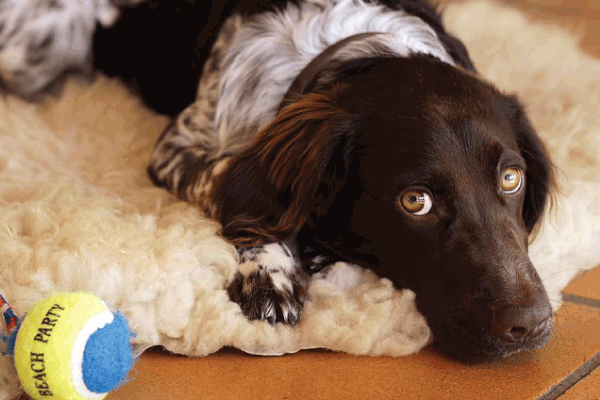
Introduction: The Ubiquitous Fiber and Canine Hypersensitivity
Jute, often referred to as ‘the golden fiber’ due to its natural sheen and extensive use, is one of the world’s most versatile and widely utilized natural fibers. Deriving primarily from the plants Corchorus olitorius and Corchorus capsularis, jute is celebrated for its sustainability, biodegradability, and strength. It forms the backbone of numerous everyday products, including rugs, carpets, hessian cloth, packaging materials, and, critically, many popular dog toys and bedding materials.
While lauded for its eco-friendly properties, jute, like any organic material—from pollens to dander—carries the potential to act as an allergen in sensitive individuals. Jute allergy in dogs is a specific manifestation of Allergic Contact Dermatitis (ACD) or, less commonly, Inhalant Allergy (Atopy), triggered by exposure to components within the jute fiber. This condition, while often overshadowed by more prevalent canine allergies (such as flea or food allergies), can significantly diminish a dog’s quality of life, necessitating meticulous diagnosis and comprehensive management.
This extensive guide explores the specific immunological mechanisms, clinical picture, diagnostic protocols, and management strategies essential for veterinary professionals and dedicated dog owners navigating the complexities of jute hypersensitivity in canine companions.
Section I: Understanding the Allergen – Jute and its Derivatives
To effectively manage a jute allergy, one must first understand the material itself, its chemical composition, and where dogs encounter it.
1.1 The Nature of Jute Fiber
Jute is primarily composed of cellulose and lignin. The fiber is harvested, subjected to a process called retting (where bacteria and moisture break down the gummy material surrounding the fibers), and then spun. This process, particularly the retting stage, can leave residual organic compounds, dust, and minute mold spores within the fiber structure, all of which can contribute to its allergenic potential.
1.2 Common Canine Exposure Points
Dogs interact with jute daily, often unknowingly. The primary routes of exposure are contact (dermatitis) and inhalation (respiratory/atopy).
| Exposure Category | Specific Items/Locations | Risk Level |
|---|---|---|
| Bedding & Comfort | Jute-woven dog beds, eco-friendly padded mats, liners for wicker baskets, natural fiber blankets. | High (Prolonged direct contact) |
| Toys & Enrichment | Tug toys (especially those advertised as ‘natural’ or ‘hemp’), braided ropes, chew toys, toy stuffing/inserts. | High (Direct oral and nasal contact) |
| Home Furnishings | Area rugs, woven carpets, runners, placemats, decorative storage baskets, upholstered furniture backing. | Moderate (Frequent paw/body contact) |
| Packaging & Carriers | Burlap sacks, reusable shopping bags, liners in pet travel crates or carriers. | Low to Moderate (Intermittent contact) |
1.3 Cross-Reactivity: Related Natural Fibers
Jute often shares chemical similarities with other common plant-derived fibers, leading to potential cross-reactivity. A dog allergic to jute may also react to these materials, complicating environmental management:
- Hemp (Cannabis sativa): Used extensively in eco-friendly toys and bedding.
- Sisal (Agave sisalana): Common in scratching posts (often accessed by dogs in multi-pet homes) and certain robust rugs.
- Coir (Coconut fiber): Found in entrance mats and some outdoor bedding.
Testing for jute sensitivity must therefore often include a battery of tests for these related organic fibers.
Section II: The Immunological Mechanism – How Jute Triggers an Allergy
An allergy is an inappropriate and exaggerated response by the immune system to a substance (allergen) that is otherwise harmless. In dogs, jute allergy typically falls into two categories: Allergic Contact Dermatitis (Type IV Hypersensitivity) and Atopy (Type I Hypersensitivity).
2.1 Type IV Hypersensitivity: Allergic Contact Dermatitis (ACD)
ACD is the most common manifestation of jute allergy. It is a delayed, cell-mediated immune response.
- Sensitization Phase: The first exposure to the jute allergen (often a chemical adjuvant, dye, or a protein fragment within the fiber) causes dendritic cells in the skin to capture the antigen. These cells migrate to the lymph nodes and present the antigen to T-lymphocytes.
- Elicitation Phase: Upon subsequent exposure (usually 24 to 72 hours later), the sensitized T-lymphocytes are activated. They release inflammatory mediators (cytokines and chemokines) that attract macrophages and other inflammatory cells to the site of contact.
- Clinical Outcome: This delayed inflammation results in intensely itchy, erythematous (red), and sometimes vesicular (blister-like) lesions precisely where the jute touched the skin—typically the feet (from rugs), the chin/muzzle (from chewing toys), or the ventral abdomen/sternum (from bedding).
2.2 Type I Hypersensitivity: Atopy (Inhalant Allergy)
Less commonly, components of the jute fiber (e.g., fine dust particles released from fraying fibers, or associated mold/pollen carried by the fiber) can be inhaled, triggering a systemic IgE-mediated response, known as canine atopic dermatitis (CAD).
- IgE Production: Specialized immune cells (B-lymphocytes) produce large quantities of Immunoglobulin E (IgE) antibodies specific to the jute allergen.
- Mast Cell Priming: These IgE antibodies attach to receptors on mast cells, primarily located in the skin, respiratory tract, and gastrointestinal tract. The mast cell is now “primed.”
- Degranulation: Upon re-exposure, the allergen binds to two adjacent IgE molecules on the mast cell surface, causing the mast cell to rapidly degranulate.
- Histamine Release: Potent inflammatory mediators, most notably histamine, are released, causing acute pruritus (itching), vasodilation, and inflammation across non-contact areas of the body (e.g., ears, axillae, groin).
Section III: Clinical Manifestations – Recognizing the Symptoms
The severity and location of symptoms are often defined by the exposure route and the hypersensitivity type. Jute allergy symptoms can range from mild, chronic irritation to acute, debilitating dermatological conditions.
3.1 Dermatological Signs (Most Common)
Dermatological reaction is the hallmark of jute allergy. Areas of the body most affected are those with sparse fur and high contact potential.
3.1.1 Pruritus and Erythema
- Intense Itching (Pruritus): The primary complaint. Dogs may scratch, rub their body along the floor (the “jute rug shuffle”), or bite the affected areas relentlessly.
- Erythema (Reddening): Inflammation visible in the skin, particularly the interdigital spaces, paw pads, and ventral trunk.
3.1.2 Contact-Specific Lesions
- Pododermatitis: Inflammation of the paws, often leading to chronic licking, brown staining (from saliva porphyins), and secondary bacterial/yeast infections. This is strongly indicative if the dog frequently lies on a jute rug.
- Muzzle and Chin Acne/Dermatitis: Lesions around the mouth and muzzle, often resulting from aggressive chewing or mouthing of jute toys.
3.1.3 Secondary Complications
Chronic inflammation compromises the skin barrier, leading to secondary infections, which exacerbate the pruritus:
- Pyoderma: Bacterial skin infection (often Staphylococcus species), resulting in pustules, epidermal collarettes, and crusting.
- Malassezia Dermatitis: Yeast overgrowth, causing a distinctive greasy, sometimes foul-smelling, waxy exudate, particularly in the ears and skin folds.
- Alopecia and Lichenification: Hair loss (alopecia) due to self-trauma, and thickening/darkening of the skin (lichenification/hyperpigmentation) in chronic cases.
3.2 Respiratory and Ocular Signs (Less Common, Atopic Reaction)
If the allergen is inhaled, the signs mirror typical environmental allergies:
- Rhinitis: Runny, clear nasal discharge, sneezing, and snorting.
- Coughing/Wheezing: Particularly if the dog is active on a jute-woven mat, stirring up fine dust.
- Conjunctivitis: Red, watery, and puffy eyes, sometimes with a mucoid discharge.
3.3 Gastrointestinal Signs (Rare)
Although rare with contact/inhalant allergies, chronic swallowing of jute fibers (e.g., from frayed toys) can potentially cause:
- Vomiting or Diarrhea: Mild gastrointestinal upset.
- Foreign Body Obstruction: A significant danger if large fibers or pieces of rope are ingested, requiring immediate veterinary intervention.
Section IV: The Diagnostic Odyssey – Confirming Jute Sensitivity
Diagnosing any canine allergy is a process of elimination. Since the symptoms of jute allergy overlap perfectly with environmental, food, and flea allergies, a structured approach is mandatory.
4.1 Ruling Out the Usual Suspects (Differential Diagnosis)
Before pursuing specific allergy testing, a veterinarian must rule out the most common causes of pruritus:
- Flea Allergy Dermatitis (FAD): Requires strict, year-round topical or oral flea control trial for 6-8 weeks, regardless of whether fleas are visible.
- Food Adverse Reaction (FAR): Requires a stringent Elimination Diet Trial (EDT) for 8-12 weeks. This involves feeding a novel protein or hydrolyzed protein diet exclusively. Improvement in symptoms during the EDT suggests a FAR rather than an environmental allergy.
- Scabies and Other Parasites: Skin scrapes, tape cytology, and trial treatment may be necessary to rule out mites (Sarcoptes, Demodex).
4.2 Diagnostic Tests Specific for Jute
Once parasitic and food allergies are managed or ruled out, testing for environmental allergens (including jute) can proceed.
4.2.1 The Environmental Avoidance Trial (Gold Standard for ACD)
For suspected Contact Dermatitis, the most conclusive diagnosis involves strictly removing all potential jute sources for a period of 4-6 weeks.
- Protocol: Replace all jute beds, toys, and rugs with hypoallergenic materials (e.g., 100% cotton, non-woven synthetic rubber).
- Interpretation: A significant or complete resolution of contact-site symptoms (paws, muzzle, ventrum) during the trial, followed by a relapse upon re-introduction of jute, confirms the diagnosis of Jute Allergic Contact Dermatitis.
4.2.2 Intradermal Skin Testing (IDST)
IDST is considered the gold standard for diagnosing Atopic Dermatitis.
- Procedure: A small area of the flank is shaved. Tiny amounts of various standardized allergens (pollens, dust mites, molds, and specific fibers like jute/hemp extracts) are injected just beneath the skin.
- Interpretation: A positive reaction is indicated by the formation of a wheal (swelling/hive) and flare (redness) within 15-30 minutes, confirming an immediate, IgE-mediated hypersensitivity. This test is typically performed by a Veterinary Dermatologist.
4.2.3 Serum IgE Testing (RAST/ELISA)
- Procedure: A blood sample is taken and sent to a specialized laboratory to measure the level of circulating IgE antibodies specific to various environmental allergens.
- Pros/Cons: Less invasive than IDST but can sometimes yield false negatives or positives. It serves as a strong screening tool and is often preferred by general practitioners, especially since it does not require sedation or stopping anti-inflammatory medications as long before the test as IDST does.
Section V: Comprehensive Management and Treatment Strategies
Management of jute allergy is two-fold: immediate symptom relief (acute care) and long-term control (avoidance, medication, and immunotherapy).
5.1 Acute Symptom Relief (Targeting Inflammation and Pruritus)
Acute flare-ups require rapid reduction of itching to prevent self-mutilation and secondary infection.
5.1.1 Corticosteroids
- Use: The most potent anti-inflammatory agents. Used short-term to ‘break the itch cycle.’ Oral prednisone or topical steroid creams may be prescribed.
- Caution: Not suitable for long-term use due to side effects (PU/PD—increased urination/thirst, weight gain, risk of adrenal suppression).
5.1.2 Anti-histamines
- Use: Over-the-counter anti-histamines (e.g., Diphenhydramine, Cetirizine) can be effective in some dogs, though efficacy varies widely compared to humans. They work best as a preventative measure or for mild symptoms.
5.1.3 Topical Therapy
- Medicated Shampoos: Chlorhexidine or benzoyl peroxide shampoos are essential for treating secondary bacterial pyoderma. Miconazole/Ketoconazole shampoos treat yeast overgrowth.
- Localized Treatments: Hydrocortisone sprays or colloidal oatmeal soaks provide temporary soothing relief to localized contact dermatitis.
5.2 Specific Immunomodulatory Therapies (Prescription Options)
These medications target key inflammatory pathways responsible for allergic pruritus, offering safer long-term control than steroids.
5.2.1 Janus Kinase Inhibitors (e.g., Oclacitinib – Apoquel®)
- Mechanism: Blocks the JAK enzymes responsible for transmitting the signals of itch and inflammation (Cytokines IL-31, IL-2, IL-6).
- Efficacy: Highly effective and acts quickly (within hours) to control allergic pruritus, making it excellent for chronic management.
5.2.2 Canine Atopic Dermatitis Immunotherapeutic (CADI/Cytopoint®)
- Mechanism: A monoclonal antibody injection that specifically targets and neutralizes Canine Interleukin-31 (IL-31), the primary cytokine responsible for transmitting the urge to scratch.
- Efficacy: Highly targeted, few side effects, and provides 4-8 weeks of itch relief per injection. Excellent for dogs where oral medication compliance is difficult.
5.2.3 Calcineurin Inhibitors (e.g., Cyclosporine – Atopica®)
- Mechanism: Works by suppressing T-lymphocyte activity, reducing the overall inflammatory cascade.
- Use: Reserved for severe, refractory cases or when cost/access to newer medications is a factor. Requires long-term dosing.
5.3 Allergen-Specific Immunotherapy (ASIT)
If jute sensitivity is confirmed via IDST or serum testing, ASIT (commonly called “allergy shots” or “allergy drops”) offers the only potential cure or long-term modification of the disease.
- Mechanism: ASIT involves administering gradually increasing doses of the confirmed allergen (e.g., jute extract) over months or years. This retrains the immune system to shift its response from a hypersensitive IgE-mediated reaction (the allergy) to a non-inflammatory IgG-mediated response (tolerance).
- Efficacy: Successful in 60-80% of canine patients.
- Protocol: Requires a significant commitment from the owner, involving weekly or bi-weekly injections/oral drops initially, tapering to monthly maintenance doses.
Section VI: Prevention and Environmental Modification – The Core of Management
For Allergic Contact Dermatitis specifically, strict avoidance is the most crucial, cost-effective, and successful management strategy.
6.1 The Jute-Free Home Checklist
Owners must meticulously audit their environment to eliminate all potential sources of jute and related fibers.
| Area of the Home | Jute Items to Remove / Replace | Recommended Safe Alternatives |
|---|---|---|
| Dog Bedding | Jute-stuffed beds, hessian-backed memory foam, natural fiber crate liners. | 100% Cotton Canvas, Fleece, Microfiber, Hypoallergenic synthetic stuffing. |
| Toys & Chews | Braided jute ropes, hemp pull toys, any toy labeled ‘natural fiber’ or ‘burlap.’ | Hard rubber (Kongs), thermoplastic elastomer (TPE), nylon, 100% cotton rope (washable). |
| Flooring | Natural fiber area rugs, coir mats, jute runners, sisal carpet underlays. | Washable woven cotton rugs, tile, hardwood, hypoallergenic synthetic rugs (nylon/olefin). |
| Storage & Decor | Woven baskets used for toy storage, decorative burlap pillows, macrame items near floor level. | Plastic, metal, or painted wicker baskets. Avoid floor-level fabrics. |
| Outdoor/Yard | Burlap weed barriers, rope ties used in landscaping, old feed sacks. | Plastic sheeting, metal ties, synthetic rope. |
6.2 Fiber Hygiene and Maintenance
Even in a jute-free environment, proactive steps are needed to minimize allergen exposure from other sources (pollen, dust mites, dander).
- Frequent Washing: All dog bedding, blankets, and plush toys should be laundered weekly in hot water (above 130°F) to denature proteins and kill dust mites.
- HEPA Filtration: Use high-efficiency particulate air (HEPA) filters in vacuum cleaners and HVAC systems to reduce airborne fibers and dust, crucial for atopic reactions.
- Paw Hygiene: After walks or contact with non-controlled environments (e.g., visiting friends with jute rugs), wash the dog’s paws with a mild cleanser to remove potential contact allergens.
Section VII: Special Considerations and Related Canine Allergies
The diagnosis of jute allergy must be kept in the context of the dog’s overall allergic burden.
7.1 Breed Predisposition and Genetics
Atopic Dermatitis often has a strong genetic component. While jute allergy itself is not breed-specific, the predisposition to react severely to environmental substances is highly prevalent in certain breeds, meaning they are more likely to express hypersensitivity to materials like jute.
- High-Risk Breeds: Golden Retrievers, Labrador Retrievers, French Bulldogs, West Highland White Terriers (Westies), Boxers, Pugs, and Shar-Peis.
7.2 The Role of Secondary Sensitivities (The Allergen Threshold)
It is rare for a dog to be allergic to only one thing. The concept of the Allergen Threshold explains why a jute allergy might suddenly appear or worsen.
A dog can tolerate a certain level of allergic burden without showing symptoms. If a dog is mildly allergic to dust mites and pollen, adding a third allergen (jute) may push the dog over their tolerable threshold, resulting in severe clinical signs. Removing the jute (even if it’s not the sole cause) can drop the dog below the threshold, leading to symptom resolution. This highlights the importance of managing all confirmed allergies, not just the most obvious one.
7.3 Managing Secondary Infections
Chronic secondary infections (bacteria and yeast) are not just complications; they are significant sources of pruritus themselves. A jute-allergic dog will not improve if the infection is not simultaneously cleared. Treatment must involve:
- Systemic Antibiotics/Antifungals: For deep pyoderma or systemic Malassezia overgrowth.
- Skin Barrier Support: Supplements like essential fatty acids (EFAs, especially Omega-3s) help repair the compromised skin barrier and reduce inflammation systemically.
Section VIII: Owner Education and Proactive Tracking
Successful long-term management relies heavily on the owner’s diligence in monitoring symptoms and adherence to treatment.
8.1 Symptom Logging and Tracking
Owners should maintain an Allergy Log to identify patterns and triggers. This log should record:
- Pruritus Score: (Using a standard scale, e.g., 0-10, daily).
- Location of Lesions: (Paws, tummy, ears).
- Daily Activities: (e.g., played with new toy, slept on the rug).
- Flare-ups: Dates and severity, allowing owners and veterinarians to directly correlate environmental changes (like bringing home a new jute-backed rug) with symptom onset.
8.2 Recognizing and Treating Anaphylaxis (Though Extremely Rare)
While contact hypersensitivity is typically localized, severe, acute systemic allergic reactions (anaphylaxis) are technically possible, particularly if high concentrations of jute protein are inhaled immediately upon first exposure to a highly sensitive individual.
- Signs: Acute onset of facial swelling (angioedema), severe vomiting/diarrhea, difficulty breathing (laryngeal edema or bronchospasm), collapse, or shock.
- Action: Anaphylaxis is a life-threatening emergency requiring immediate veterinary attention (Epinephrine injection, IV fluids, oxygen). Owners should be educated on this rare but critical risk.
8.3 When to Consult a Veterinary Dermatologist
General practitioners can manage most mild to moderate allergic cases, but referral to a specialist is warranted when:
- Symptoms cannot be controlled with standard medication (refractory cases).
- The dog has severe, recurrent secondary infections.
- Immunotherapy (ASIT) testing and administration are required.
- The definitive diagnosis (ruling out food vs. environmental) remains elusive.
Conclusion
Jute allergy in dogs is a niche but important diagnosis within the broad spectrum of canine dermatoses. Its recognition hinges upon a meticulous history, systematic diagnostic testing, and the process of elimination. As environmental concerns drive a shift toward natural, sustainable fibers, the incidence of such allergies may potentially increase, making awareness among dog owners and veterinary professionals paramount.
Successful treatment is rarely a quick fix; it requires a partnership between the owner and the veterinary team, prioritizing strict environmental avoidance of the allergen, aggressive control of secondary infections, and, where appropriate, the implementation of advanced immunomodulatory therapies or allergen-specific immunotherapy. By addressing jute as a potential, tangible trigger, the prognosis for managing the associated pruritus and improving the dog’s quality of life is excellent.
#JuteAllergyDog #CanineDermatology #DogAllergies #DogSkinHealth #VetMed #AllergicContactDermatitis #DogHealthTips #JuteHypersensitivity #ItchyDog #DogParents #HolisticDogHealth #PetAllergies #DogWellness #JuteFreeHome #AllergySolutions






Add comment