
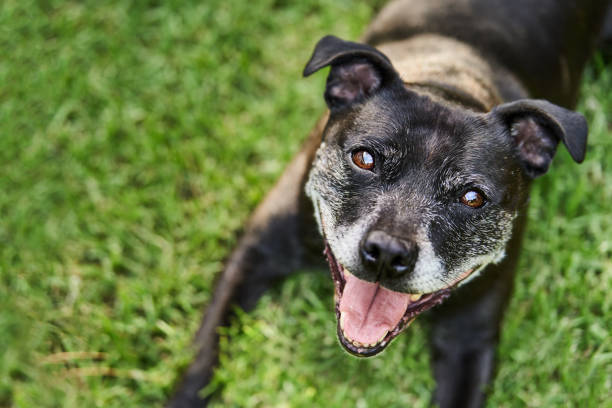
For many dog owners, the sight of a beloved canine companion full of boundless energy, chasing balls, and romping through parks is a source of immense joy. Dogs are naturally active creatures, and their daily dose of physical and mental stimulation is crucial for their overall well-being. However, what happens when illness strikes? When your once-vibrant dog is battling an existing health condition – be it chronic arthritis, a cardiac issue, a neurological disorder, or recovering from surgery – the notion of “keeping them active” can seem daunting, contradictory, or even dangerous.
The truth is, safely maintaining some level of activity is not only possible but often incredibly beneficial for sick dogs. It’s not about pushing them to their limits or expecting them to perform as they did before. Instead, it’s about intelligent adaptation, gentle stimulation, and prioritizing comfort and quality of life. This comprehensive guide will delve into the nuances of keeping your sick dog active, offering practical advice, detailing illness-specific considerations, and equipping you with the knowledge to provide the best possible care for your special companion.
Understanding Your Dog’s Illness: The Foundation of Safe Activity
Before even contemplating an activity plan, a profound understanding of your dog’s specific illness is paramount. This isn’t just about knowing the diagnosis; it’s about grasping the implications of that diagnosis on their physical capabilities, energy levels, pain perception, and overall prognosis.
- Veterinary Consultation is Non-Negotiable: Your veterinarian is your primary resource. They possess the medical knowledge to accurately assess your dog’s condition, identify limitations, and recommend safe activity parameters. Never initiate or significantly alter an activity regimen without their explicit approval. Discuss:
- The nature of the illness: Is it acute (sudden onset, short-term) or chronic (long-standing, ongoing management)? Is it progressive?
- Affected body systems: Is it orthopedic, cardiac, respiratory, neurological, metabolic, or a combination?
- Pain levels: Is your dog in pain? How is it being managed? Pain is a major deterrent and risk factor for activity.
- Medication effects: How do prescribed medications (e.g., pain relievers, anti-inflammatories, heart medications) impact energy, coordination, or potential side effects during activity?
- Prognosis and limitations: What are the long-term expectations? What movements or types of exertion are strictly forbidden or highly risky?
- Types of Illnesses and Their General Implications:
- Orthopedic/Mobility Issues (e.g., Arthritis, Hip Dysplasia, IVDD, Cruciate Ligament Injury): Often involve pain, stiffness, reduced range of motion, and potential instability. Activity focus: low-impact, controlled movements, muscle maintenance without joint stress.
- Cardiac Conditions (e.g., Congestive Heart Failure, Cardiomyopathy): Can lead to fatigue, shortness of breath, and reduced ability to tolerate exertion. Activity focus: minimal exertion, mental stimulation, strict monitoring for signs of distress.
- Respiratory Issues (e.g., Tracheal Collapse, Brachycephalic Syndrome, Chronic Bronchitis): Difficulty breathing, reduced oxygen intake. Activity focus: very gentle, short bursts, cool environments, avoiding excitement.
- Neurological Conditions (e.g., Seizures, Vestibular Disease, Spinal Injuries): Can affect balance, coordination, strength, and cognitive function. Activity focus: gentle balance work, assisted mobility, mental enrichment, safe environments.
- Systemic Illnesses (e.g., Kidney Disease, Liver Disease, Cancer, Diabetes): Often cause general lethargy, weakness, and potential pain. Activity focus: comfort, gentle movement if tolerated, mental stimulation, adapting to “good” and “bad” days.
- Sensory Impairments (Blindness, Deafness): Primarily impact navigation and communication, not necessarily physical capability, but require environmental adaptations.
- Assessing Pain and Energy Levels: A sick dog’s enthusiasm for activity is not always a reliable indicator of their ability. They may push themselves to please you, or their pain might not be overtly vocalized. Learn to recognize subtle signs of pain (limping, reluctance to move, hunched posture, excessive licking, changes in appetite/behavior) and fatigue (slowing down, lagging behind, heavy panting, seeking rest).
The Undeniable Benefits of Safe Activity for Sick Dogs
While the risks of overexertion are real and must be avoided, the benefits of appropriate activity for a sick dog are profound and extend beyond mere physical health.
- Physical Benefits:
- Muscle Maintenance and Prevention of Atrophy: Even minimal movement helps to slow down muscle wasting, which can occur rapidly in inactive dogs. Stronger muscles support joints and improve overall stability.
- Joint Health and Flexibility: Gentle, controlled movement promotes circulation to joints, helping to maintain flexibility and reduce stiffness, especially crucial for arthritic dogs.
- Improved Circulation: Activity aids blood flow, delivering oxygen and nutrients throughout the body and supporting organ function.
- Weight Management: Keeping a sick dog at a healthy weight is critical, as excess weight exacerbates many conditions (e.g., arthritis, cardiac disease). Safe activity, combined with dietary management, helps achieve this.
- Digestive Health: Movement can stimulate bowel function, helping to prevent constipation, which is common in less active dogs.
- Mental and Emotional Benefits:
- Enrichment and Boredom Reduction: Confinement and restricted activity can lead to boredom, frustration, and destructive behaviors. Mental stimulation and controlled physical activity provide crucial enrichment.
- Stress and Anxiety Reduction: A sense of normalcy, routine, and positive interaction through activity can significantly reduce stress and anxiety in sick dogs, who may feel confused or isolated by their condition.
- Mood Improvement: Like humans, dogs benefit from endorphin release during exercise. This can elevate mood, combat depression, and improve overall outlook.
- Strengthens the Human-Animal Bond: Engaging in adapted activities together – whether it’s a slow walk, a gentle massage, or a puzzle game – reinforces the bond you share, providing comfort and connection during a challenging time.
- Sense of Purpose and Normalcy: For a dog, “work” and activity are inherent to their nature. Giving them opportunities for appropriate engagement can restore a sense of purpose and routine, which is vital for their mental well-being.
Assessing Your Dog’s Readiness for Activity: A Daily Check
Your dog’s condition can fluctuate. What was safe yesterday might be too much today. A daily assessment is crucial.
- Veterinary Guidance Remains Paramount: Always defer to your vet’s specific instructions.
- Observe Their Demeanor:
- Appetite and Thirst: Are they eating and drinking normally? A reduced appetite can signal discomfort or a general unwell feeling.
- Energy Levels: Are they unusually lethargic or restless? Are they eager to engage, or do they seem reluctant?
- Pain Signals: Look for subtle signs: reluctance to put weight on a limb, limping, stiffness, difficulty rising, whining, panting when at rest, aggression when touched, changes in facial expression, excessive licking of a particular area.
- Mobility: How easily do they move? Are they stumbling, dragging paws, or experiencing tremors?
- Bathroom Habits: Are they able to get to their potty spot comfortably? Any changes in urination or defecation can indicate issues.
- “Good Days” vs. “Bad Days”: Understand that there will be fluctuations. On “good days,” you might extend an activity slightly (within vet limits). On “bad days,” it might be best to stick to gentle mental stimulation or simply provide comfort. Pushing a dog on a bad day can set back their recovery or worsen their condition.
- Monitoring Vital Signs (if applicable and trained): For some conditions, your vet might show you how to monitor heart rate or respiratory rate at home. Any significant abnormalities should warrant immediate cessation of activity and a call to the vet.
General Principles for Safe Activity with a Sick Dog
These guidelines form the foundation of any activity plan for a dog with an existing illness.
- Listen to Your Dog: This is the most critical principle. Your dog will communicate their limits if you pay attention. Stop immediately at the first sign of pain, fatigue, discomfort, or distress.
- Always Consult Your Vet: We cannot stress this enough. Your vet provides tailored advice.
- Start Slow, Go Gradual: Begin with very short durations and low intensity. Slowly increase as your dog demonstrates tolerance and capability, never pushing beyond their comfort zone.
- Short, Frequent Sessions: Multiple short activity sessions throughout the day are often better than one long one, especially for dogs with limited stamina or pain.
- Low Impact is Key: Avoid jumping, running, twisting, or any activity that puts stress on joints or internal organs. Prioritize smooth, controlled movements.
- Controlled Environments: Keep activities in safe, familiar, non-slip environments. Avoid crowded places, uneven terrain, or extreme weather conditions.
- Comfort and Support: Use appropriate aids like support harnesses, slings, ramps, or therapeutic beds to ensure maximum comfort and safety during and after activity.
- Mental Stimulation is Essential: If physical activity is severely restricted, mental games and enrichment become even more vital to prevent boredom and cognitive decline.
- Hydration and Rest: Ensure fresh water is always available. Ample rest periods before and after activity are crucial for recovery and preventing overexertion.
- Modify, Don’t Eliminate: The goal isn’t to stop activity entirely, but to modify it to suit their current abilities.
- Know When to Stop: It’s better to end a session early and leave your dog wanting more than to push them past their limits, which can be detrimental.
Specific Activity Adaptations Based on Illness Type
Here, we explore tailored activity ideas for various common canine illnesses. Remember, these are general suggestions; your vet’s specific advice trumps all.
1. Dogs with Arthritis/Orthopedic Issues (e.g., Hip Dysplasia, IVDD, Cruciate Ligament Injuries)
The focus is on maintaining muscle mass, improving joint mobility, and reducing pain without stressing compromised joints.
- Controlled Leash Walks: Short, frequent walks on soft, even surfaces (grass, dirt paths) are ideal. Avoid pavement, stairs, hills, or sudden stops/starts. A front-clip harness can help prevent pulling.
- Hydrotherapy/Swimming: This is often the gold standard. Water buoyancy reduces weight-bearing stress on joints while allowing full range of motion. Always supervised, in heated, controlled pools, preferably with a certified canine hydrotherapist.
- Gentle Range of Motion (ROM) Exercises: Guided by a vet or physical therapist, these passive movements gently flex and extend joints to maintain flexibility.
- Canine Massage: Therapeutic massage improves circulation, reduces muscle tension, and can alleviate pain. Learn basic techniques from a professional or your vet.
- “Stand-to-Sit” and “Sit-to-Stand” Exercises: Slow, controlled repetitions of these motions help strengthen hindlimb muscles. Start with a few repetitions and gradually increase.
- Balance and Proprioception Exercises (Vet-Approved): Gentle work on wobble boards, balance discs, or even just standing on an unstable cushion can improve core strength and body awareness. Only under professional guidance.
- Ramps and Steps: Use ramps for cars, stairs, or furniture to eliminate jumping, which can severely strain joints.
- Puzzle Toys and Scent Games: Excellent for mental stimulation without physical strain, especially on days when pain is higher.
2. Dogs with Cardiac Conditions (e.g., Congestive Heart Failure, Dilated Cardiomyopathy)
The priority is to prevent anything that significantly elevates heart rate or causes respiratory distress. Exercise is about maintaining quality of life, not fitness.
- Extremely Gentle, Very Short Leash Walks: Few minutes at a time, very slow pace. Avoid any inclines or excitement. On hot days, these might be entirely skipped.
- Mental Stimulation: This becomes paramount. Scent games, puzzle toys, slow treat dispensing toys, and gentle grooming provide engagement without taxing the heart.
- Avoid Excitement: Any situation that causes your dog to get overly excited (visitors, other dogs, chasing) should be avoided or carefully managed.
- Strict Monitoring: Watch for any signs of distress: excessive panting, coughing, difficulty breathing, lethargy, blue/purplish gums, collapse. Stop immediately and contact your vet.
- Cool Environments: Keep your dog in a cool, comfortable environment, especially during activity.
- Harness Use: Always use a harness instead of a collar to avoid pressure on the trachea, which can exacerbate breathing difficulties.
3. Dogs with Respiratory Issues (e.g., Brachycephalic Syndrome, Tracheal Collapse, Chronic Bronchitis)
Similar to cardiac conditions, the goal is to prevent respiratory distress and ensure adequate oxygen intake.
- Very Gentle, Short Walks: Keep walks extremely short (5-10 minutes) and slow, especially in cool, humidity-controlled environments. Avoid hot or humid weather entirely.
- Harness Instead of Collar: Essential to prevent pressure on the trachea.
- Avoid Excitement and Stress: These can trigger panting and exacerbate breathing difficulties.
- Scent Work and Puzzle Toys: Excellent for mental engagement without affecting breathing.
- Controlled Environment: Keep your dog in a quiet, calm, well-ventilated space.
- Monitoring Breathing: Watch for increased respiratory effort, noisy breathing, panting, or blue gums. Stop activity immediately if observed.
- Weight Management: Maintaining a healthy weight significantly eases the burden on the respiratory system.
4. Dogs with Neurological Conditions (e.g., Wobbler’s Syndrome, Vestibular Disease, Spinal Injuries, Seizures)
The focus here is on improving balance, coordination, strength, and spatial awareness, often with assistance, while ensuring safety.
- Assisted Walking/Support Slings: For dogs with weakness or wobbliness, a support sling (forelimb or hindlimb) can help them walk more effectively and safely.
- Proprioception Exercises (Vet-Guided): Simple “knuckling” exercises (gently tucking their paw under to encourage them to reposition it) or walking over low obstacles can help them regain body awareness.
- Gentle Balance Exercises: Standing on soft, unstable surfaces (pillows, foam mats) can improve core strength and balance, but always with supervision and support.
- Therapeutic Massage: Can help relax tense muscles and improve circulation.
- Carpeted/Non-Slip Surfaces: Ensure all indoor areas are carpeted or have non-slip mats to prevent falls.
- Mental Stimulation: Puzzle toys, interactive feeders, and scent games are crucial, especially if physical mobility is severely limited.
- Post-Seizure Care: After a seizure, rest is paramount. Activity should be limited to gentle comfort and monitoring.
- Carts/Wheelchairs: For dogs with severe spinal injuries or paralysis, a custom-fitted cart can offer a wonderful opportunity for independent mobility and exploration.
5. Dogs with Systemic Illnesses (e.g., Kidney Disease, Liver Disease, Cancer, Diabetes)
These conditions often result in generalized lethargy, weakness, and potential pain. Activity must be highly individualized and prioritize comfort.
- Gentle, Short Walks: If energy levels allow, short, very gentle walks are beneficial. The duration and intensity should be dictated entirely by your dog’s willingness and stamina.
- Comfort and Cuddle Time: Sometimes, the most important “activity” is simply quiet companionship, gentle petting, and ensuring they are comfortable.
- Mental Enrichment: Puzzle toys, snuffle mats, and engaging with gentle command training can provide mental stimulation without physical exertion.
- Easy Access to Resources: Ensure food, water, and potty areas are easily accessible to minimize strenuous movement.
- Consistent Activity for Diabetes: For diabetic dogs, consistent daily walks (same duration, same time) can help with blood glucose regulation, but intense, erratic activity should be avoided. Your vet will provide specific guidance on monitoring blood sugar around activity.
- Focus on Quality of Life for Cancer Patients: Activity should enhance comfort and enjoyment. This might mean simply sitting outside in the sun, gentle sniffing, or a very brief stroll.
6. Dogs with Sensory Impairments (Blindness, Deafness)
These dogs often have full physical capability but require environmental and communication adaptations.
- Blind Dogs:
- Maintain Familiarity: Keep furniture and routes consistent.
- Verbal Cues: Use consistent verbal cues for obstacles (“step up,” “watch out”) or directions.
- Scent Trails: Lay down scent trails (e.g., vanilla extract, specific treats) to guide them.
- Audible Toys: Soft toys with bells or crinkles, or puzzle toys that make noise.
- Leash Walks: Continue regular leash walks in familiar, safe, low-traffic areas.
- Explore Safely: In a securely fenced, obstacle-free yard, allow them to sniff and explore independently.
- “Clicker” Training (Sound-Based): If they can hear, a clicker can be an excellent communication tool.
- Deaf Dogs:
- Visual Signals: Use consistent hand signals for commands.
- Body Language: Rely on strong, clear body language.
- Vibration Signals: Some owners use vibrating collars (not shock collars) to get their attention from a distance.
- Scent Work: Excellent for mental stimulation.
- Off-Leash in Secure Areas: In a securely fenced area, they can still enjoy running and playing. Always visually check their surroundings.
- Maintain Routines: Predictable routines help them feel secure.
Mental Stimulation: The Unsung Hero of Activity for Sick Dogs
When physical activity is limited, mental stimulation becomes even more critical. A tired mind can be just as satisfying as a tired body.
- Puzzle Toys and Interactive Feeders: These require your dog to problem-solve to get treats or their meal. They range from simple treat-dispensing balls to complex multi-step puzzles.
- Snuffle Mats: These fabric mats with hidden pockets are perfect for nose work, allowing dogs to sniff out treats, engaging their primary sense.
- Scent Games (“Find It!”): Hide treats or your dog’s favorite toy in various locations around the house (starting easy, gradually increasing difficulty) and encourage them to “find it!”
- Training New, Simple Tricks: Even sick dogs can learn simple commands like “touch” (to your hand), “stay,” or “look at me.” This keeps their brain active and reinforces your bond.
- Chew Toys: Durable, appropriate chew toys provide an outlet for natural chewing instincts, which can be calming and mentally satisfying.
- Observation from a Comfy Spot: Sometimes, simply allowing your dog to watch the world go by from a comfortable bed near a window or in the garden can be deeply enriching.
Tools and Aids for Safe Activity
A variety of products can help make activity safer and more comfortable for your sick dog.
- Support Harnesses/Slings: Full-body harnesses, lifting slings, or rear-only slings can provide crucial support for dogs with mobility issues, helping them walk, stand, or get up stairs.
- Dog Boots/Paw Protectors: Can provide extra grip on slippery floors, protect sensitive paws, or add light support.
- Ramps and Steps: Essential for preventing jumping and strain when accessing cars, beds, or stairs.
- Therapeutic Beds/Mats: Orthopedic, memory foam beds provide joint support and pressure relief during rest.
- Carts/Wheelchairs: For dogs with severe hindlimb weakness or paralysis, a custom-fitted cart can restore significant mobility and independence.
- Puzzle Toys/Interactive Feeders: As mentioned, these are key for mental enrichment.
- Non-Slip Mats/Runners: Place these on slippery floors (hardwood, tile) to prevent falls and provide stable footing indoors.
- Cooling Vests/Mats: For heat-sensitive breeds or dogs with respiratory/cardiac conditions, these can help keep body temperature regulated during gentle activity or rest.
- Wobble Boards/Balance Discs: Used under professional guidance, these help build core strength and improve balance and proprioception.
Monitoring and Adjusting: The Ongoing Process
Caring for a sick dog is a dynamic process. Constant monitoring and willingness to adjust are vital.
- Post-Activity Assessment: After any activity, closely observe your dog for the next few hours and even the following day. Look for:
- Increased pain (limping, stiffness, reluctance to move).
- Excessive lethargy or fatigue.
- Heavy panting, difficulty breathing, or coughing.
- Loss of appetite or thirst.
- Changes in temperament (grumpiness, withdrawal).
- Swelling or inflammation.
- Any signs that they are uncomfortable or overexerted.
- Keep a Log: A simple journal tracking daily activity, duration, type, your dog’s response, and any medications given can be incredibly helpful. This allows you to identify patterns, track progress, and provide valuable information to your vet.
- Don’t Be Afraid to Pull Back: If your dog shows any signs of discomfort or overexertion, reduce the intensity or duration of the activity, or skip it entirely for a day or two. Rest is an essential part of recovery and management.
- Regular Vet Check-ups: Ensure you adhere to your vet’s schedule for follow-up appointments. These are crucial for re-evaluating your dog’s condition, adjusting medications, and modifying the activity plan as needed.
- Embrace the “New Normal”: Your sick dog may never return to their previous level of activity. It’s important to adjust your expectations and celebrate the small victories. Focus on their current capabilities and what brings them joy and comfort now.
The Emotional Aspect for Owners
Caring for a sick dog, especially one with chronic limitations, can be emotionally taxing. It’s normal to experience a range of feelings:
- Guilt: For not being able to do more, or for past actions.
- Frustration: With the limitations of the illness or the slow pace of progress.
- Sadness: Watching a once-active dog struggle.
- Anxiety: About their well-being and the future.
It’s crucial to acknowledge these feelings. Remember that you are doing everything you can to provide them with the best quality of life. Seek support from your vet, online forums for owners of dogs with similar conditions, or trusted friends and family. Focus on the positive impact you are having on your dog’s comfort and happiness, even through modified activities. Every gentle touch, every puzzle toy solved, every slow sniff on a walk contributes to their well-being and strengthens your bond.
Conclusion
Keeping a sick dog active, safely and thoughtfully, is a testament to the depth of the human-animal bond. It’s a journey that requires patience, observation, and an unwavering commitment to your dog’s comfort and quality of life. The core message remains: consult your veterinarian first and foremost. Listen intently to your dog’s cues, adapt activities to their specific needs and limitations, prioritize mental stimulation, and utilize supportive tools.
Activity for a sick dog is not about achieving peak physical fitness; it’s about maintaining dignity, preventing muscle atrophy, alleviating boredom, and preserving their emotional well-being. By integrating safe, modified activities into your dog’s routine, you’re not just managing an illness; you’re nurturing their spirit, strengthening your connection, and ensuring that even in the face of health challenges, they continue to experience joy, purpose, and the profound comfort of your companionship.
#SickDogActivity #CanineWellness #DogWithIllness #SafeDogExercise #ChronicIllnessDogs #DogMobility #CanineRehab #SeniorDogCare #DogJointHealth #MentalStimulationForDogs #OrthopedicDog #CardiacDogCare #NeurologicalDog #KidneyDiseaseDogs #DiabeticDogLife #CancerDogSupport #BlindDogLife #DeafDogLife #HydrotherapyForDogs #PuzzleToysForDogs #DogSupportHarness #DogRamps #GentleDogWalks #LowImpactDog #DogFitnessModified #PainManagementDogs #QualityOfLifeForDogs #VetApproved #CanineEnrichment #ActiveSeniorDog #DogMobilityAids #AdaptedDogLife #DogWellbeing #PetParentTips #DogHealthGuide #LoveYourDog #SpecialNeedsDog







Add comment