
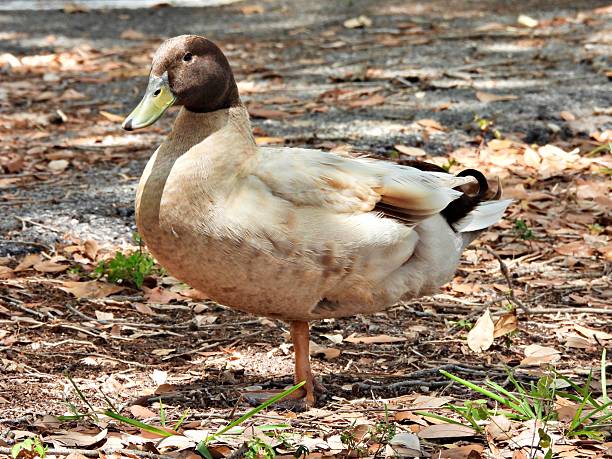
Poultry enthusiasts have long celebrated chickens for their egg‑laying prowess, yet ducks offer a suite of unique advantages: richer yolks, higher protein, superior omega‑3 fatty acids, and a hardier constitution in wet climates. Among the myriad duck breeds, the Khaki Campbell and the Indian Runner stand out as the undisputed champions of egg production.
Both breeds consistently top the “eggs per year” charts, but they differ dramatically in body shape, temperament, and management requirements. This guide dissects every relevant factor—genetics, husbandry, economics, and culinary outcomes—so you can decide which duck (or combination of ducks) best fits your goals, whether you’re a backyard hobbyist, a small‑scale sustainable farmer, or a commercial egg producer.
2. Breed Snapshots – Quick‑Look Facts
| Feature | Khaki Campbell | Indian Runner |
|---|---|---|
| Origin | England, 1900s (derived from Khaki and Campbell) | Southeast Asia (India) > 19th century; refined in the UK |
| Primary Use | Egg production (dual‑purpose in some lines) | Egg production (high‑yield, upright “runner” posture) |
| Average Egg Production | 250‑300 eggs/yr (up to 340 in optimal conditions) | 200‑260 eggs/yr (some strains 280) |
| Egg Size | Large (60‑70 g), often brownish‑cream | Medium‑large (55‑65 g), white to off‑white |
| Body Weight (adult) | Males 2.3‑2.7 kg; Females 1.8‑2.2 kg | Males 2.5‑3.0 kg; Females 2.0‑2.5 kg |
| Plumage | Uniform khaki, short tight feathering | Varied: White, Black, Blue, Chocolate, Fawn, and “pied” patterns |
| Temperament | Calm, docile, flock‑friendly | Energetic, semi‑independent, “stand‑up” gait |
| Lifespan | 6‑9 years (good care) | 6‑10 years |
| Conservation Status | Not at risk (popular breed) | Not at risk, but some colour varieties are rare |
| Best Setting | Small backyard, integrated with chickens, limited space | Larger pastures, free‑range setups, need for vertical space |
These quick facts sketch the fundamental contrast: Khaki Campbell = compact, high‑output, easy‑going; Indian Runner = tall, active, slightly lower output but exceptional for free‑range systems.
3. Historical Roots
3.1 Khaki Campbell
- 1900‑1902: Mrs. Mrs. Lydia Campbell of Aylesbury, England began breeding a duck that could out‑lay her hens. She crossed the Khaki (a utility duck from the British Waterfowl Club) with the White Indian Runner and a Pekin to inject size.
- 1904: The first Khaki Campbells exhibited at the Royal Poultry Show, instantly winning for “most eggs per bird”.
- 1910s‑1920s: The breed spread across the U.K. and the U.S., becoming the “standard commercial duck” before the emergence of industrial hybrid layers.
- Modern Day: Kept largely by hobbyists, small farms, and in some niche egg‑production operations.
3.2 Indian Runner
- 19th Century: Imported from India (specifically the Bengal region) into Britain via the East India Company. The birds were prized for their upright posture and prolific laying.
- 1870‑1880: British breeders refined the breed, selecting for the characteristic “runner” stance, strong legs, and a high egg yield.
- Early 20th Century: The Indian Runner’s popularity surged, especially in the U.S., as a “high‑protein egg” source.
- Color Diversification: Post‑World War II, breeders introduced a rainbow of color morphs—Blue, Chocolate, Fawn, and Patterned—expanding its ornamental appeal.
Both breeds owe their egg‑laying dominance to selective breeding focused on reproductive hormones, skeletal lightness, and metabolic efficiency. Their divergent body plans reflect distinct pathways: the compact, energy‑conserving Campbell versus the tall, active Runner.
4. Physical Characteristics
4.1 Body Conformation
| Trait | Khaki Campbell | Indian Runner |
|---|---|---|
| General Shape | Compact, low‑profile, slightly rounded. | Tall, slender, “Upright” posture; legs appear longer relative to body. |
| Neck | Medium length, held close to body. | Long, arched, often raised when the duck is alert. |
| Wings | Shorter, providing a more aerodynamic silhouette. | Longer, giving a sleek silhouette in flight. |
| Feet & Legs | Slightly shorter, robust; good for walking on soft ground. | Long, sturdy, built for stride rather than waddling. |
| Tail | Short, slightly up‑curved. | Moderately long, often held upright. |
| Feather Density | Tight, water‑resistant; good for damp climates. | Slightly looser, providing excellent insulation in cooler weather. |
4.2 Plumage & Color
- Khaki Campbell: Uniform, sand‑colored feathers (hence “khaki”). The plumage is uniform across both sexes, making sexing at a glance more challenging (requires vent sexing or observation of behavior).
- Indian Runner: A kaleidoscope of colors. Some breeds are solid (White, Black, Blue, Chocolate), others patterned (Barred, Piebald). Color does not affect egg production but can influence marketability for ornamental purposes.
4.3 Sexual Dimorphism
- Campbell: Minor size difference; females slightly lighter and have a more rounded belly when laying.
- Runner: More pronounced; roosters (drakes) often have a broader head, bright orange bill, and a slightly larger body.
Understanding these physical cues aids in flock management, health monitoring, and breeding selection.
5. Egg‑Laying Performance
5.1 Annual Production
| Metric | Khaki Campbell | Indian Runner |
|---|---|---|
| Average eggs/year | 250‑300 (peak 340) | 200‑260 (peak 280) |
| First lay age | 5‑6 months | 5‑6 months |
| Peak laying window | 12‑24 months | 12‑22 months |
| Late‑season drop‑off | Gradual, can persist through winter with supplemental lighting. | More abrupt after 20 weeks of daylight reduction. |
Why the Campbell often out‑produces the Runner:
- Compact body mass reduces metabolic demand, allowing more energy to be diverted to ova production.
- Higher feed conversion efficiency (more eggs per kilogram of feed).
Why the Runner still scores high:
- Upright posture reduces pressure on the reproductive tract, potentially minimizing prolapse in older birds.
- Active foraging stimulates natural hormone cycles.
5.2 Egg Size & Shell Quality
- Khaki Campbell: Eggs weigh 60‑70 g (large). The shells are thick, matte, creamy‑brown, ideal for transport and storage.
- Indian Runner: Eggs weigh 55‑65 g (medium‑large). Shells are smooth, white to off‑white, slightly thinner but still robust.
Both breeds lay double‑yolked eggs occasionally (1‑2 % of clutch), a trait prized by some niche markets.
5.3 Consistency & Laying Rhythm
- Campbell: Lays almost daily when daylight exceeds 14 hours. Breaks usually occur every 4‑5 days for a brief rest.
- Runner: Tends to lay in clutches (5‑7 eggs) followed by a 2‑day rest period. This pattern can be advantageous for incubation scheduling.
6. Nutrition & Feeding Strategies
6.1 Basic Nutrient Requirements
| Nutrient | Recommended % of Diet (by weight) | Importance |
|---|---|---|
| Protein | 18‑20 % for layers (higher for ducklings) | Supports ova development, feather growth |
| Energy (Metabolizable Energy) | 2 800‑3 200 kcal/kg | Drives egg production and heat regulation |
| Calcium | 3.5‑4 % (or 1 % supplemental shell grit) | Shell formation |
| Vitamin D₃ | 1 000‑2 000 IU/kg | Calcium absorption |
| Vitamin A, E, B‑complex | Adequate levels (diet‑specific) | Immune health, vision, metabolic pathways |
| Selenium & Zinc | Trace amounts – essential for fertility & shell quality | Antioxidant defense, enzyme function |
6.2 Feed Formulations
| Feed Type | Khaki Campbell | Indian Runner |
|---|---|---|
| Starter (0‑4 weeks) | 22‑24 % protein crumble; high in methionine | Same as Campbell; extra grit optional |
| Grower (4‑12 weeks) | 18‑20 % protein pelleted or mash | Same; occasional oat‑based “forage supplement” |
| Layer (12 weeks+) | 16‑18 % protein layer mash + 2 % calcium supplement | 15‑16 % protein layer mash; include bran and leafy greens to satisfy foraging instinct |
| Treats | Cooked peas, corn, watermelon rind (in moderation) | Fresh grass, insects, earthworms — especially beneficial for Runner’s active metabolism |
6.3 Feeding Management Tips
- Separate Feeding Stations: Campbells are less aggressive; a single trough often works. Runners, being more active, benefit from multiple access points to prevent bullying.
- Free‑Range Foraging: Allow Runners at least 2 sq m per bird of open pasture with grass and insects. This boosts egg size and vitamin D synthesis.
- Water Access: Both breeds require clean, fresh water at all times. A shallow pond or trough (minimum 5 cm deep) encourages natural dabbling behavior and helps with digestion.
- Lighting: Use artificial supplemental lighting (14–16 hours day length) during winter to sustain laying cycles. LED lights are energy‑efficient and produce minimal heat.
- Calcium Management: Provide crushed oyster shells or cuttlebone in a separate dish; ducks will self‑regulate intake. Offer egg‑shell grit to older birds whose calcium absorption declines.
7. Housing & Environmental Needs
7.1 Coop Design
| Aspect | Khaki Campbell | Indian Runner |
|---|---|---|
| Space Requirement | 0.4‑0.5 sq m per bird (indoors) | 0.5‑0.6 sq m per bird (indoors) |
| Flooring | Solid floor with straw/wood shavings; avoid deep litter (Campbells can become dirty quickly). | Solid floor + sand base (helps Runner’s feet stay clean). |
| Ventilation | Moderate; avoid drafts directly on birds. | Slightly higher airflow to accommodate the Runner’s higher activity level. |
| Nesting Boxes | 1 box per 4‑5 birds; low‑profile, wood‑shavings lined. | 1 box per 3‑4 birds; deeper boxes (15 cm) to accommodate the Runner’s upright posture. |
| Roosting | Not required; ducks sleep on the floor. | Optional low perches may be used but not essential. |
| Predator Protection | Secure wire mesh (½‑inch) on all sides; lockable doors. | Same, but ensure the mesh height accommodates the Runner’s taller stance (≥1 m). |
7.2 Outdoor Run & Water
- Run Size: Minimum 1 sq m per bird for both breeds, but 2 sq m is optimal for Runners to indulge in their natural “running” gait.
- Water Feature: Provide a pond or large trough at least 30 cm deep for dipping, preening, and cooling. Runners enjoy deeper water for swimming; Campbells are content with shallower dips.
- Shade & Shelter: Erect a shade sail or natural canopy. Both breeds are heat‑sensitive above 30 °C and benefit from evaporative cooling.
7.3 Climate Adaptations
| Climate | Khaki Campbell Adaptations | Indian Runner Adaptations |
|---|---|---|
| Cold (≤0 °C) | Dense feathering, high fat reserves; provide insulated bedding and a heated waterer. | Slightly less insulated; supplement with duck‑friendly heaters and windbreaks. |
| Hot (≥30 °C) | Frequent access to water; misting systems. | High tolerance if water depth is sufficient; use evaporative cooling pads. |
| Wet (high humidity) | Feather oil production keeps them waterproof. | Slightly more prone to wet‑foot disease; keep run well‑drained. |
8. Health & Veterinary Care
8.1 Common Ailments
| Condition | Symptoms | Prevention | Treatment |
|---|---|---|---|
| Duckling Viral Enteritis (DVE) | Diarrhea, watery eyes, lethargy in ducklings <2 weeks | Clean water, sanitised brooder, vaccinate (if available) | Antibiotics (if secondary bacterial infection), supportive fluids |
| Bacterial Enteritis (E. coli, Salmonella) | Loose stools, weight loss, reduced laying | Rotate pastures, avoid overcrowding, biosecurity | Antibiotics based on culture, probiotics |
| Mareks (Scaly Leg) | Yellow‑brown crust on legs, especially in damp conditions | Keep dry, provide sand bath, correct diet | Topical antifungal/antibacterial ointment, dry environment |
| Egg‑Binding (Dystocia) | Distended abdomen, straining, lethargy | Proper calcium, regular laying schedule, avoid excessive weight gain | Manual assistance, warm water bath, veterinary intervention |
| Parasites (Mites, Coccidia) | Feather loss, itchiness, poor growth | Rotate litter, regular fecal checks, pasture management | Antiparasitic medication (e.g., ivermectin, amprolium) |
| Bumblefoot | Swollen, painful foot, foul smell | Soft, dry bedding; avoid sharp objects | Soak foot, topical antibiotics, possible surgical debridement |
8.2 Vaccination & Biosecurity
- Vaccines: In the U.S. and U.K., Newcastle disease and Avian influenza vaccines are sometimes administered to ducks in mixed‑poultry farms. Indian Runners occasionally receive a Marek’s disease vaccine if co‑housed with chickens.
- Quarantine: New birds should be isolated for 30 days to monitor for disease.
- Sanitation: Clean coops weekly, replace bedding monthly, and disinfect water troughs with a 1 % bleach solution (1 part bleach to 99 parts water) then rinse thoroughly.
8.3 Longevity & Productivity Decline
- Peak Production: 12‑24 months.
- Gradual Decline: After 3 years, egg numbers fall ~20‑30 %.
- Management: Consider culling low‑producing birds after 3 years and replacing with fresh stock to maintain flock efficiency.
9. Temperament & Behavior
9.1 Social Structure
- Khaki Campbell: Highly flock‑oriented, form tight social bonds, and rarely show aggression. Good for mixed‑species flocks (chickens, geese).
- Indian Runner: More independent; they may assert dominance on feeders and display mild territoriality during breeding. Still generally compatible with other waterfowl but may require extra space to prevent squabbles.
9.2 Foraging and Activity
- Campbell: Slightly less active; they prefer pecking and dabbling rather than sustained running.
- Runner: True to their name, they run short distances across the pasture, enjoying insect hunting. This natural exercise improves bone density and egg shell quality.
9.3 Human Interaction
- Handling: Both breeds tolerate gentle handling but Campbells are more tolerant of daily human contact.
- Noise: Runners are slightly louder; they emit a higher‑pitched “quack” when alarmed. Campbells have a softer, deeper call.
9.4 Predator Awareness
- Ducks rely on vigilance and flight rather than aggression. Providing cover (shrubs, low fences) and secure housing is essential for both breeds.
10. Breeding & Genetics
10.1 Reproductive Cycle
- Sexual Maturity: 5‑6 months for both breeds.
- Incubation Period: 28 days (±0.5 day).
- Clutch Size: 8‑12 eggs (average 10) for both; the Runner may lay slightly larger clutches when conditions are optimal.
10.2 Artificial Incubation vs. Natural Brooding
| Method | Advantages | Disadvantages |
|---|---|---|
| Natural Brooder (Duck Mother) | Instinctual care, better imprinting, reduced labor | Higher risk of egg‑eating if hen is stressed, limited control over hatch timing |
| Artificial Incubator | Precise temperature (37.5 °C) and humidity control, higher hatchability (~85 %) | Requires equipment investment, loss of maternal imprinting (requires foster‑care) |
| Combined | Use a brood‑mare for the first few days, then transfer to incubator for the rest; yields high hatchability and strong imprinting | Complex management, need for experienced caretaker |
10.3 Maintaining Pure Lines
- Genetic Diversity: Avoid inbreeding depression by rotating breeding pairs every 2‑3 generations and introducing new bloodlines from reputable hatcheries.
- Record‑Keeping: Maintain a breeding log (dates, parent IDs, hatch numbers, egg production).
- Color Preservation: For Indian Runners, color‑specific breeding requires careful selection to maintain pattern genetics (e.g., recessive vs. dominant alleles).
10.4 Cross‑Breeding Possibilities
- Campbell × Runner: Produces a hybrid with moderate size, good laying (250–280 eggs/year), and a unique upright posture. However, hybrids may suffer from reduced fertility and must be managed carefully.
- Dual‑Purpose Goals: Some farmers create a Campbell‑Runner cross to combine the calm temperament of the Campbell with the foraging vigor of the Runner, aiming for a balanced small‑farm flock.
11. Egg Quality & Culinary Uses
11.1 Nutritional Profile (per 100 g of raw egg)
| Component | Khaki Campbell Egg | Indian Runner Egg |
|---|---|---|
| Calories | 155 kcal | 150 kcal |
| Protein | 13 g | 12.5 g |
| Fat | 11 g (higher proportion of omega‑3) | 10 g |
| Cholesterol | 210 mg | 200 mg |
| Vitamin D | 2 µg | 1.8 µg |
| Vitamin B12 | 1.3 µg | 1.2 µg |
| Selenium | 30 µg | 28 µg |
| Beta‑carotene | Slightly higher (cream‑brown yolk) | Moderate (white yolk) |
11.2 Flavor & Culinary Traits
- Khaki Campbell: Larger yolk, richer creamy texture, slightly buttery taste—excellent for custards, quiches, and baked goods where volume matters.
- Indian Runner: Higher egg‑white to yolk ratio, resulting in a fluffier omelet and stronger binding properties for pastries. The white‑colored shell is aesthetically appealing for gift‑box eggs.
11.3 Specialty Markets
- Farm‑to‑Table Restaurants: Highlight the unique colour and size of Campbell eggs on menus.
- Health‑Conscious Consumers: Promote the higher omega‑3 content (especially if ducks are pasture‑raised).
- Artisan Bakers: Use Runner eggs for light, airy soufflés due to superior whites.
11.4 Storage & Shelf Life
- Refrigerated (4 °C): Up to 4 weeks without significant quality loss.
- Room Temperature: 1‑2 weeks only, with increased risk of bacterial growth.
- Egg‑Preserving Solutions: Light mineral oil coating can extend shelf life to 6‑8 weeks, though not necessary for small flocks.
12. Meat Production & Dual‑Purpose Potential
While both breeds are renowned for eggs, they also provide decent meat:
| Feature | Khaki Campbell | Indian Runner |
|---|---|---|
| Carcass Yield (after processing) | 55‑60 % of live weight | 58‑62 % |
| Meat Quality | Darker, richer flavor; more “duck‑like” due to higher fat | Leaner, slightly milder taste |
| Best Use | Roast duck, confit, duck fat rendering | Stir‑fry strips, braised dishes |
| Dual‑Purpose Viability | Moderate; high laying may reduce body development | Better; taller frame provides more muscle |
If you aim for a dual‑purpose flock, the Indian Runner may be the more balanced option because its muscular build doesn’t impede egg production as drastically as the compact Campbell.
13. Economic Considerations
13.1 Cost‑Benefit Overview
| Item | Khaki Campbell | Indian Runner |
|---|---|---|
| Initial Purchase (per bird) | $15‑$25 (standard) | $18‑$30 (color varieties) |
| Feed Cost (annual, 2 kg feed/day) | $450‑$500 | $460‑$520 |
| Egg Revenue (average $0.30/egg) | $75‑$102 yr | $60‑$78 yr |
| Net Profit (excluding labor) | $-375 to $-398* | $-400 to $-442* |
| *Note: Ducks are not typically profit‑driven in small‑scale operations; value lies in self‑sufficiency, diversification, and market niche (e.g., specialty eggs). |
13.2 Scaling Up
- Backyard Scale (10‑20 birds): Focus on home consumption and small‑farm markets (farmers’ markets, CSA).
- Small Farm (100‑300 birds): Implement rotational grazing, automated lighting, mechanized egg collection, and feed bulk purchasing to improve margins.
- Commercial (≥1,000 birds): Most large producers prefer hybrid duck lines (e.g., Aylesbury × Campbell) for higher uniformity; pure Khaki Campbell or Runner flocks are less common but can thrive in artisanal niche markets.
13.3 Ancillary Income
- Feathers & Down: Both breeds provide down for bedding and insulation; Campbell down is softer due to finer feathers.
- Duck Fat: Highly prized for confit and culinary applications; yields ~5‑7 % of live weight in rendered fat.
- Manure: Excellent nitrogen source for gardens, especially when composted.
14. Conservation & Ethical Concerns
- Genetic Preservation: While both breeds are not endangered, maintaining heritage lines safeguards against loss of unique traits (e.g., the Runner’s upright gait).
- Welfare Standards: Provide adequate water, space, and enrichment (e.g., floating toys, foraging opportunities).
- Sustainable Practices: Use rotational grazing to prevent over‑grazing, employ composted duck manure as fertilizer, and prioritize local feed to reduce carbon footprint.
- Egg Production Ethics: Ensure daily collection to avoid egg‑binding, keep light cycles natural where possible, and avoid forced molting (a practice more common in chickens).
15. Choosing the Right Breed for You – Decision Matrix
| Criteria | Khaki Campbell | Indian Runner |
|---|---|---|
| Primary Goal | Maximum egg count, compact space | Moderate egg count, active foraging, dual‑purpose |
| Available Space | Small backyard, limited pasture | Larger yard, need for running area |
| Temperament Preference | Calm, flock‑friendly | Energetic, semi‑independent |
| Egg Size Preference | Large, creamy‑brown | Medium‑large, white |
| Meat Interest | Minimal | Moderate |
| Climate | Cooler, damp climates | Warm, sunny climates (but adaptable) |
| Management Level | Low‑maintenance, easy feed routine | Moderate – needs multiple water sources, more enrichment |
| Market Appeal | Specialty brown eggs, heritage variety | Colorful exotic eggs, “runner” novelty |
Bottom Line:
- If you have limited space, desire a quiet flock, and value sheer egg numbers, the Khaki Campbell is the logical pick.
- If you have ample pasture, enjoy a more active flock, and want a versatile bird for both eggs and meat, the Indian Runner is your best bet.
16. Frequently Asked Questions
| Question | Answer |
|---|---|
| Do ducks need a “duck house” separate from chickens? | Not mandatory, but separate housing reduces disease spread and lets each species have tailored conditions (e.g., water depth). |
| Can ducks eat chicken feed? | Yes, but duck feed is higher in protein and contains added duck‑specific vitamins (e.g., vitamin D). |
| How often should I clean the water? | Daily replacement is ideal; at minimum, refresh every 24‑48 hours and clean the container weekly. |
| Do Khaki Campbell and Indian Runner interbreed naturally? | Yes, they can produce fertile hybrids, but it’s generally discouraged if you wish to preserve pure lines. |
| What’s the best way to deter predators? | Secure coop with ½‑inch hardware cloth, use electric fencing on runs, keep water sources covered, and employ guard animals (e.g., dogs or geese). |
| Can I keep ducks with other waterfowl (geese, swans)? | Yes, but ensure adequate space; geese can be aggressive, especially during breeding. |
| Do ducks molt like chickens? | Yes, they undergo a partial molt after the laying season (usually 2‑4 weeks). |
| Will my ducks lay eggs year‑round? | With supplemental lighting (14‑16 h) and proper nutrition, they can lay most of the year, though production slows in extreme heat or cold. |
| How do I collect eggs without breaking them? | Use soft, rubber‑coated egg trays and gently roll eggs into them; avoid dropping. |
| Can I sell duck eggs commercially? | Yes, but you must comply with local health department regulations, label correctly, and often obtain a food‑handling permit. |
17. Conclusion – The Final Verdict
The showdown between Khaki Campbell and Indian Runner isn’t a battle of “better” vs. “worse.” Instead, it’s a complementary contrast that lets you align a duck breed with your environment, goals, and lifestyle.
- Khaki Campbell shines when you need maximum egg output in a compact footprint, crave the richness of large brown eggs, and appreciate a peaceful flock that melds seamlessly with chickens.
- Indian Runner thrives when you have ample pasture, desire a more active, foraging bird, and enjoy the visual appeal of colorful egg shells and an upright, runner‑like stance. Its moderate egg production is offset by its dual‑purpose potential and engaging personality.
Both breeds are heritage champions, resilient, and capable of delivering high‑quality eggs and respectable meat. By understanding their histories, physiological traits, husbandry needs, and economic realities, you can make an informed, confident decision—whether you end up with a single‑breed flock or a mixed‑breed community that leverages the strengths of each.
Happy duck‑keeping! May your ponds stay clear, your eggs be plentiful, and your ducks forever bring joy to your homestead.
#KhakiCampbell #IndianRunner #DuckEggs #BackyardPoultry #SmallFarmLife #HeritageDucks #EggProduction #SustainableFarming #DuckLovers #FarmFreshEggs #PoultryKeeping #DuckHusbandry #EggLayingDucks #GardenFarming #HomesteadLiving
Add comment